 English
 中文简体
中文简体
β--PPH Single Union Check Valve
This valve features a compact structure, an aesthetically pleasing design, excel...
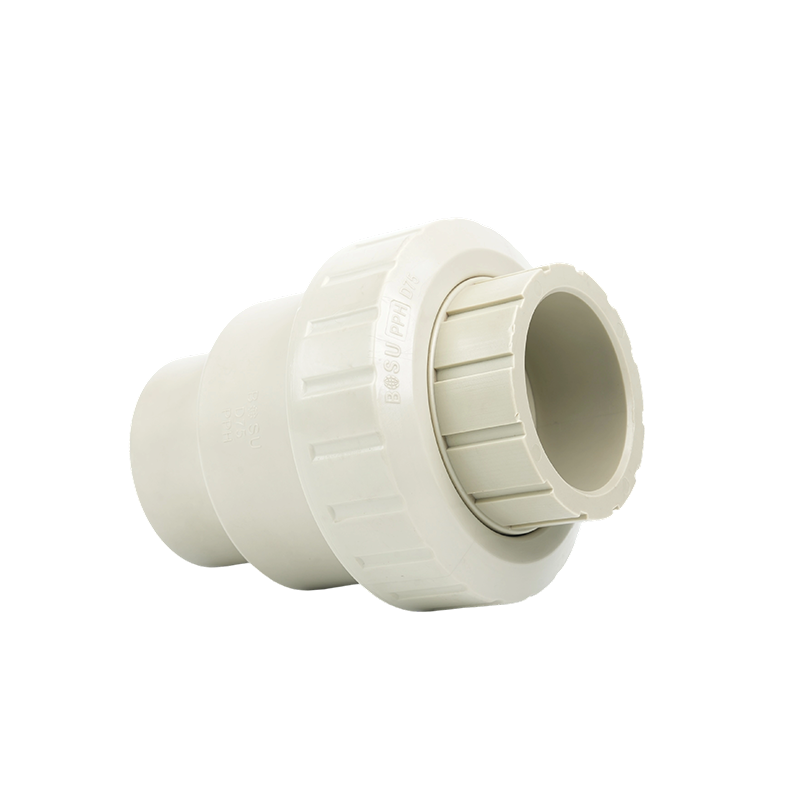
This valve features a compact structure, an aesthetically pleasing design, excel...
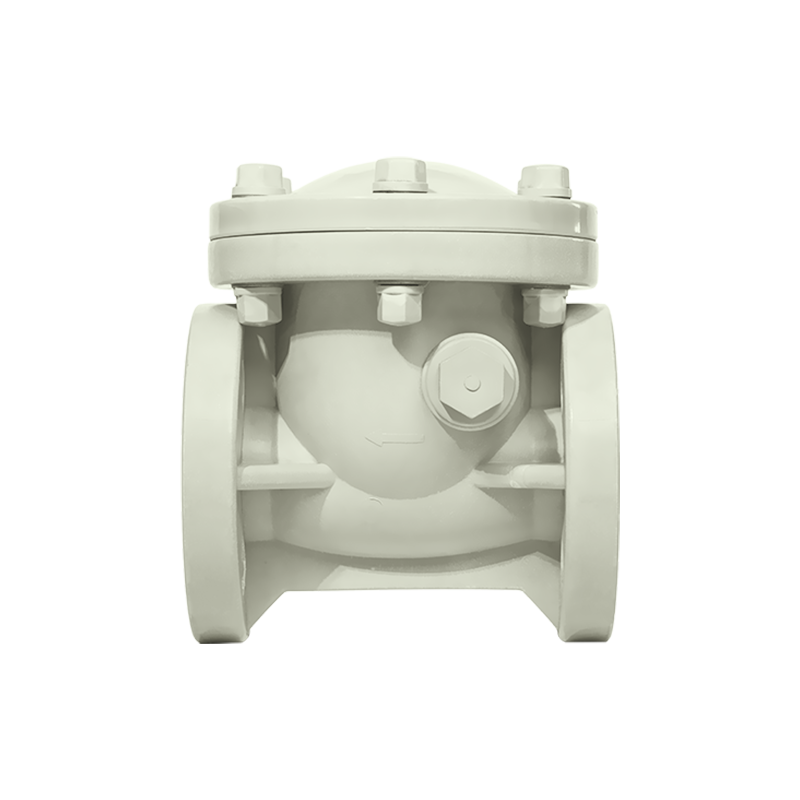
Product Features: The pressure drop from the inlet to the outlet is very low. T...
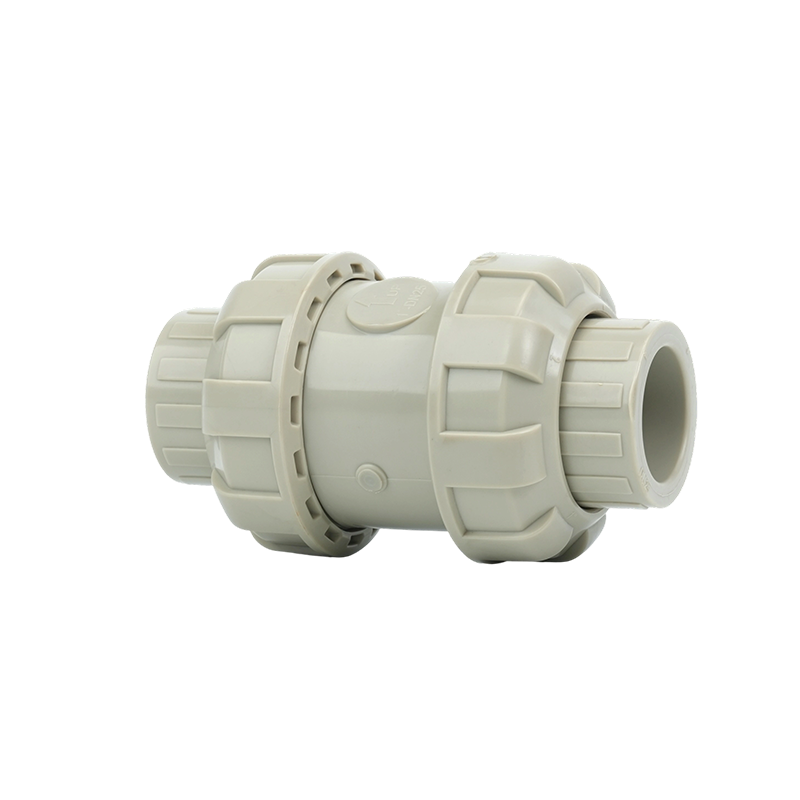
This valve features a simple structure and high cost-effectiveness, with low fl...
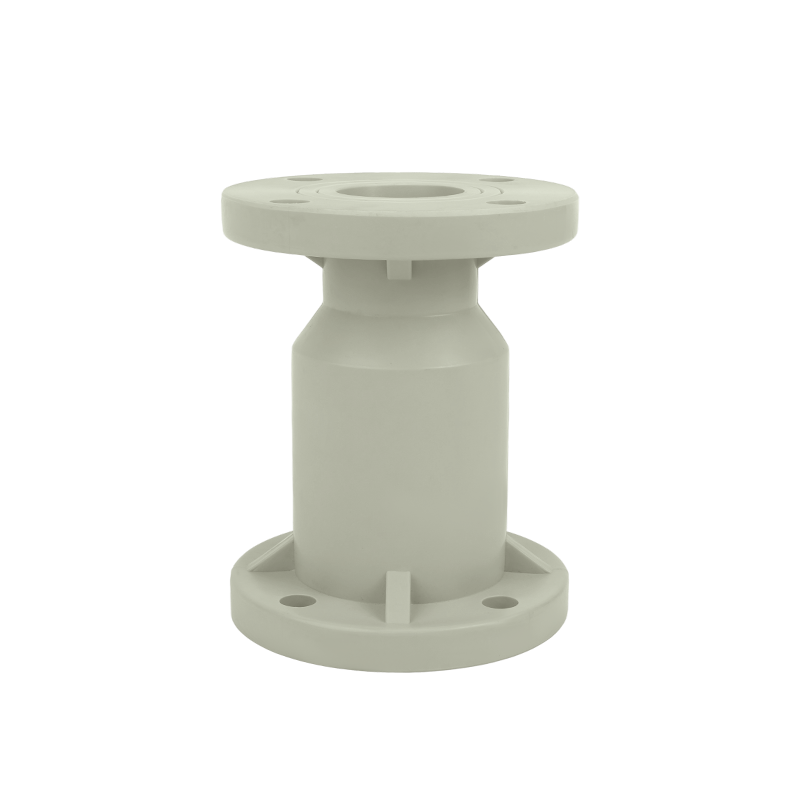
Flange check valve refers to a valve that automatically opens and closes the val...

Primary vs. Secondary Raw Materials The fundamental distinction lies in the origin and processing history. Primary raw materials are extracted directly from natural resources (ores, crude oil, forests) and have never been used or processed industrially before. Secondary raw materials are recovered from pre-consumer or...
View MoreDirect Conclusion: The Most Effective Use of Plastic Pipe Lies in Strategic Material Selection and Precision Installation To use plastic pipe most effectively, you must first match the specific polymer properties to the application's chemical, thermal, and pressure demands. There is no single "best" plastic pipe. The ...
View MorePrevention is more cost-effective than repair. Referring to Jiangsu Leiting's high reliability standards in industrial automation systems, the following are best practices for daily maintenance: Regular Flushing and Cleaning (Preventing Clogging) Method: At regular intervals (e.g., monthly or quarterly), flush the insi...
View MoreWhat are some typical case studies of β-PPH check valves in actual projects?
1. Solar Photovoltaic Systems
Check valves made of β-PPH material allow for unidirectional flow in photovoltaic branch pipelines, preventing backflow and subsequent back pressure damage to the photovoltaic inverters.
The valve body is lightweight and corrosion-resistant, suitable for the high-temperature and ultraviolet environments of photovoltaic arrays.
Typical Project: Several distributed photovoltaic power stations in Jiangsu Province have adopted β-PPH check valves for reliable pipeline protection.
2. Semiconductor Manufacturing Processes
Semiconductor production lines have extremely high requirements for fluid purity and pressure control. The chemical resistance of β-PPH check valves effectively prevents backflow of acidic and alkaline media.
The valve body uses a metal flange connection, ensuring reliable sealing and meeting the high-pressure requirements of cleanrooms.
Typical Case Study: The cleaning fluid circulation system of a large domestic semiconductor plant uses β-PPH check valves, significantly reducing the leakage rate.
3. Chemical and Pharmaceutical Piping
In the transportation systems of chemical and pharmaceutical industries, β-PPH check valves can resist the erosion of strong acids, alkalis, and corrosive media, ensuring pipeline safety.
Its homopolymer polypropylene β-modified structure provides excellent temperature and pressure resistance.
Typical Project: β-PPH check valves supplied by Jiangsu Runhe Company for PPH pipeline systems have been put into use in several chemical enterprises.
4. Environmental Protection and Wastewater Treatment
β-PPH check valves prevent backflow in the return pipelines of wastewater treatment plants, protecting pump station equipment.
Due to the material's resistance to aging and low maintenance costs, they are suitable for environmental protection facilities operating for extended periods.
What sealing materials are typically used for β-PPH check valves?
1. Polytetrafluoroethylene (PTFE)
PTFE possesses an extremely low coefficient of friction and excellent chemical inertness, making it a commonly used sealing material for β-PPH check valve seats. It can maintain sealing performance in high-temperature (≈177℃) and strong acid/alkali environments.
2. Fluoropolymer Series (FEP, PFA, PCTFE)
In aerospace and high-end chemical fields, some valves use fluoropolymers to improve corrosion resistance and high-pressure resistance.
3. Metal elastomers (such as fluororubber FKM) For applications requiring higher elasticity, FKM offers better resilience and oil resistance.

Products
Company Information
Address: No. 55 Haichuan Road, High-Tech Zone, Dongtai City, Jiangsu Province, China
Mobile: +86 137 7009 5258
Tel: +86-515-85479999
Email: [email protected]
We'd love to hear from you!
