 English
 中文简体
中文简体
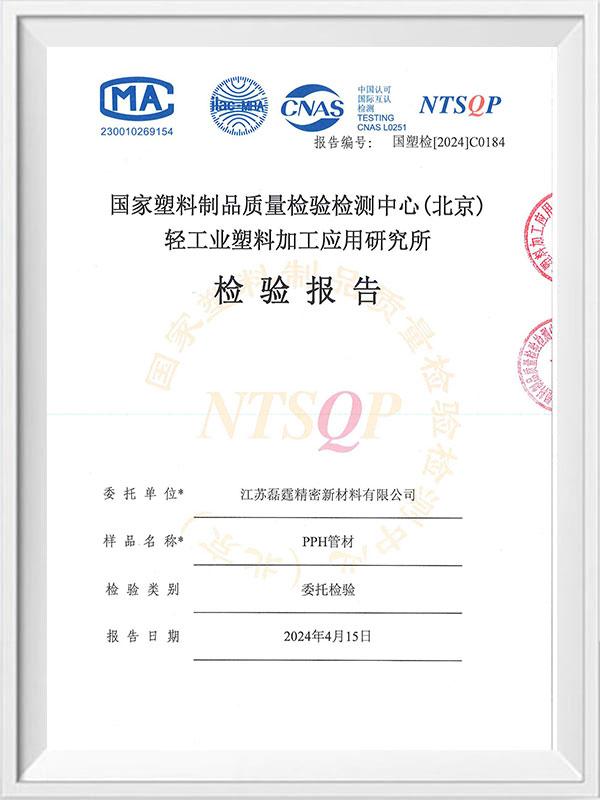
β-PPH Pipes
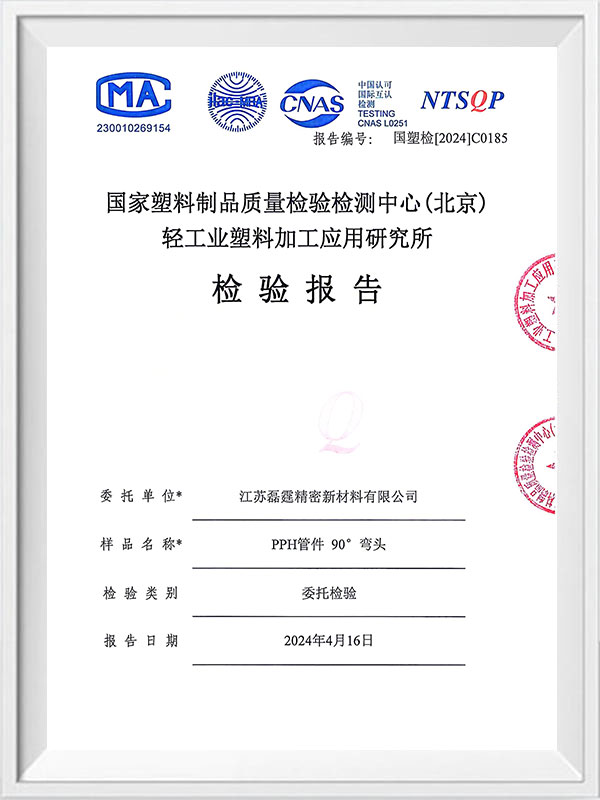
Product Specifications: DN15 (D20), DN20 (D25), DN25 (D32), DN32 (D40), DN40 (D5...
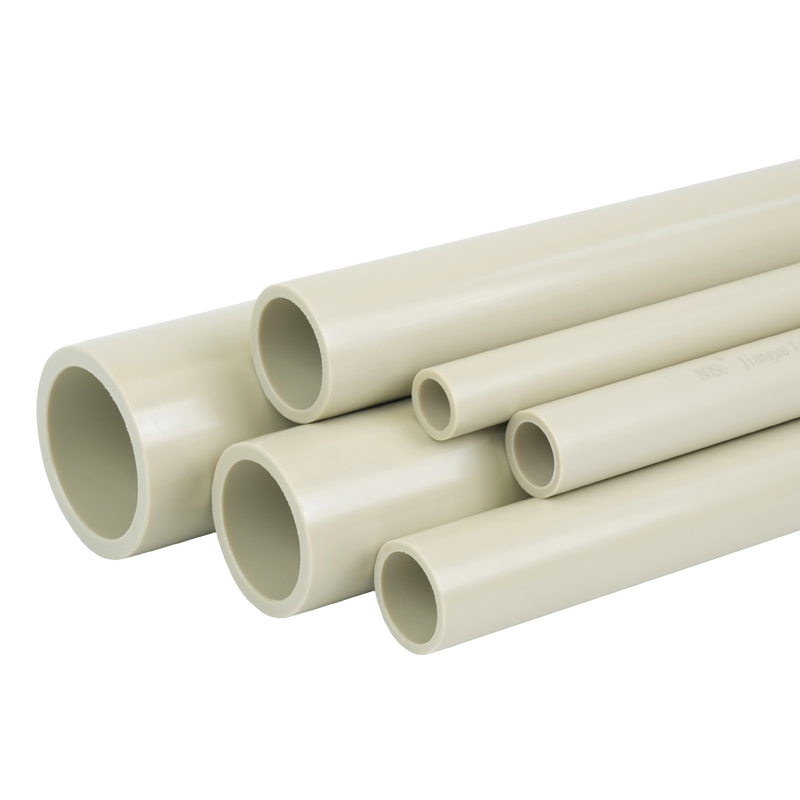
Product Specifications: DN15 (D20), DN20 (D25), DN25 (D32), DN32 (D40), DN40 (D5...

A one-inch hose tail that threads two turns into a pump inlet and then stops is how most hose fitting adapter problems announce themselves. The diameter matches, the label matches, the thread form does not, and no amount of thread tape will close the gap between a parallel G thread and a tapered NPT thread of the same...
View MoreYou just connected a new brass adapter to the outdoor spigot, tightened it snugly, and it still drips. The usual cause is not the washer or the wrench torque: it is a mismatch between thread standards. Most residential plumbing in North America uses tapered National Pipe Thread (NPT), while garden hose fittings use a...
View MoreYou have finished plumbing a 150-gallon reef tank. The return pump is humming, the sump is cycling, and then you spot a small drip beneath the 50mm connector that joins the pump to the pipe. That drip can turn into a soaked stand, a salty film on the floor, and a long evening of rerouting hard-won pipework. A 50mm fis...
View MoreWhat are 1.0MPa β-PPH pipes?
1. Material Nature: β-PPH (β-crystalline polypropylene homopolymer) is a homopolymer polypropylene obtained through β-modification. It possesses a fine and uniform β-crystalline structure, exhibiting excellent chemical corrosion resistance, wear resistance, and insulation properties.
2. Pressure Rating: The product is designed for a working pressure of 1.0MPa, meeting the medium-to-low pressure transmission needs of industries such as solar energy, semiconductors, chemicals, and pharmaceuticals.
3. Sizes and Specifications: The company offers various pipe diameters and wall thicknesses, which can be customized according to customer piping systems, compatible with various valves, fittings, and accessories.
4. Application Areas: Widely used in high-requirement industrial piping systems such as photovoltaic brackets, semiconductor cooling, chemical media transportation, environmental water treatment, and pharmaceutical manufacturing.
How are the maximum operating temperature and low-temperature brittleness of 1.0MPa β-PPH pipes assessed?
1. Maximum Operating Temperature: The upper limit of the operating temperature of β-PPH pipes is generally 110℃, and can reach 120℃ under special operating conditions, meeting the transportation needs of most industrial heat media. 2. Low-Temperature Performance: The low-temperature embrittlement temperature of polypropylene is approximately -70℃. β-PPH maintains good toughness within the range of -20℃ to -70℃, requiring no additional antifreeze measures for winter construction.
3. Evaluation Methods:
Thermomechanical Property Testing: The upper temperature limit and embrittlement point of the material are determined through experimental data on the coefficient of thermal expansion, yield strength, and impact toughness at different temperatures.
Long-Term Temperature Resistance Testing: The pipe is continuously operated at 110℃ for over 5000 hours, observing creep, hardening, and dimensional changes to verify the reliability of the maximum operating temperature.
Low-Temperature Impact Testing: Impact tests are conducted at -70℃ to ensure the pipe retains sufficient impact absorption capacity even at extreme low temperatures.

Products
Company Information
Address: No. 55 Haichuan Road, High-Tech Zone, Dongtai City, Jiangsu Province, China
Mobile: +86 137 7009 5258
Tel: +86-515-85479999
Email: [email protected]
We'd love to hear from you!
