 English
 中文简体
中文简体
β--PPH Plain End Thermo-fusion Socket Pipe Fittings 1.6MPa
Used in piping systems requiring plain end connections. Specifications: DN15(D20...
View MoreContent
In the fast-paced world of modern industrial manufacturing, the difference between a profitable day and a costly one often comes down to seconds. Whether it’s a chemical processing plant, a water treatment facility, or a large-scale agricultural irrigation system, the ability to control the flow of liquids with precision and speed is paramount. Recently, a specific piece of hardware has been making waves among engineers and facility managers: the Single and Double Type Pneumatic Flanged Ball Valve.
But why are professionals suddenly so focused on the speed of pneumatic actuators, and what makes this particular valve configuration a "must-have" for 2026? To understand the buzz, we need to dive into the mechanics of fluid dynamics and the evolving demands of global industry.
The most frequent question asked by procurement officers today isn't just "Does it work?" but rather, "How fast can it react?"
In traditional systems, manual valves or slow-moving electric actuators were the norm. However, as systems become more automated, the lag time between a sensor detecting a problem and a valve closing can lead to significant issues. The pneumatic actuator used in the Single and Double Type Pneumatic Flanged Ball Valve is designed specifically to address this. By using compressed air to trigger movement, these valves can switch states almost instantaneously.
When a valve takes five to ten seconds to close, hundreds of gallons of fluid can pass through the line unnecessarily. In industries dealing with expensive chemicals or purified water, this "minor" delay translates directly into financial loss. By reducing operation time to a fraction of a second, companies are seeing a measurable decrease in raw material waste.
In an emergency—such as a pipe rupture or a pressure spike—every millisecond counts. A high-speed pneumatic actuator serves as a critical fail-safe. It can isolate a section of the pipeline before a small leak becomes a catastrophic spill, protecting both the workforce and the environment.
For those not steeped in material science, the term "$\beta$-PPH" might sound like technical jargon. However, it is the secret sauce behind the durability of these valves.
$\beta$-PPH (Beta-Polypropylene Homopolymer) is a thermoplastic known for its exceptional chemical resistance and thermal stability. Unlike standard plastics, the "Beta" crystalline structure provides superior impact strength, especially at lower temperatures. This makes the flanged ball valve light enough for easy installation but tough enough to handle corrosive acids, alkalis, and salts that would eat through traditional metal valves.
Furthermore, the flanged design ensures a leak-proof connection to the rest of the piping system, providing a robust structural integrity that "thread-on" alternatives simply cannot match.
One of the most impressive aspects of this product line is its sheer range of specifications. Industry experts often find themselves frustrated by high-quality valves that only come in a few niche sizes. The $\beta$-PPH series avoids this pitfall by offering a comprehensive catalog that fits almost any standard pipeline.
| Nominal Diameter (DN) | Corresponding Outer Diameter (D) |
| DN15 | D20 |
| DN20 | D25 |
| DN25 | D32 |
| DN32 | D40 |
| DN40 | D50 |
| DN50 | D63 |
| DN65 | D75 |
| DN80 | D90 |
| DN100 | D110, D125 |
| DN125 | D140 |
| DN150 | D160, D180 |
| DN200 | D200, D225 |
| DN250 | D250, D280 |
| DN300 | D315 |
This wide array of sizes means that a single facility can standardize its hardware across different departments. Whether you are managing a small laboratory line (DN15) or a massive municipal water main (DN300), the operational logic and maintenance requirements remain the same. This consistency reduces the "learning curve" for maintenance crews and simplifies the spare parts inventory.
Another common question from users is: "What is the difference between Single-Acting and Double-Acting actuators, and which one do I need?"
Double-Acting Type: This version uses air pressure to both open and close the valve. It is highly reliable and offers the most precise control over the ball's position. It is ideal for processes where the valve needs to stay in its last position if the air supply is interrupted.
Single-Acting Type (Spring Return): This version uses air to move the valve in one direction and a powerful internal spring to push it back. This is the "Safety Choice." If the power or air supply fails, the spring automatically forces the valve into a pre-set "Safe" position (usually closed).
By offering both types, the Single and Double Type Pneumatic Flanged Ball Valve ensures that engineers can tailor their choice to the specific safety and operational requirements of their project.
In 2026, "Going Green" is no longer just a PR move; it’s a regulatory requirement in many regions. Resource efficiency is at the heart of sustainability. Because these pneumatic valves operate so quickly and seal so tightly, they prevent the "micro-leaks" and over-pouring that contribute to a large carbon footprint.
Additionally, because $\beta$-PPH is a recyclable thermoplastic and requires less energy to manufacture and transport than heavy cast-iron valves, the total lifecycle impact of the product is significantly lower. It’s a rare win-win where the more environmentally friendly option is also the most cost-effective one in the long run.
Consider a mid-sized chemical processing plant that recently upgraded its DN100 (D110) lines to the $\beta$-PPH pneumatic system. Previously, they used manual lever valves. The transition to pneumatic actuation allowed them to integrate the valves into a centralized SCADA (Supervisory Control and Data Acquisition) system.
The result? The plant reported a 22% increase in throughput because the valves could cycle faster during the mixing process. Furthermore, they saw a 15% reduction in liquid waste, as the high-speed closing action prevented the "drip-over" effect that occurred with slower manual operations.
As we look at the trajectory of industrial automation, the trend is clear: faster, lighter, and more chemically resistant. The Single and Double Type Pneumatic Flanged Ball Valve represents the pinnacle of this trend. It addresses the core concerns of the modern operator: How do I save time? How do I stop wasting resources? And how do I ensure my system lasts for years without corroding?
By combining the advanced material science of $\beta$-PPH with the lightning-fast response of pneumatic technology, this valve series isn't just a component—it's an investment in operational excellence.
For facilities still relying on outdated, slow-moving manual or metal valves, the question is no longerifthey should switch, buthow soonthey can implement these high-speed solutions to stay competitive in an increasingly demanding market.
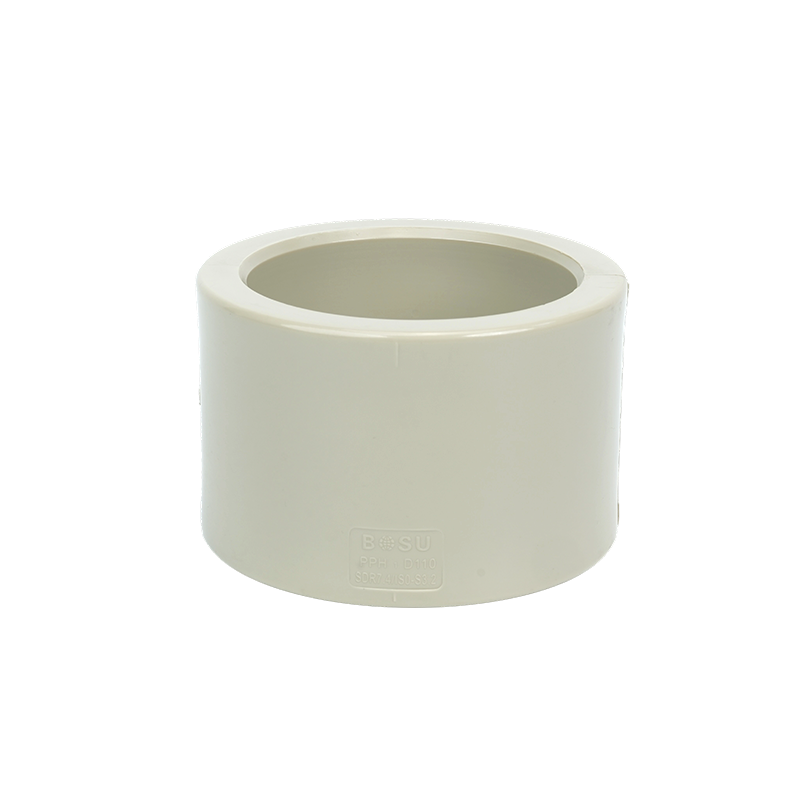
Used in piping systems requiring plain end connections. Specifications: DN15(D20...
View More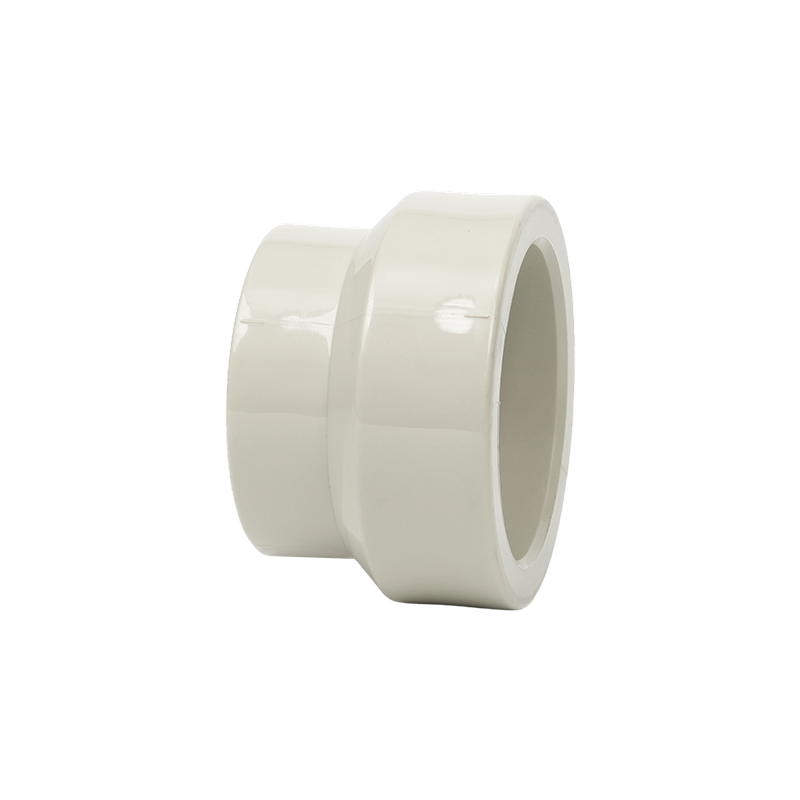
This fitting is designed to reduce flow disturbance during diameter transitions...
View More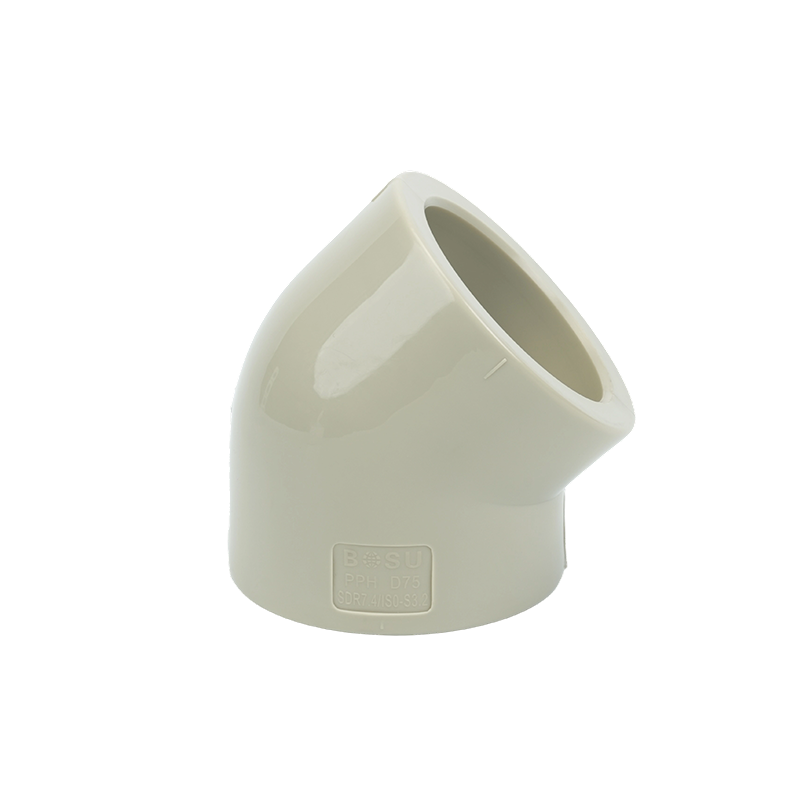
1.This fitting is used to change the direction of a pipeline at a 45-degree ang...
View More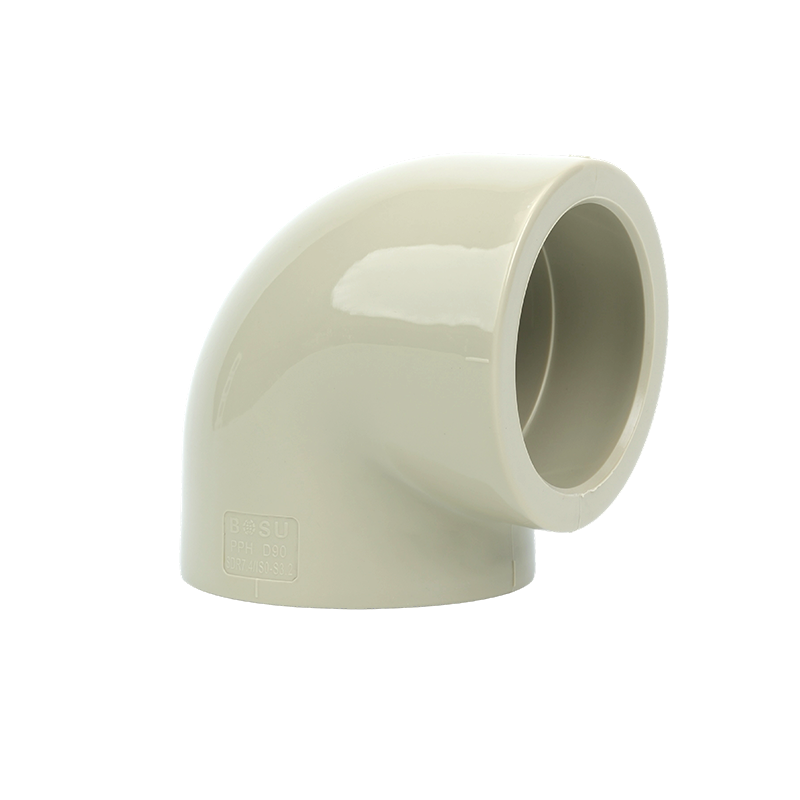
1. This fitting is designed for 90-degree directional changes in pipelines and i...
View More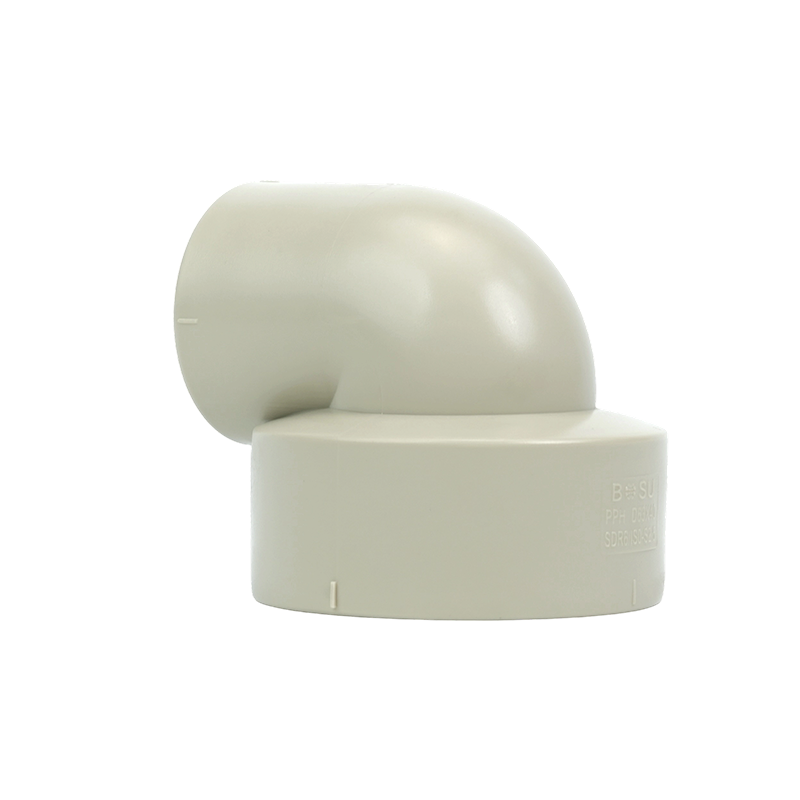
1. This fitting is used to connect two pipes of different diameters, achieving a...
View More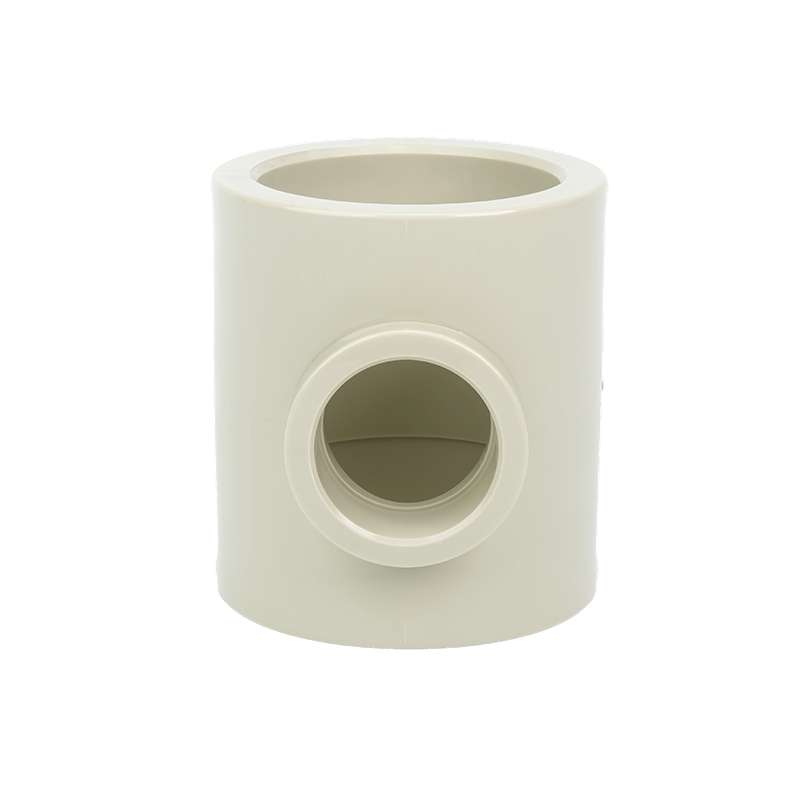
1.This fitting is used to create a branch line from a main pipeline, allowing f...
View More
Products
Company Information
Address: No. 55 Haichuan Road, High-Tech Zone, Dongtai City, Jiangsu Province, China
Mobile: +86 137 7009 5258
Tel: +86-515-85479999
Email: [email protected]
We'd love to hear from you!
