 English
 中文简体
中文简体
PPN Pipes 0.6 MPa
Product Specifications: DN65 (D75), DN80 (D90), DN100 (D110), DN100 (D125), DN15...
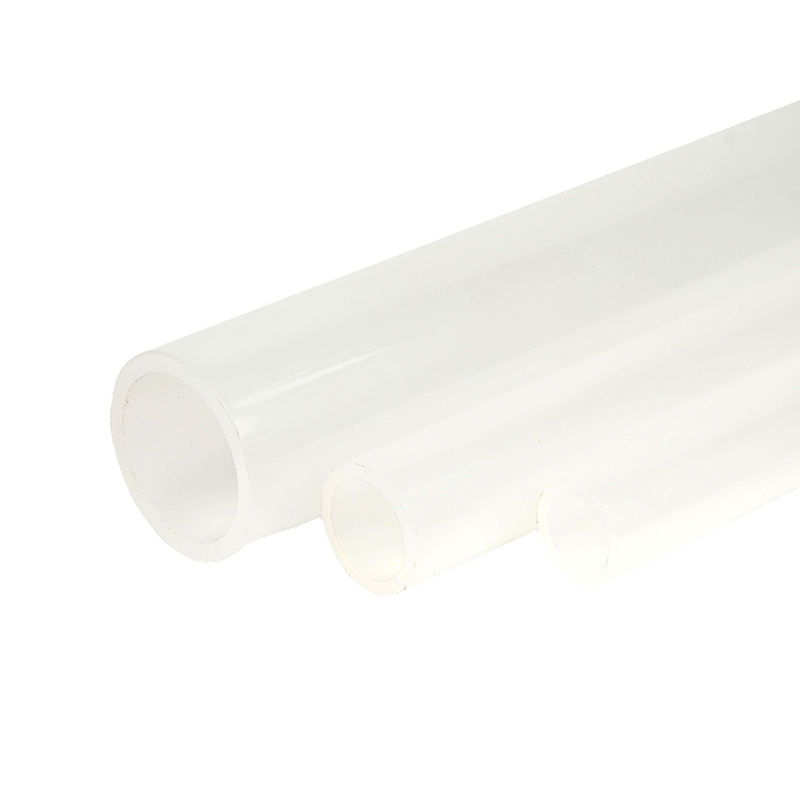
Product Specifications: DN65 (D75), DN80 (D90), DN100 (D110), DN100 (D125), DN15...
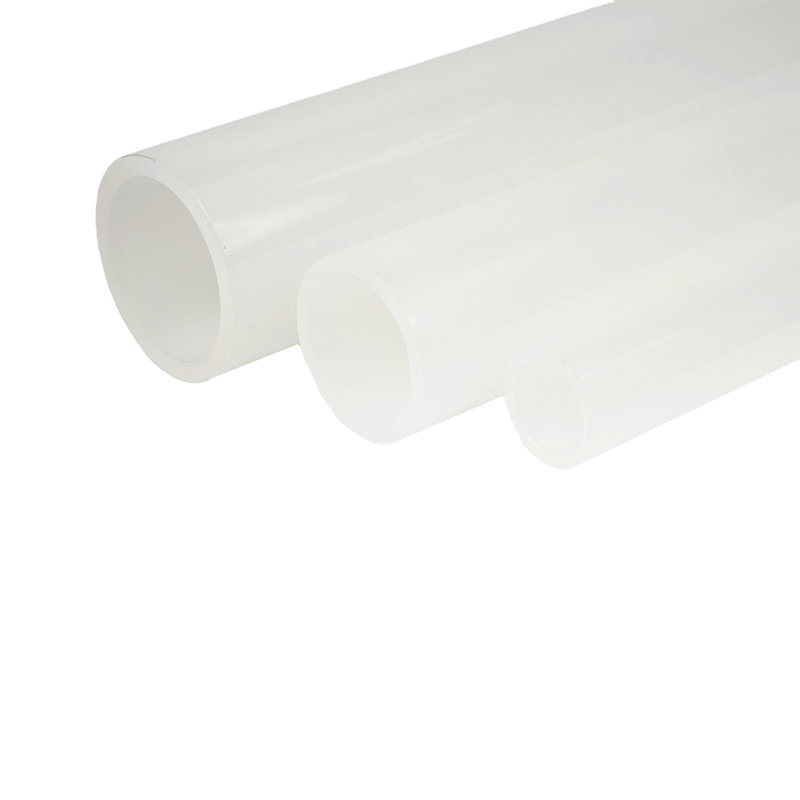
Product Specifications: DN15 (D20), DN20 (D25), DN25 (D32), DN32 (D40), DN40 (D5...

A one-inch hose tail that threads two turns into a pump inlet and then stops is how most hose fitting adapter problems announce themselves. The diameter matches, the label matches, the thread form does not, and no amount of thread tape will close the gap between a parallel G thread and a tapered NPT thread of the same...
View MoreYou just connected a new brass adapter to the outdoor spigot, tightened it snugly, and it still drips. The usual cause is not the washer or the wrench torque: it is a mismatch between thread standards. Most residential plumbing in North America uses tapered National Pipe Thread (NPT), while garden hose fittings use a...
View MoreYou have finished plumbing a 150-gallon reef tank. The return pump is humming, the sump is cycling, and then you spot a small drip beneath the 50mm connector that joins the pump to the pipe. That drip can turn into a soaked stand, a salty film on the floor, and a long evening of rerouting hard-won pipework. A 50mm fis...
View MoreWhat are the main materials of PPN pipes?
1. Modified Polypropylene (PP): PPN pipes use polypropylene (PP) as the matrix, which is β-modified or copolymerized to give it higher temperature resistance, chemical corrosion resistance, and aging resistance.
2. High Transparency and Low Water Absorption: PPN material has an extremely low water absorption rate (≈0.01%), and hardly expands in aquatic environments, making it suitable for industries highly sensitive to moisture, such as cleanrooms, pharmaceuticals, and semiconductors.
3. Excellent Mechanical Strength: The modified PPN pipe wall is dense, significantly improving impact strength and pressure resistance, and can operate stably in a wide temperature range of -10℃ to +100℃.
What are the differences between PPN pipes and ordinary PP pipes (PPH)?
1. Compositional Differences: PPN pipes use polypropylene raw materials directly, while PPH pipes are β-modified from ordinary PP to form a more uniform and delicate β-crystalline structure.
2. Performance Comparison:
Chemical Resistance: PPN performs better in strong acid and alkali environments, exhibiting stronger corrosion resistance; while PPH also possesses good chemical resistance, it is slightly inferior.
High Temperature Resistance: PPN can be used continuously at temperatures above 100℃, suitable for high-temperature process pipelines; the maximum operating temperature of PPH is generally around 90℃.
Abrasion and Aging Resistance: PPN pipes exhibit superior abrasion resistance and anti-aging properties, resulting in a longer service life, making them particularly suitable for harsh conditions such as chemical and pharmaceutical industries.
3. Application Scenarios: PPN is more inclined towards high-end photovoltaic, semiconductor, chemical, and pharmaceutical fields where extremely high material purity and temperature resistance are required; PPH is commonly used in general industrial pipelines, water supply and drainage, and medium- and low-pressure transmission systems.

Products
Company Information
Address: No. 55 Haichuan Road, High-Tech Zone, Dongtai City, Jiangsu Province, China
Mobile: +86 137 7009 5258
Tel: +86-515-85479999
Email: [email protected]
We'd love to hear from you!
