 English
 中文简体
中文简体
β--PPH Concentric Flanged Flexible Connector
Product Specifications: DN25 (D32), DN32 (D40), DN40 (D50), DN50 (D63), DN65 (D7...
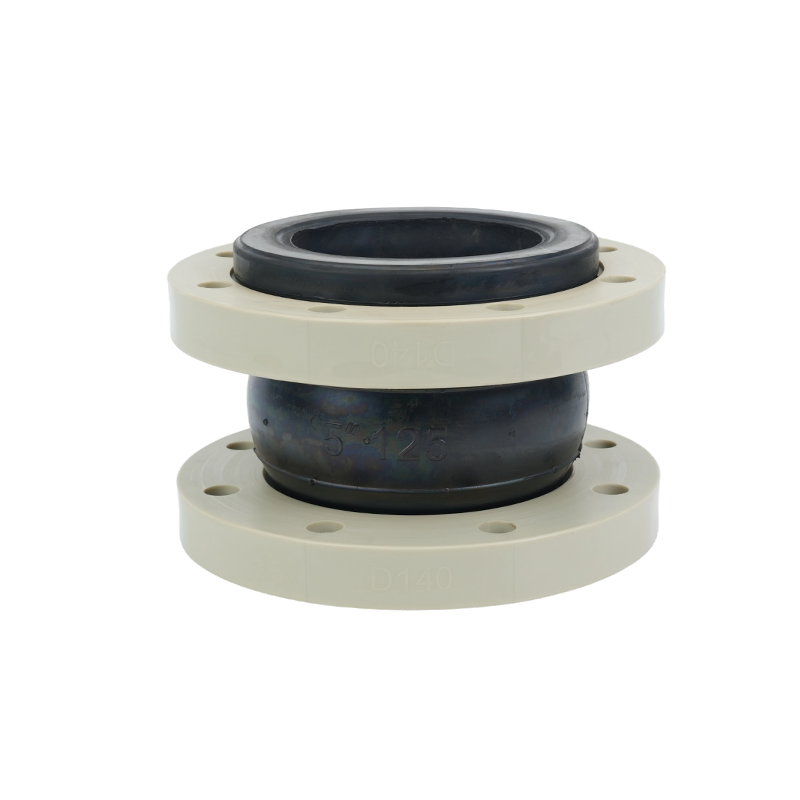
Product Specifications: DN25 (D32), DN32 (D40), DN40 (D50), DN50 (D63), DN65 (D7...
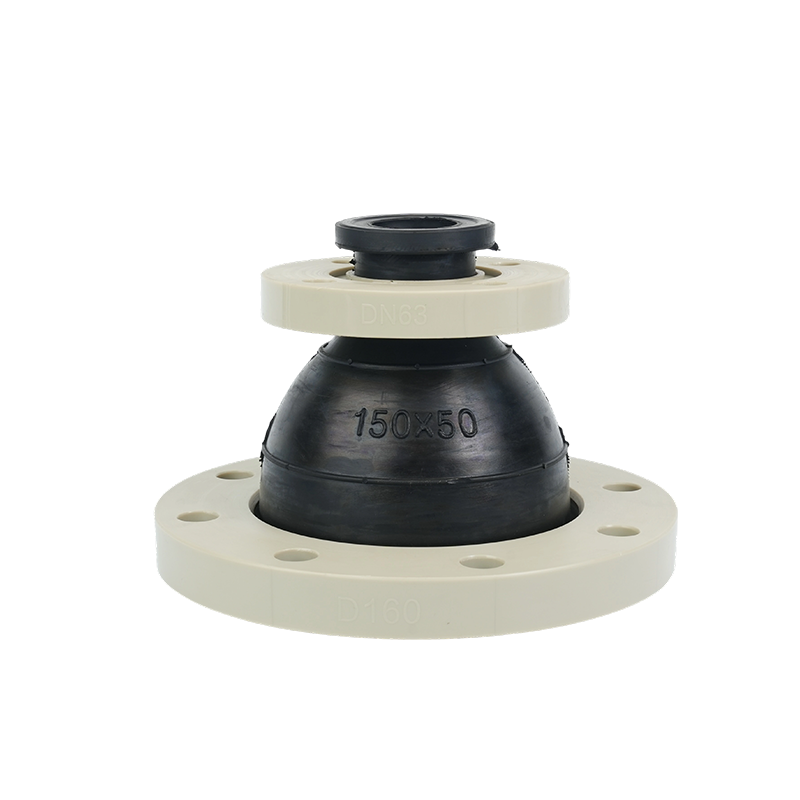
Product Specifications: D40*32, D50*32, D50*40, D63*32, D63*40, D63*50, D75*40, ...

A one-inch hose tail that threads two turns into a pump inlet and then stops is how most hose fitting adapter problems announce themselves. The diameter matches, the label matches, the thread form does not, and no amount of thread tape will close the gap between a parallel G thread and a tapered NPT thread of the same...
View MoreYou just connected a new brass adapter to the outdoor spigot, tightened it snugly, and it still drips. The usual cause is not the washer or the wrench torque: it is a mismatch between thread standards. Most residential plumbing in North America uses tapered National Pipe Thread (NPT), while garden hose fittings use a...
View MoreYou have finished plumbing a 150-gallon reef tank. The return pump is humming, the sump is cycling, and then you spot a small drip beneath the 50mm connector that joins the pump to the pipe. That drip can turn into a soaked stand, a salty film on the floor, and a long evening of rerouting hard-won pipework. A 50mm fis...
View MoreWhat is Flange Softening?
1. Flange softening refers to the gradual decrease in hardness and strength of the flange material at the flange connection due to long-term pressure, temperature cycling, or media corrosion, causing the sealing surface to lose its original elasticity and tightening performance.
2. Softening can cause flange deformation and reduced bolt preload, leading to leakage or failure, especially in pipeline systems operating under high pressure, strong corrosion, or high temperature conditions.
3. In practical engineering, softening often manifests as loose flange bolts, deeper indentations on gaskets, or the appearance of micro-cracks; these are all signals requiring timely detection and maintenance.
How to reduce the risk of Flange Softening through material selection or process control?
1. Select softening-resistant materials
Using high-strength alloy steel or corrosion-resistant stainless steel flanges can significantly improve softening resistance.
For special media (such as acids, alkalis, and seawater), titanium alloy or nickel-based alloy flanges can be used to resist softening caused by chemical corrosion.
2. Optimize Heat Treatment Process
By using heat treatments such as normalizing, tempering, or quenching, the hardness and toughness of the material are improved, reducing the tendency to soften under high-temperature cycling.
Adding a residual stress relief process during flange production ensures that the flange achieves a uniform internal stress distribution before use.
3. Surface Protection and Anti-corrosion Coating
Spraying anti-corrosion paint, thermal spraying galvanizing, or ceramic coatings on the flange surface effectively prevents the media from corroding the metal substrate.
For pipeline systems requiring long-term operation, regular surface inspection and recoating are necessary to maintain the integrity of the protective layer.
4. Rational Design of Bolt Preload and Stiffness
Using high-strength bolts and calculating the preload according to standards ensures that the flange maintains sufficient clamping force under working pressure.
Adding reinforcing ribs or rigid supports to large-diameter or high-pressure flanges reduces the elastic deformation of the flange body.

Products
Company Information
Address: No. 55 Haichuan Road, High-Tech Zone, Dongtai City, Jiangsu Province, China
Mobile: +86 137 7009 5258
Tel: +86-515-85479999
Email: [email protected]
We'd love to hear from you!
