English
 中文简体
中文简体
EPDM Flange Pad
Product Specifications: DN15 (D20), DN20 (D25), DN25 (D32), DN32 (D40), DN40 ...
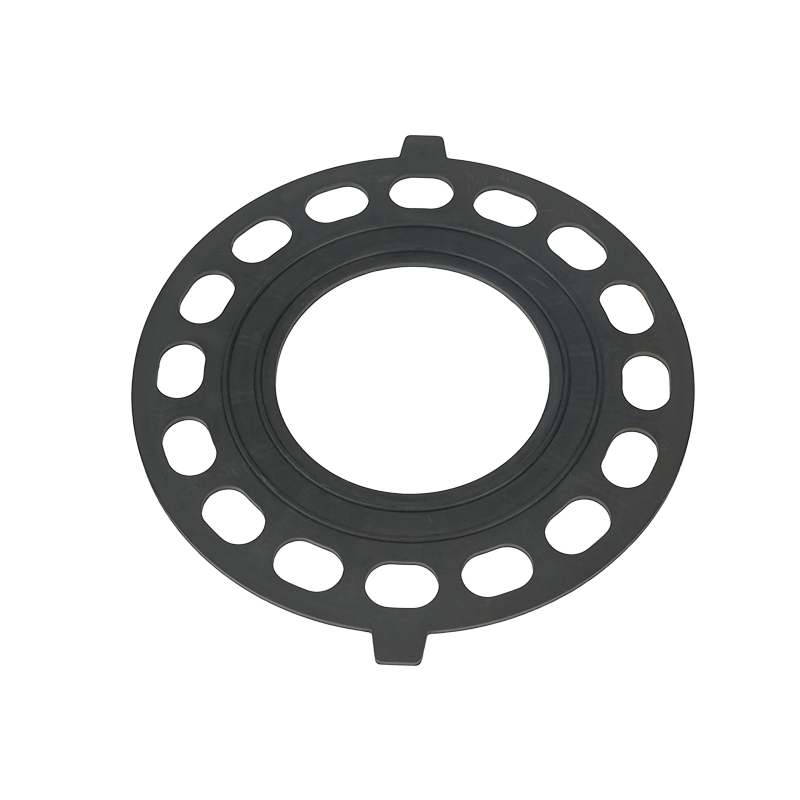
Product Specifications: DN15 (D20), DN20 (D25), DN25 (D32), DN32 (D40), DN40 ...
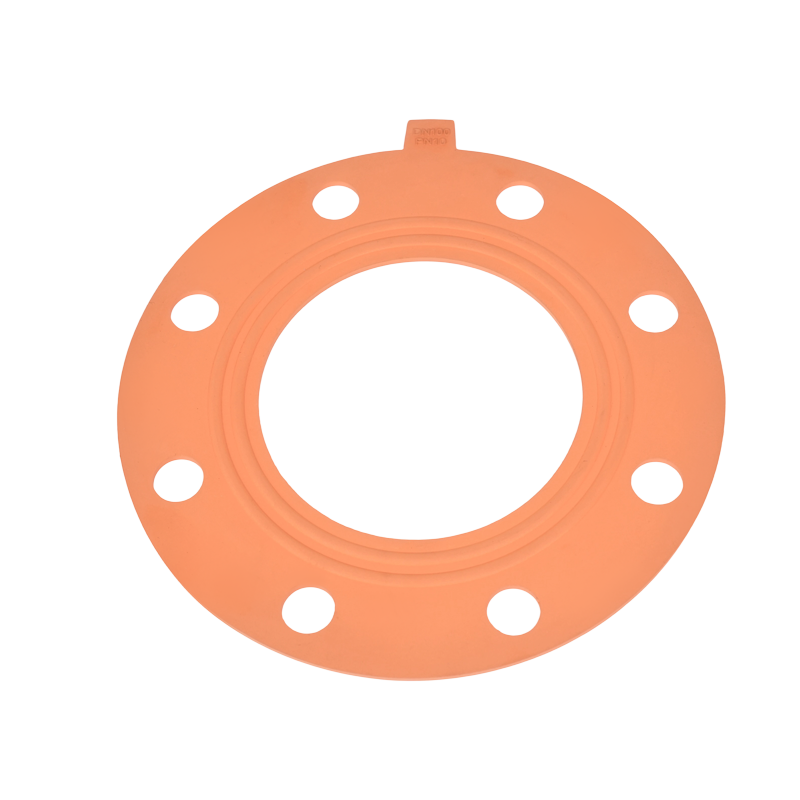
Product Specifications: DN15 (D20), DN20 (D25), DN25 (D32), DN32 (D40), DN40 (D5...
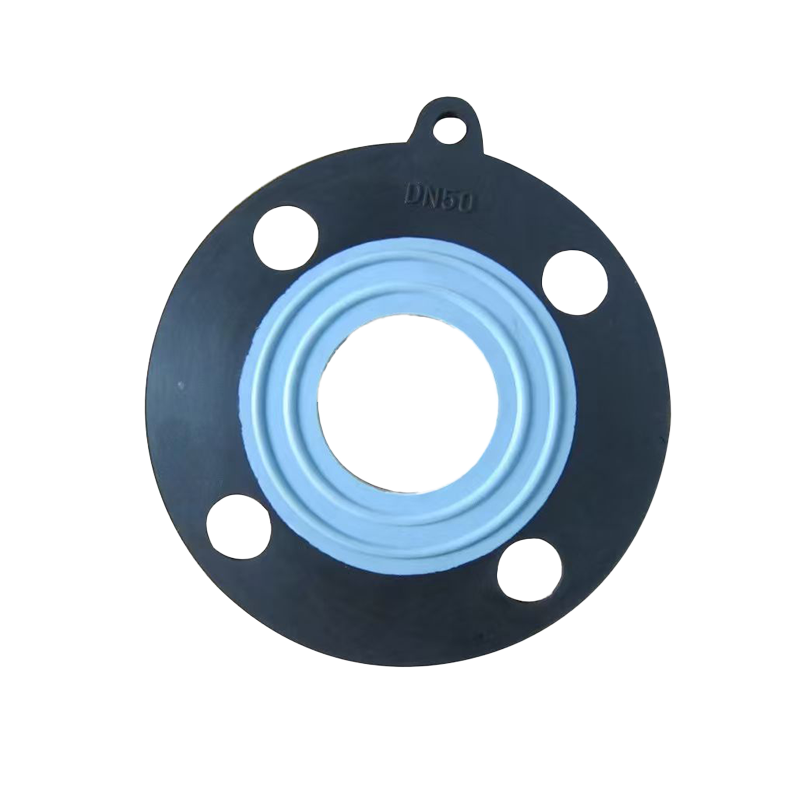
Product Specifications: DN15 (D20), DN20 (D25), DN25 (D32), DN32 (D40), DN40 ...
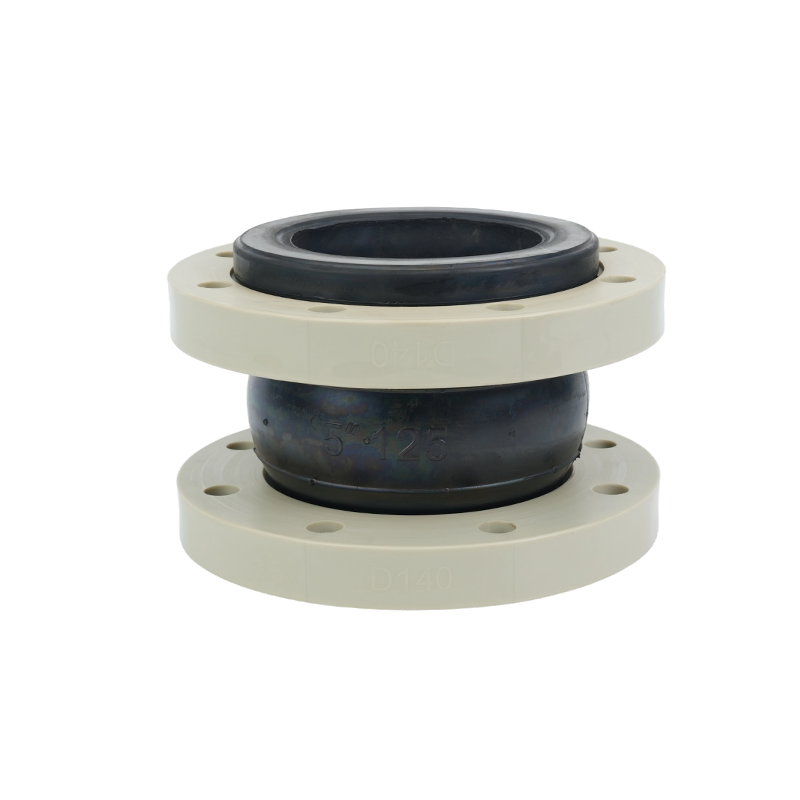
Product Specifications: DN25 (D32), DN32 (D40), DN40 (D50), DN50 (D63), DN65 (D7...
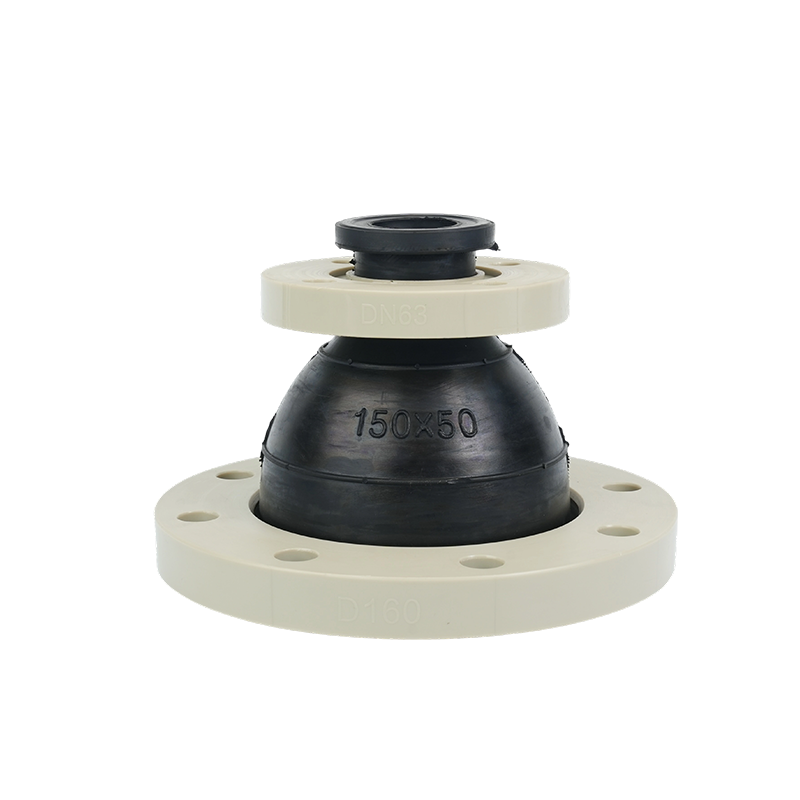
Product Specifications: D40*32, D50*32, D50*40, D63*32, D63*40, D63*50, D75*40, ...
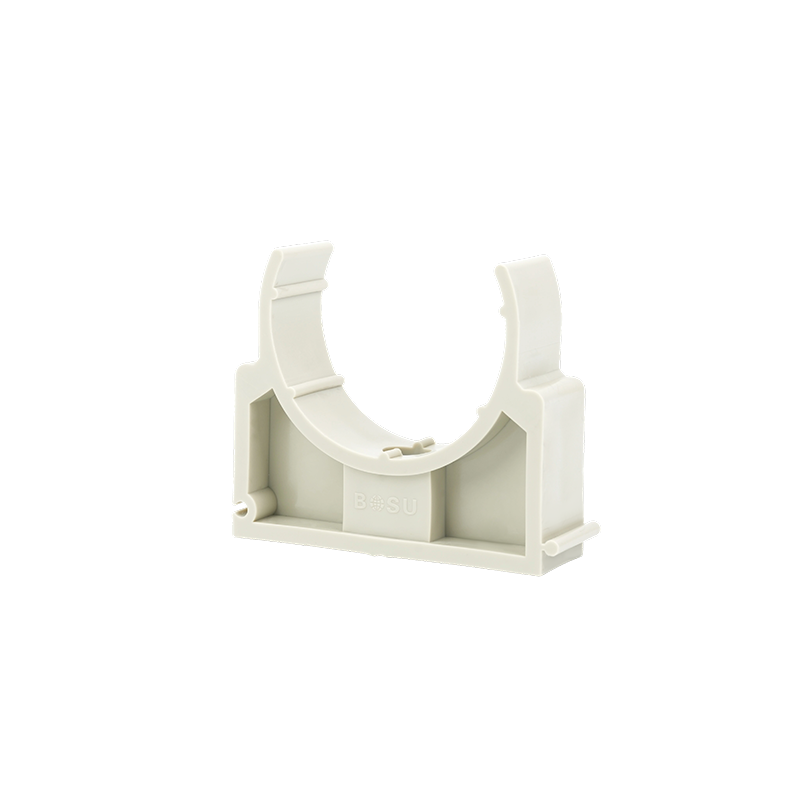
Product Specifications: DN15 (D20), DN20 (D25), DN25 (D32), DN32 (D40), DN40 (D5...
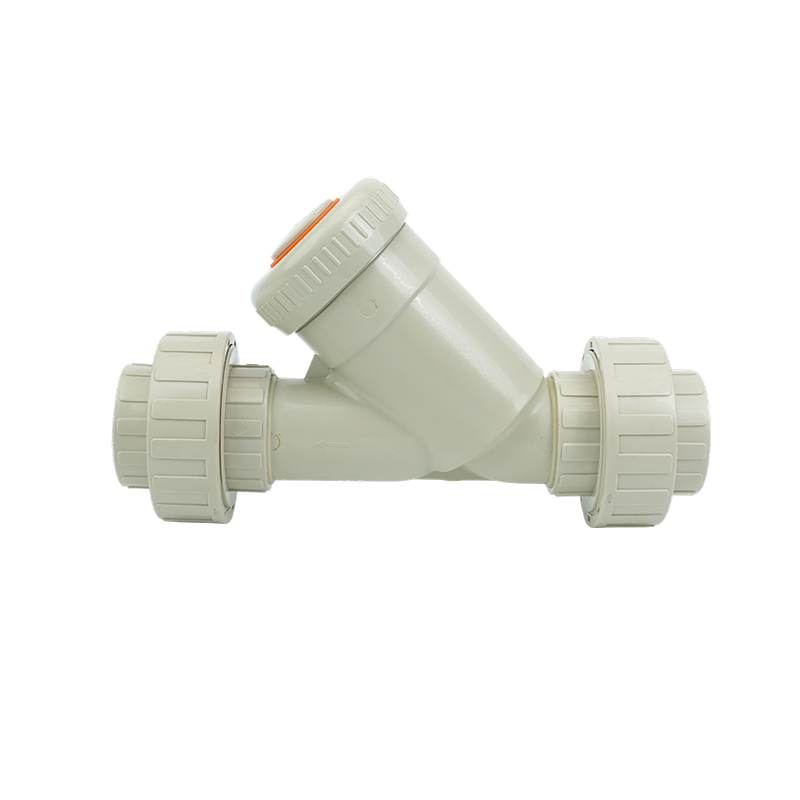
DN15(D20), DN20(D25), DN25(D32), DN32(D40), DN40(D50), DN50(D63), DN65(D75), DN8...

A one-inch hose tail that threads two turns into a pump inlet and then stops is how most hose fitting adapter problems announce themselves. The diameter matches, the label matches, the thread form does not, and no amount of thread tape will close the gap between a parallel G thread and a tapered NPT thread of the same...
View MoreYou just connected a new brass adapter to the outdoor spigot, tightened it snugly, and it still drips. The usual cause is not the washer or the wrench torque: it is a mismatch between thread standards. Most residential plumbing in North America uses tapered National Pipe Thread (NPT), while garden hose fittings use a...
View MoreYou have finished plumbing a 150-gallon reef tank. The return pump is humming, the sump is cycling, and then you spot a small drip beneath the 50mm connector that joins the pump to the pipe. That drip can turn into a soaked stand, a salty film on the floor, and a long evening of rerouting hard-won pipework. A 50mm fis...
View MoreWhat is Auxiliary Material?
1. Definition: Auxiliary material refers to non-core materials added during the production process to facilitate the processing, shaping, performance enhancement, or process optimization of the main material. It is commonly used in the assembly and corrosion protection of industries such as pipelines, valves, and photovoltaic brackets.
2. Function: Auxiliary materials provide auxiliary functions such as sealing, lubrication, corrosion resistance, and insulation, enabling the main product to maintain reliability under high pressure, corrosive, or high-temperature environments.
3. Industry Value: In fields such as solar photovoltaics, semiconductors, chemicals, metallurgy, environmental protection, biochemistry, aquaculture, and pharmaceuticals, auxiliary materials are key technological supports for achieving efficient and long-life systems.
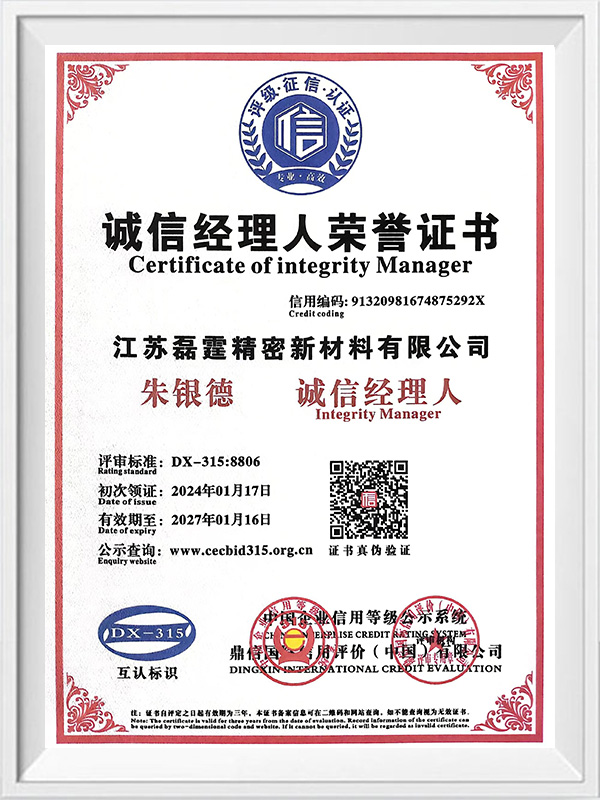
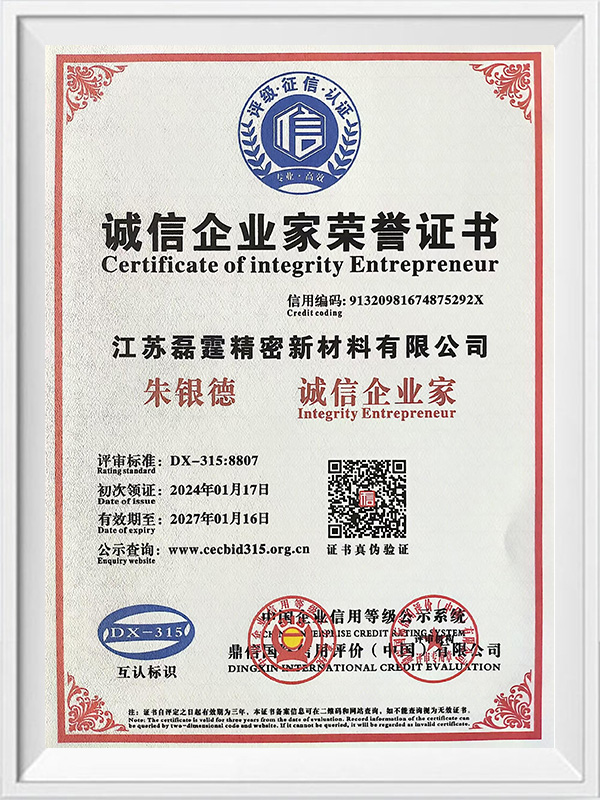
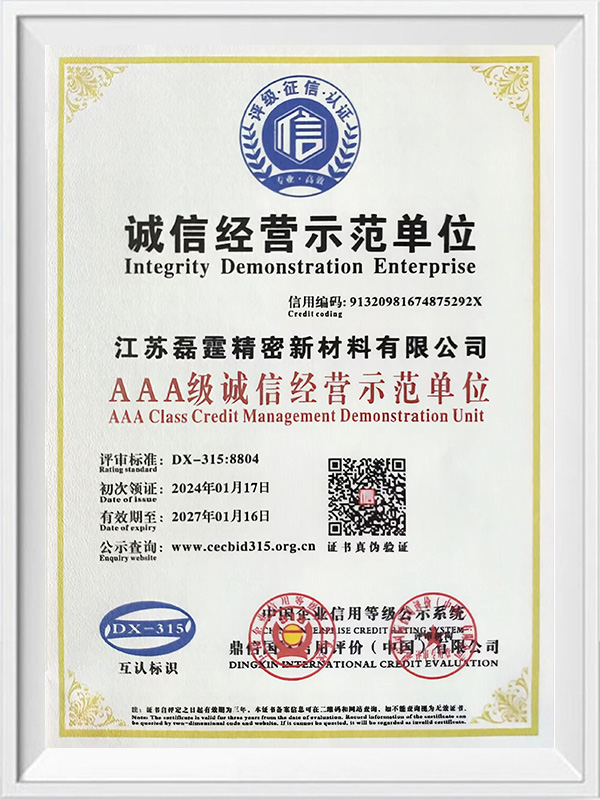
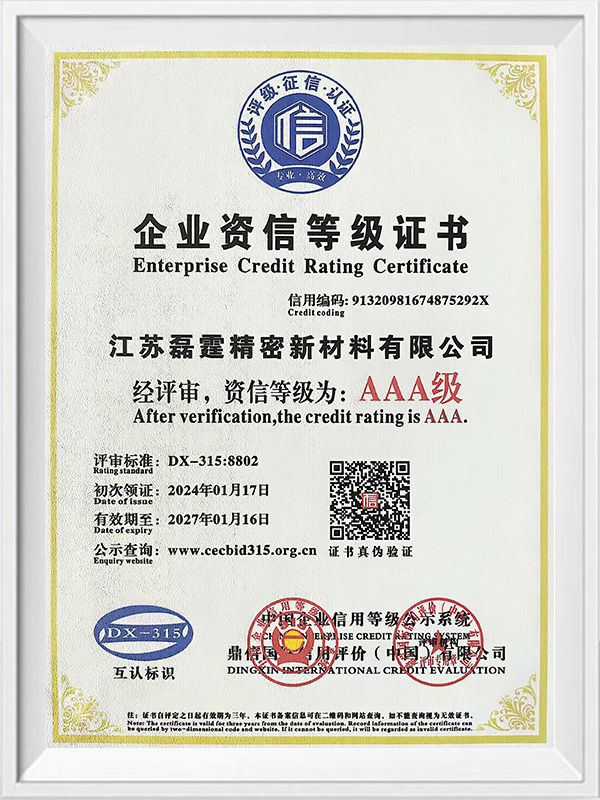
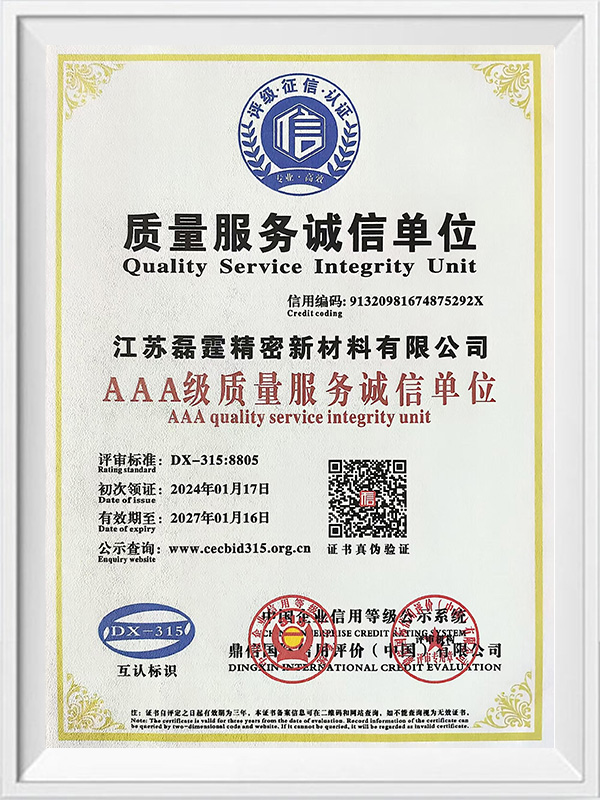
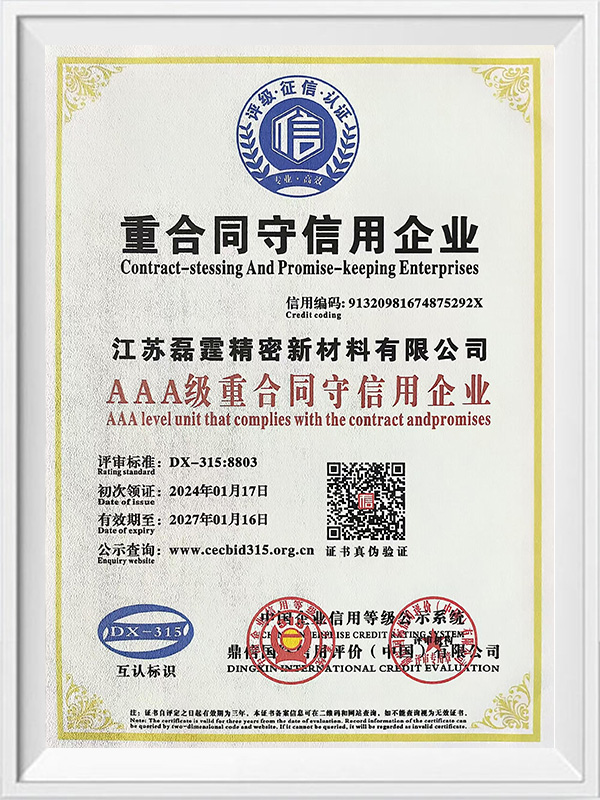
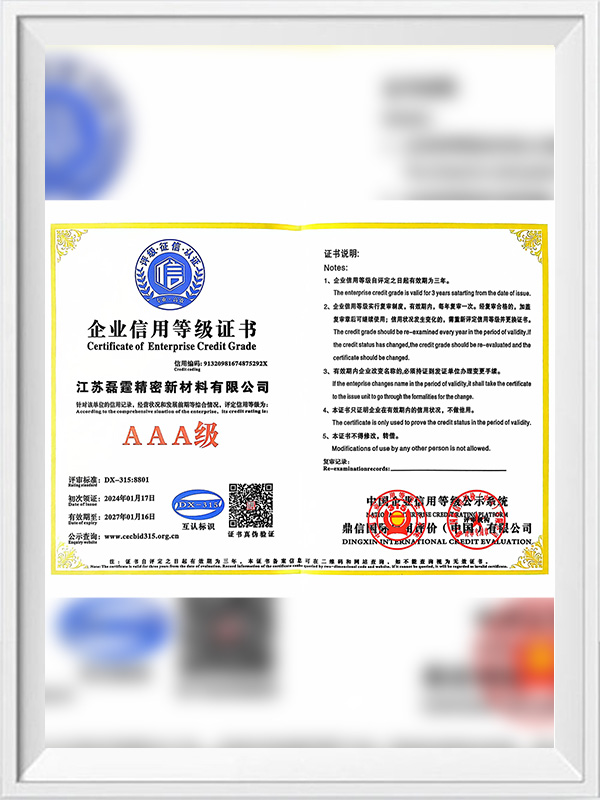
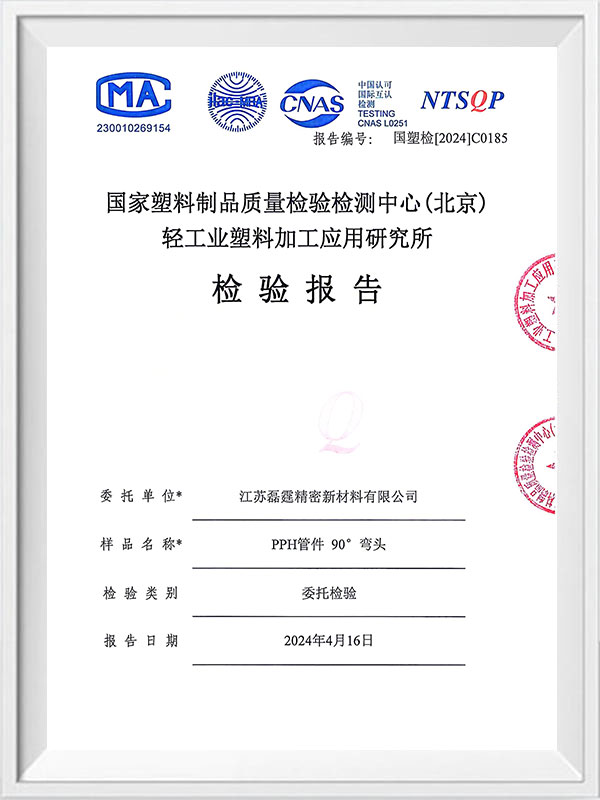
4. Company Advantages: Jiangsu Leiting Precision New Materials Co., Ltd., as a manufacturer of Auxiliary Material Series certified by China Customs, possesses a 19,980㎡ production base and 110 million RMB in fixed asset investment, enabling it to provide one-stop services from R&D to mass production.
Does the auxiliary material alter the physical form of the final product?
1. No Alteration of Main Structure: The auxiliary materials themselves do not bear load-bearing functions; they primarily serve auxiliary, protective, or functional enhancement purposes, thus not altering the product's basic geometry or dimensions.
2. Performance Enhancement: By forming anti-corrosion, sealing, or lubricating layers on the surface of valves, fittings, or pipes, physical properties such as pressure resistance, temperature resistance, and corrosion resistance can be significantly improved.
3. Customization: Based on different industrial needs, Leiting can provide various formulations of auxiliary materials (such as high-temperature resistant polymers and low-friction metal coatings) to achieve targeted functional improvements without affecting the original structure.
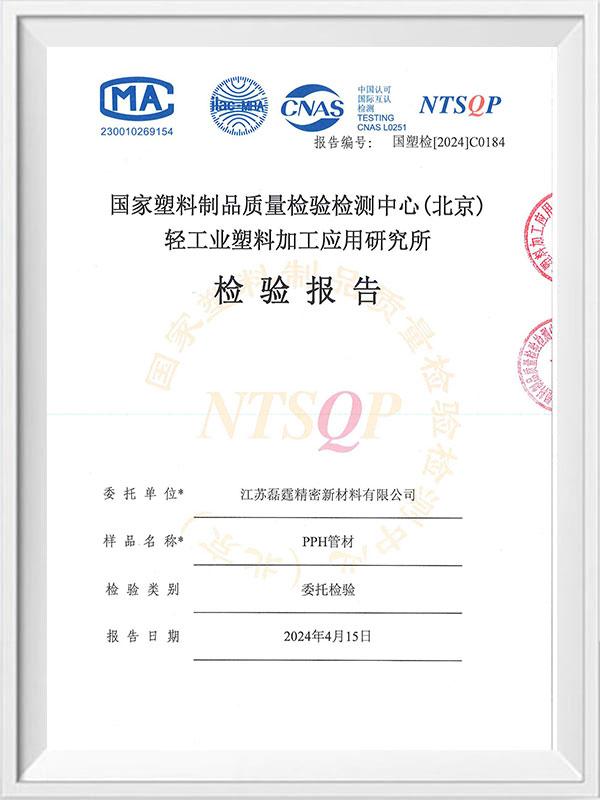
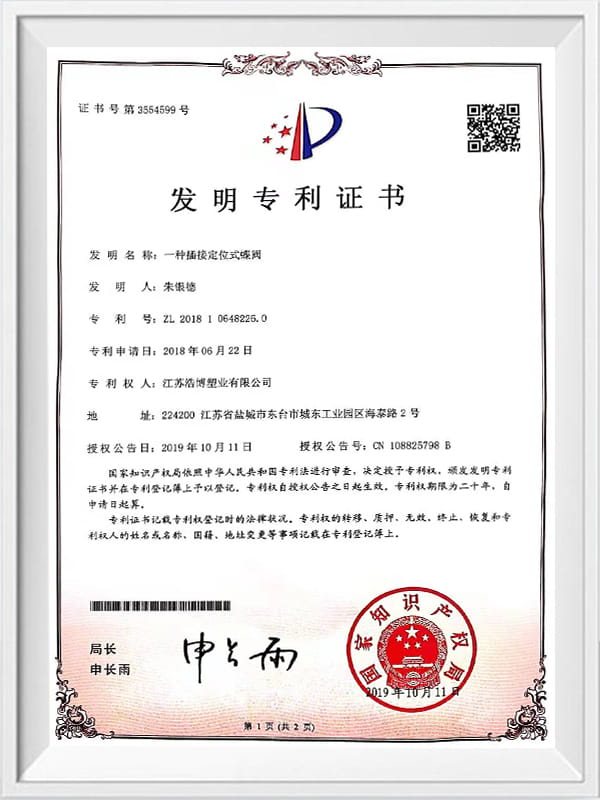
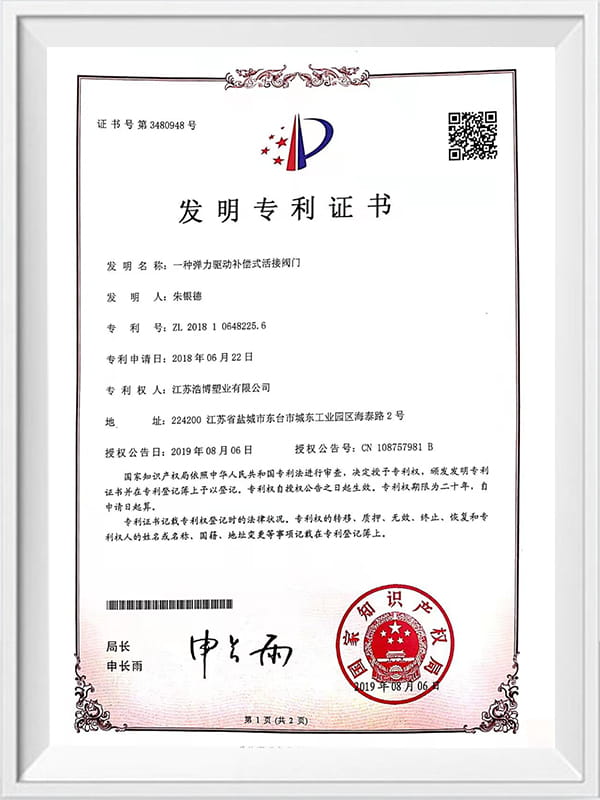
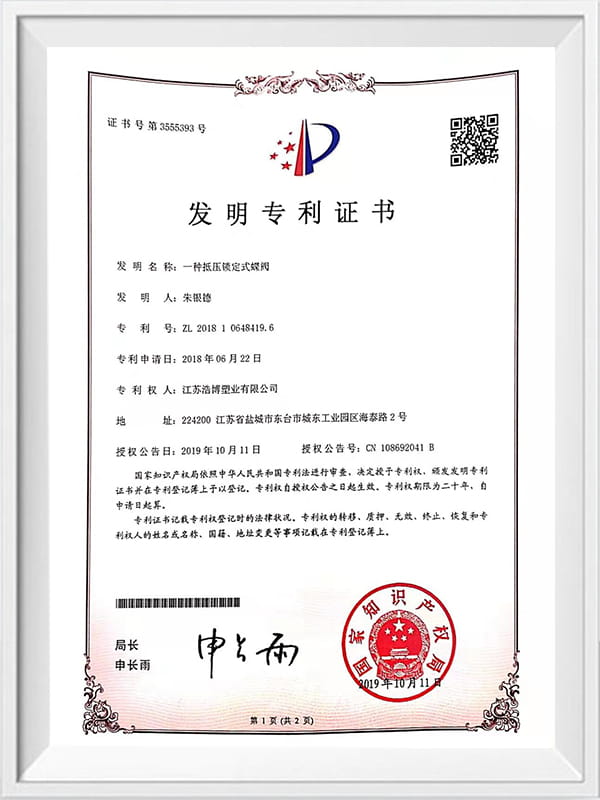
4. Technological Innovation: Adhering to the R&D philosophy of "Technology Creates the Future," the company has accumulated 81 patents (including 36 invention patents), possessing a leading advantage in the microstructural control of auxiliary material formulations.

Products
Company Information
Address: No. 55 Haichuan Road, High-Tech Zone, Dongtai City, Jiangsu Province, China
Mobile: +86 137 7009 5258
Tel: +86-515-85479999
Email: [email protected]
We'd love to hear from you!