 English
 中文简体
中文简体
β--PPH Union Type Foot Valve
Product Features: Goodwater-sealing performance Lightweight material Goodcorros...
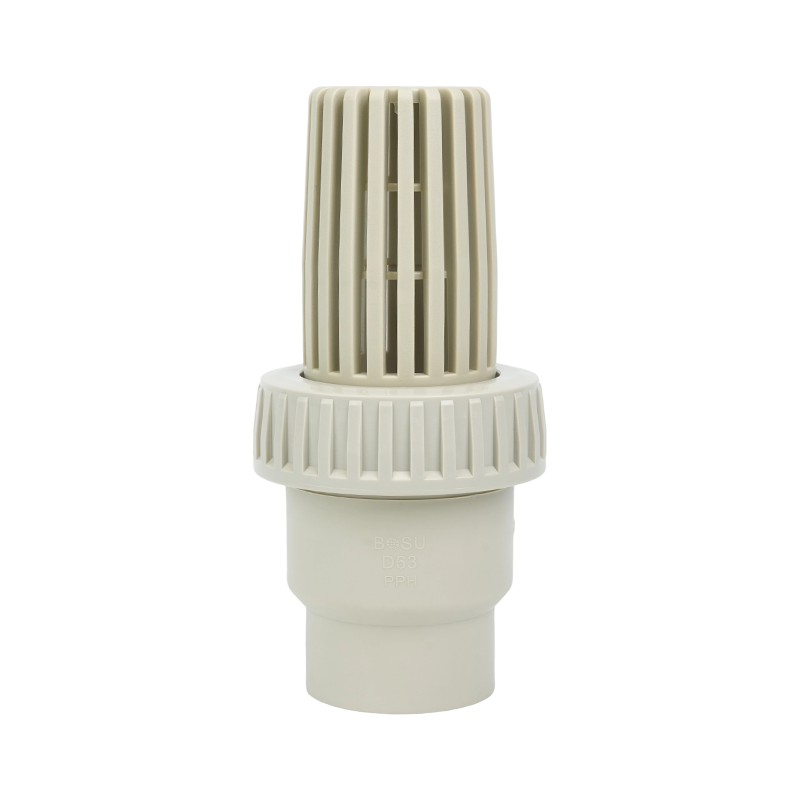
Product Features: Goodwater-sealing performance Lightweight material Goodcorros...

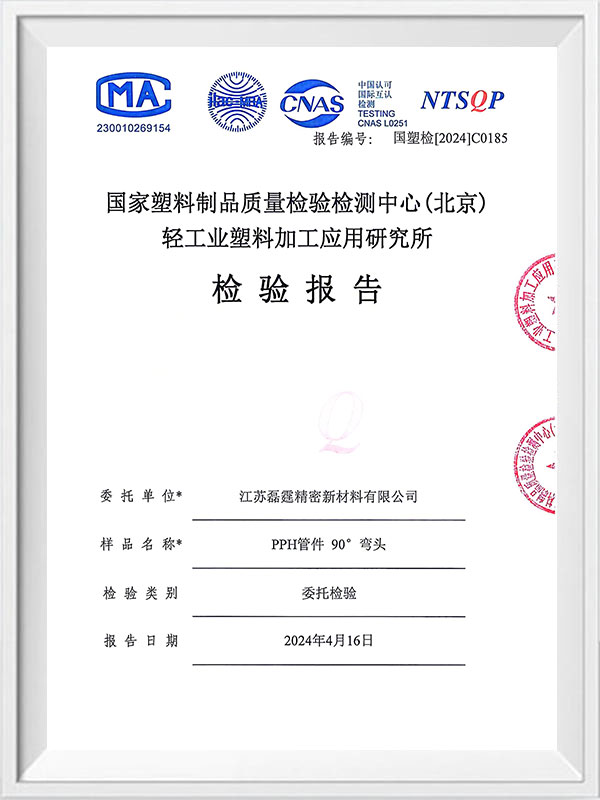
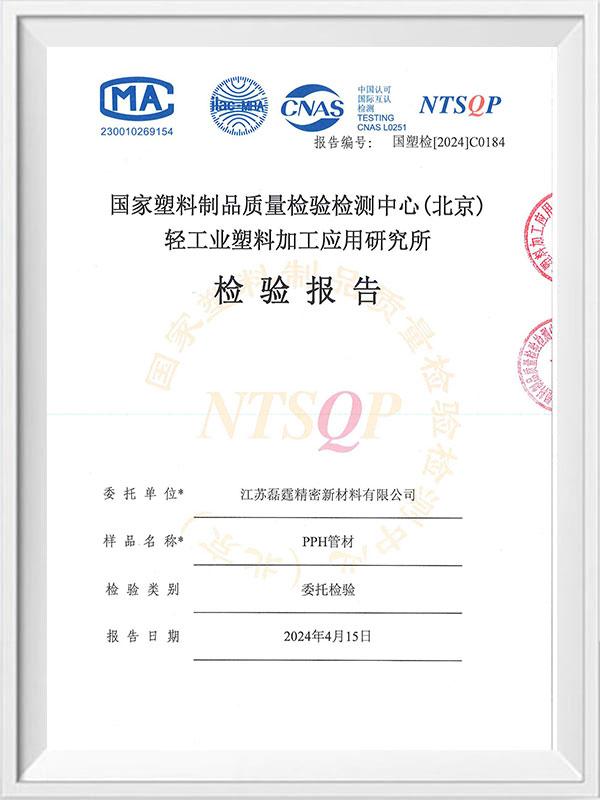
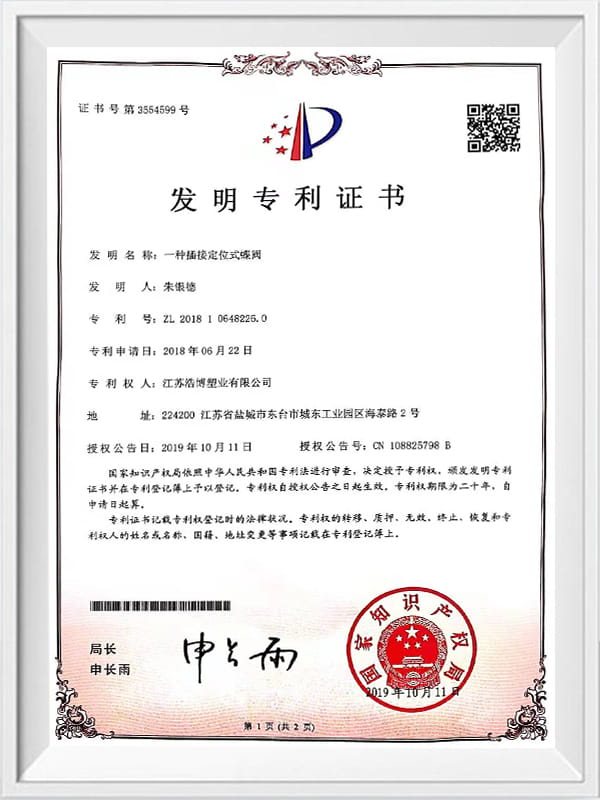
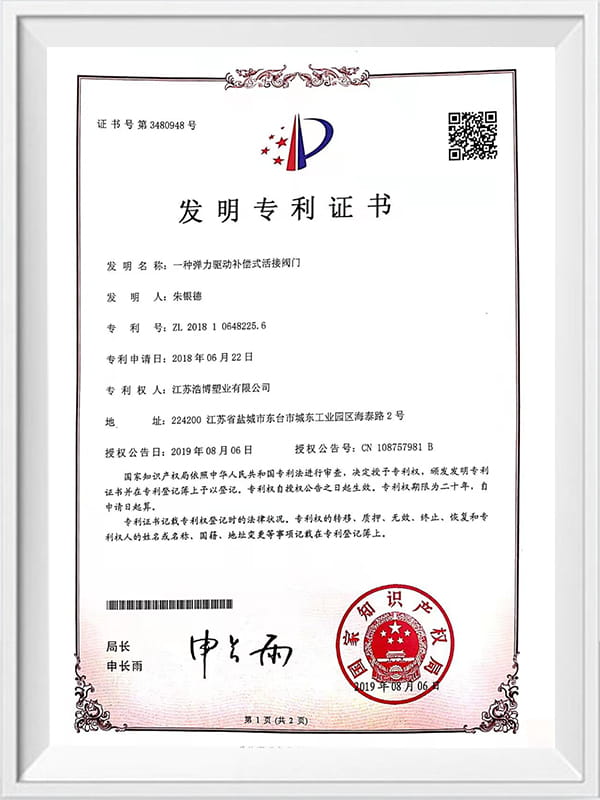
A one-inch hose tail that threads two turns into a pump inlet and then stops is how most hose fitting adapter problems announce themselves. The diameter matches, the label matches, the thread form does not, and no amount of thread tape will close the gap between a parallel G thread and a tapered NPT thread of the same...
View MoreYou just connected a new brass adapter to the outdoor spigot, tightened it snugly, and it still drips. The usual cause is not the washer or the wrench torque: it is a mismatch between thread standards. Most residential plumbing in North America uses tapered National Pipe Thread (NPT), while garden hose fittings use a...
View MoreYou have finished plumbing a 150-gallon reef tank. The return pump is humming, the sump is cycling, and then you spot a small drip beneath the 50mm connector that joins the pump to the pipe. That drip can turn into a soaked stand, a salty film on the floor, and a long evening of rerouting hard-won pipework. A 50mm fis...
View MoreWhat are Foot Valves β-PPH?
1. Basic Concept: Foot valves are self-priming valves installed at the bottom of pipelines, utilizing gravity, and are commonly used for automatic liquid discharge or backflow control. β-PPH is a β-modified homopolymer polypropylene (PPH) material with a uniform and fine crystalline structure, maintaining stability in high-temperature (up to 100℃) and highly corrosive environments.
2. Material Advantages: β-PPH combines the lightweight and chemical resistance of polypropylene with the high hardness and wear resistance resulting from β modification, making the foot valve body less prone to aging and cracking during long-term use.
3. Application Scenarios: Foot valves are widely used in pipeline systems in industries such as chemical, semiconductor, pharmaceutical, and wastewater treatment, and are especially suitable for conveying media requiring high reliability and long service life.
How durable are Foot Valves β-PPH in corrosive media such as those found in chemical, pharmaceutical, and wastewater treatment applications?
1. Chemical Media: The homopolymer structure of β-PPH makes it chemically inert in strong acid and alkali environments, resisting common corrosive solvents and resulting in a significantly longer service life than ordinary PP valve bodies.
2. Pharmaceutical Industry: Pharmaceutical production has extremely high requirements for cleanliness and material safety. The non-toxic and odorless properties of β-PPH meet GMP standards and do not produce harmful degradation products during high-temperature sterilization, ensuring long-term reliable valve operation.
3. Wastewater Treatment: Wastewater often contains corrosive salts and microorganisms. The corrosion resistance and aging resistance of β-PPH allow foot valves to maintain their sealing performance even after thousands of hours of continuous operation, greatly reducing maintenance frequency.
4. Overall Performance: In actual projects in the above three industries, the mean time between failures (MTBF) of Foot Valves β-PPH can reach more than 5 years, far exceeding the service life of traditional metal valves or ordinary plastic valves.

Products
Company Information
Address: No. 55 Haichuan Road, High-Tech Zone, Dongtai City, Jiangsu Province, China
Mobile: +86 137 7009 5258
Tel: +86-515-85479999
Email: [email protected]
We'd love to hear from you!
