 English
 中文简体
中文简体
β--PPH Flanged Ball Core Check Valve
Flange check valve refers to a valve that automatically opens and closes the val...
View MoreContent
In the rapidly evolving landscape of industrial manufacturing and chemical processing, the demand for reliable, efficient, and durable equipment has never been higher. Among the unsung heroes of these industries is a critical component that ensures the smooth flow of liquids and gases: the valve. Specifically, the Flanged Ball Valve made from Beta-Polypropylene Homopolymer (β-PPH) has emerged as a game-changer for engineers and facility managers worldwide.
While industrial hardware might not seem like front-page news to the average person, the technology behind these valves is what keeps our clean water running, our chemical plants safe, and our manufacturing lines efficient. Today, we take a deep dive into why this specific valve is becoming the preferred choice for modern infrastructure.
Before looking at the mechanics of the valve itself, it is essential to understand the material. β-PPH (Beta-Polypropylene Homopolymer) is a specially modified polypropylene that offers superior impact strength and thermal resistance compared to standard PP. In industrial environments where pipes are often subjected to fluctuating temperatures and corrosive chemicals, the material of the valve can be the difference between a decade of service and a catastrophic failure.
Using β-PPH in a flanged design allows for a lightweight yet incredibly robust solution. Unlike traditional metal valves, which are heavy and prone to rust or chemical corrosion, β-PPH is naturally resistant to a wide array of acids, alkalis, and organic solvents. This makes the valve an ideal candidate for chemical processing, water treatment, and even pharmaceutical manufacturing.
The popularity of this specific valve design isn't just about the material; it’s about the clever engineering that makes it user-friendly and highly effective. Here are the standout features that define the β-PPH Flanged Ball Valve:
One of the most significant challenges in piping systems is "pressure drop." When a fluid travels through a valve that has a complex or narrow interior, it loses energy, requiring pumps to work harder. The β-PPH valve features a simple, streamlined internal structure. When fully open, the path through the ball is essentially a straight pipe, allowing for maximum flow with minimal resistance. This efficiency leads to lower energy costs for the entire facility.
In large-scale installations, weight is a major factor. Heavy metal valves require extra support structures and more labor to install. Because β-PPH is a high-performance plastic, these valves are remarkably light. Their compact size allows them to be installed in tight spaces where traditional valves simply wouldn't fit, providing engineers with greater flexibility in system design.
Time is of the essence in industrial operations. This valve is designed for "quarter-turn" operation. This means that a simple 90-degree rotation of the handle is all it takes to go from completely closed to completely open. This speed is vital during emergencies or when frequent adjustments are needed. Furthermore, the design is perfectly suited for automation; it can easily be fitted with pneumatic or electric actuators for remote control from a central command center.
Perhaps the most impressive feat of engineering in this valve is how it protects its own sealing surfaces. In many valve types, the "seat" (the part that creates the seal) is constantly exposed to the rushing fluid, which can cause erosion or a buildup of debris over time.
With the β-PPH Flanged Ball Valve, when the valve is in the fully open or fully closed position, the sealing surfaces of the ball and the seat are tucked away, isolated from the medium. This prevents the "sandblasting" effect of high-velocity fluids, ensuring that the valve maintains a leak-proof seal for much longer than traditional designs.
Industrial systems come in all shapes and sizes, from small laboratory setups to massive municipal water mains. To meet this variety of needs, the β-PPH Flanged Ball Valve is produced in an extensive range of specifications.
The sizing follows standard "DN" (Diameter Nominal) ratings, paired with the corresponding outer diameter (D) of the piping it fits. This standardized approach ensures that no matter the scale of the project, there is a valve ready to fit the slot.
| Nominal Size (DN) | Outer Diameter (D) |
| DN15 | D20 |
| DN25 | D32 |
| DN50 | D63 |
| DN100 | D110 / D125 |
| DN200 | D200 / D225 |
| DN300 | D315 |
Where exactly would you find these valves at work? Their versatility makes them a common sight in several key sectors:
Chemical Processing: Handling aggressive acids and bases that would eat through stainless steel.
Water Treatment Plants: Managing the flow of treated water and chemicals used in purification without risking contamination from rust.
Agriculture: Used in large-scale irrigation systems where durability and ease of maintenance are paramount.
Mining: Handling slurries and process water in environments where equipment is often pushed to its limit.
As industries move toward "Smarter" factories and greener footprints, the components they choose must be sustainable and efficient. The β-PPH Flanged Ball Valve fits this narrative perfectly. Its long lifespan means fewer replacements (reducing waste), its lightweight nature reduces the carbon footprint of shipping and installation, and its low fluid resistance saves significant amounts of electricity over time.
For facility managers, the message is clear: the move away from heavy, high-maintenance metal valves toward high-performance β-PPH solutions is not just a trend—it is a logical evolution. By prioritizing "simple and reliable" over "complex and heavy," these valves are helping to build a more efficient industrial world.
The β-PPH Flanged Ball Valve represents the perfect marriage of advanced material science and practical mechanical engineering. By offering a solution that is easy to install, simple to operate, and built to withstand the harshest environments, it has secured its place as a cornerstone of modern fluid control. Whether it's the quick 90-degree shut-off or the clever protection of the sealing surfaces, every detail of this valve is designed with the end-user in mind.
In an age where reliability is the ultimate currency, the β-PPH valve provides the peace of mind that once it's installed, it will do its job—quietly, efficiently, and for a very long time.
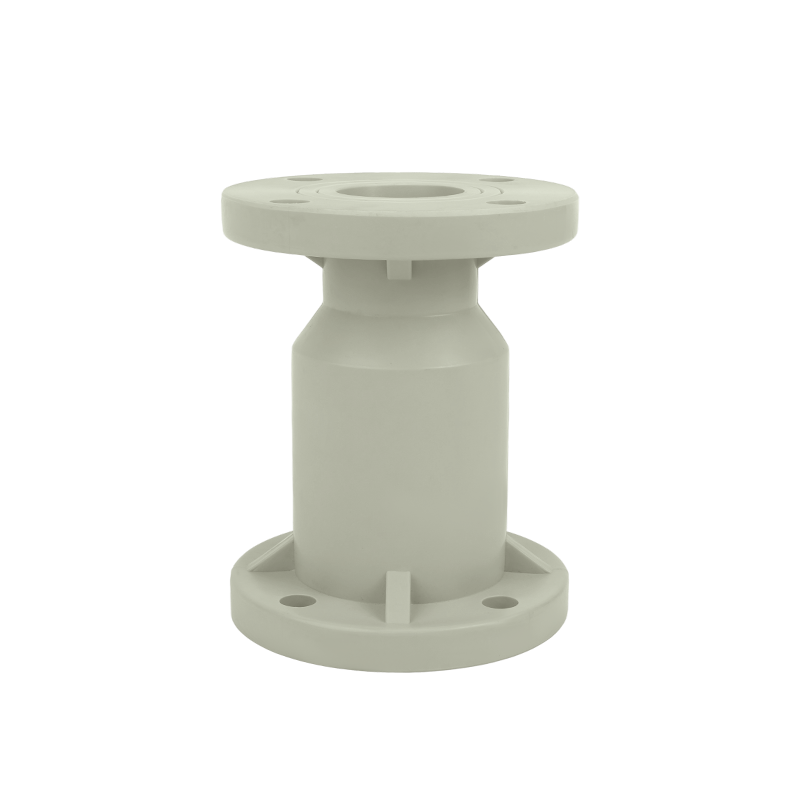
Flange check valve refers to a valve that automatically opens and closes the val...
View More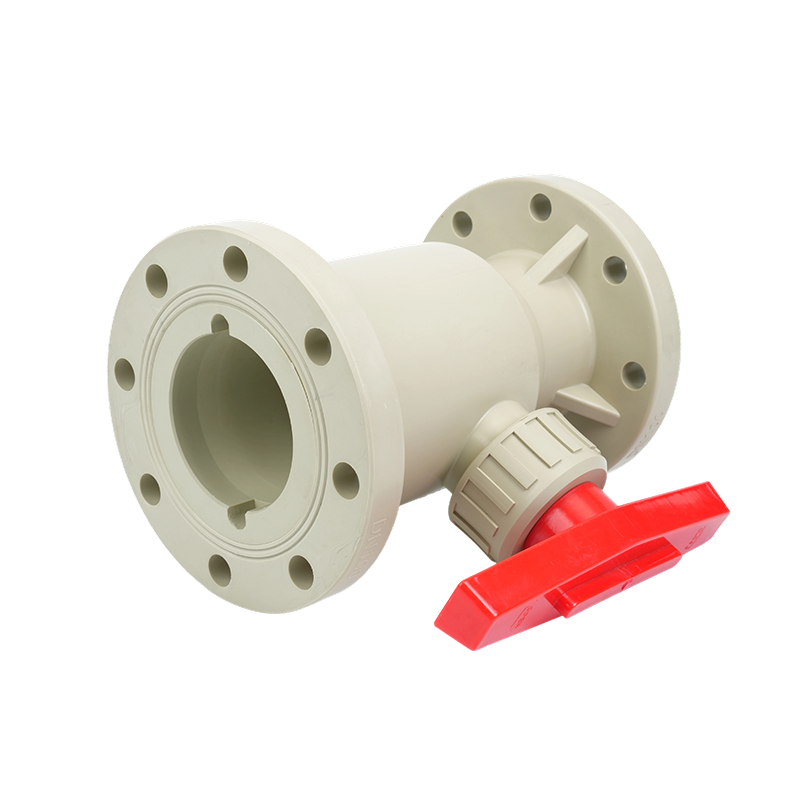
1.Product Features: This valve offers low fluid resistance due to its simple str...
View More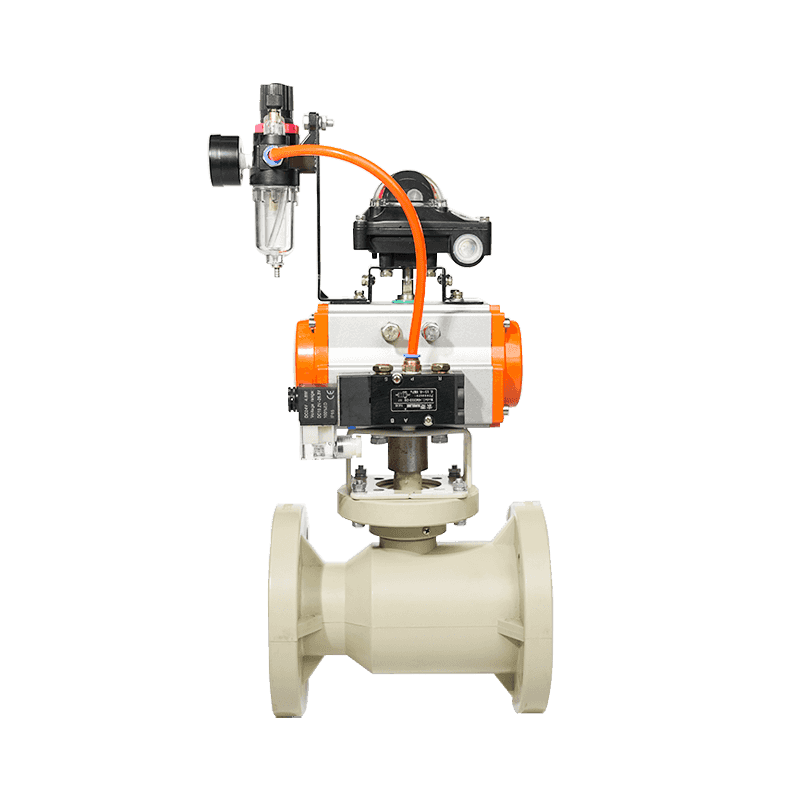
The pneumatic actuator operates at a very high speed, which significantly reduc...
View More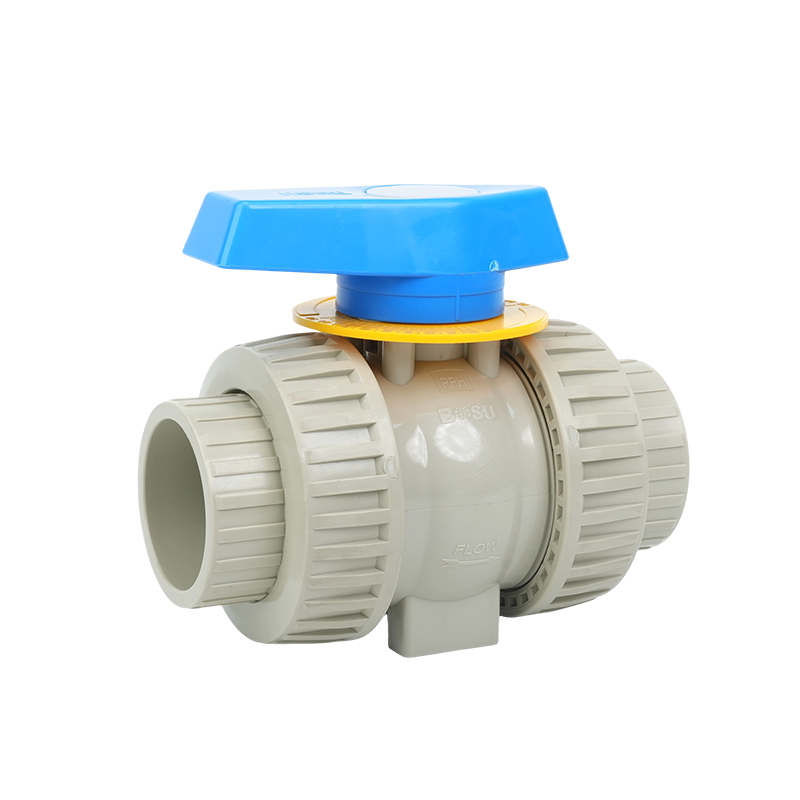
1. Product Features: Personalized handle indication function, install LOGO, medi...
View More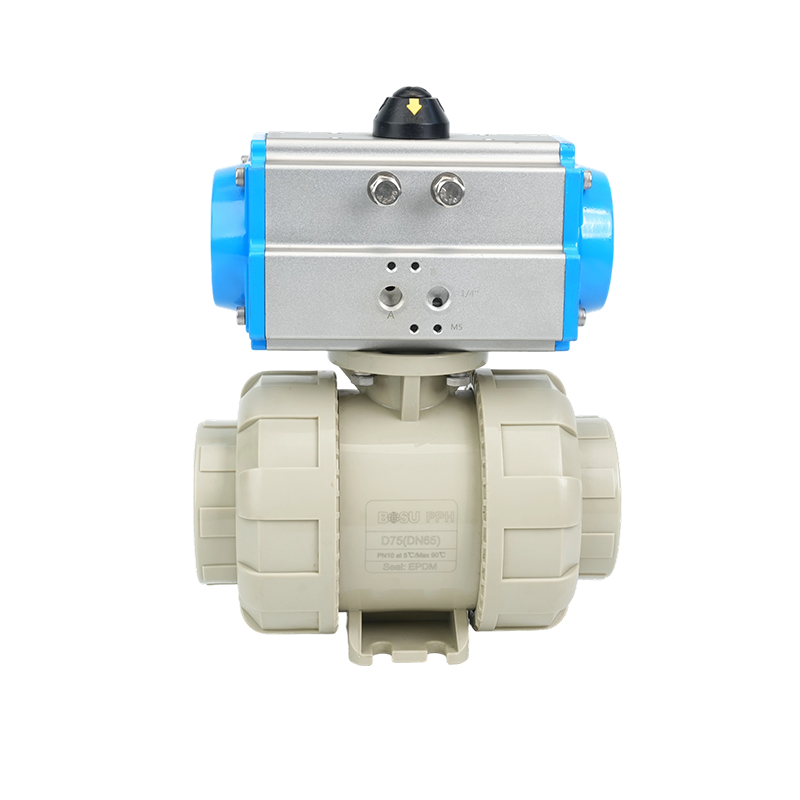
Product Features: This automatic device utilizes compressed air to actuate the ...
View More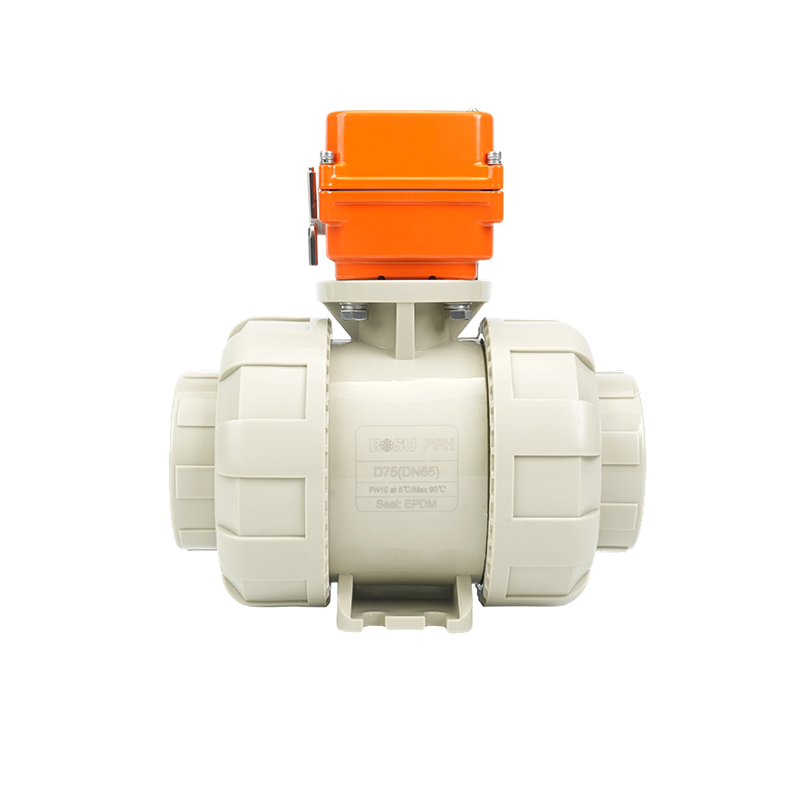
Product Features: Powered by electricity and actuated by an electric actuator, ...
View More
Products
Company Information
Address: No. 55 Haichuan Road, High-Tech Zone, Dongtai City, Jiangsu Province, China
Mobile: +86 137 7009 5258
Tel: +86-515-85479999
Email: [email protected]
We'd love to hear from you!
