 English
 中文简体
中文简体
β-PPH Pipes
Product Specifications: DN15 (D20), DN20 (D25), DN25 (D32), DN32 (D40), DN40 (D5...
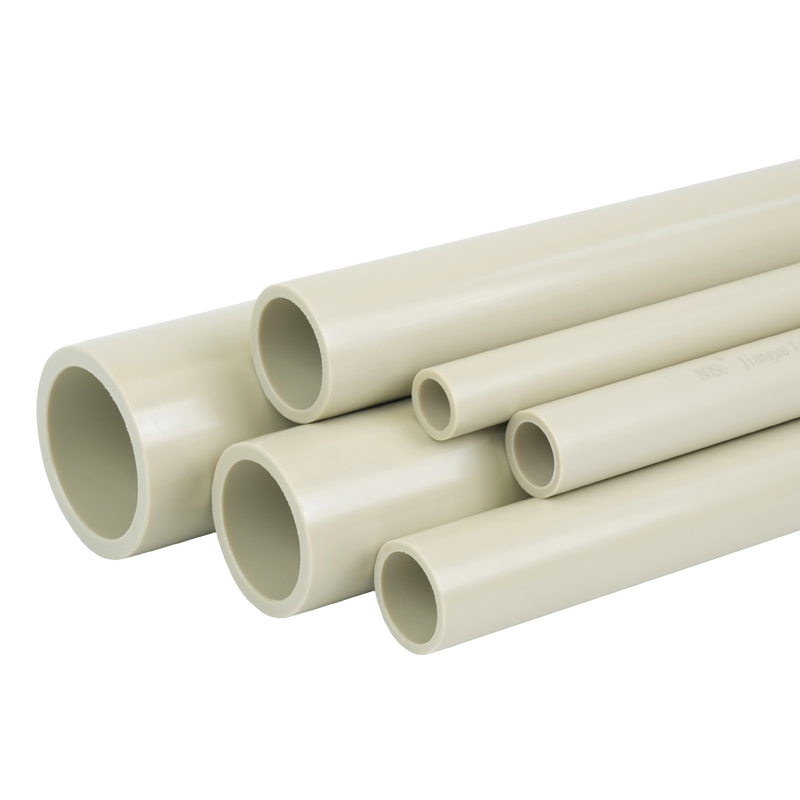
Product Specifications: DN15 (D20), DN20 (D25), DN25 (D32), DN32 (D40), DN40 (D5...
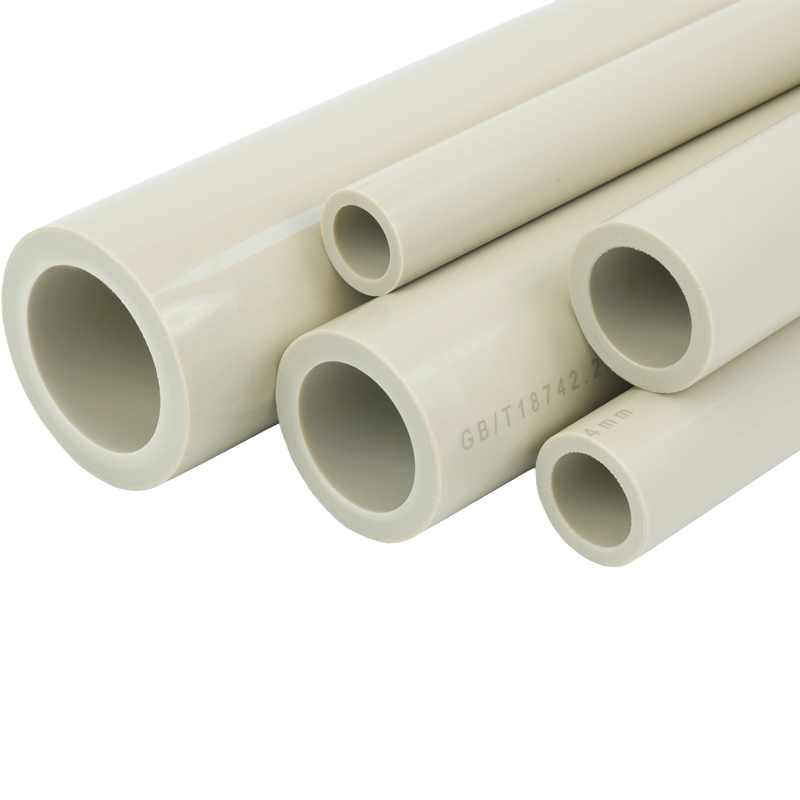
Product Specifications: DN15 (D20), DN20 (D25), DN25 (D32), DN32 (D40), DN40 (D5...

A one-inch hose tail that threads two turns into a pump inlet and then stops is how most hose fitting adapter problems announce themselves. The diameter matches, the label matches, the thread form does not, and no amount of thread tape will close the gap between a parallel G thread and a tapered NPT thread of the same...
View MoreYou just connected a new brass adapter to the outdoor spigot, tightened it snugly, and it still drips. The usual cause is not the washer or the wrench torque: it is a mismatch between thread standards. Most residential plumbing in North America uses tapered National Pipe Thread (NPT), while garden hose fittings use a...
View MoreYou have finished plumbing a 150-gallon reef tank. The return pump is humming, the sump is cycling, and then you spot a small drip beneath the 50mm connector that joins the pump to the pipe. That drip can turn into a soaked stand, a salty film on the floor, and a long evening of rerouting hard-won pipework. A 50mm fis...
View MoreWhat are the main application scenarios for β-PPH Pipes?
1. Photovoltaic and Semiconductor Ultrapure Water Systems – Suitable for ultrapure water transportation in photovoltaic module cleaning and semiconductor production. It can operate long-term at resistivity above 18 MΩ·cm, preventing metal ion contamination.
2. Chemical and Acid/Alkali Media Transportation – Exhibits excellent corrosion resistance in the transportation of highly corrosive media such as steel pickling, waste acid recovery, concentrated sulfuric acid, and sodium hydroxide, significantly reducing the risk of pitting corrosion.
3. Pharmaceutical and Food Pure Water Piping – Meets food-grade and pharmaceutical-grade hygiene standards. The smooth pipe walls are easy to clean, ensuring the safety and purity of the transported liquids.
4. Environmental Protection and Wastewater Treatment – Used for pipelines transporting wastewater, waste acid, and ecological restoration projects, combining chemical stability with low energy consumption.
5. High-Temperature Hot Water and Geothermal Systems – Operates within a wide temperature range of -20℃ to +110℃, meeting the transportation needs of high-temperature fluids such as hot water and geothermal energy.
How are the recyclability and environmental performance of β-PPH Pipes?
1. Recyclable Material – β-PPH belongs to the polypropylene series. Its production process is energy-efficient, and after use, it can be reprocessed through conventional plastic recycling systems, meeting green building material requirements.
2. Low Emissions During Production and Use – Utilizing the β-modification process, the pipes have low maintenance costs throughout their service life, reducing repair and replacement frequency and thus lowering the overall carbon footprint.
3. Non-toxic and Odorless, Meets Food/Pharmaceutical Safety Standards – The material meets food-grade standards, contains no harmful additives, and does not release harmful substances during use, making it suitable for industries with extremely high hygiene requirements.
4. Advantages in Ecological Restoration – In groundwater and soil pollution remediation projects, β-PPH pipes, due to their chemical inertness and durability, can safely transport remediation media for extended periods, improving remediation efficiency and preventing secondary pollution.

Products
Company Information
Address: No. 55 Haichuan Road, High-Tech Zone, Dongtai City, Jiangsu Province, China
Mobile: +86 137 7009 5258
Tel: +86-515-85479999
Email: [email protected]
We'd love to hear from you!
