 English
 中文简体
中文简体
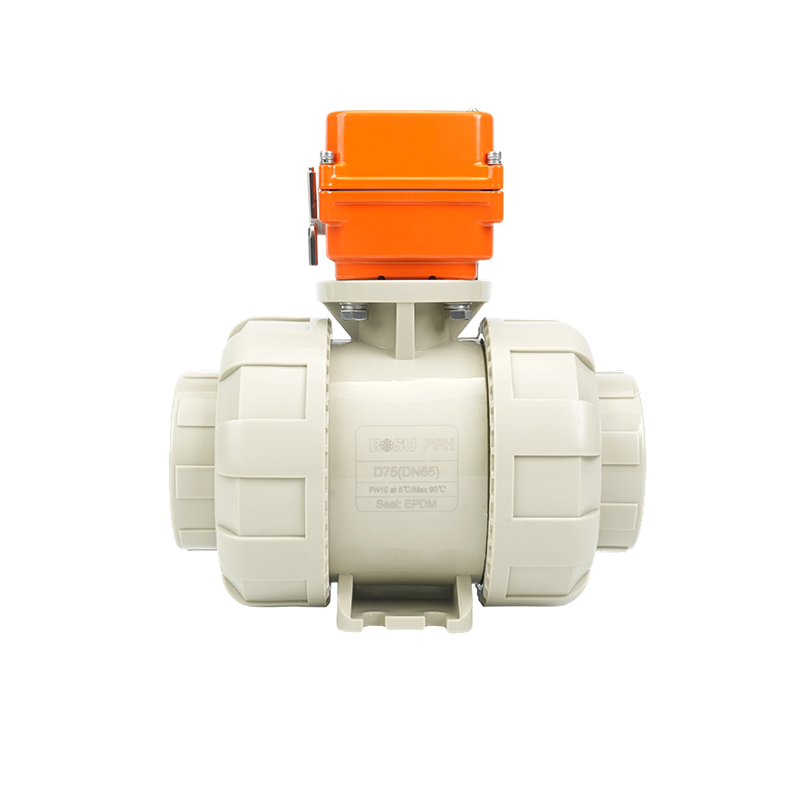
β--PPH Electric Double Union Ball Valve
Product Features: Powered by electricity and actuated by an electric actuator, ...
View MoreContent
The landscape of modern industrial automation is shifting toward smarter, faster, and more reliable components. At the heart of this transformation lies the humble but essential valve—a component that ensures the steady flow of liquids and gases across miles of piping. Among the most significant advancements in this field is the widespread adoption of the Electric Double Union Ball Valve, a solution that combines robust material science with high-precision electrical actuation.
As industries strive for higher efficiency and lower maintenance costs, the transition from manual or pneumatic systems to electric actuation has become a defining trend. This shift is not merely about convenience; it is about the integration of fluid control into the broader digital infrastructure of the modern factory.
For decades, many industrial facilities relied on manual levers or pneumatic (air-powered) systems to open and close valves. While effective, these methods have limitations. Manual valves require human intervention, which is slow and prone to error. Pneumatic systems, while fast, require complex air compressor networks, tubing, and constant maintenance to prevent leaks.
The electric ball valve addresses these challenges head-on. By using an electric actuator, the valve can be controlled remotely via a central control room or an automated sensor system. This allows for:
Precision Control: Electric actuators provide consistent torque and speed, ensuring the valve opens or closes exactly when needed.
Energy Efficiency: Unlike pneumatic systems that require a constantly running compressor, electric valves only consume significant power during the actual movement of the valve.
Simplified Infrastructure: Wiring is often easier and cheaper to install and maintain than high-pressure air lines.
The "Double Union" design is a specific engineering feature that makes these valves particularly popular in the chemical, water treatment, and food processing industries. A union is a type of fitting that allows the valve body to be removed from the pipeline without cutting the pipe.
In a "Double Union" configuration, there are union fittings on both ends of the valve. This means that if the valve needs cleaning, seal replacement, or maintenance, a technician can simply unscrew the ends and lift the valve out. This minimizes downtime—a critical factor in any industrial setting where every minute of a line being "down" translates to lost revenue.
The choice of material is just as important as the method of actuation. $\beta$-PPH (Beta-Polypropylene Homopolymer) is a high-performance thermoplastic known for its exceptional chemical resistance and thermal stability.
Unlike standard polypropylene, the "Beta" crystalline structure provides enhanced impact strength and improved resistance to high temperatures. This makes the $\beta$-PPH Electric Double Union Ball Valve an ideal candidate for "general industrial applications." Whether it is handling treated water, acidic cooling fluids, or industrial waste, this material ensures the valve does not corrode or degrade over time, maintaining the purity of the fluid and the integrity of the system.
One of the standout features of this specific valve line is its applicability in "instrument air source systems." In many high-tech environments, compressed air is used to power sensitive laboratory instruments. These systems require "rapid operation" and high reliability to protect expensive equipment. The electric actuator’s ability to toggle states quickly ensures that these air sources are managed with the necessary speed.
One of the most daunting tasks in facility management is the installation of new hardware. Complex systems often require specialized tools or lengthy training sessions for staff. However, the modern electric ball valve is designed with the end-user in mind.
The installation process is streamlined:
Mechanical Connection: The double union ends allow for a secure, leak-proof fit to standard piping.
Electrical Setup: Most actuators are designed for "plug and play" or simple wiring configurations that integrate easily into existing power grids.
User-Friendly Operation: Once installed, the valve can be operated with the push of a button or through a pre-programmed logic controller (PLC).
Industries are not "one size fits all." A small laboratory might only need a 15mm pipe, while a large-scale manufacturing plant might require 100mm lines. To meet this diversity of need, the product line covers a wide spectrum of specifications, ensuring compatibility across various scales:
| Nominal Diameter (DN) | Outer Diameter (D) | Typical Use Case |
| DN15 | D20 | Small-scale instrumentation and pilot plants. |
| DN25 | D32 | Secondary branch lines in water treatment. |
| DN50 | D63 | Main transport lines for industrial fluids. |
| DN100 | D110 | Large-volume flow for cooling or waste systems. |
By offering sizes ranging from DN15 to DN100, manufacturers ensure that engineers can specify the exact valve needed for their specific flow rate and pressure requirements without having to resort to adapters or mismatched components.
It is important to note that these valves are designed for "non-hazardous environments." In the world of industrial safety, this typically refers to areas where there is no immediate risk of explosive gases or highly volatile combustible dust.
By focusing on these "general industrial applications," the design can prioritize cost-effectiveness and ease of use. It provides a robust solution for the vast majority of factory floors, warehouses, and utility rooms where reliable fluid control is needed but the extreme (and expensive) protections of "explosion-proof" hardware are unnecessary. This makes it an economically sensible choice for businesses looking to modernize their infrastructure without overspending on over-engineered solutions.
The integration of the Electric Double Union Ball Valve is a stepping stone toward the "Smart Factory" or Industry 4.0. When valves are electrically actuated, they can be connected to the Internet of Things (IoT).
Imagine a system where a sensor detects a small leak or a drop in pressure downstream. In a traditional setup, a worker would have to find the leak, walk to the manual valve, and shut it off. In a smart setup, the sensor communicates directly with the electric valve, which closes automatically in milliseconds, preventing fluid loss and potential damage.
Furthermore, the data from these valves can be tracked. Management can see exactly how many times a valve has cycled, allowing for "predictive maintenance." Instead of waiting for a valve to fail, the system can alert the maintenance team when it is nearing the end of its expected life cycle based on actual usage data.
As we look toward the future of industrial design, the focus is clearly on reliability, speed, and simplicity. The $\beta$-PPH Electric Double Union Ball Valve embodies these principles. It strips away the complexity of traditional fluid control and replaces it with a streamlined, efficient, and easy-to-maintain system.
For facility managers and system engineers, the message is clear: the right components do more than just move fluid—they provide peace of mind. With its durable $\beta$-PPH construction, rapid electric actuation, and the maintenance-friendly double union design, this valve is set to remain a staple of industrial infrastructure for years to come.
Whether you are upgrading an existing instrument air system or designing a brand-new production line, choosing components that balance advanced technology with user-friendly operation is the key to long-term success.
Product Features: Powered by electricity and actuated by an electric actuator, ...
View More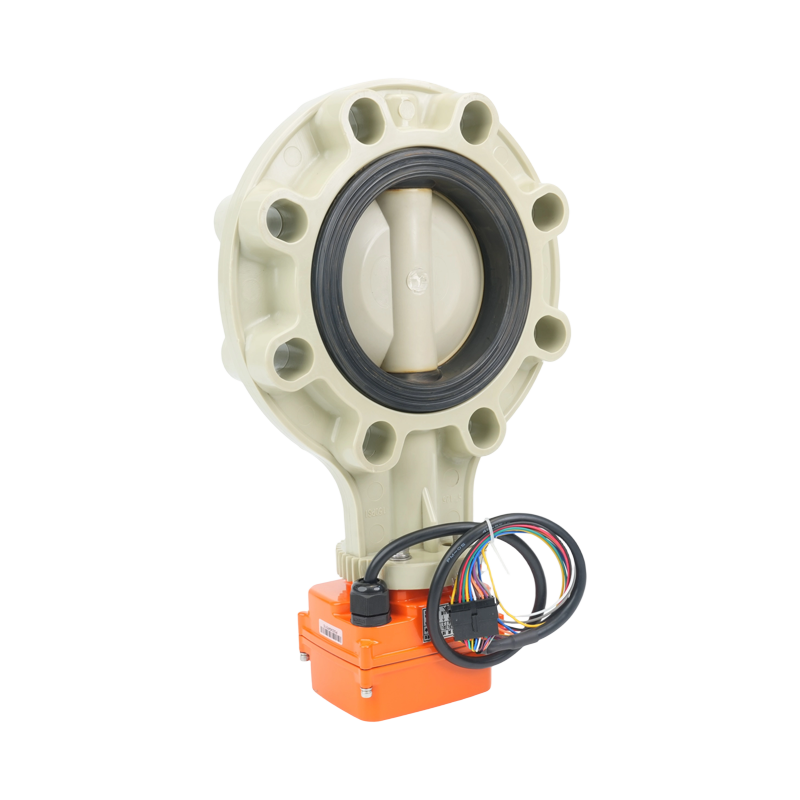
The electric butterfly valve uses electricity as the driving force, consisting o...
View More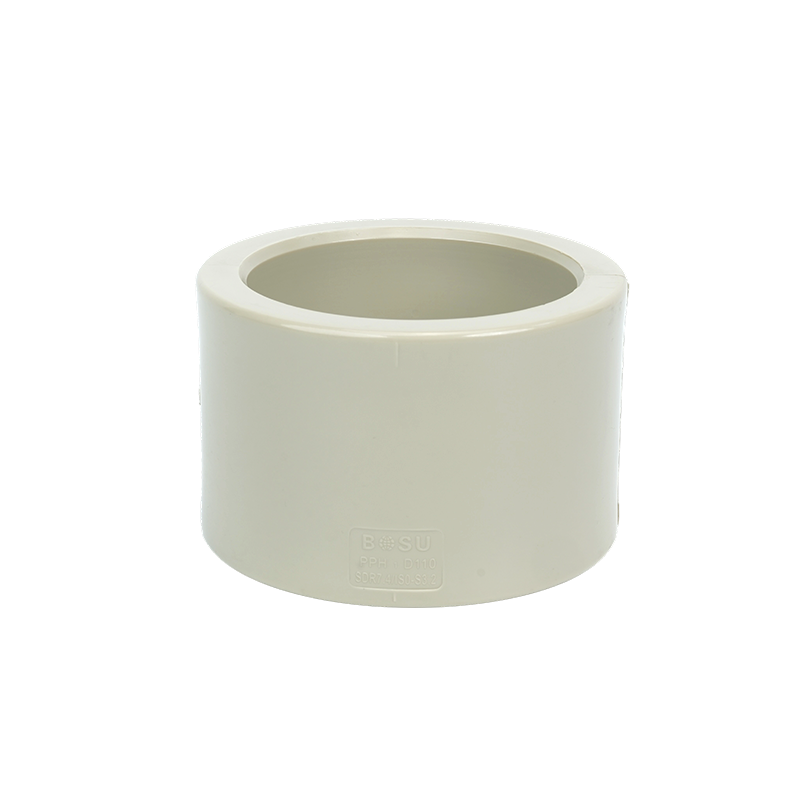
Used in piping systems requiring plain end connections. Specifications: DN15(D20...
View More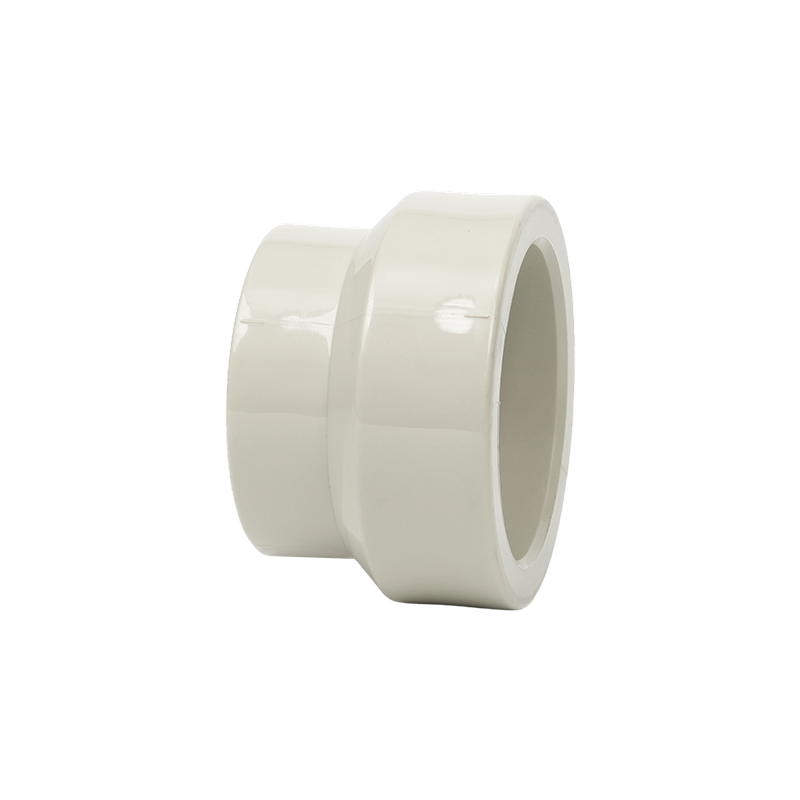
This fitting is designed to reduce flow disturbance during diameter transitions...
View More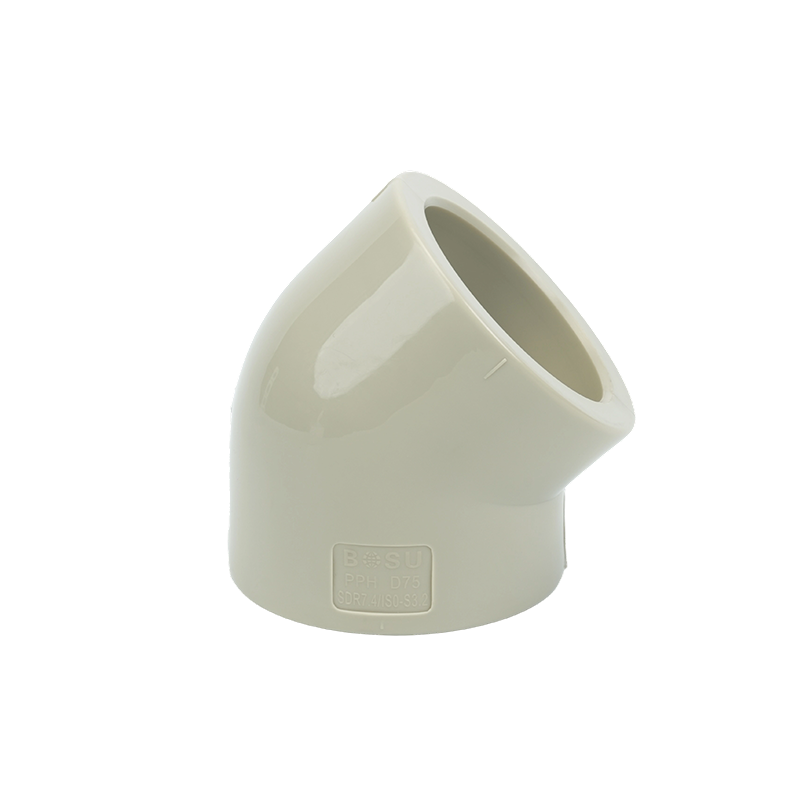
1.This fitting is used to change the direction of a pipeline at a 45-degree ang...
View More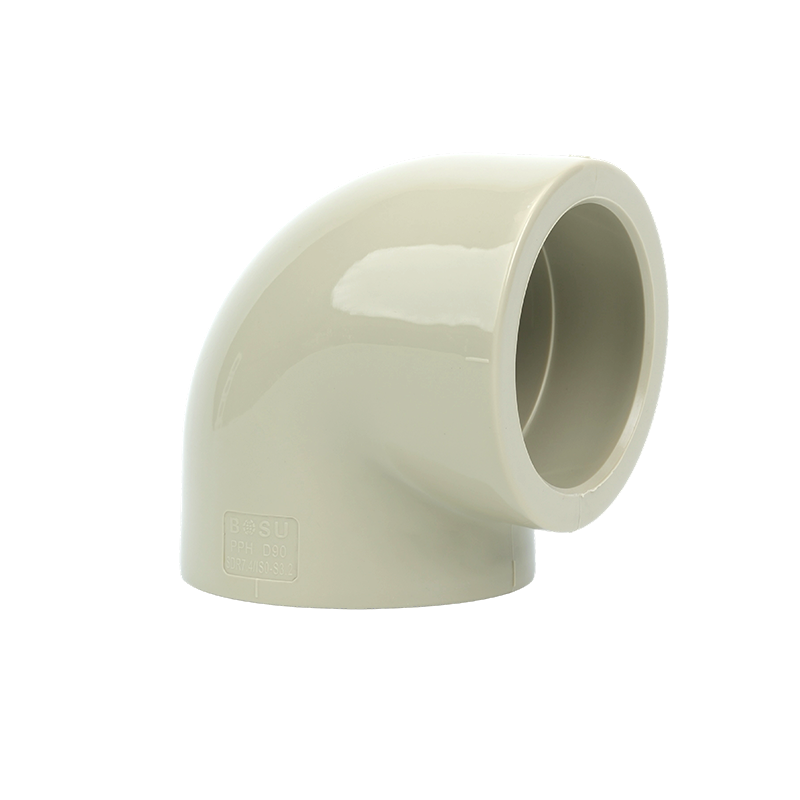
1. This fitting is designed for 90-degree directional changes in pipelines and i...
View More
Products
Company Information
Address: No. 55 Haichuan Road, High-Tech Zone, Dongtai City, Jiangsu Province, China
Mobile: +86 137 7009 5258
Tel: +86-515-85479999
Email: [email protected]
We'd love to hear from you!
