 English
 中文简体
中文简体
β--PPH Double Union Ball Valve
1. Product Features: Personalized handle indication function, install LOGO, medi...
There are several types of ball valves: manual, electric, pneumatic and single and double, which take different ways according to different application scenarios.
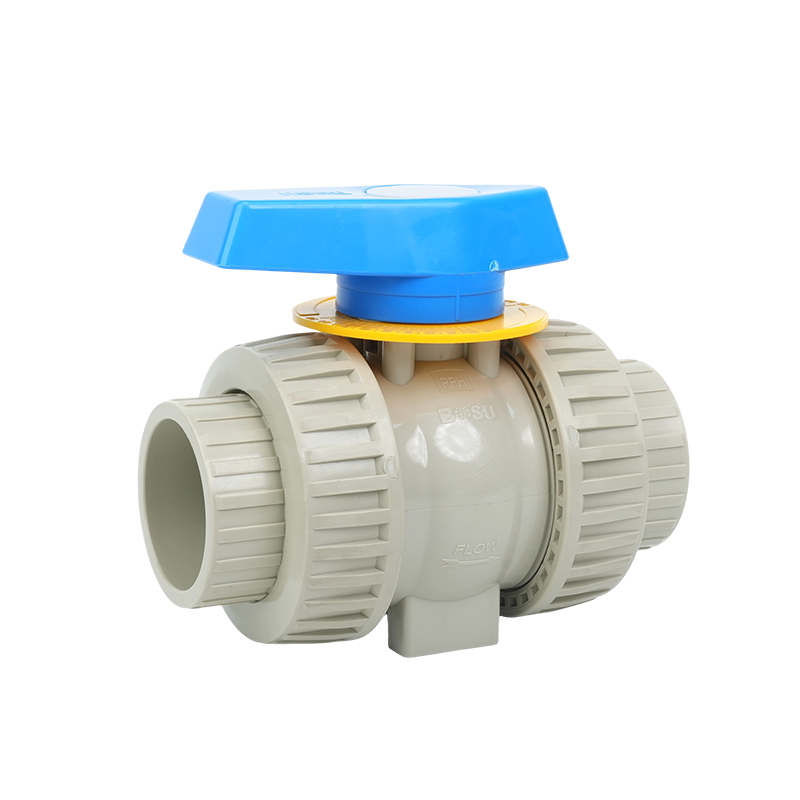
1. Product Features: Personalized handle indication function, install LOGO, medi...
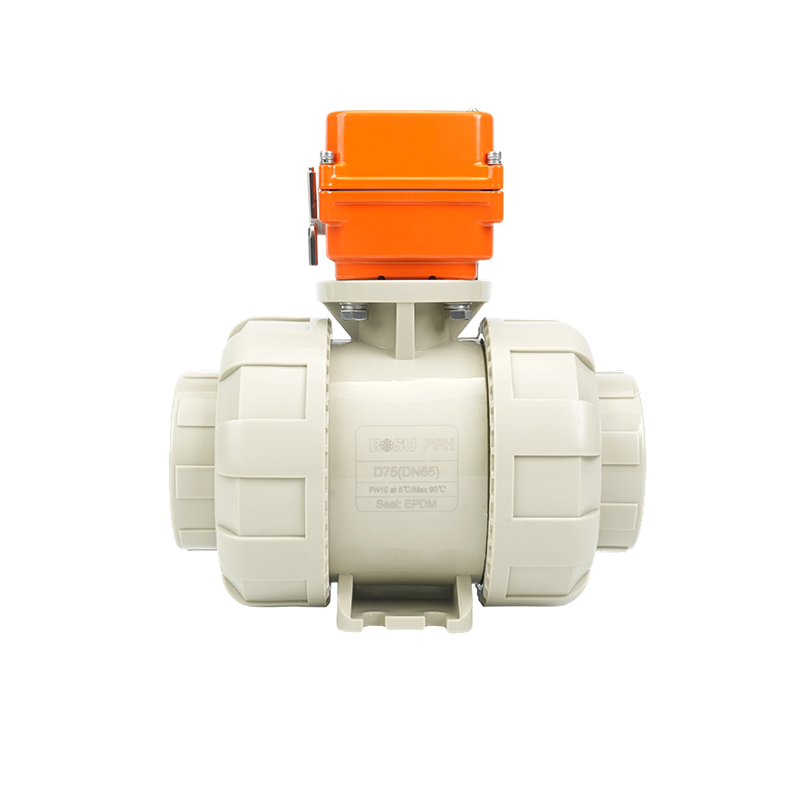
Product Features: Powered by electricity and actuated by an electric actuator, ...
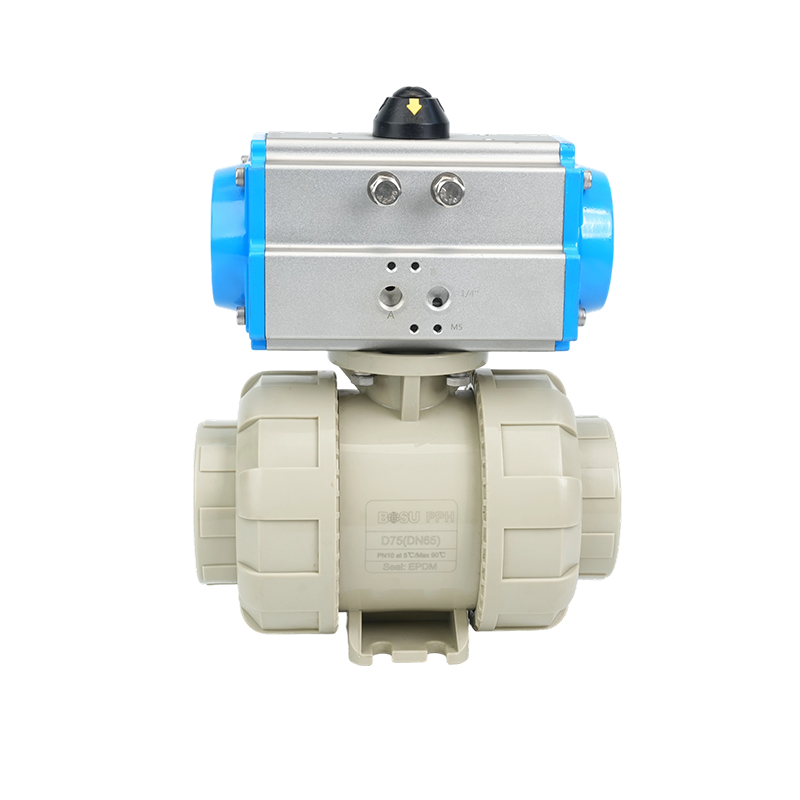
Product Features: This automatic device utilizes compressed air to actuate the ...
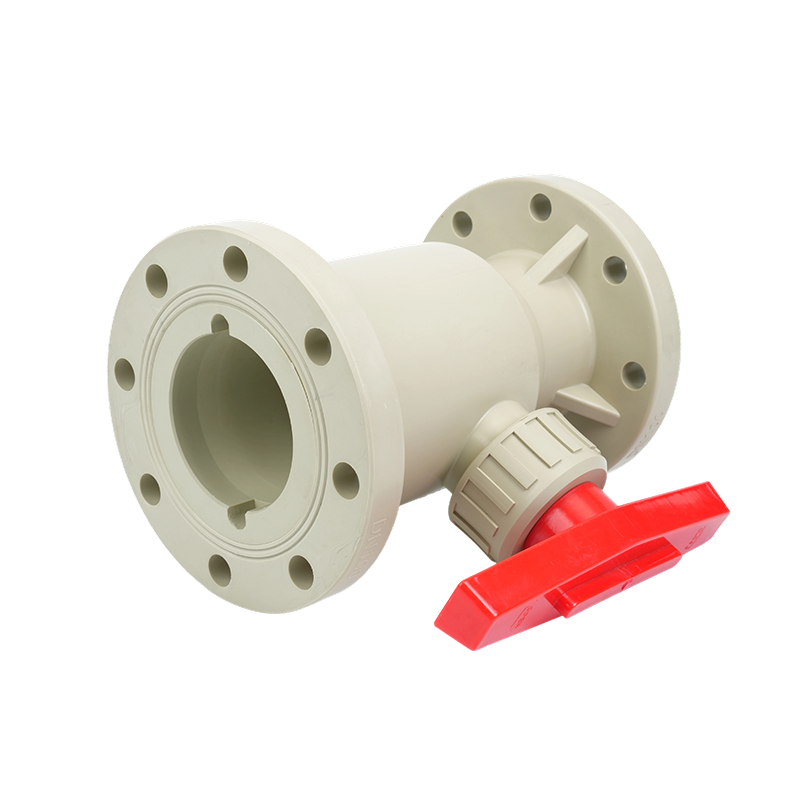
1.Product Features: This valve offers low fluid resistance due to its simple str...
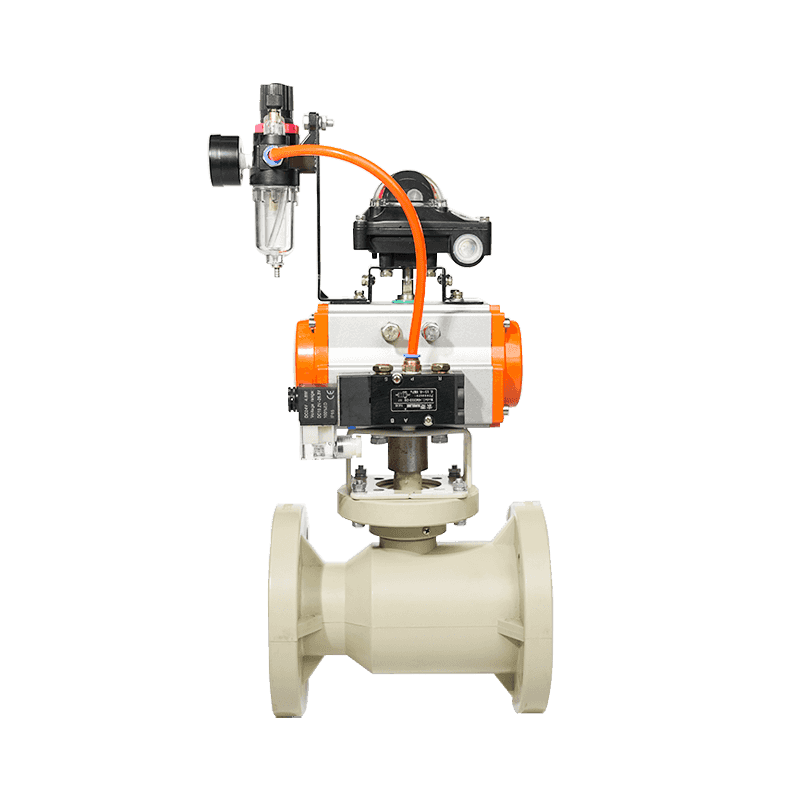
The pneumatic actuator operates at a very high speed, which significantly reduc...

A one-inch hose tail that threads two turns into a pump inlet and then stops is how most hose fitting adapter problems announce themselves. The diameter matches, the label matches, the thread form does not, and no amount of thread tape will close the gap between a parallel G thread and a tapered NPT thread of the same...
View MoreYou just connected a new brass adapter to the outdoor spigot, tightened it snugly, and it still drips. The usual cause is not the washer or the wrench torque: it is a mismatch between thread standards. Most residential plumbing in North America uses tapered National Pipe Thread (NPT), while garden hose fittings use a...
View MoreYou have finished plumbing a 150-gallon reef tank. The return pump is humming, the sump is cycling, and then you spot a small drip beneath the 50mm connector that joins the pump to the pipe. That drip can turn into a soaked stand, a salty film on the floor, and a long evening of rerouting hard-won pipework. A 50mm fis...
View MoreWhat are the adjustment methods that ball valves can achieve in fluid control?
1. Full Open/Full Closed Quick Shut-off
By rotating the ball 90°, instantaneous flow on/off can be achieved, suitable for processes requiring rapid start/stop.
Jiangsu Leiting Precision New Materials Co., Ltd. employs high-precision machining technology to ensure the sealing reliability of the ball valve in both fully open and fully closed states.
2. Proportional Adjustment (Adjusting Opening)
Manual, pneumatic, or electric actuators allow for fine-tuning of the ball, enabling continuous variation of the cross-sectional area through which the fluid passes between 0% and 100%, meeting the needs of precise flow control.
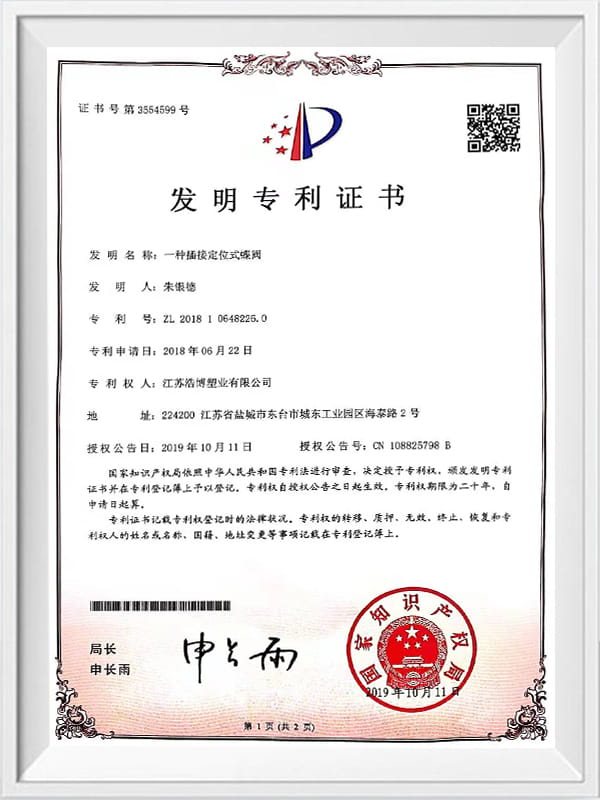
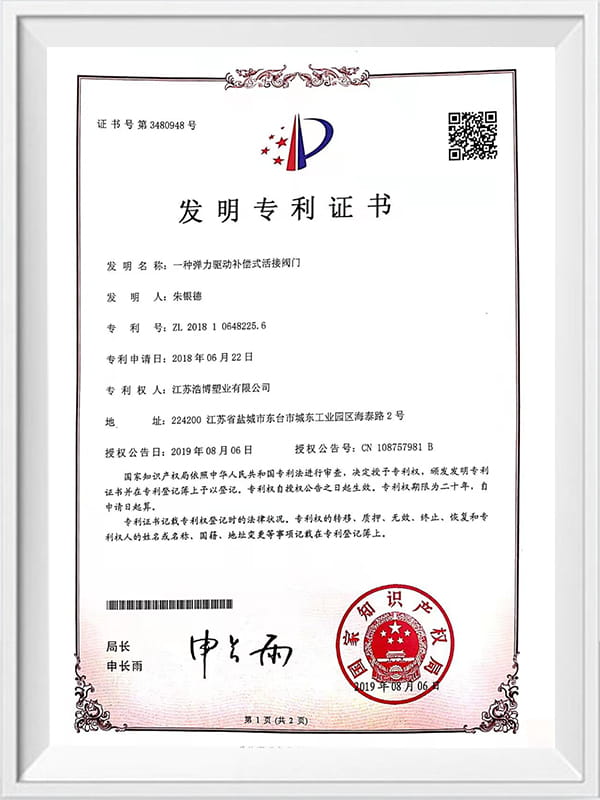
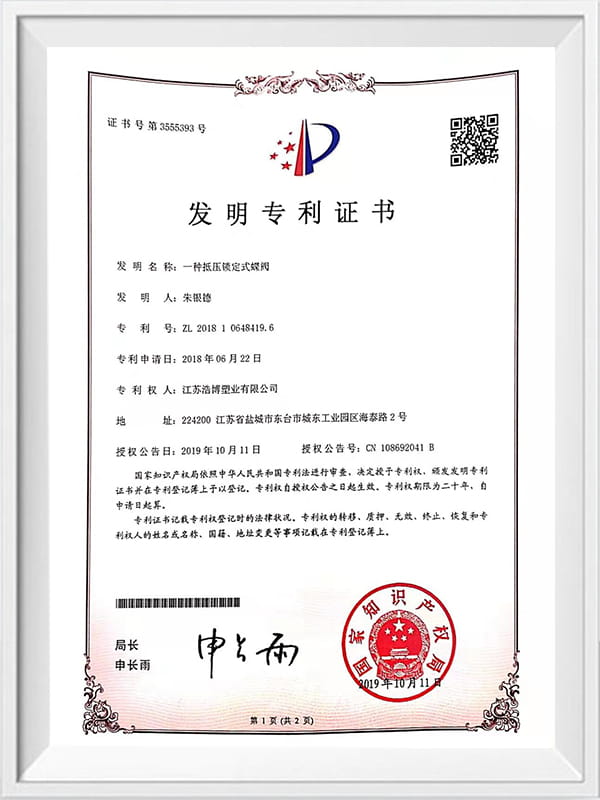
The company holds 36 invention patents, many of which relate to the proportional adjustment structure of ball valves, improving adjustment smoothness and response speed.
3. Bidirectional Switching (Single/Dual Channel)
Dual-channel ball valves can switch between or simultaneously flow two fluid streams in a single rotation, widely used in multi-channel pipeline systems in chemical, semiconductor, and other industries.
Leiting's dual-channel ball valves feature a modular design for easy field maintenance and have been proven in numerous international projects.
4. Leak-Proof Safety Locking
Lock bolts or safety clips prevent accidental valve opening under high pressure, enhancing system safety.
The company strictly adheres to the principle of "Quality Creates the Market" in its quality management system, and all safety locking components are ISO 9001 certified.
How to determine if the ball valve material meets specific temperature and pressure requirements?
1. Consult the Material Specifications
Confirm the materials of key components such as the valve body, seat, and seals (e.g., stainless steel 304/316, carbon steel, titanium alloy, etc.) and compare them with their temperature and pressure resistance limits.
Jiangsu Leiting Precision New Materials Co., Ltd. provides complete material data sheets for each ball valve to help customers quickly match operating conditions.
2. Referencing Industry Standards and Certifications
Based on international standards such as API, ASME, and ISO, determine whether the valve's design pressure (PN) and maximum operating temperature (Tmax) meet project requirements.
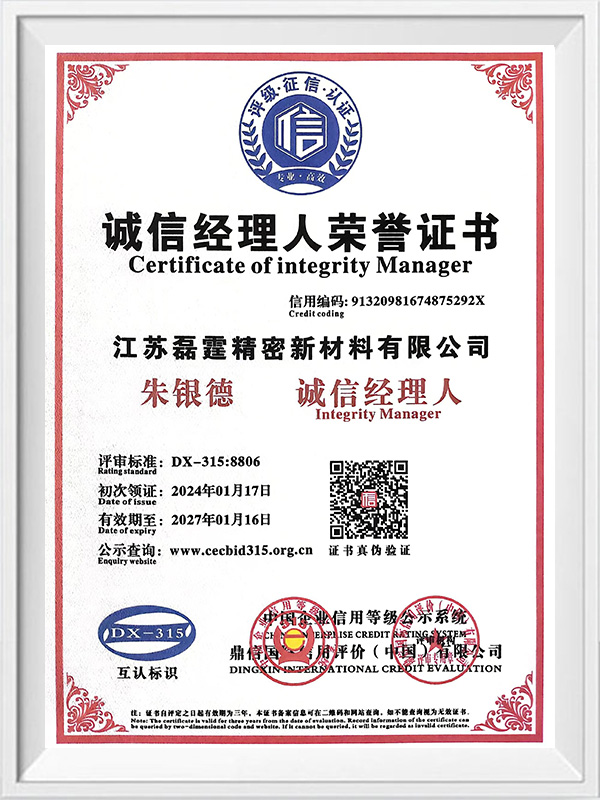
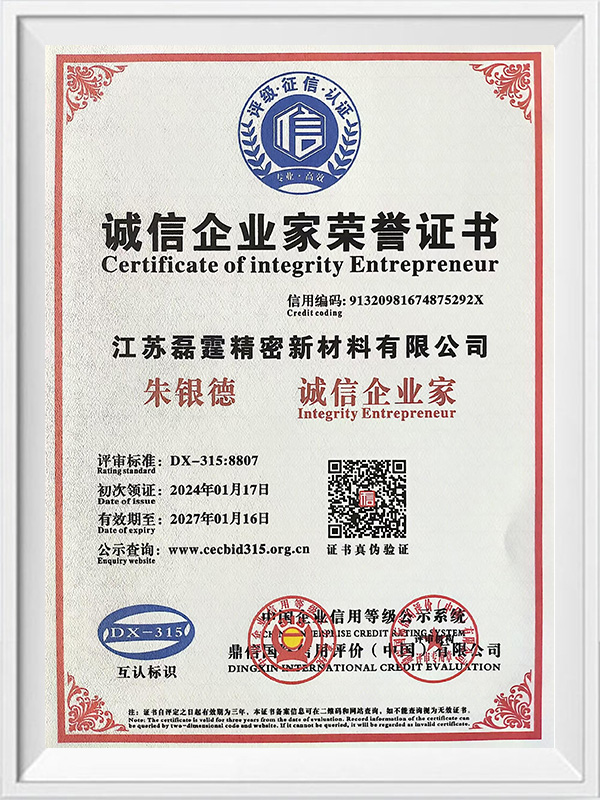
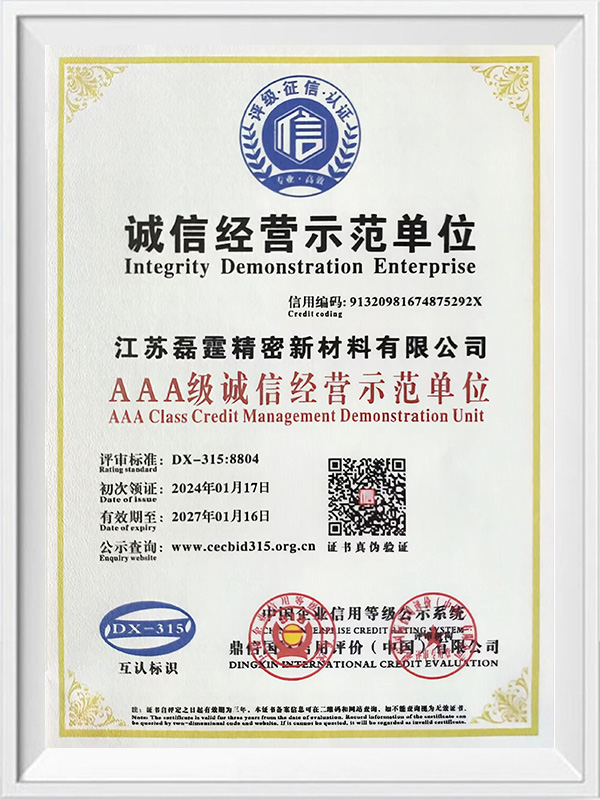
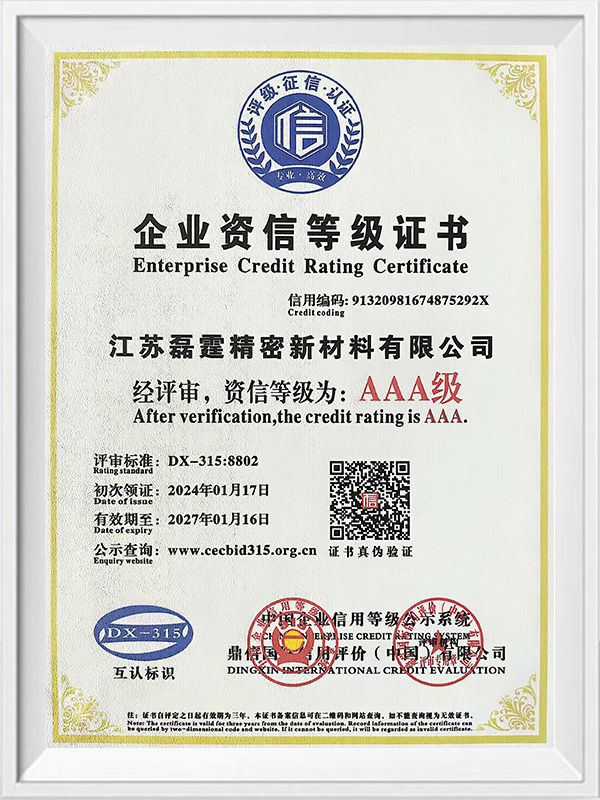
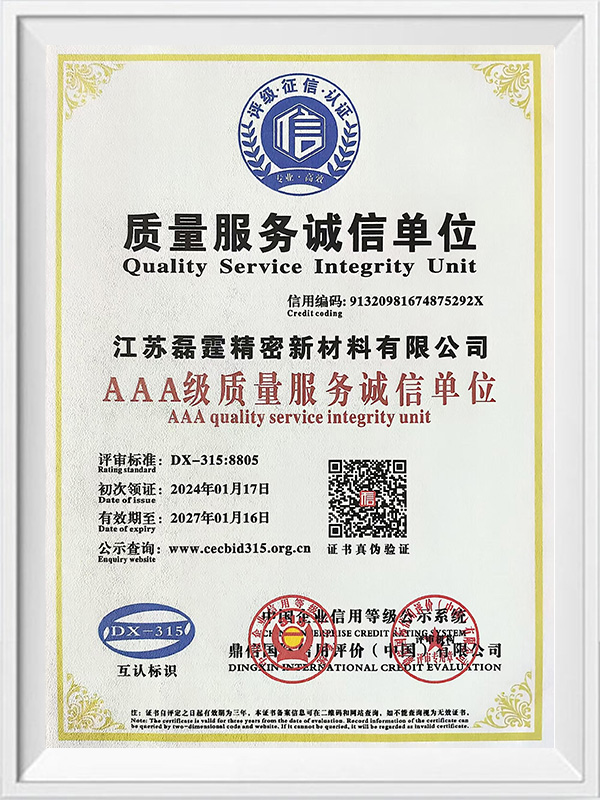
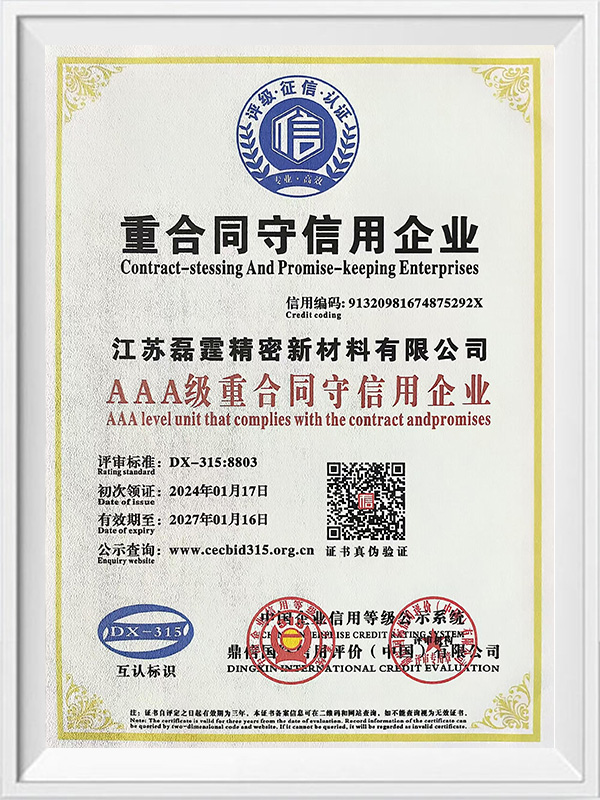
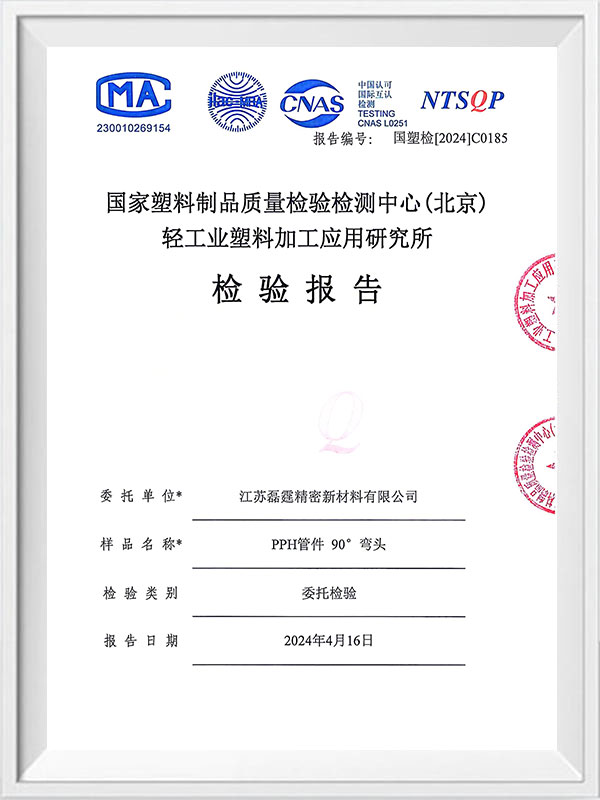
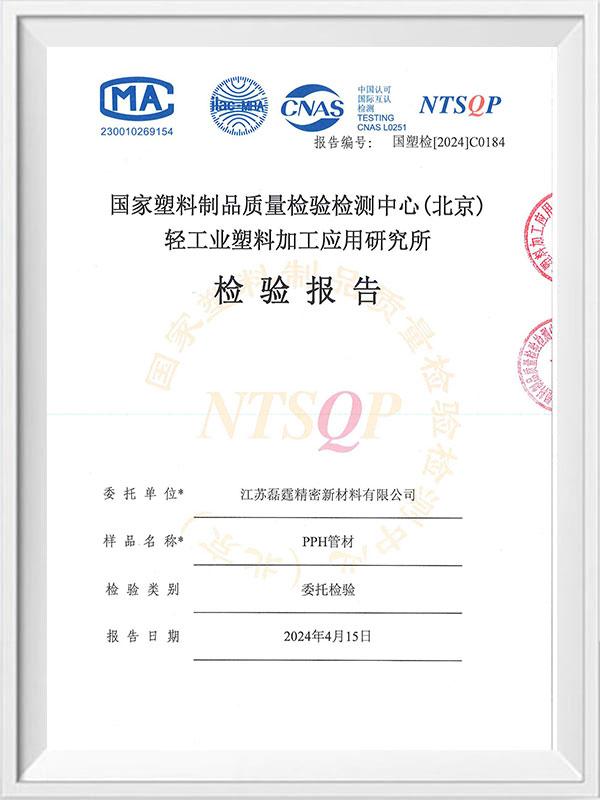
The company has obtained multiple domestic and international certifications, and its products meet the specifications of demanding industries such as petrochemicals, pharmaceuticals, and marine engineering.
3. Conducting On-Site Experiments or Simulation Calculations
Through high-temperature and high-pressure tests or CFD/finite element analysis, verify the valve body's deformation and leakage under extreme operating conditions.
Leiting has invested 1.1 million RMB in R&D and holds 81 patents, enabling it to provide customized material verification services.
4. Consulting Professional Technical Support
Communicate with the supplier's engineers, providing process parameters (medium type, temperature, pressure, flow rate) to obtain the most suitable material recommendations.
The company adheres to the R&D philosophy of "Technology Creates the Future," and its technical team can provide one-on-one material selection advice to clients.

Products
Company Information
Address: No. 55 Haichuan Road, High-Tech Zone, Dongtai City, Jiangsu Province, China
Mobile: +86 137 7009 5258
Tel: +86-515-85479999
Email: [email protected]
We'd love to hear from you!
