 English
 中文简体
中文简体
β-PPH Pipes 1.6 MPa
Product Specifications: DN15 (D20), DN20 (D25), DN25 (D32), DN32 (D40), DN40 (D5...
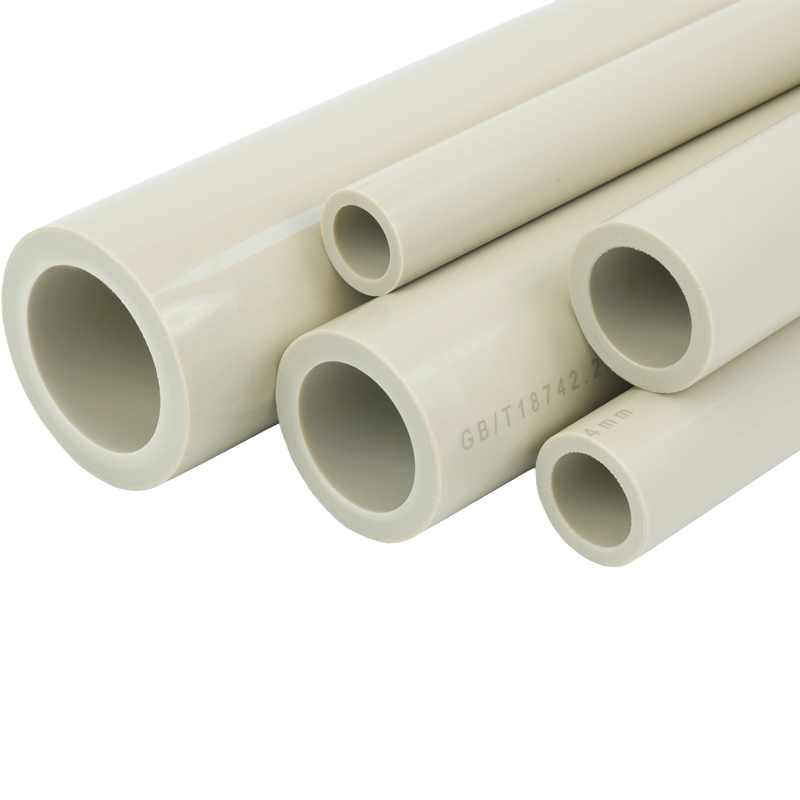
Product Specifications: DN15 (D20), DN20 (D25), DN25 (D32), DN32 (D40), DN40 (D5...

A one-inch hose tail that threads two turns into a pump inlet and then stops is how most hose fitting adapter problems announce themselves. The diameter matches, the label matches, the thread form does not, and no amount of thread tape will close the gap between a parallel G thread and a tapered NPT thread of the same...
View MoreYou just connected a new brass adapter to the outdoor spigot, tightened it snugly, and it still drips. The usual cause is not the washer or the wrench torque: it is a mismatch between thread standards. Most residential plumbing in North America uses tapered National Pipe Thread (NPT), while garden hose fittings use a...
View MoreYou have finished plumbing a 150-gallon reef tank. The return pump is humming, the sump is cycling, and then you spot a small drip beneath the 50mm connector that joins the pump to the pipe. That drip can turn into a soaked stand, a salty film on the floor, and a long evening of rerouting hard-won pipework. A 50mm fis...
View MoreWhat are 1.6MPa β-PPH Pipes?
1. Material Properties: β-PPH (β-polypropylene copolymer) is a highly crystalline polypropylene material with excellent corrosion resistance, high temperature resistance, and pressure resistance, enabling long-term stable operation at a working pressure of 1.6MPa (approximately 16 bar).
2. Structural Advantages: β-PPH pipes utilize a seamless or welded structure with uniform wall thickness. The wall thickness to outer diameter ratio (SDR) can be flexibly selected according to different operating conditions, ensuring strength while reducing material consumption.
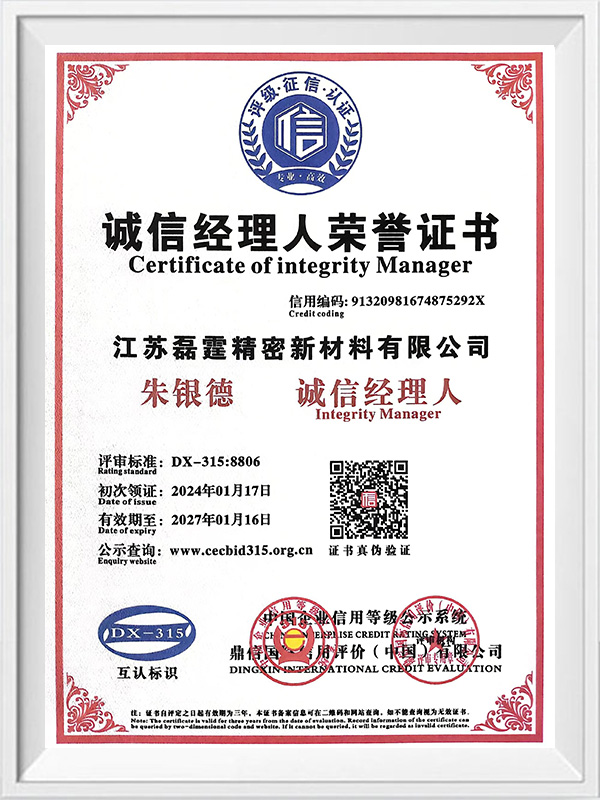
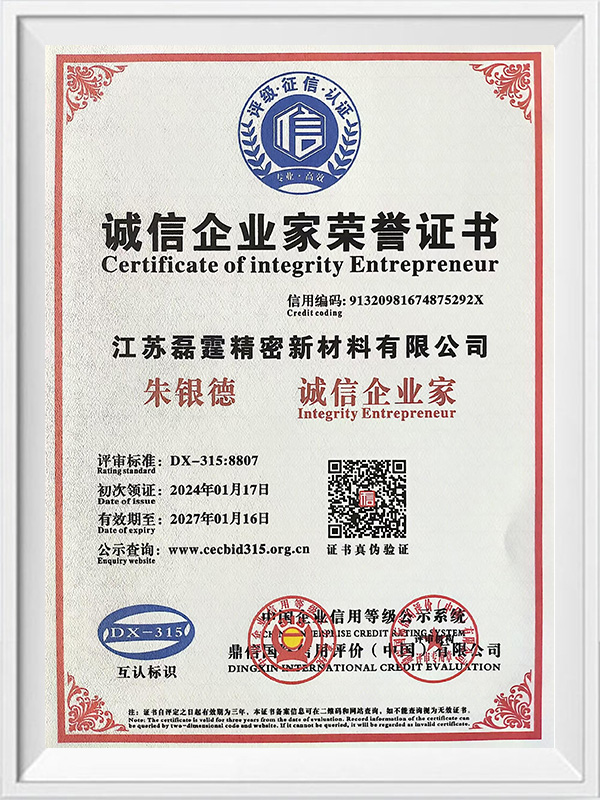
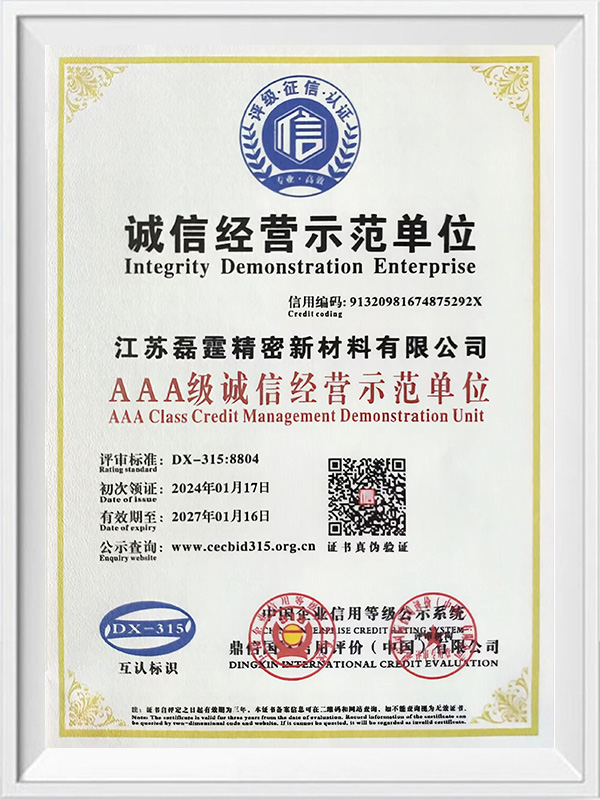
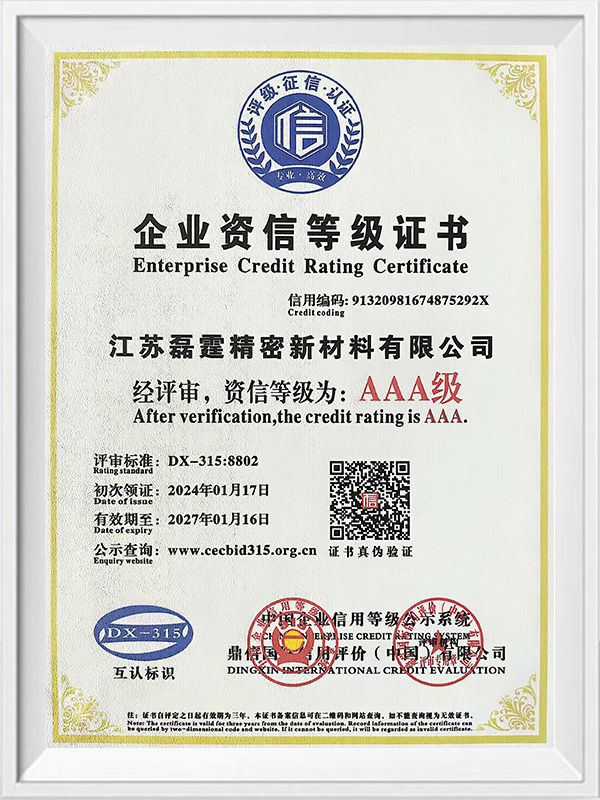
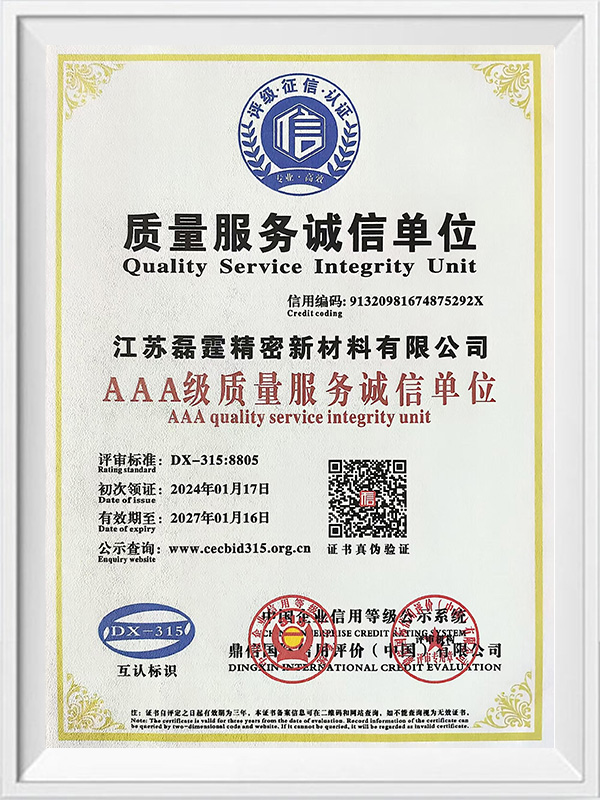
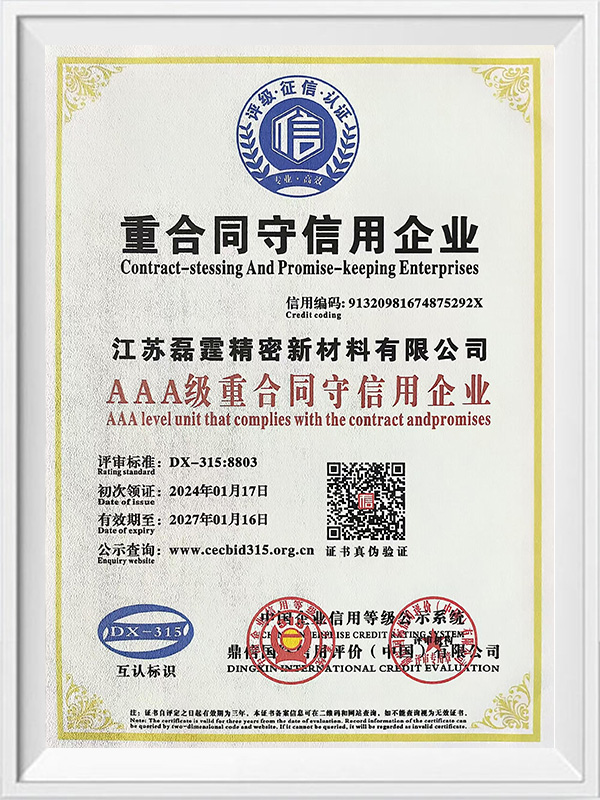
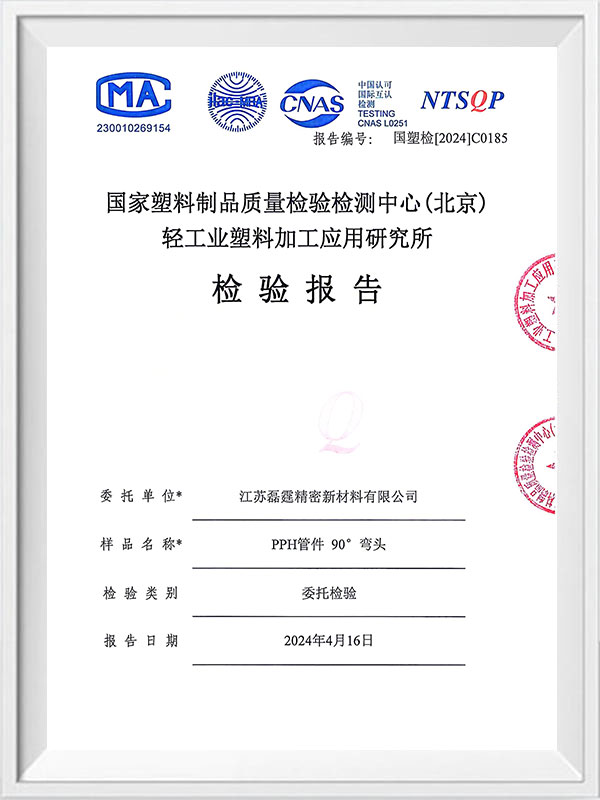
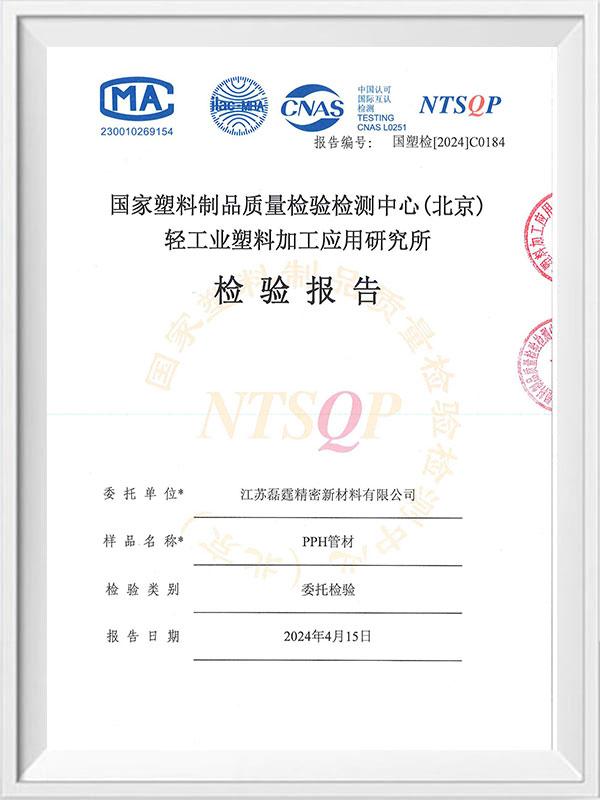
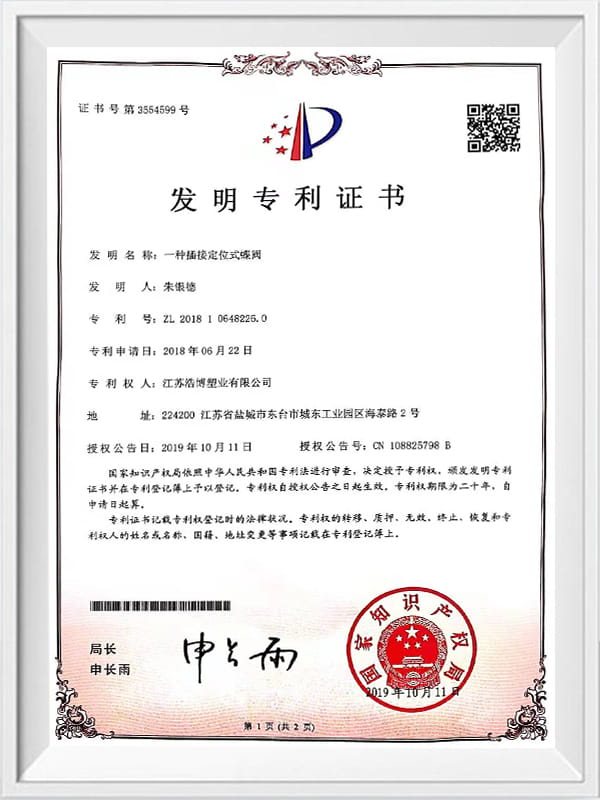
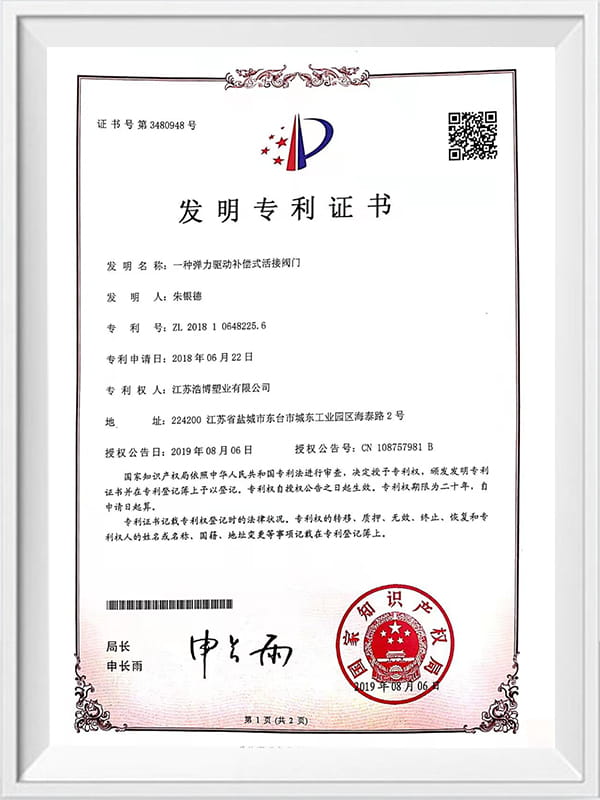
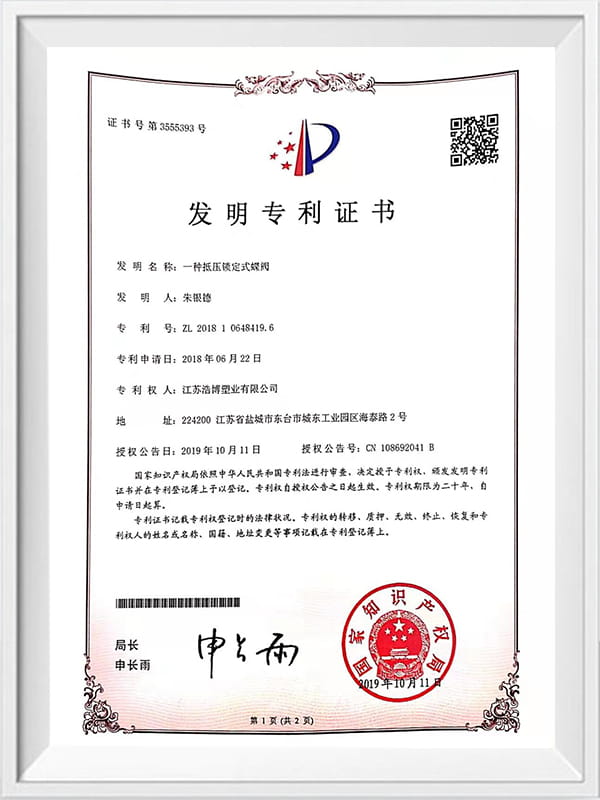
3. Application Areas: Widely used in pipeline systems with strict requirements for pressure and corrosion resistance, such as photovoltaic supports, semiconductors, chemicals, metallurgy, environmental protection, biochemistry, aquaculture, and pharmaceutical manufacturing. 4. Company Advantages: Jiangsu Leiting Precision New Materials Co., Ltd., as a leading domestic manufacturer of 1.6MPa β-PPH pipes, boasts a 19,980㎡ production base, RMB 110 million in fixed assets, and 81 patents as of 2024 (including 36 invention patents), demonstrating significant competitiveness in R&D, quality control, and customized services.
How to select the appropriate wall thickness based on DN and SDR to meet a 1.6MPa working pressure?
1. Determine the pipe diameter (DN): First, select the nominal diameter DN based on the flow requirements of the transported medium and site space limitations. Commonly used DN ranges from 6mm to 300mm.
2. Select the appropriate SDR (Standard Size Ratio): SDR = Outer Diameter ÷ Wall Thickness. A smaller SDR results in a thicker wall and stronger pressure resistance; a larger SDR results in a thinner wall, making the pipe lighter but reducing its pressure resistance. At a working pressure of 1.6MPa, commonly used SDR specifications include SDR11, SDR17, SDR21, and SDR26. Specific selection is as follows:
High-pressure applications (e.g., chemical industry, photovoltaic support): SDR11 or SDR17 is recommended to ensure sufficient wall thickness.
Medium-pressure applications (e.g., general industrial conveying): SDR21 is an option.
Low-pressure applications (e.g., water treatment, freshwater conveying): SDR26 also meets the safety margin of 1.6MPa.
3. Calculating Wall Thickness
Based on the selected DN and SDR, the required wall thickness can be directly obtained using the formula: Wall Thickness = Outer Diameter ÷ SDR. For example, for DN50 (outer diameter approximately 60mm), selecting SDR17 results in a wall thickness ≈ 60mm ÷ 17 ≈ 3.5mm.
4. Cross-validation: Compare the calculated wall thickness with the minimum wall thickness comparison table provided in the "Construction Handbook" to ensure it is not lower than the minimum value required by the specifications. If the calculated wall thickness is slightly lower than the minimum value in the table, the SDR (i.e., thicken) should be increased or the pipe diameter should be increased to meet the safety margin.

Products
Company Information
Address: No. 55 Haichuan Road, High-Tech Zone, Dongtai City, Jiangsu Province, China
Mobile: +86 137 7009 5258
Tel: +86-515-85479999
Email: [email protected]
We'd love to hear from you!
