 English
 中文简体
中文简体
β--PPH Globe Valve
Product Features: Suitable for various light and heavy industrial working condit...
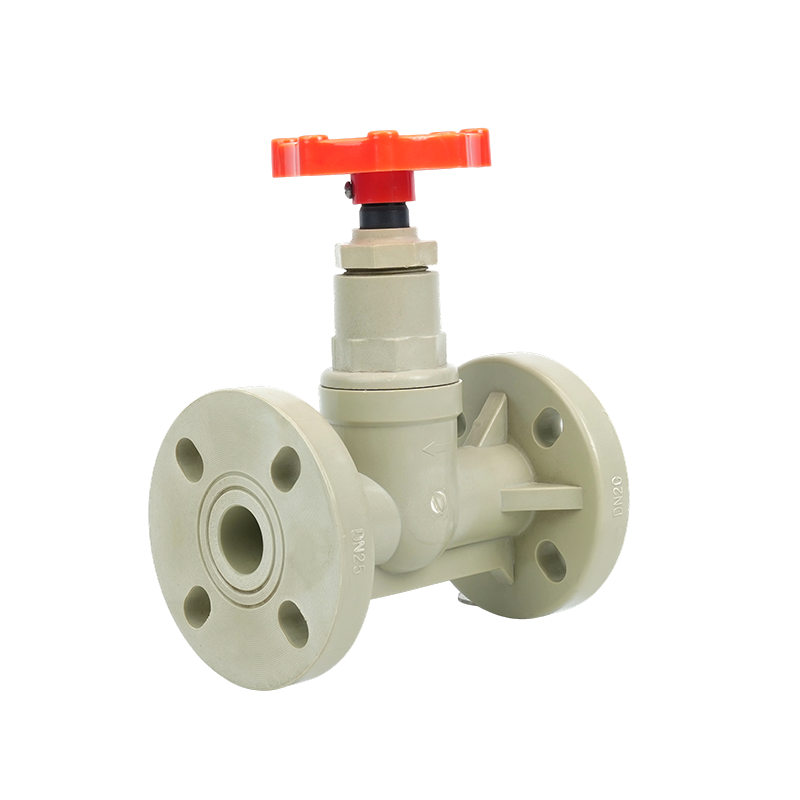
Product Features: Suitable for various light and heavy industrial working condit...

A one-inch hose tail that threads two turns into a pump inlet and then stops is how most hose fitting adapter problems announce themselves. The diameter matches, the label matches, the thread form does not, and no amount of thread tape will close the gap between a parallel G thread and a tapered NPT thread of the same...
View MoreYou just connected a new brass adapter to the outdoor spigot, tightened it snugly, and it still drips. The usual cause is not the washer or the wrench torque: it is a mismatch between thread standards. Most residential plumbing in North America uses tapered National Pipe Thread (NPT), while garden hose fittings use a...
View MoreYou have finished plumbing a 150-gallon reef tank. The return pump is humming, the sump is cycling, and then you spot a small drip beneath the 50mm connector that joins the pump to the pipe. That drip can turn into a soaked stand, a salty film on the floor, and a long evening of rerouting hard-won pipework. A 50mm fis...
View MoreWhat are the advantages of Plastic Valve Series Other compared to metal valves in the chemical, food, and pharmaceutical industries?
1. Superior Corrosion Resistance: Utilizing high-molecular materials such as RPP, PVDF, ABS, and CPVC, they exhibit virtually no corrosion from acids, alkalis, salts, chlor-alkali compounds, and solvents, avoiding leaks and maintenance issues caused by corrosion, as is common in metal valves.
2. Prevention of Secondary Metal Ion Contamination: The all-plastic structure does not generate metal ions, meeting the stringent purity and hygiene requirements of the food and pharmaceutical industries, ensuring product quality is not contaminated by metal ions.
3. Lightweight and Easy Installation: Significantly lighter than metal valve bodies, making handling, installation, and maintenance easier and reducing infrastructure load.
4. Low Pressure Loss and Low Flow Resistance: The smooth surface of the high-molecular material results in low fluid resistance, improving system efficiency.
5. Good Electrical Insulation: Plastic itself is insulating, making it suitable for pharmaceutical and food production lines with stringent electrical safety requirements.
6. Cost Advantage: Material and processing costs are lower than stainless steel and alloy metal valve bodies, resulting in more competitive overall procurement and maintenance costs.
How do the sealing materials of Plastic Valve Series Other affect their service life?
1. PTFE (Polytetrafluoroethylene): Possesses excellent chemical resistance and temperature resistance (-50℃ to +150℃), maintaining sealing performance in most corrosive media, making it the "king of plastics" for valve seals. Its service life is affected by factors such as operating temperature, pressure, and lubrication conditions, but can reach 15-20 years or more under reasonable operating conditions.
2. EPDM (Ethylene Propylene Dioxide): Possesses excellent ozone resistance and aging resistance properties, with a temperature range of approximately -40℃ to +90℃. Under normal operating conditions, its service life is approximately 10-15 years. It has good resistance to acid, alkali, and salt water media.
3. FPM (Fluororubber): Combines the chemical resistance of PTFE and the elasticity of EPDM, with a temperature range of approximately -20℃ to +200℃ and a service life of 15-20 years. It is suitable for high-temperature and highly corrosive environments.

Products
Company Information
Address: No. 55 Haichuan Road, High-Tech Zone, Dongtai City, Jiangsu Province, China
Mobile: +86 137 7009 5258
Tel: +86-515-85479999
Email: [email protected]
We'd love to hear from you!
