 English
 中文简体
中文简体
PVDF Pipes 0.6 MPa
Product Specifications: DN65 (D75), DN80 (D90), DN100 (D110), DN100 (D125), DN15...
Product specifications DN15 (D20), DN20 (D25), DN25 (D32), DN32 (D40), DN40 (D50), DN50 (D63), DN65 (D75), DN80 (D90), DN100 (D110), DN100 (D125), DN125 (D140), DN150 (D160), DN150 (D180), DN200 (D200), DN200 (D225), DN250 (D250), DN250(D280)
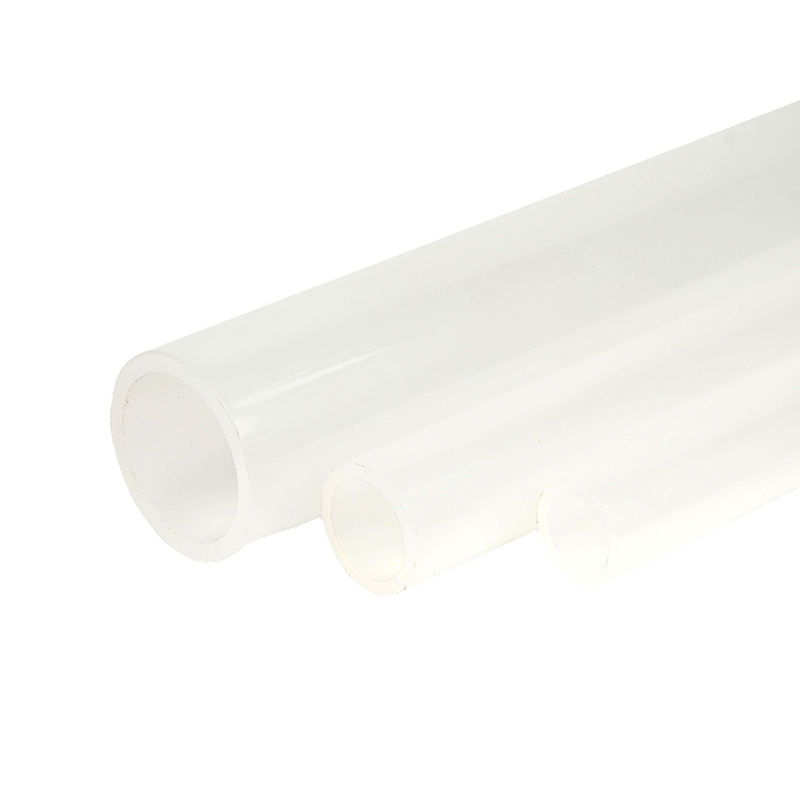
Product Specifications: DN65 (D75), DN80 (D90), DN100 (D110), DN100 (D125), DN15...
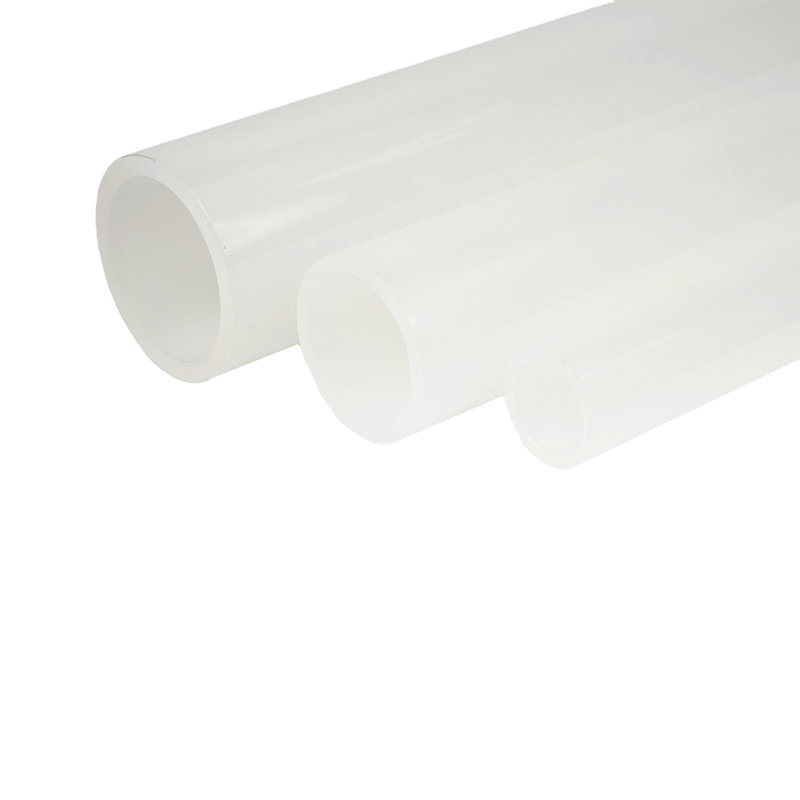
Product Specifications: DN15 (D20), DN20 (D25), DN25 (D32), DN32 (D40), DN40 (D5...
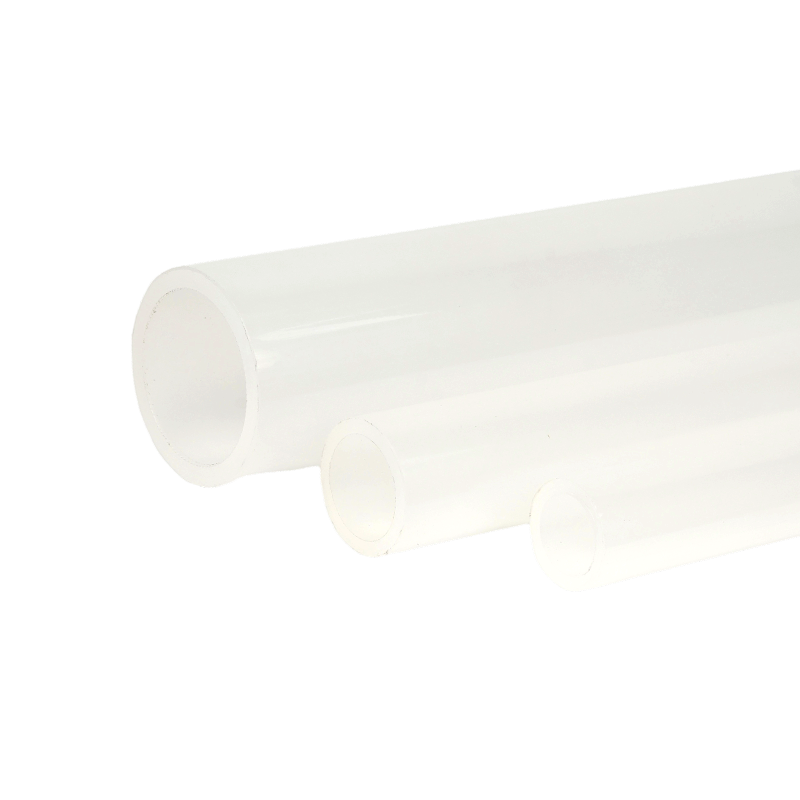
Product Specifications: DN15 (D20), DN20 (D25), DN25 (D32), DN32 (D40), DN40 (D5...

A one-inch hose tail that threads two turns into a pump inlet and then stops is how most hose fitting adapter problems announce themselves. The diameter matches, the label matches, the thread form does not, and no amount of thread tape will close the gap between a parallel G thread and a tapered NPT thread of the same...
View MoreYou just connected a new brass adapter to the outdoor spigot, tightened it snugly, and it still drips. The usual cause is not the washer or the wrench torque: it is a mismatch between thread standards. Most residential plumbing in North America uses tapered National Pipe Thread (NPT), while garden hose fittings use a...
View MoreYou have finished plumbing a 150-gallon reef tank. The return pump is humming, the sump is cycling, and then you spot a small drip beneath the 50mm connector that joins the pump to the pipe. That drip can turn into a soaked stand, a salty film on the floor, and a long evening of rerouting hard-won pipework. A 50mm fis...
View MoreWhat are PVDF Pipes?
1.Material Properties: PVDF (polyvinylidene fluoride) is a high-performance fluoroplastic with excellent corrosion resistance, high-temperature resistance (up to 150°C), and good mechanical strength, enabling long-term stable operation in harsh chemical and semiconductor environments.
2.Applications: Due to its excellent chemical inertness, PVDF pipes are widely used in piping systems in industries such as solar photovoltaic, semiconductors, chemicals, iron smelting, environmental protection, biochemistry, aquaculture, and pharmaceutical manufacturing.
3.Advantages Comparison: Compared to traditional PVC, PE, or metal pipes, PVDF pipes perform better in acid and alkali resistance, salt spray resistance, and UV resistance, and are less prone to aging, resulting in a longer service life.
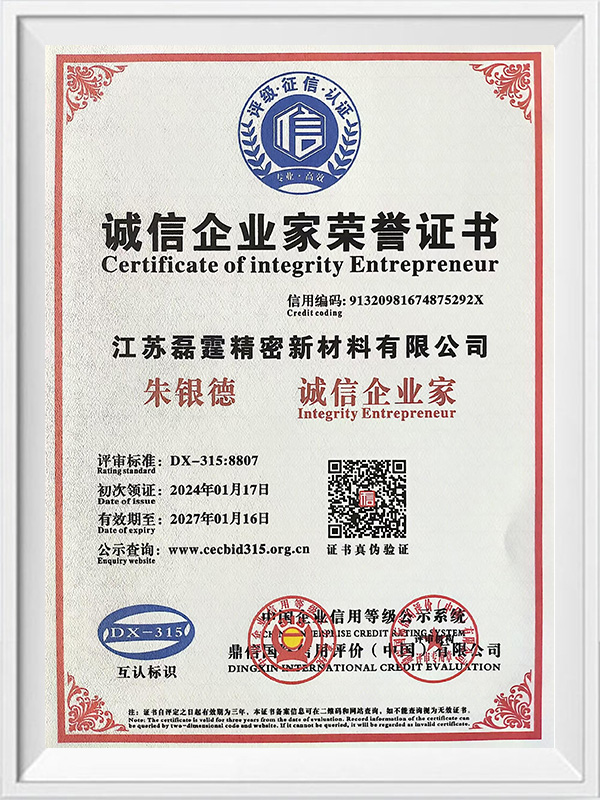
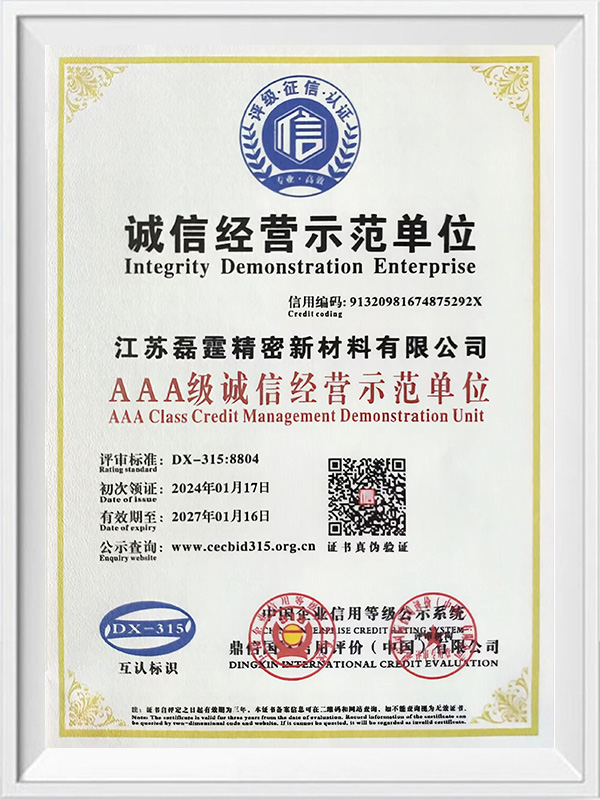
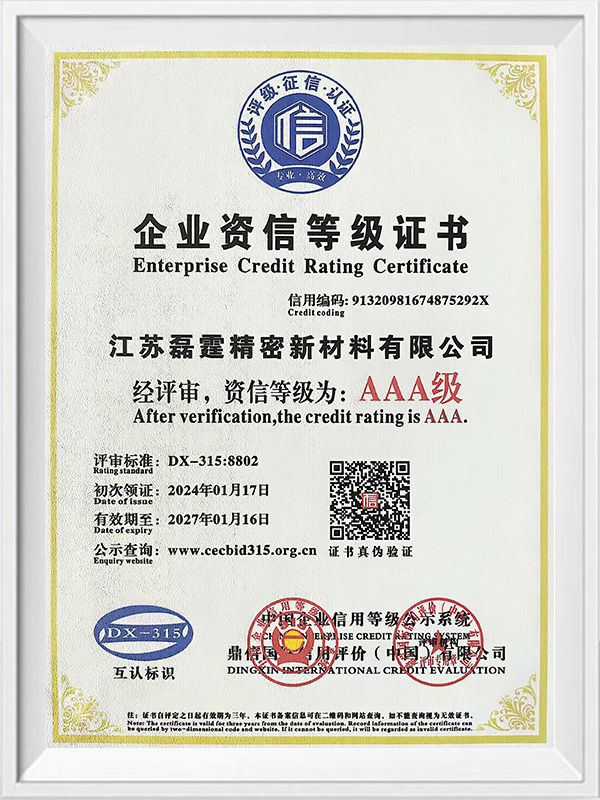
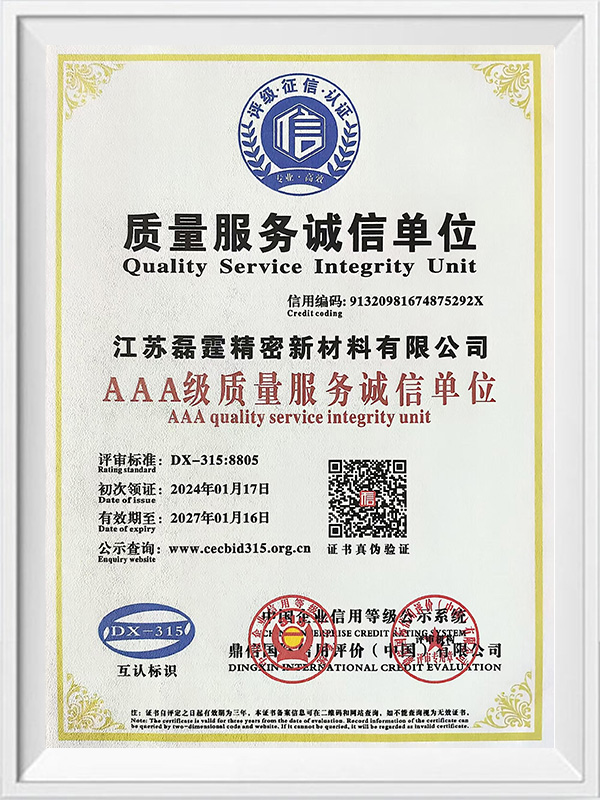
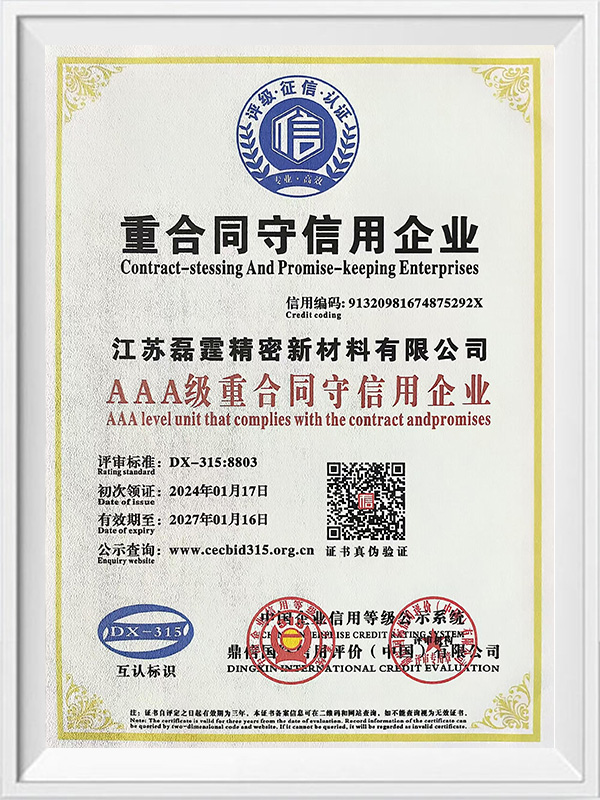
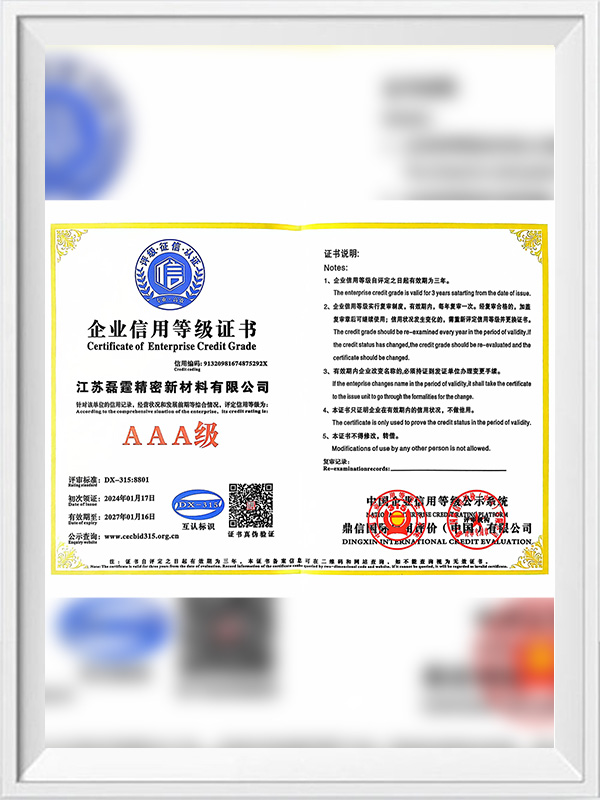
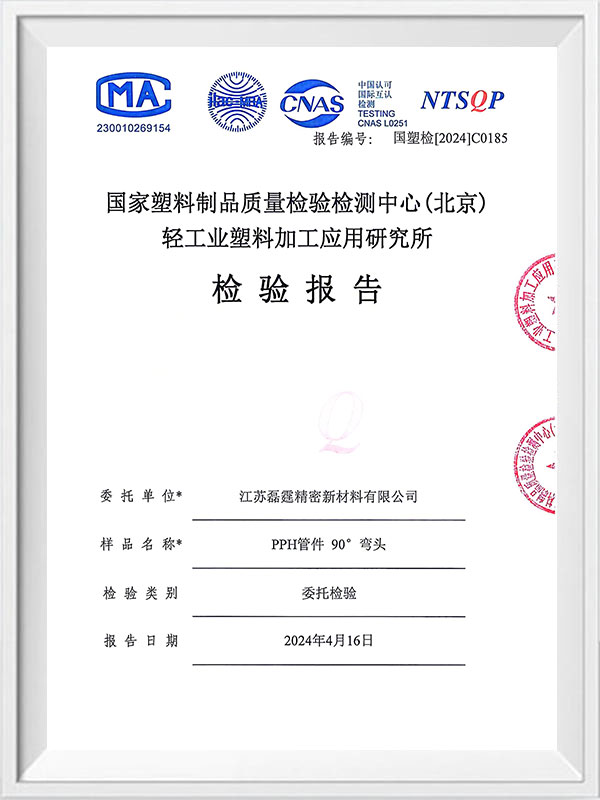
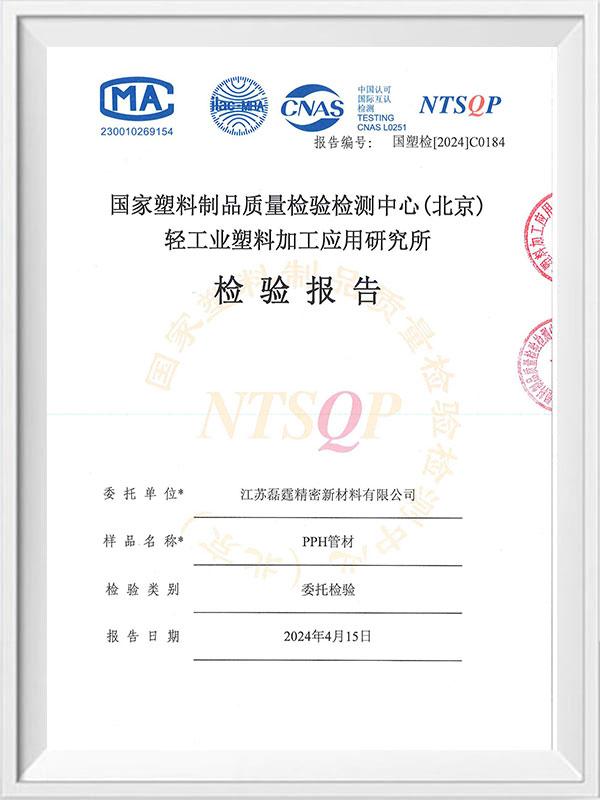
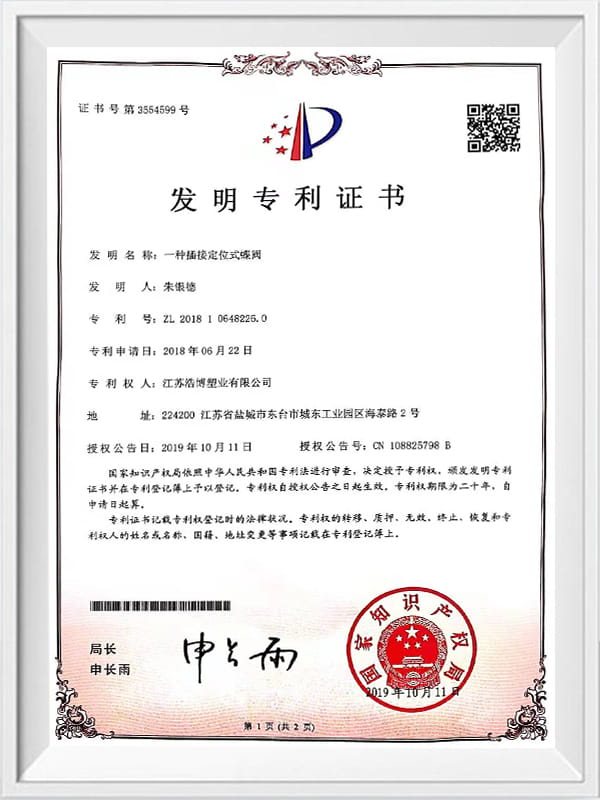
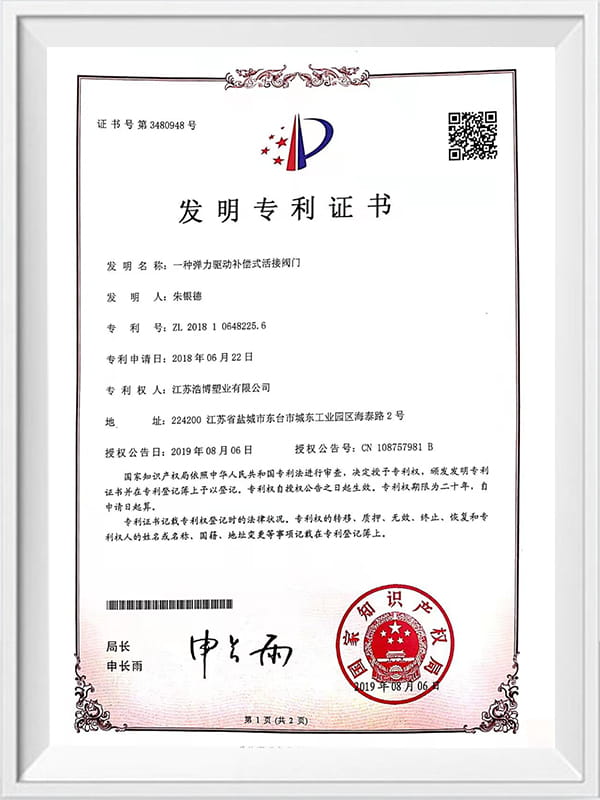
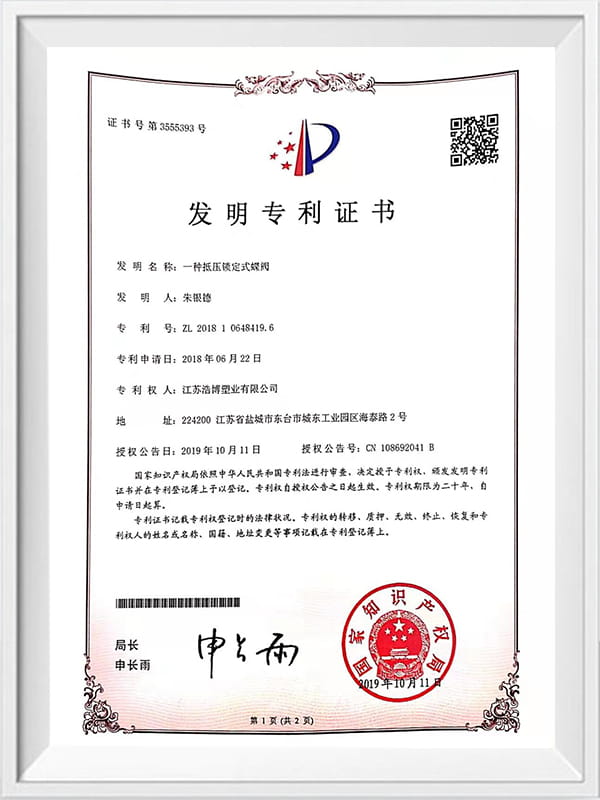
4.Company Strength: Jiangsu Leiting Precision New Materials Co., Ltd., as a leading PVDF pipe OEM supplier in China, continuously drives material innovation with 81 patents (including 36 invention patents), providing customers with high-quality pipe solutions.
How to select the appropriate PVDF pipe wall thickness and pressure rating based on media type and operating temperature?
1. Determine the Chemical Properties of the Medium
PVDF exhibits excellent resistance to most corrosive media, including acids, alkalis, salts, aromatics, and halogens. When selecting a PVDF pipe, first confirm whether the medium falls within its chemical resistance range.
2. Select the Temperature Rating Based on Operating Temperature
The standard operating temperature range for PVDF pipes is -40℃ to +150℃, within which the material properties remain relatively stable. If the temperature approaches the upper limit, it is recommended to select a higher pressure rating (such as PN1.6) to provide additional safety margin.
3. Match the Nominal Pressure (PN) with the Wall Thickness
Common pressure ratings on the market are PN1.0MPa and PN1.6MPa. The corresponding wall thickness increases with pipe diameter, with typical references as follows (taken from industry standards):
DN20~DN50: Wall thickness approximately 3mm (PN1.0) or 3.5mm (PN1.6)
DN65~DN100: Wall thickness approximately 4mm (PN1.0) or 4.5mm (PN1.6)
DN125~DN150: Wall thickness approximately 6mm (PN1.0) or 6.5mm (PN1.6)
Specific wall thicknesses can be found in the manufacturer's technical manual or the pressure-wall thickness correspondence table in the "PVDF Pipe Specification Standard".
4. Selection based on comprehensive consideration of medium, temperature, and pressure
For example, when conveying concentrated sulfuric acid (highly corrosive) at an operating temperature of 120℃, it is recommended to select a DN65 pipe with PN1.6MPa and a wall thickness ≥4.5mm to ensure sufficient strength and corrosion resistance under high temperature and pressure.

Products
Company Information
Address: No. 55 Haichuan Road, High-Tech Zone, Dongtai City, Jiangsu Province, China
Mobile: +86 137 7009 5258
Tel: +86-515-85479999
Email: [email protected]
We'd love to hear from you!
