 English
 中文简体
中文简体
β--PPH Single Union Check Valve
This valve features a compact structure, an aesthetically pleasing design, excel...
A check valve, also known as a non-return valve, a check valve, or a reflux valve, is a valve used to control the unidirectional flow of fluid. The non-return valve is designed to prevent counter-flow of fluid in the pipe, that is, to prevent backflow of fluid in the opposite direction. The non-return valve, through its own structure or a device such as a spring, causes the valve to open when the fluid is flowing in the forward direction and close when it is flowing in the reverse direction, acting to prevent backflow.
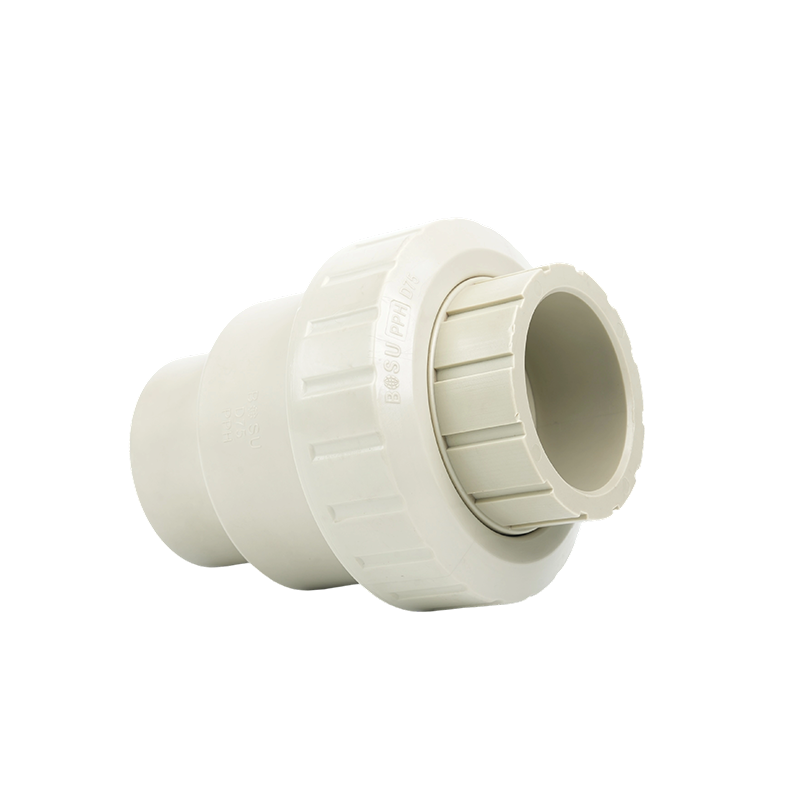
This valve features a compact structure, an aesthetically pleasing design, excel...
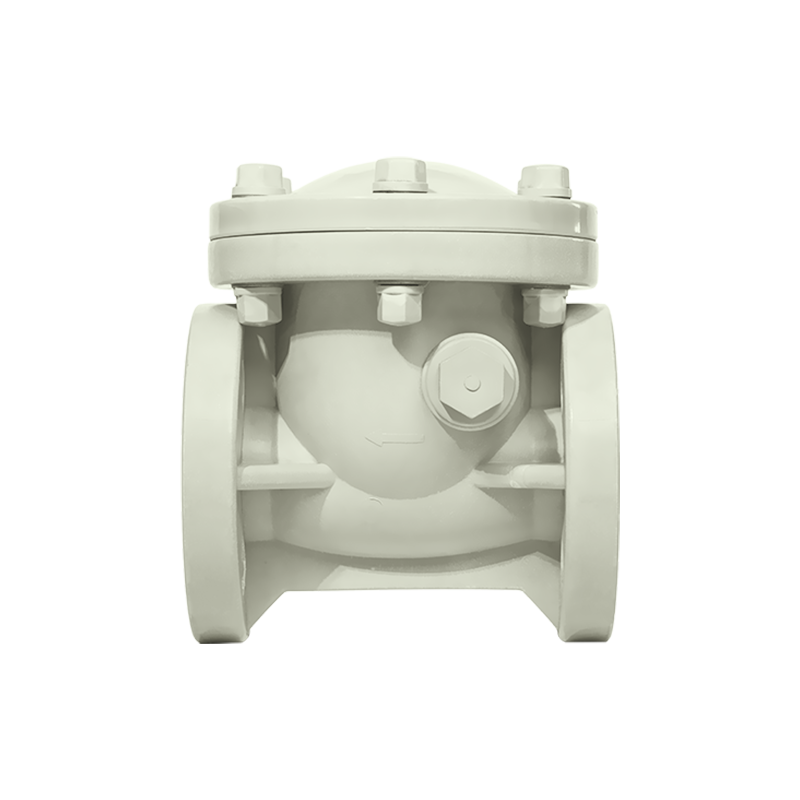
Product Features: The pressure drop from the inlet to the outlet is very low. T...
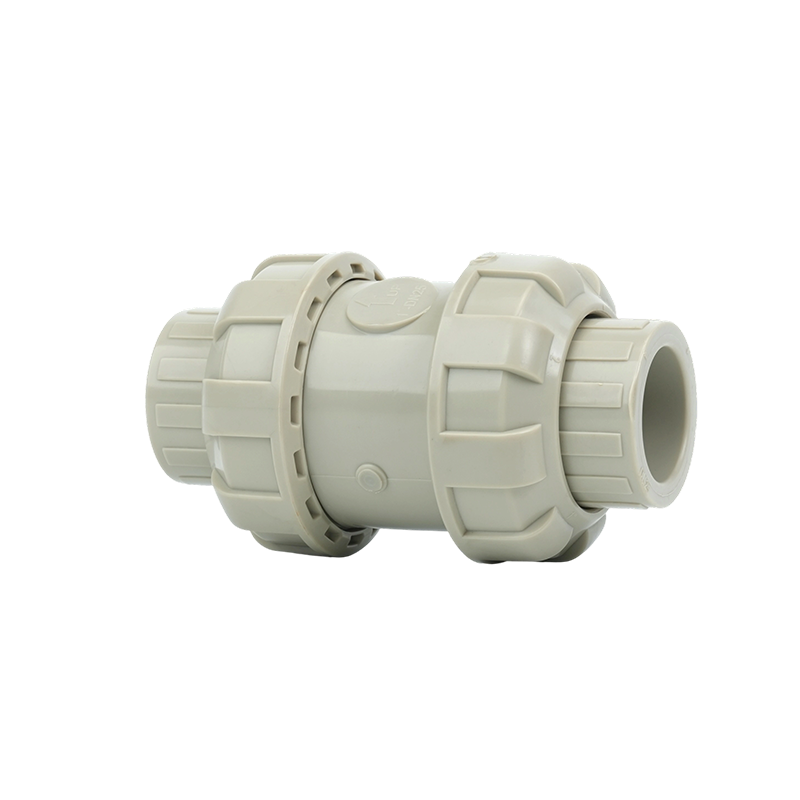
This valve features a simple structure and high cost-effectiveness, with low fl...
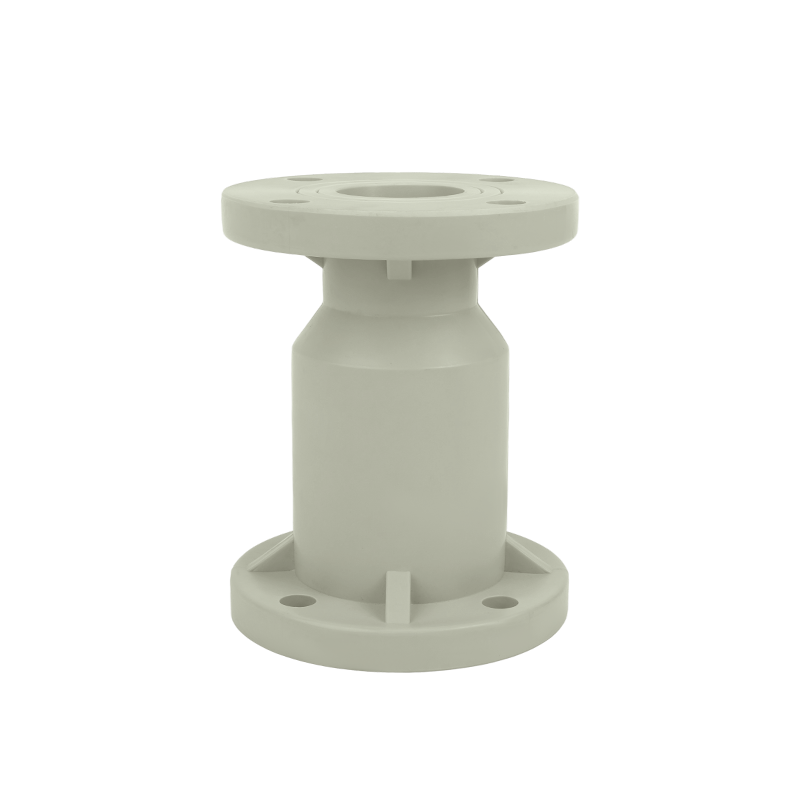
Flange check valve refers to a valve that automatically opens and closes the val...

Primary vs. Secondary Raw Materials The fundamental distinction lies in the origin and processing history. Primary raw materials are extracted directly from natural resources (ores, crude oil, forests) and have never been used or processed industrially before. Secondary raw materials are recovered from pre-consumer or...
View MoreDirect Conclusion: The Most Effective Use of Plastic Pipe Lies in Strategic Material Selection and Precision Installation To use plastic pipe most effectively, you must first match the specific polymer properties to the application's chemical, thermal, and pressure demands. There is no single "best" plastic pipe. The ...
View MorePrevention is more cost-effective than repair. Referring to Jiangsu Leiting's high reliability standards in industrial automation systems, the following are best practices for daily maintenance: Regular Flushing and Cleaning (Preventing Clogging) Method: At regular intervals (e.g., monthly or quarterly), flush the insi...
View MoreWhat are some common materials used in Check Valve systems?
1. Brass – Excellent corrosion resistance and mechanical properties, suitable for general water and gas media.
2. Stainless Steel – High strength, resistant to high temperatures and pressures, widely used in harsh environments such as chemical and petroleum industries.
3. Cast Iron – High strength and pressure resistance, commonly used in large piping systems.
4. Carbon Steel/Forged Steel – Relatively low cost, suitable for medium-pressure industrial pipelines.
5. Special Alloys (such as alloy steel, titanium alloys) – Dedicated valves for high-temperature and highly corrosive environments.
How does a Check Valve prevent backflow in a hydraulic system?
1. Hydrodynamic Opening – When the oil flows forward, the fluid pressure overcomes the resistance of the spring or counterweight, opening the valve disc and ensuring unobstructed oil flow.
2. Back Pressure Closure – If reverse flow occurs, the back pressure instantaneously exceeds the valve disc's opening force, pressing the valve disc against the valve seat to form a seal and prevent oil backflow. 3. Self-locking structure – Swing or lift valves remain closed by their own weight or a spring after shutting down, making them difficult to reopen even if the system stops due to external impacts.
4. Water hammer prevention – By quickly closing the check valve, shock waves caused by backflow are eliminated, protecting the pump body and pipelines from damage.

Products
Company Information
Address: No. 55 Haichuan Road, High-Tech Zone, Dongtai City, Jiangsu Province, China
Mobile: +86 137 7009 5258
Tel: +86-515-85479999
Email: [email protected]
We'd love to hear from you!
