 English
 中文简体
中文简体
β--PPH Flanged Ball Core Check Valve
Flange check valve refers to a valve that automatically opens and closes the val...
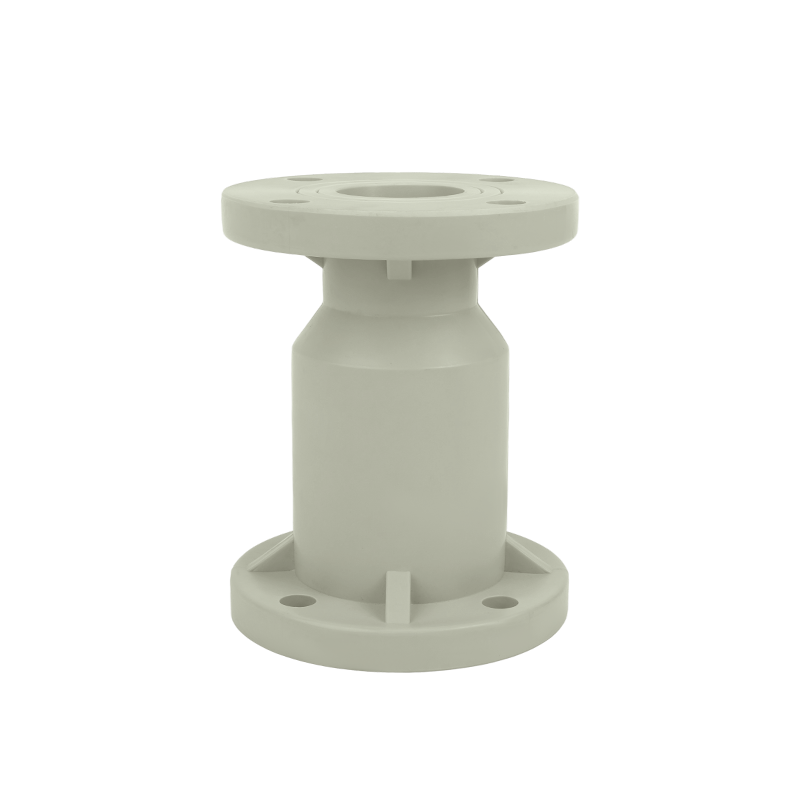
Flange check valve refers to a valve that automatically opens and closes the val...
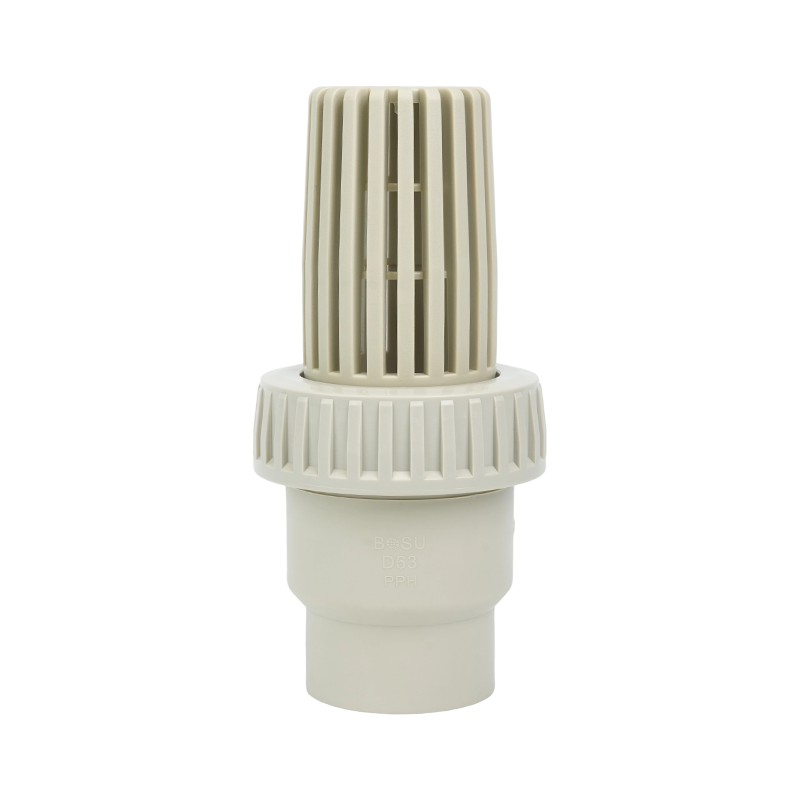
Product Features: Goodwater-sealing performance Lightweight material Goodcorros...
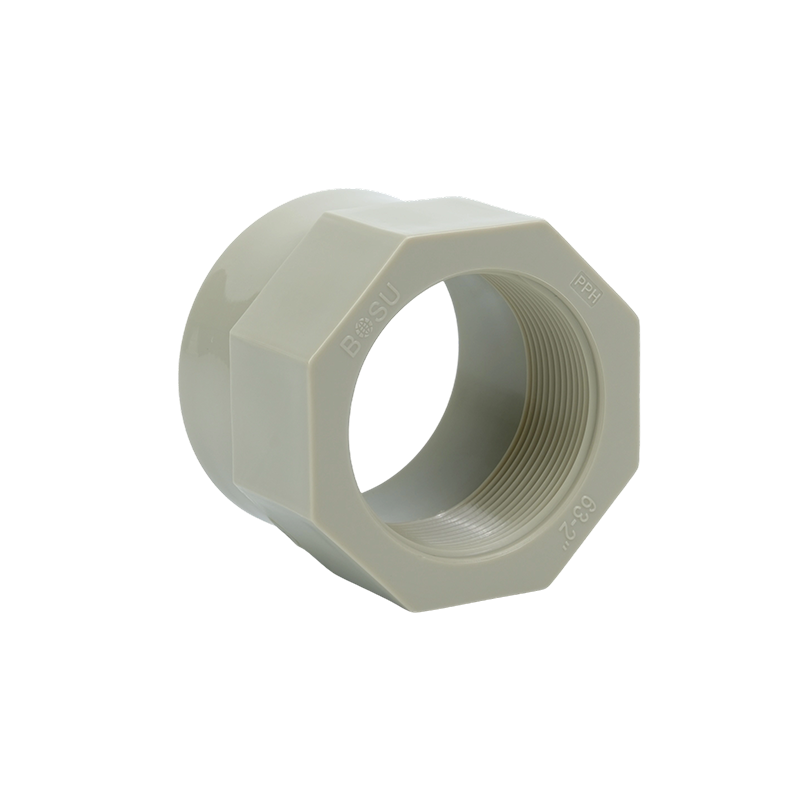
1. Fast and reliable installation, convenient and time-saving; smooth inner and ...
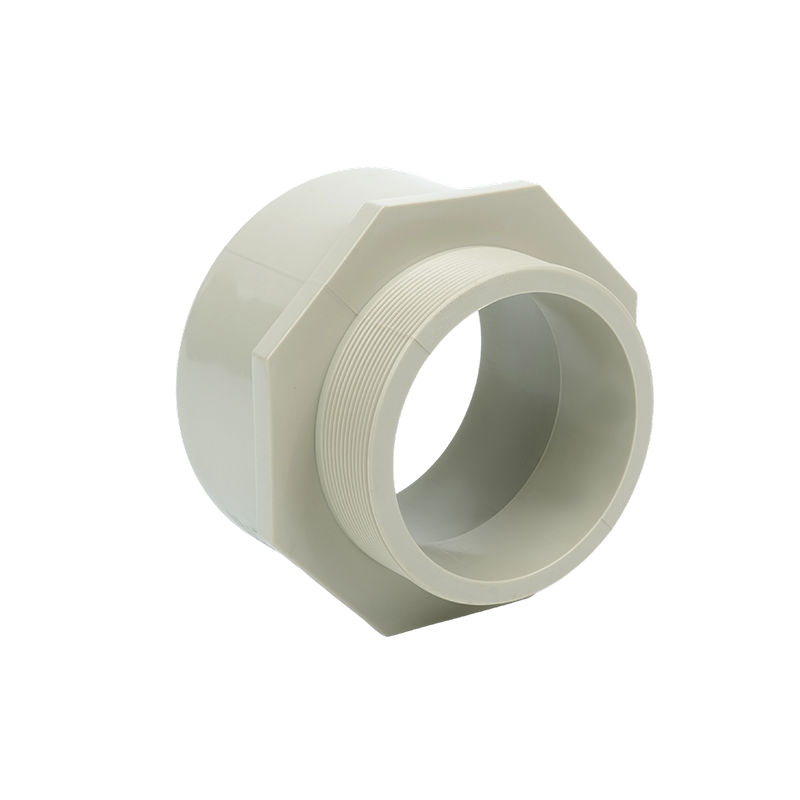
1. Easy operation, reliable connection, high pressure resistance, good sealing, ...
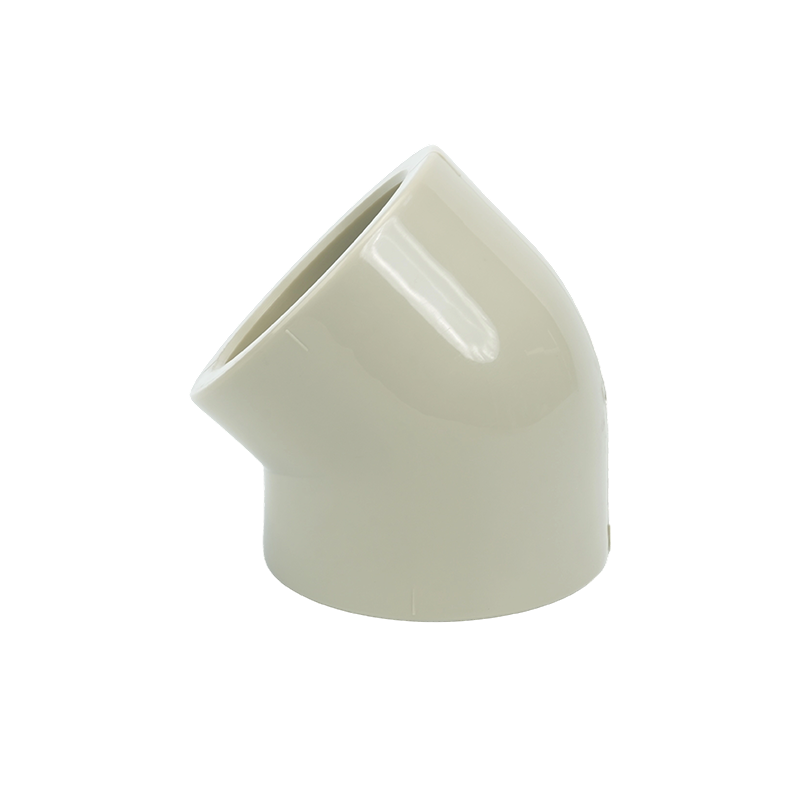
1. It is used to connect pipes at a bend and change the flow direction, which al...
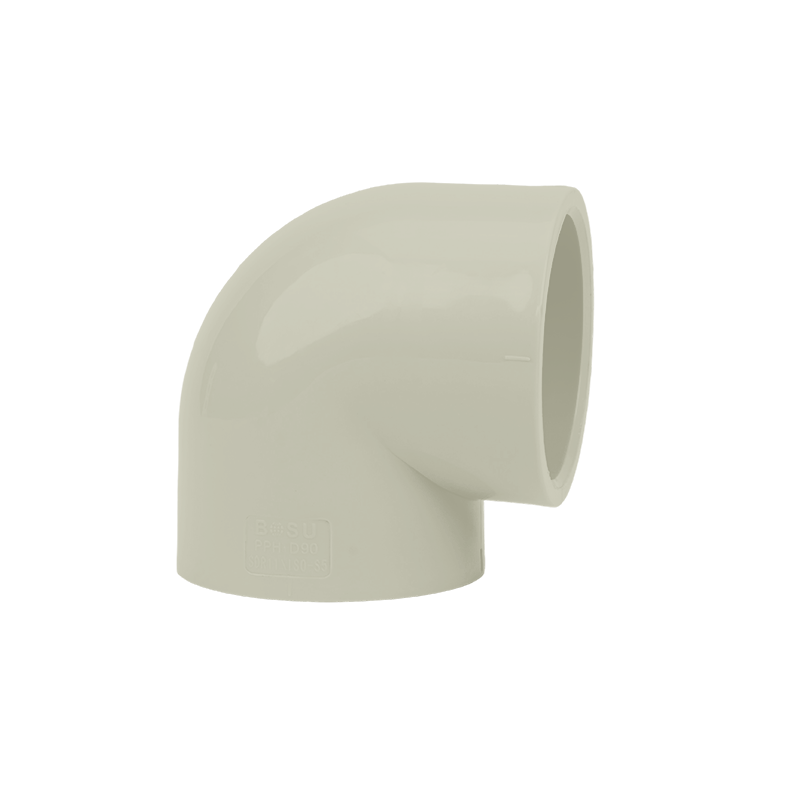
1. For connecting at the bend of the pipe, for changing the direction of the pip...
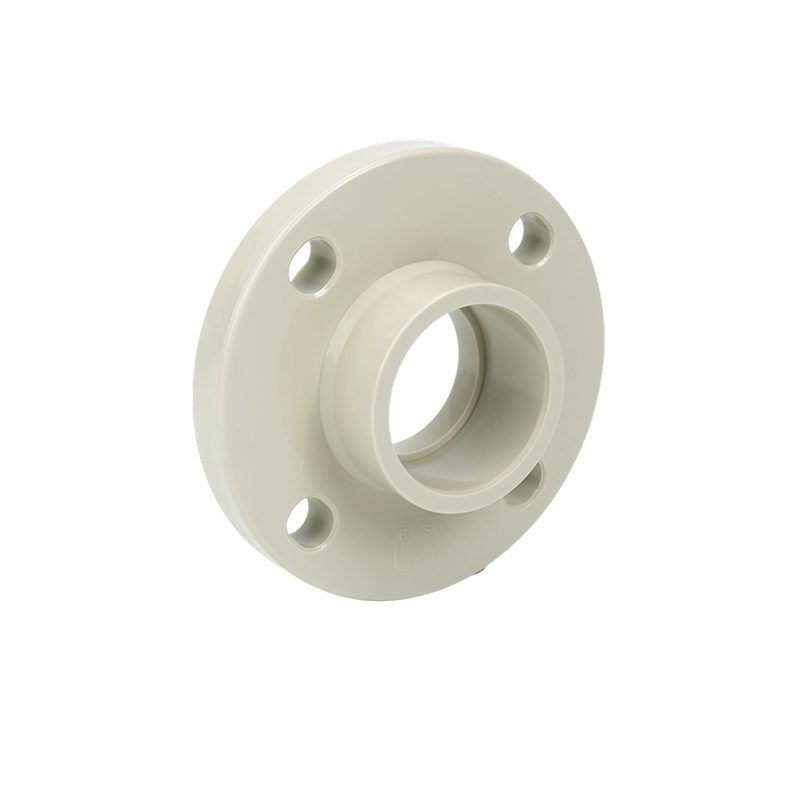
Product Features: Easy to install, these fittings are used in pairs at pipe end...
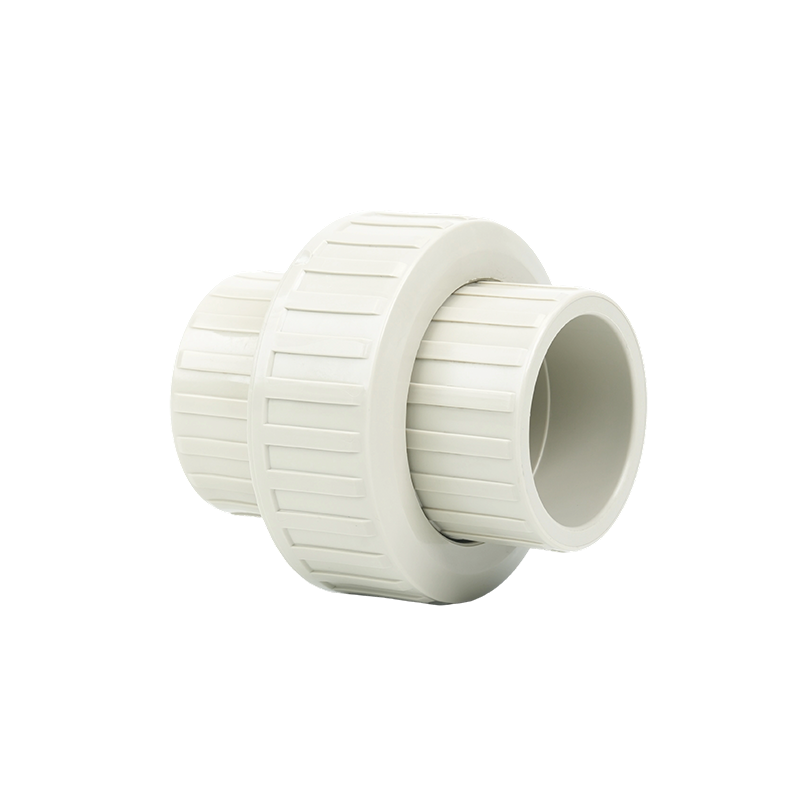
This fitting is designed to connect pipes into a pipeline system. It is suitable...
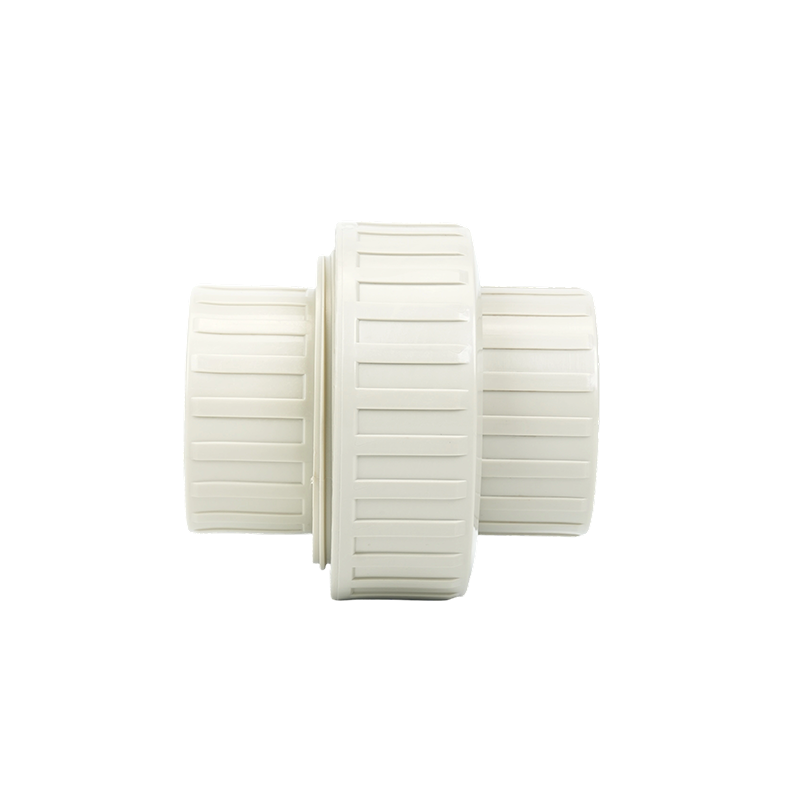
Description: Designed for connecting to pipelines with threaded ends. The EPDM/F...
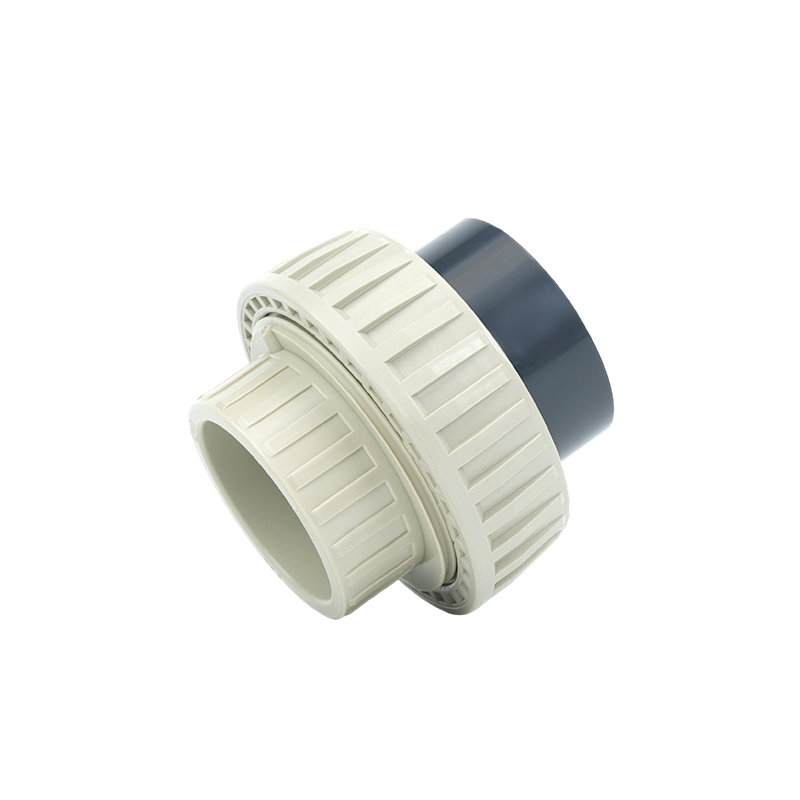
Description: This thermoplastic union fitting connects pipes into a complete pip...
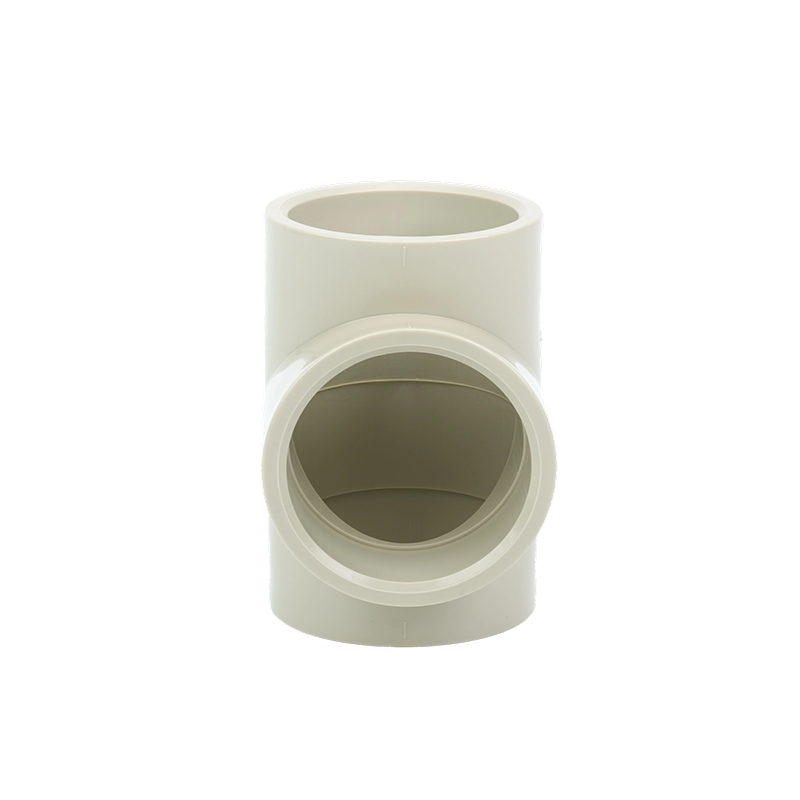
1. It belongs to one of the pipe connections, used at the main pipeline branch p...
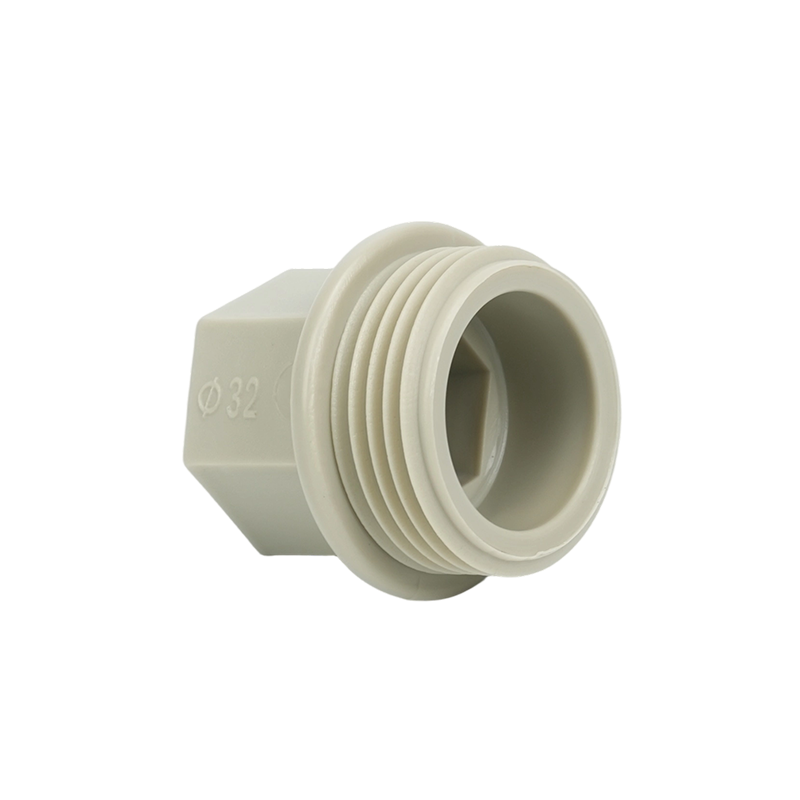
1. Durable, anti-corrosion, light weight, function as a closed pipeline, easy in...

Primary vs. Secondary Raw Materials The fundamental distinction lies in the origin and processing history. Primary raw materials are extracted directly from natural resources (ores, crude oil, forests) and have never been used or processed industrially before. Secondary raw materials are recovered from pre-consumer or...
View MoreDirect Conclusion: The Most Effective Use of Plastic Pipe Lies in Strategic Material Selection and Precision Installation To use plastic pipe most effectively, you must first match the specific polymer properties to the application's chemical, thermal, and pressure demands. There is no single "best" plastic pipe. The ...
View MorePrevention is more cost-effective than repair. Referring to Jiangsu Leiting's high reliability standards in industrial automation systems, the following are best practices for daily maintenance: Regular Flushing and Cleaning (Preventing Clogging) Method: At regular intervals (e.g., monthly or quarterly), flush the insi...
View MoreWhat are the installation precautions for plastic pipes?
Plastic Pipe Installation Precautions
1. Embedding Depth: Depending on the working pressure and burial environment, the embedding depth should generally be no less than 600mm to prevent external loads from compressing the pipe.
For high-pressure or impact-sensitive industrial pipelines, the depth can be appropriately increased to over 800mm to ensure a safety factor.
In areas with soft soil or prone to settlement, foundation reinforcement or a bedding layer is required to prevent pipe settlement from causing connection leaks.
2. Thermal Expansion and Contraction: Plastic pipes undergo linear expansion with temperature changes, with a coefficient of approximately 10⁻⁴/℃. Therefore, expansion compensation sections must be reserved in the design.
Common compensation methods include corrugated pipes, flexible joints, or pre-installed expansion joints, especially in scenarios where the temperature difference exceeds 30℃.
Avoid overtightening at both ends of the pipe during installation to prevent deformation or rupture due to thermal expansion.
3. Connection Methods: Hot-melt connection: Suitable for thermoplastic pipes such as PE and PP, offering high connection strength and no risk of leakage. Electrofusion connection: Welding is completed quickly using an electrothermal element, suitable for rapid on-site construction.
Mechanical clamps/flanges: Used in areas requiring disassembly or maintenance; reliable sealing is achieved when used with sealing gaskets.
What are the main advantages of plastic pipes?
Main advantages of plastic pipes:
1. Lightweight: Compared to metal pipes, plastic pipes weigh only 1/5 to 1/10, facilitating transportation, handling, and on-site installation, significantly reducing labor costs.
2. Corrosion resistant: Made of high-molecular materials (such as PE, PVC, PP), they exhibit excellent corrosion resistance to acids, alkalis, salts, and most chemical media, making them suitable for harsh environments such as chemical and pharmaceutical industries.
3. Low cost: Raw material costs and processing technology are relatively mature, resulting in an overall cost that is more than 30% lower than metal pipes, with lower maintenance costs, making the overall cost of ownership more competitive.
4. Easy installation: Using hot-melt or electrofusion processes, quick and seamless connections can be achieved; the pipes are flexible and can be bent and laid in confined spaces, reducing the need for fittings.
Company Advantages and Customized Solutions
1. Professional Customization Capabilities
Custom Plastic Piping: Jiangsu Leiting Precision New Materials Co., Ltd. boasts a 19,980㎡ production base and a total investment of RMB 1.1 million, enabling comprehensive customization based on customer needs, including dimensions, wall thickness, and materials.
2. Extensive Industry Experience
Services cover multiple high-end industries such as solar energy, semiconductors, chemicals, metallurgy, environmental protection, biochemistry, aquarium/marine, and pharmaceuticals. Deeply rooted in pipeline application technology, the company ensures products meet stringent industry standards.
3. Technological Innovation and Patent Protection
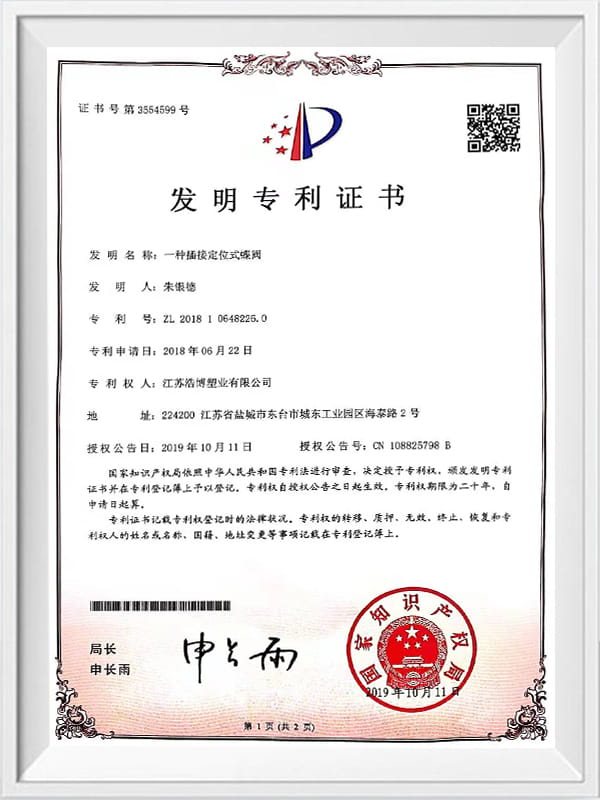
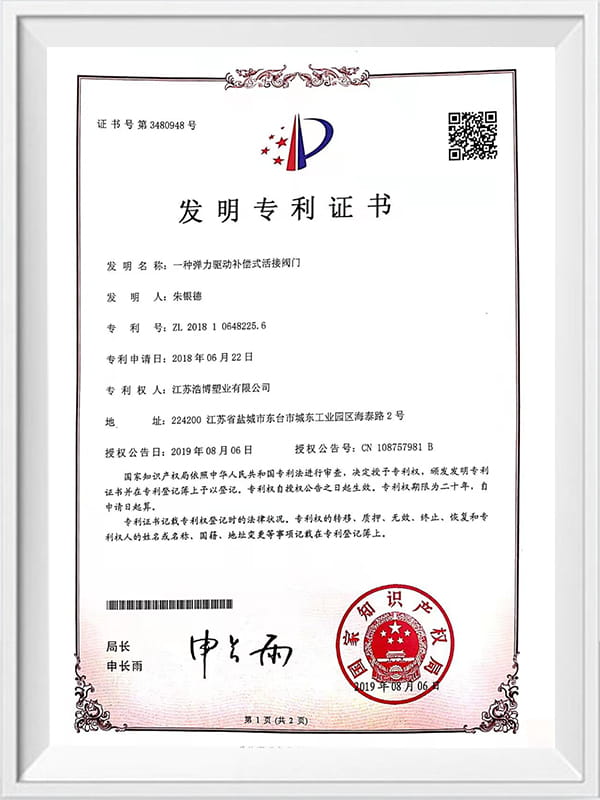
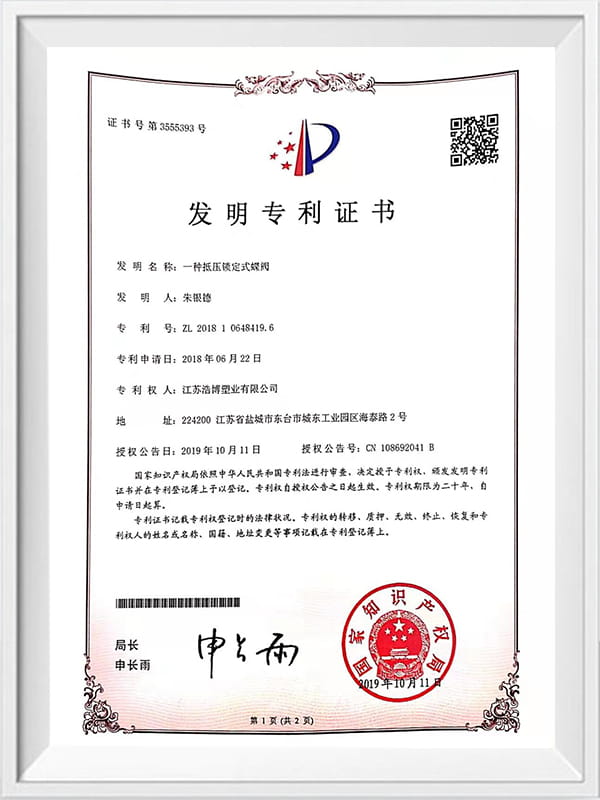
As of December 2024, the company has accumulated 81 patents, including 36 invention patents, 36 utility model patents, and 9 design patents, continuously driving the technological upgrade of valves and pipe fittings.
4. Quality and Brand Commitment
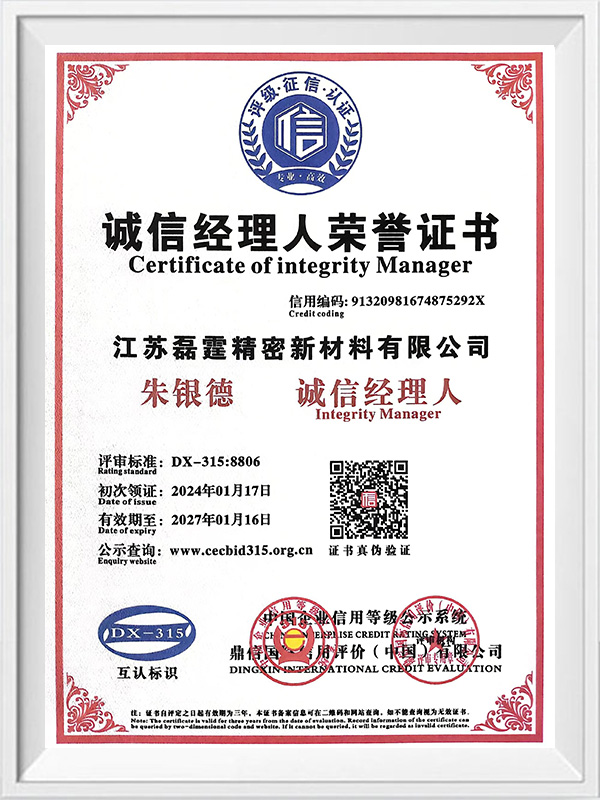
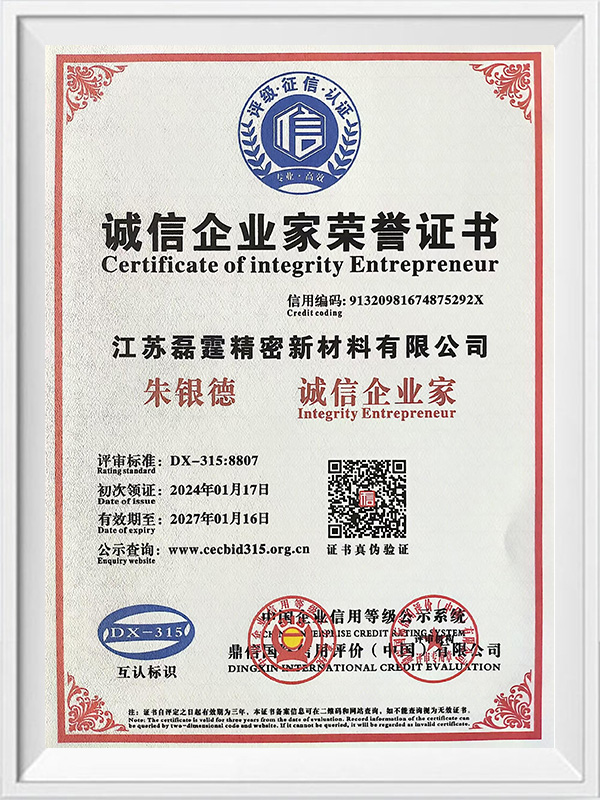
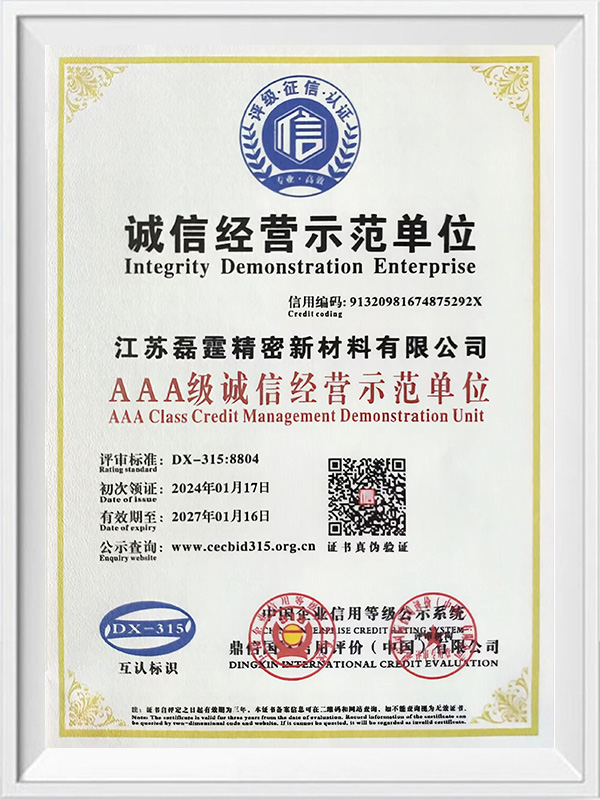
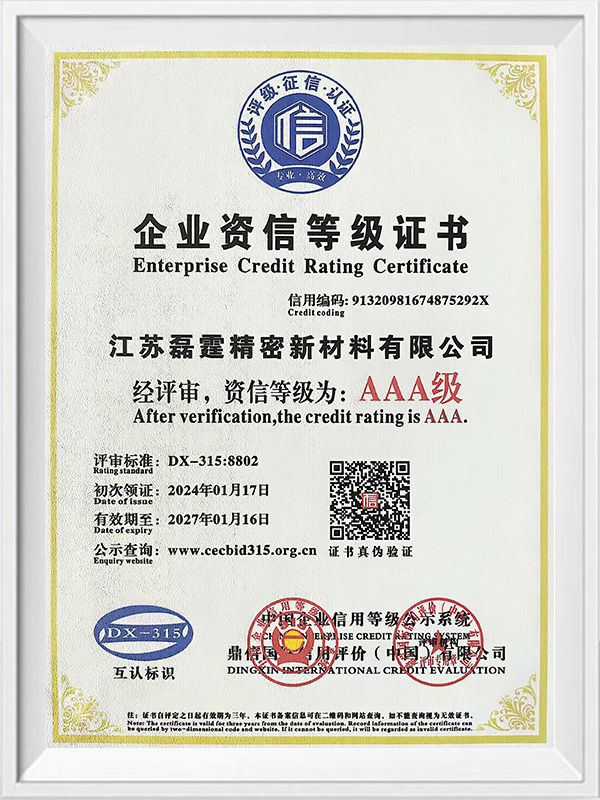
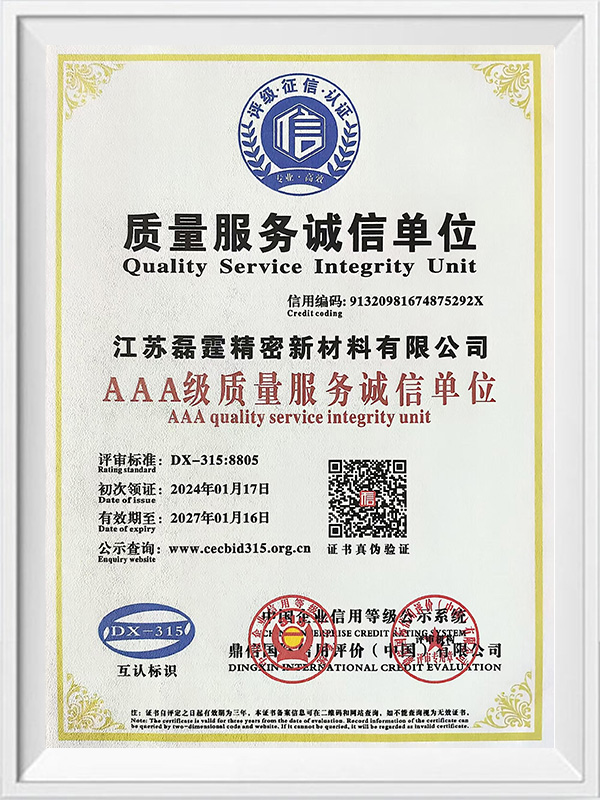
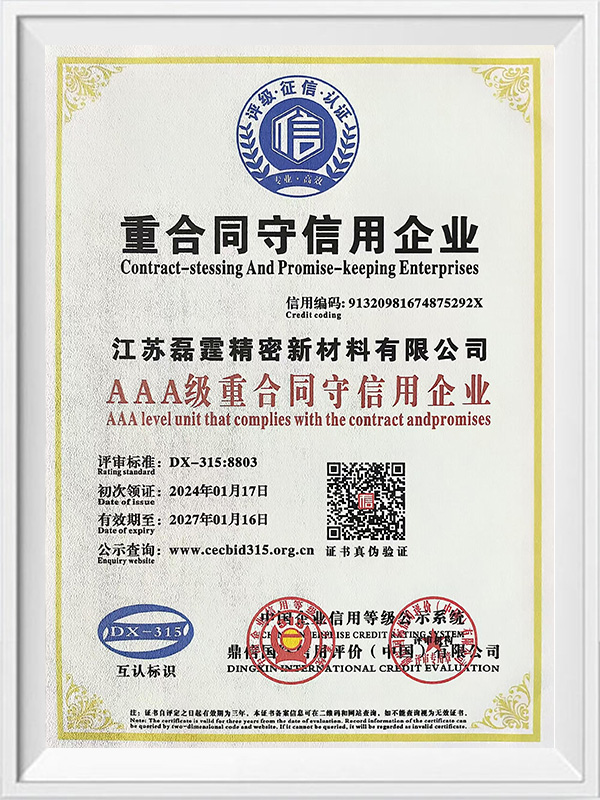
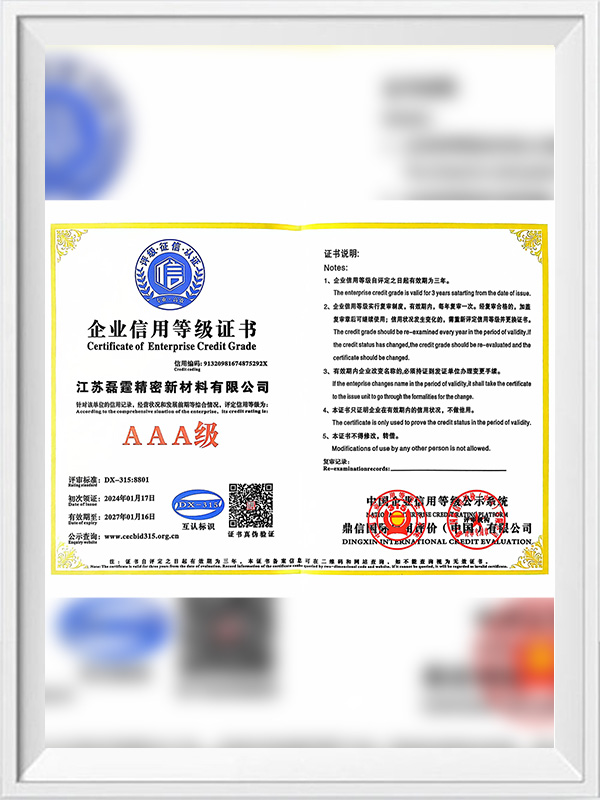
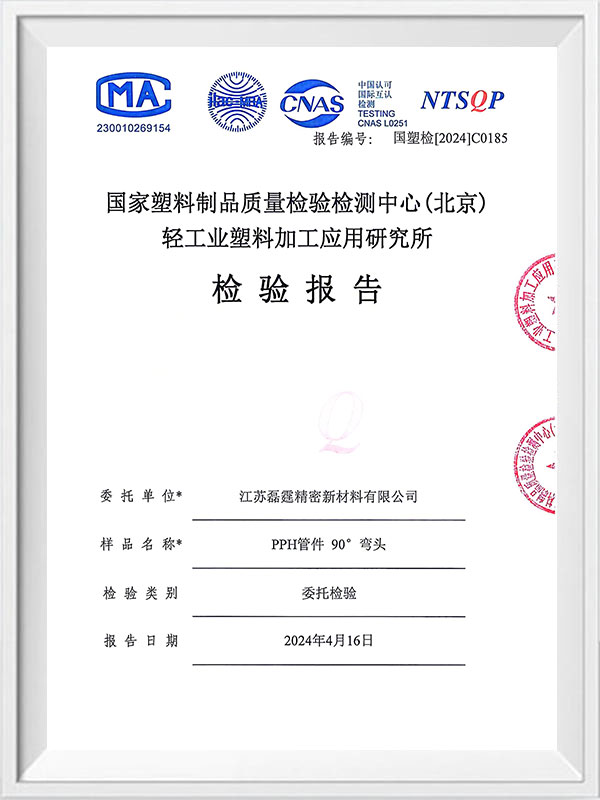
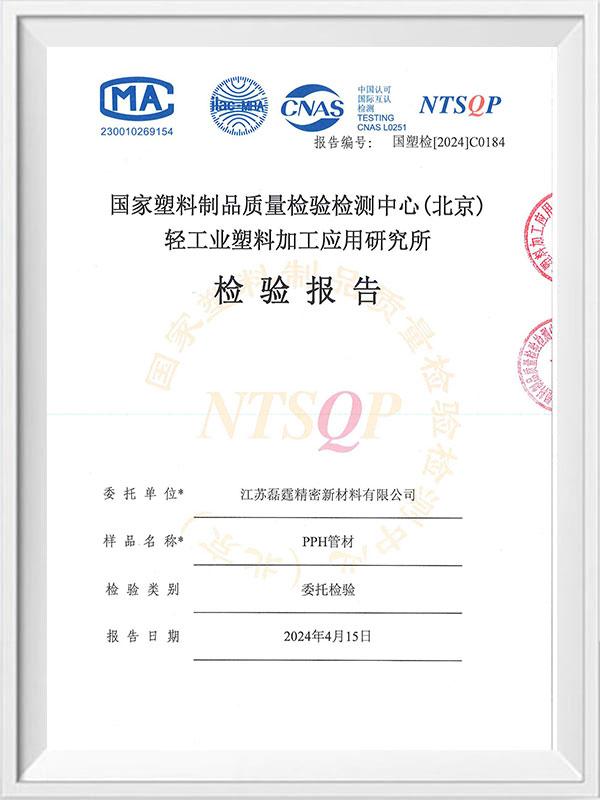
Adhering to the philosophy of "Quality Creates the Market," the company strictly implements the ISO9001 quality management system. Its products have passed numerous domestic and international certifications, winning the trust and praise of customers worldwide.

Products
Company Information
Address: No. 55 Haichuan Road, High-Tech Zone, Dongtai City, Jiangsu Province, China
Mobile: +86 137 7009 5258
Tel: +86-515-85479999
Email: [email protected]
We'd love to hear from you!
