English
 中文简体
中文简体
β--PPH Single and Double Type Pneumatic Flanged Ball Valve
The pneumatic actuator operates at a very high speed, which significantly reduc...
View MoreContent
The fundamental distinction lies in the origin and processing history. Primary raw materials are extracted directly from natural resources (ores, crude oil, forests) and have never been used or processed industrially before. Secondary raw materials are recovered from pre-consumer or post-consumer waste streams and reintroduced into the production cycle. In essence, primary materials come from nature; secondary materials come from recycling.
For example, virgin aluminum produced from bauxite ore is a primary material. Aluminum scrap melted down and reformed into new ingots is a secondary material. This differentiation is critical for industries like manufacturing, waste management, and international trade compliance.
The classification impacts cost, environmental footprint, and regulatory status. Secondary materials typically require up to 95% less energy to process compared to primary materials. For instance, producing steel from scrap reduces energy consumption by 60% and water usage by 40%.
However, secondary materials often face purity challenges. In the semiconductor industry, primary silicon with 99.9999999% purity is mandatory, while secondary silicon is only suitable for lower-grade metallurgical applications.
| Attribute | Primary Raw Material | Secondary Raw Material |
|---|---|---|
| Source | Mines, wells, forests | Industrial scrap, E-waste, End-of-life products |
| CO2 Footprint | High (Baseline) | Reduced by 50-95% |
| Market Price Stability | Subject to geopolitical volatility | Linked to scrap market dynamics |
To distinguish effectively, follow this three-step verification process:
In customs declarations, the Harmonized System (HS) code often dictates this. Codes under Chapter 39 (Plastics) distinguish between "Primary Forms" and "Waste, Parings, and Scrap."
The shift toward secondary raw materials is accelerating. According to the International Resource Panel, the global use of secondary materials avoided approximately 11 billion tons of CO2 emissions in 2023. For the plastics industry, using secondary raw materials (recyclates) instead of primary polymers saves 1.5 tons of CO2 per ton of material.
However, supply chain challenges persist. Only 9% of the global plastic waste is successfully converted into high-quality secondary raw materials, while the rest is downcycled or landfilled. This highlights the "quality gap" between primary and secondary streams.
Advanced manufacturing relies on both streams. Companies like Jiangsu Leiting Precision New Material Co., Ltd. (formerly Jiangsu Haobo Plastic Industry Co., Ltd.) exemplify how the industry bridges this gap. Located at No. 55 Haichuan Road, Dongtai City High-Tech Zone, Jiangsu Province, the company was established in 2008. With a new facility investment of 110 million RMB and an area of 19,980 square meters, they focus on high-purity pipeline applications for solar panels, semiconductors, and pharmaceuticals.
As of December 2024, they hold 81 patents (36 invention, 36 utility, 9 design). This intellectual property allows them to process both primary and secondary raw materials into high-performance components, ensuring that secondary materials meet the rigorous standards of the semiconductor and biochemical industries. Their R&D philosophy, "Technology Creates the Future," drives the innovation needed to upgrade secondary materials to near-virgin quality.
The line between primary and secondary raw materials is blurring due to advanced recycling technologies. By 2030, it is estimated that 30% of global chemical production will be based on secondary raw materials. For procurement managers, distinguishing between the two is no longer just an academic exercise—it is a strategic decision impacting cost, sustainability reporting, and regulatory compliance (such as the EU's Carbon Border Adjustment Mechanism). Always verify the chain of custody and test for material properties to ensure the right classification for your application.
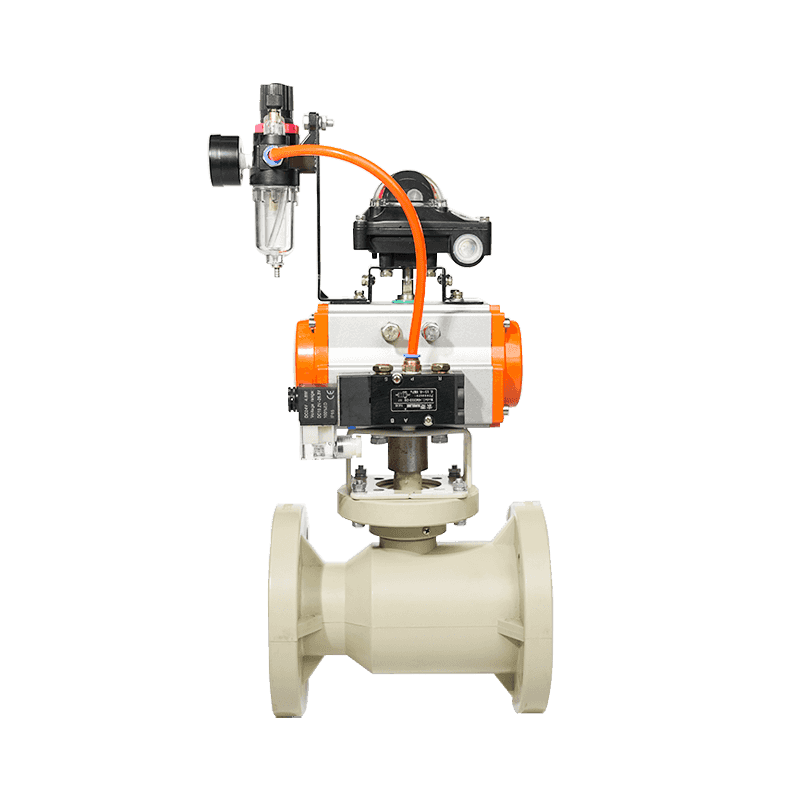
The pneumatic actuator operates at a very high speed, which significantly reduc...
View More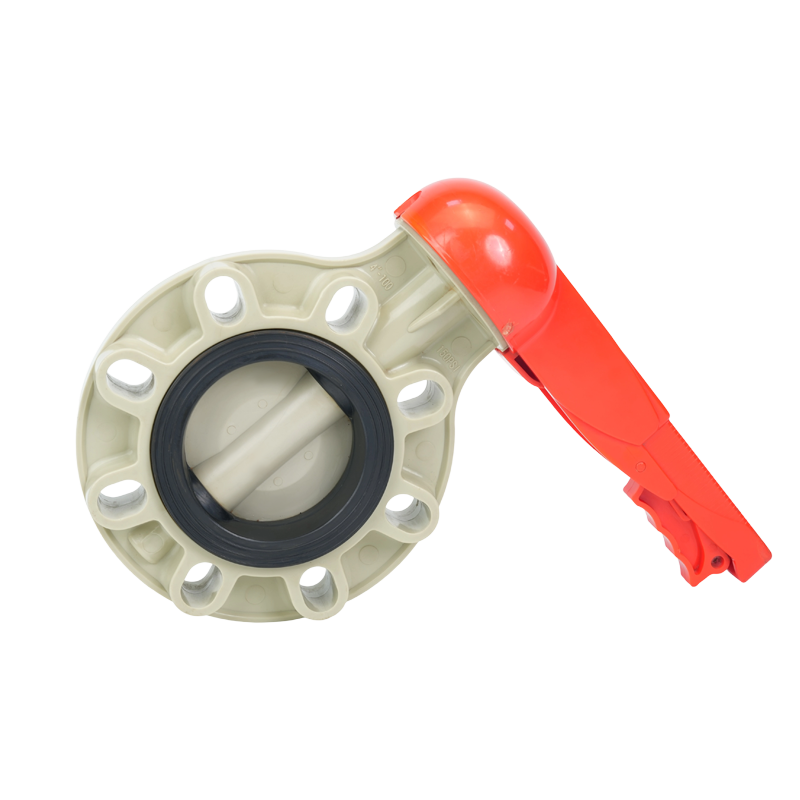
Easy to open and close, low fluid resistance, and simple structure. When fully ...
View More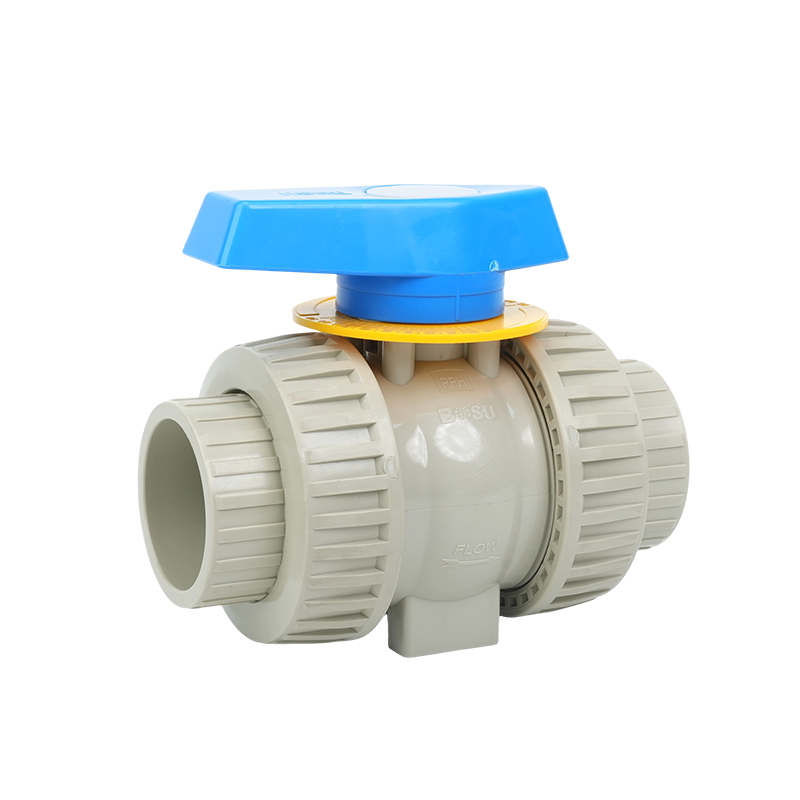
1. Product Features: Personalized handle indication function, install LOGO, medi...
View More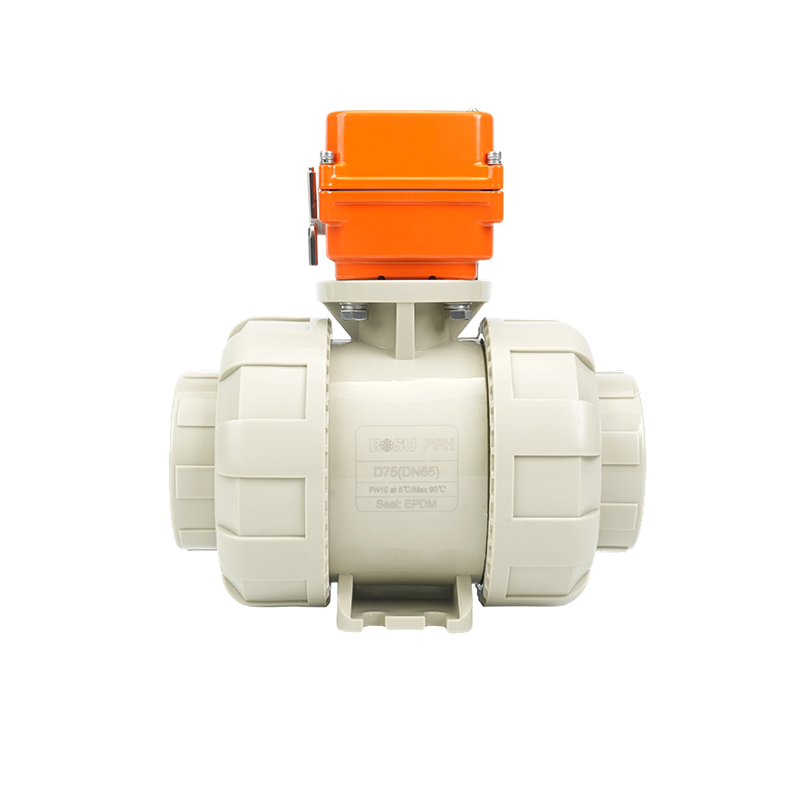
Product Features: Powered by electricity and actuated by an electric actuator, ...
View More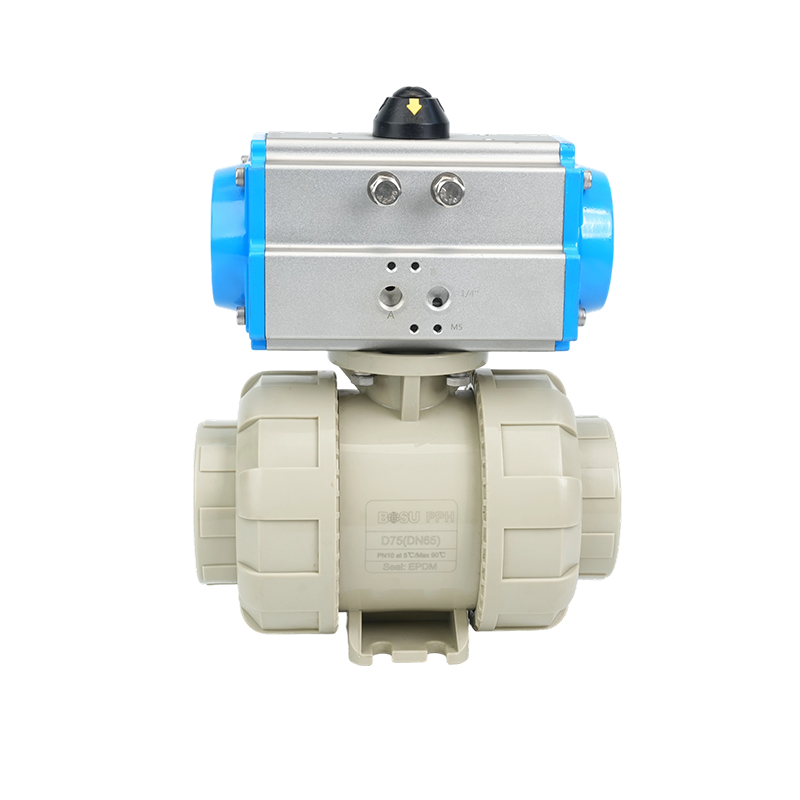
Product Features: This automatic device utilizes compressed air to actuate the ...
View More
Products
Company Information
Address: No. 55 Haichuan Road, High-Tech Zone, Dongtai City, Jiangsu Province, China
Mobile: +86 137 7009 5258
Tel: +86-515-85479999
Email: [email protected]
We'd love to hear from you!