 English
 中文简体
中文简体
β-Pph Inner Tooth Direct Hot Melt Socket Pipe Fitting 1.0mpa
1. Fast and reliable installation, convenient and time-saving; smooth inner and ...
View MoreContent
To use plastic pipe most effectively, you must first match the specific polymer properties to the application's chemical, thermal, and pressure demands. There is no single "best" plastic pipe. The effectiveness is determined by a simple formula: Correct Material + Proper Support + Accurate Jointing = Maximum Lifespan and Performance. For instance, using PVC for a high-temperature industrial line will guarantee failure, just as using standard PP for UV-exposed outdoor runs will lead to degradation. The most effective strategy is to treat plastic piping as an engineered system, not just a commodity.
The foundation of effective plastic pipe usage is selecting the right raw material. Each polymer offers a distinct profile of chemical resistance, temperature tolerance, and mechanical strength. The wrong choice is the primary cause of system failure. Below is a guide to the most common high-performance materials used in industrial applications, such as those manufactured by Jiangsu Leiting Precision New Material Co., Ltd.
| Material | Max Temp | Key Strength | Primary Industry Use Case |
|---|---|---|---|
| UPVC | 60°C | Structural Rigidity, Corrosion Resistance | Chemical drainage, water treatment, aquariums |
| CPVC | 93°C | High-Temperature Resistance | Industrial hot water, chemical processing |
| PPH | 80°C | Chemical Purity, Fatigue Resistance | Pharmaceuticals, ultra-pure water, semiconductors |
| PVDF | 120°C | Extreme Chemical & Abrasion Resistance | High-purity chemicals, ironmaking scrubbers |
For example, in the semiconductor industry, where purity is paramount, PPH and PVDF pipes are the standard due to their non-leaching properties. Using a lesser material here would contaminate the entire batch, leading to massive financial losses.
Effectiveness is not just about the pipe itself, but how it is installed. The most common mistake is treating plastic like metal. Plastic pipes have a high coefficient of thermal expansion. To use them effectively, you must accommodate for movement.
Ignoring the 15% expansion rule—the factor by which plastic can move compared to metal—is the leading cause of buckling and joint failure in newly commissioned plants.
To use plastic pipe most effectively, you must understand that pressure ratings decrease as temperature increases. A pipe rated for 150 psi at 23°C (73°F) might only handle 75 psi at 60°C (140°F). This is a critical derating factor.
Always apply a safety factor of 2:1 for steady-state systems and 4:1 for systems with surge or water hammer. For instance, if your system operates at 100 psi, you should select a pipe rated for at least 200 psi at the operating temperature. This practice, backed by the expertise of companies like Jiangsu Leiting Precision (holding 81 patents as of Dec 2024), ensures long-term reliability and prevents catastrophic failures in high-stakes environments like chemical plants or ironmaking facilities.
The theory becomes clear when looking at specific industrial applications. Here is how precise plastic pipe usage solves real-world problems.
In solar panel production lines, aggressive etchants and high-purity rinse water are used. Using PVDF pipes for the chemical etch loop extends service life from 6 months (with metal) to over 10 years. This is because PVDF is inert to the aggressive acids used, whereas metal would corrode and leach contaminants.
For large public aquariums, corrosion from saltwater is the enemy. UPVC and specific PP fittings are the most effective choice. They do not rust, and their smooth internal bore prevents biological buildup (biofouling), maintaining flow rates. A properly specified UPVC system in a marine environment can last 25+ years with zero internal corrosion.
Pharmaceutical manufacturing requires sterile environments. PPH piping systems, joined by infrared butt fusion, create a monolithic, smooth surface with no crevices where bacteria can hide. This effectiveness is measured in "sterilize-in-place" (SIP) cycles. High-purity PPH can withstand over 1,000 SIP cycles without losing structural integrity, ensuring drug purity.
While the initial cost of high-performance plastics like PVDF or CPVC may be higher than basic metals or standard plastics, the lifecycle cost is significantly lower. This is the ultimate measure of "effective" use. Since its establishment in 2008, manufacturers like Jiangsu Leiting Precision New Material Co., Ltd. have focused on this lifecycle value.
Consider a facility with 1,000 meters of piping. Using a low-grade material might save $10,000 upfront. However, if that system fails after 2 years, causing plant shutdowns that cost $50,000 per day in lost production, the "cheap" option becomes a financial disaster. Effective use of plastic pipe means investing in materials from reputable manufacturers—those with proven R&D and patents—to ensure a system lifespan that matches the plant's operational goals, often exceeding 20 years in harsh industrial environments.
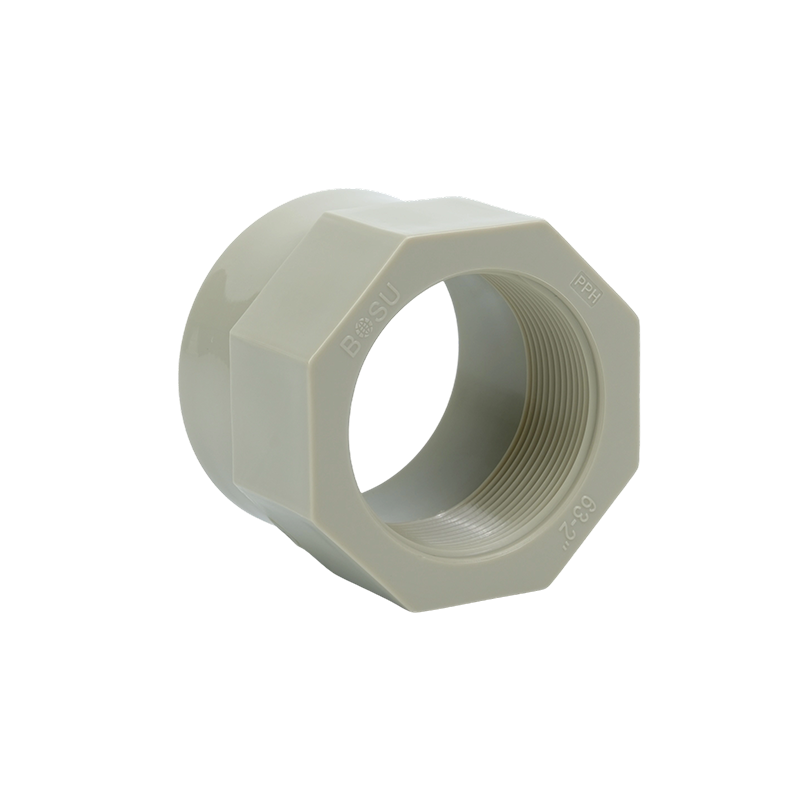
1. Fast and reliable installation, convenient and time-saving; smooth inner and ...
View More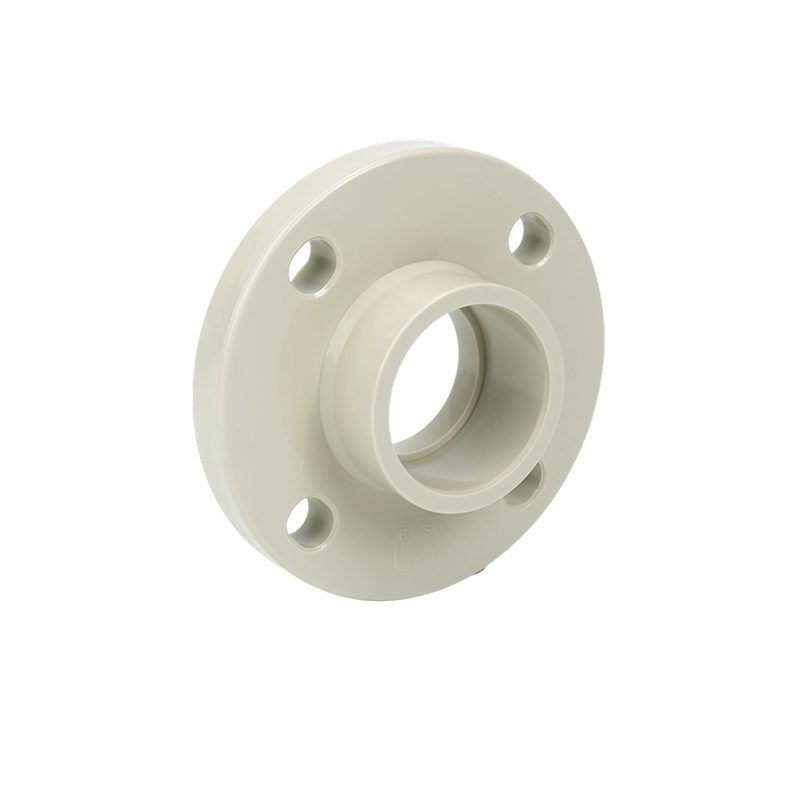
Product Features: Easy to install, these fittings are used in pairs at pipe end...
View More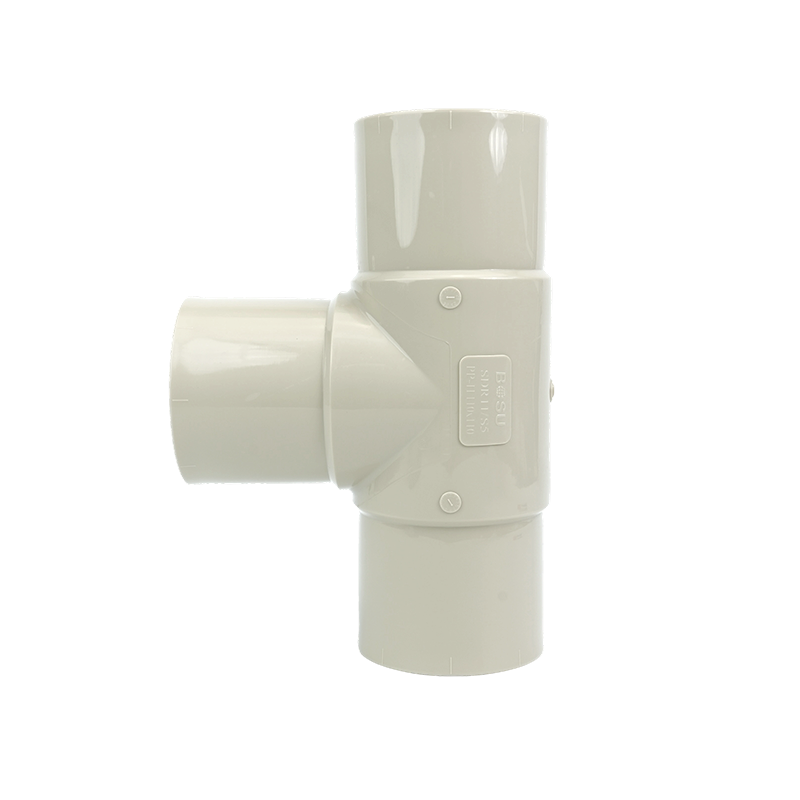
1. It features an elongated, streamlined profile with smooth internal and extern...
View More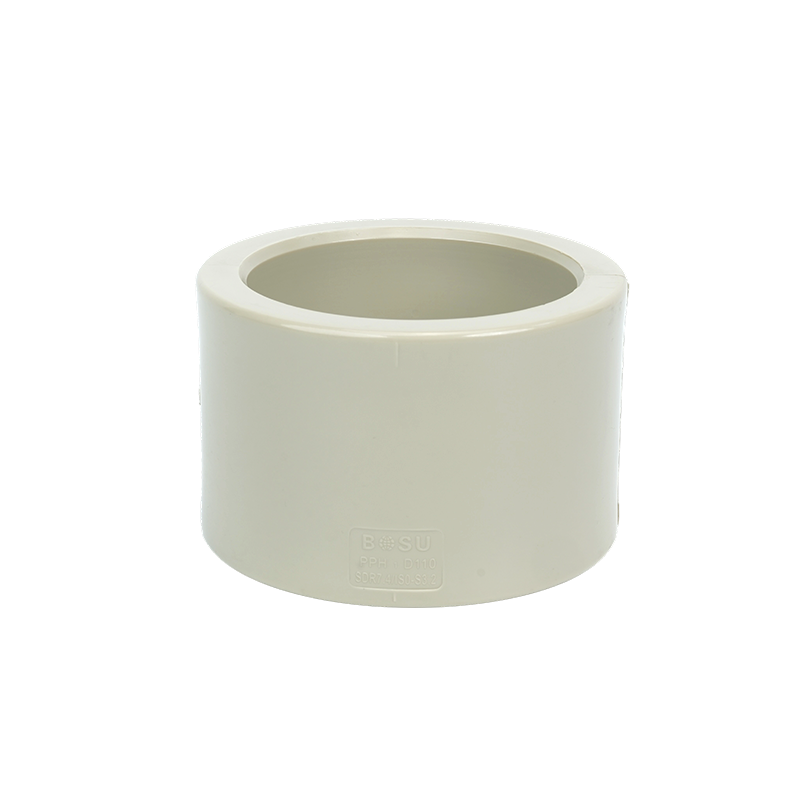
Used in piping systems requiring plain end connections. Specifications: DN15(D20...
View More
1. Durable, anti-corrosion, light weight, function as a closed pipeline, easy in...
View More
1. Durable, anti-corrosion, light weight, function as a closed pipeline, easy in...
View More
Products
Company Information
Address: No. 55 Haichuan Road, High-Tech Zone, Dongtai City, Jiangsu Province, China
Mobile: +86 137 7009 5258
Tel: +86-515-85479999
Email: [email protected]
We'd love to hear from you!
