What are PPN raw material particles?
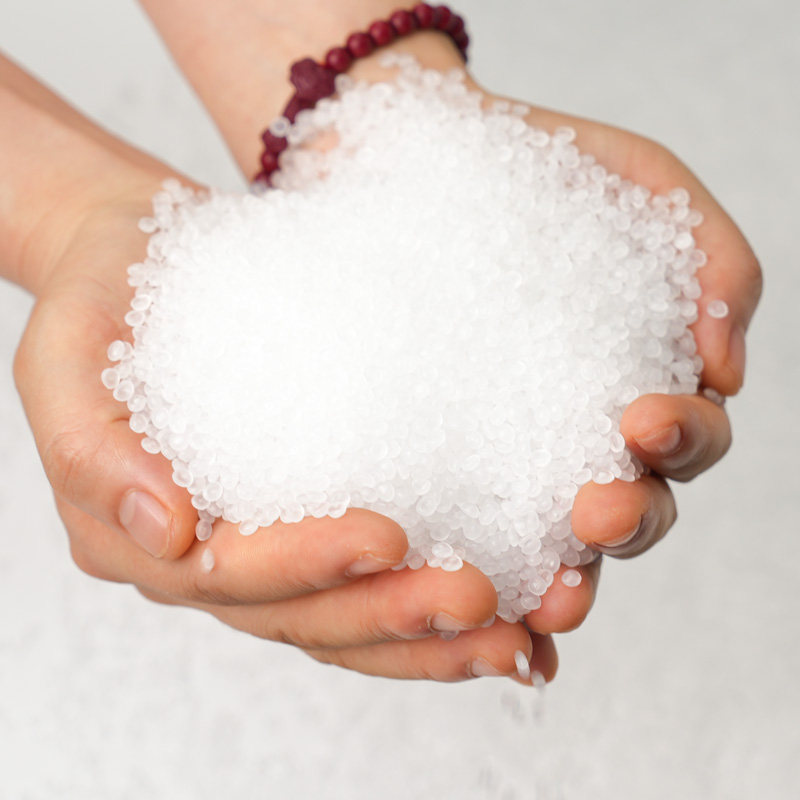
PPN raw material particles actually refer to polypropylene (PP) raw material granules, a granular form of thermoplastic resin, commonly used in injection molding, extrusion, and other processes to produce precision components such as valves and pipe fittings.
1. Particle size and morphology: The particle size is typically between 0.1–5 mm, with a smooth surface and good flowability, facilitating uniform filling of the mold in a molten state at high temperatures.
2. Processing advantages: Polypropylene possesses low density, chemical corrosion resistance, and impact resistance, enabling PPN particles to achieve lightweight and high reliability when manufacturing high-strength valve bodies.
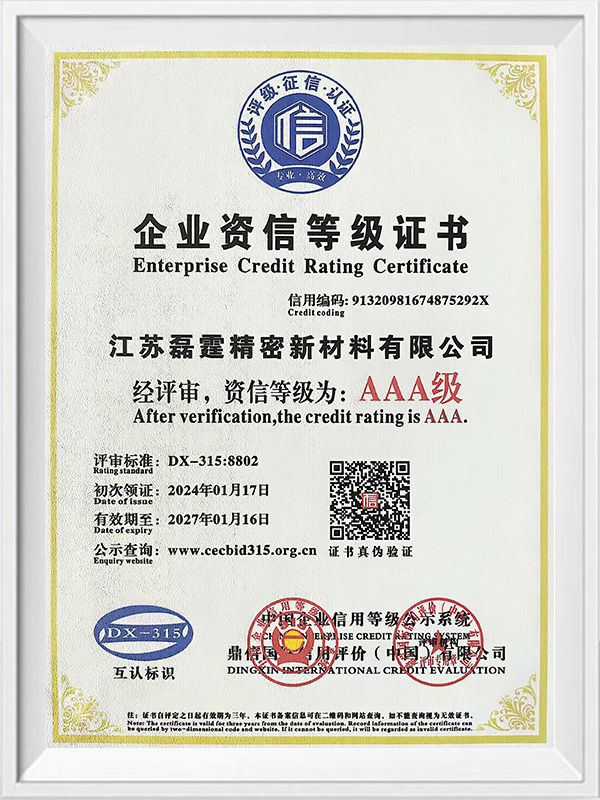
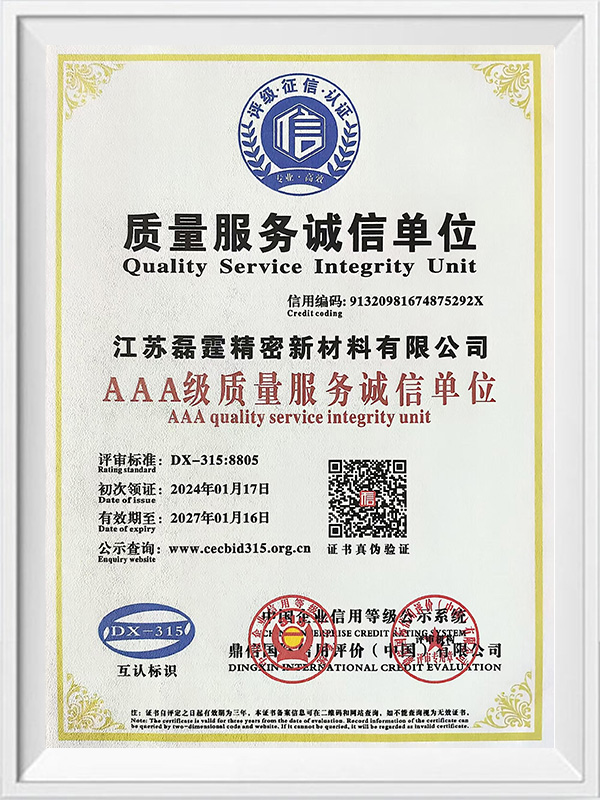
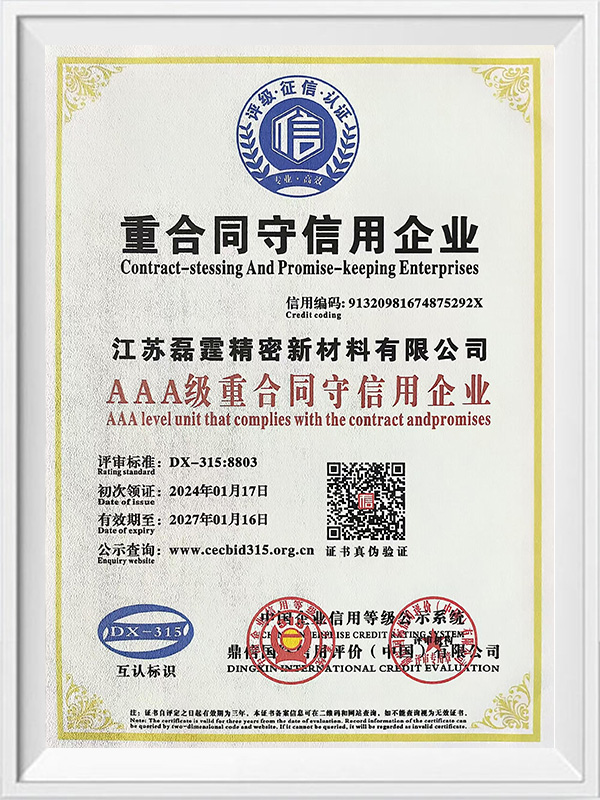
3. Company advantages: Jiangsu Leiting Precision New Materials Co., Ltd. has a 19,980㎡ modern production workshop, employing advanced drying and dehumidification systems to ensure that the moisture content of PPN raw material particles is strictly controlled below 0.02%, improving the quality of subsequent molding.
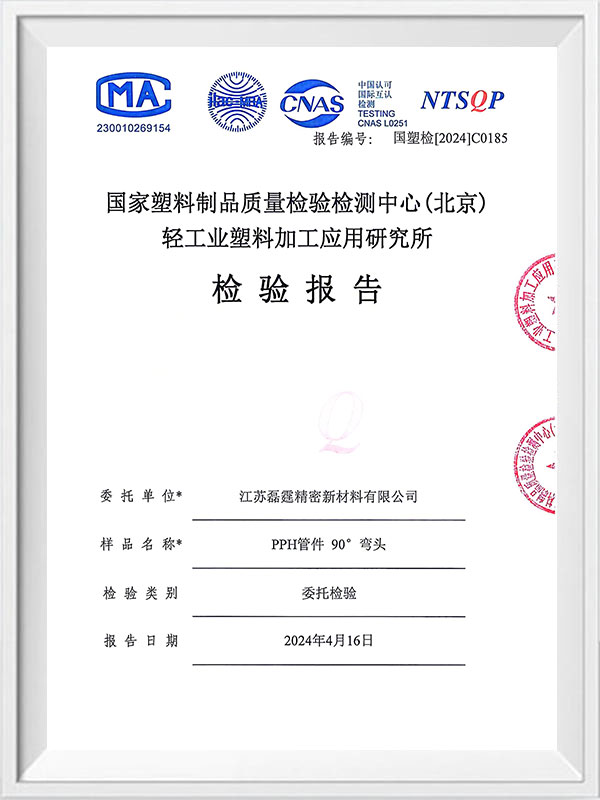
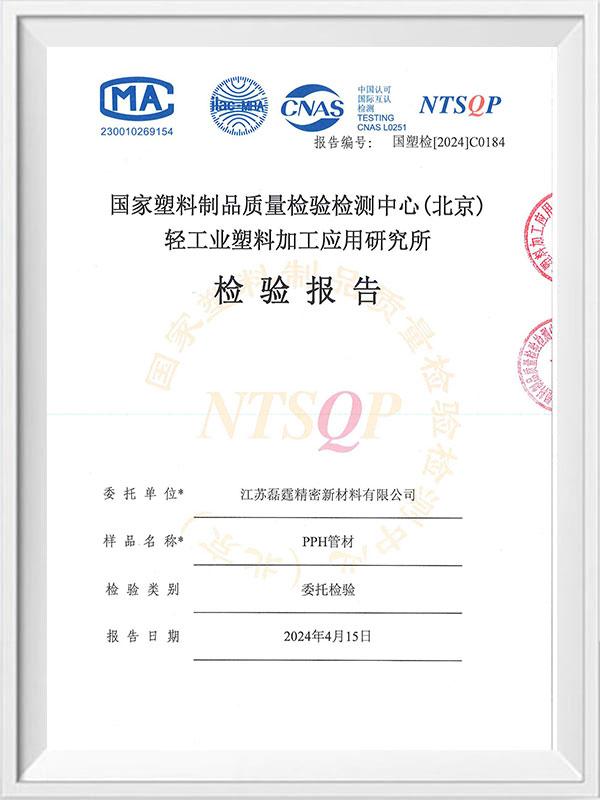
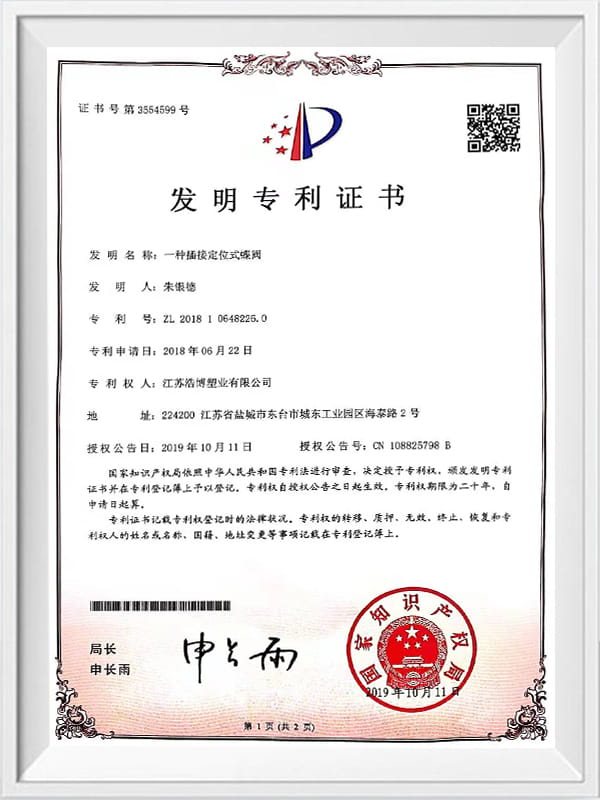
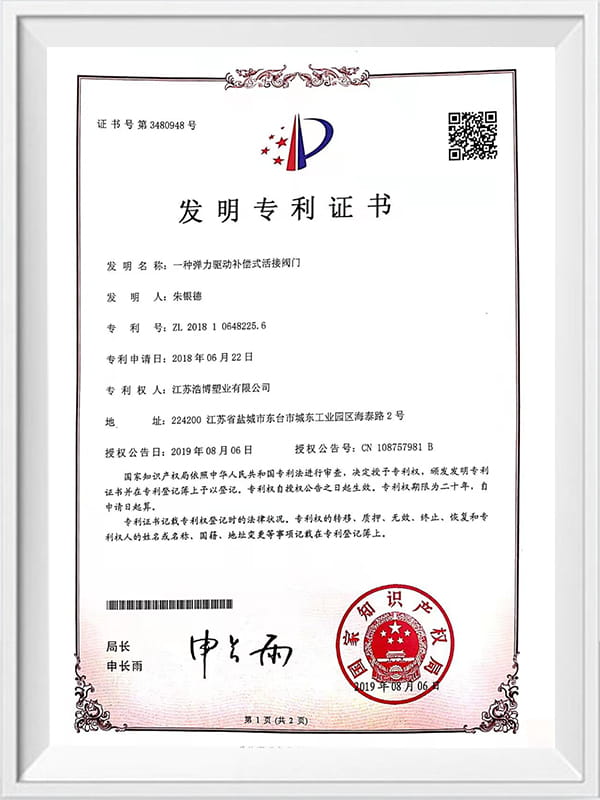
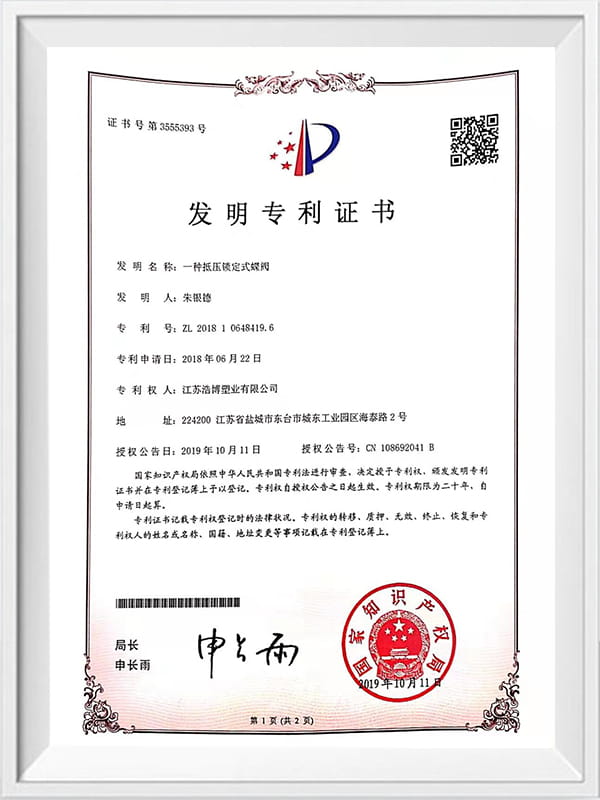
4. Patent Protection: As of December 2024, the company had accumulated 81 patents (including 36 invention patents), covering PPN particle modification, surface treatment, and composite processes, ensuring its leading technological position in the industry.
What is the mechanism of action of PPN raw material particles in lithium battery separators?
The separator, a core safety component of lithium-ion batteries, is typically made of polypropylene (PP) or polypropylene-polyethylene (PP/PE) composite membranes. The key role of PPN particles in separator production is reflected in the following aspects:
1. Forming a microporous structure: Through stretching or thermally induced pore processes, PPN particles are melted and stretched to create uniform micropores, allowing lithium ions to migrate freely while blocking electrons, preventing internal short circuits.
2. Thermal stability barrier: PPN itself has a melting point of approximately 165℃. When the battery overheats, the polyethylene layer softens and seals the pores first, while the PPN layer continues to provide mechanical support, forming a multi-layered thermal protection layer, significantly improving the battery's thermal runaway safety.
3. Chemical Inertness: Polypropylene exhibits excellent chemical compatibility with common electrolytes (such as carbonates), maintaining membrane integrity over the long term and preventing pore enlargement or leakage due to corrosion.
4. Company Technical Support: Leiting Company holds multiple invention patents in PPN raw material modification, enabling it to produce low-water-absorption, high-impact-resistant PP granules. These granules provide high-strength, low-resistance raw materials specifically for lithium-ion battery separators, meeting the stringent requirements of high-end markets such as automotive and energy storage.

 English
 中文简体
中文简体