What are β-PPH raw material particles?
1. Material Nature: β-PPH (β-crystalline homopolymer polypropylene) is a high molecular weight, low melt index homopolymer polypropylene with excellent chemical resistance, high temperature resistance, impact resistance, and creep resistance.
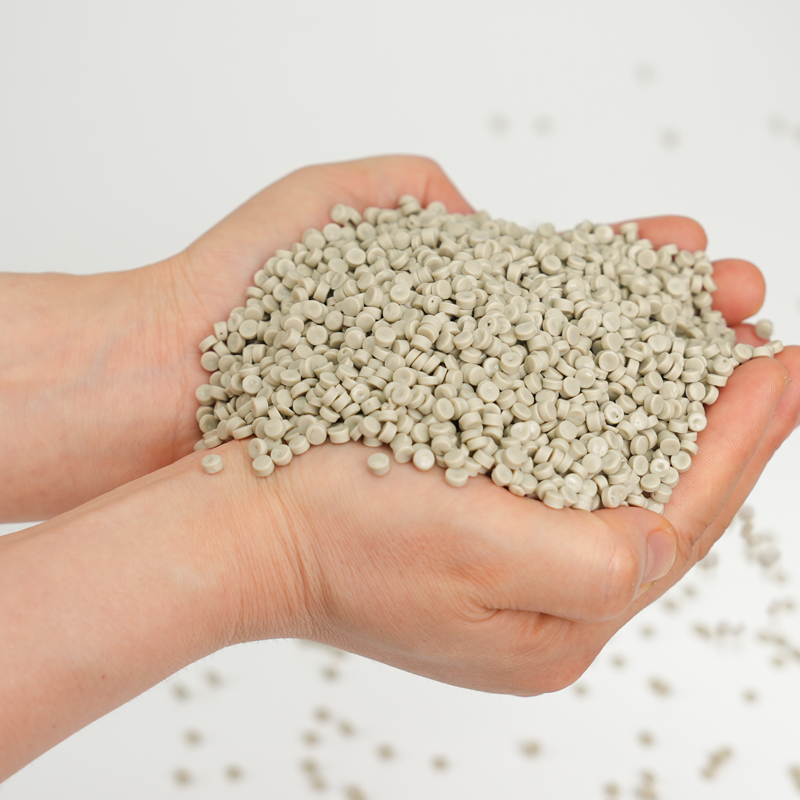
2. Product Form: Provided in granule form (approximately 3mm in diameter), with uniform color, odorless, and a density of 1.3~1.4 g/cm³.
3. Core Advantages: In the production of various forms such as pipes, sheets, and plates, β-PPH granules can significantly improve the toughness, wear resistance, and corrosion resistance of materials, meeting the stringent requirements of high-end industries such as chemical, semiconductor, and pharmaceutical industries.
What is the mechanism of action of these granules in the production of β-PPH raw material particles?
1. Raw Material Preparation and Drying: The β-PPH granules are first dried to remove moisture and prevent the formation of air bubbles during melt extrusion.
2. Heating and Melting: The dried granules are fed into the extruder hopper. The screw rotates and heats the material, melting the granules within the range of 180~230℃.
3. Extrusion Molding: The molten polypropylene is pushed into the die by the screw, where it cools and solidifies due to the shape of the die, forming pipes, sheets, or other products.
4. Quality Control: Through precise melt flow rate (0.2~0.4g/10min) and rigorous dimensional and density testing, the final product ensures that it meets international standards such as ISO15494.

 English
 中文简体
中文简体