 English
 中文简体
中文简体
β--PPH Integral Flange Socket Fusion Pipe Fitting 1.0MPa
Product Features: Easy to install, these fittings are used in pairs at pipe end...
View MoreContent
For most residential and low-pressure industrial water lines, 0.6 MPa piping is sufficient. For general chemical transfer, cooling loops and standard process water at moderate flow, 1.0 MPa is the common industry default. For compressed media, deep well discharge, high-rise distribution or safety-critical chemical dosing lines, 1.6 MPa is the correct choice. The right answer depends on your working pressure, temperature, pipe diameter and the safety margin required by your application, not on habit or what was used last time.
Pressure rating, expressed in MPa (megapascals) or sometimes in bar, describes the maximum internal pressure a pipe or fitting can safely handle at a reference temperature, typically 20°C. A pipe rated at 1.0 MPa can handle roughly 10 bar or about 145 psi at room temperature, but that number drops as the operating temperature rises. This is the single most common mistake in system design: selecting a pressure class based on cold-water figures and then running hot or pressurized fluid through it.
In Piping products used across photovoltaic, semiconductor, chemical and pharmaceutical lines, undersizing pressure rating leads to pipe wall creep, joint failure at welds, and premature valve seat wear. Oversizing wastes material cost and adds unnecessary wall thickness that can restrict flow diameter for a given nominal size.
0.6 MPa (approximately 87 psi) is the entry-level pressure class typically applied to larger diameter pipes, such as DN65 and above, used in gravity-fed or low-head pumped systems. It is common in:
A typical 0.6 MPa PPN or PVDF pipe in DN100 (D110mm) carries a working safety factor that assumes steady, low-turbulence flow. It is not intended for pump discharge lines with pressure spikes or for systems with frequent valve-closure water hammer.
1.0 MPa (about 145 psi) is the most widely specified class across general industrial piping. It covers the pressure range most pumped water, dilute chemical, and cooling water systems actually operate in, including a reasonable safety margin above normal working pressure. Typical uses include:
Because 1.0 MPa pipe walls are thicker than 0.6 MPa pipe at the same nominal diameter, the same DN size will have a slightly smaller internal bore. This matters when flow velocity and pressure drop calculations are tight.
1.6 MPa (roughly 232 psi) is reserved for higher-pressure pump discharge, compressed fluid handling, and applications where a failure would be costly or hazardous. Typical scenarios:
1.6 MPa pipe and matching Plastic Valve components carry thicker walls and reinforced seat designs, and they typically cost 15 to 30 percent more per meter than an equivalent 1.0 MPa run, depending on material.
| Pressure Class | Approx. Working Pressure | Typical Diameter Range | Common Use Case |
| 0.6 MPa | About 87 psi / 6 bar | DN65 to DN200 | Gravity or low-head transfer, drainage, large-bore lines |
| 1.0 MPa | About 145 psi / 10 bar | DN15 to DN150 | General process water, cooling loops, standard chemical transfer |
| 1.6 MPa | About 232 psi / 16 bar | DN15 to DN110 | High-pressure dosing, pump discharge, water-hammer-prone lines |
The following series cover the three pressure classes discussed above across β-PPH, PPN, and PVDF materials, giving you a direct starting point for spec matching.
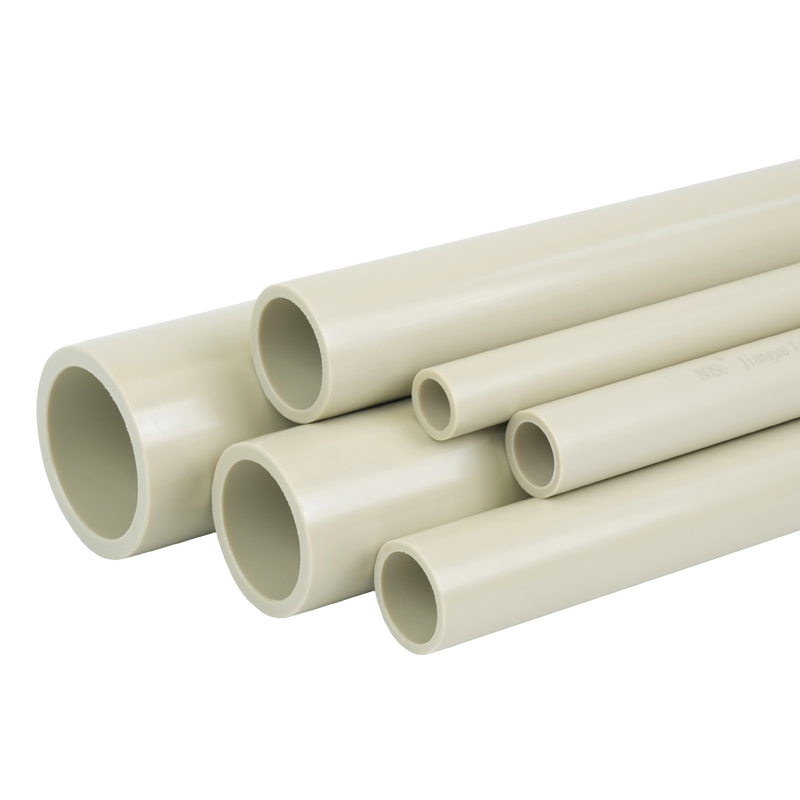 Beta-PPH Pipes 1.0 MPa Series
 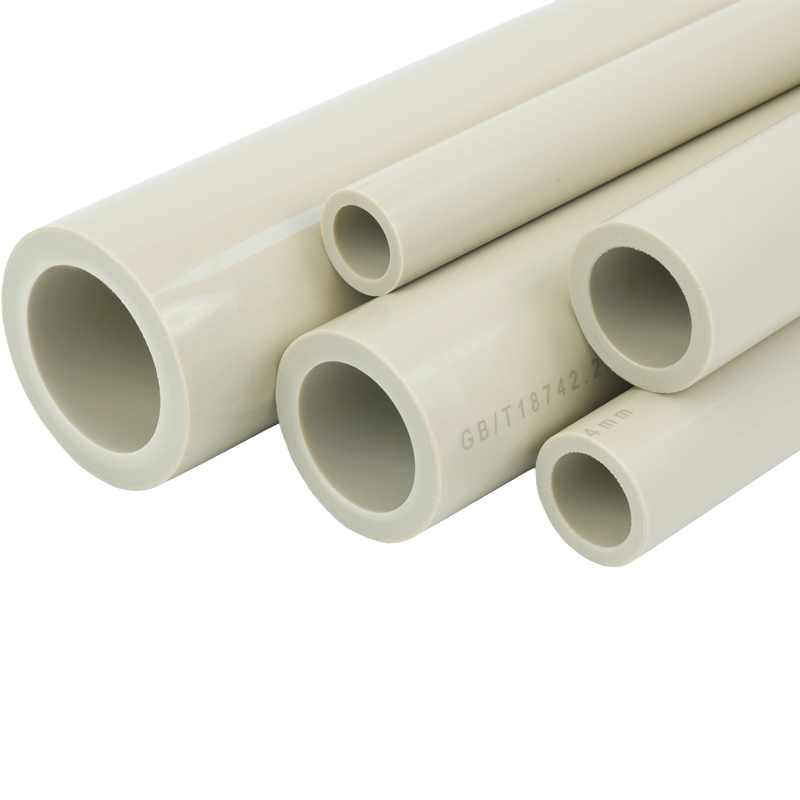 Beta-PPH Pipes 1.6 MPa Series
 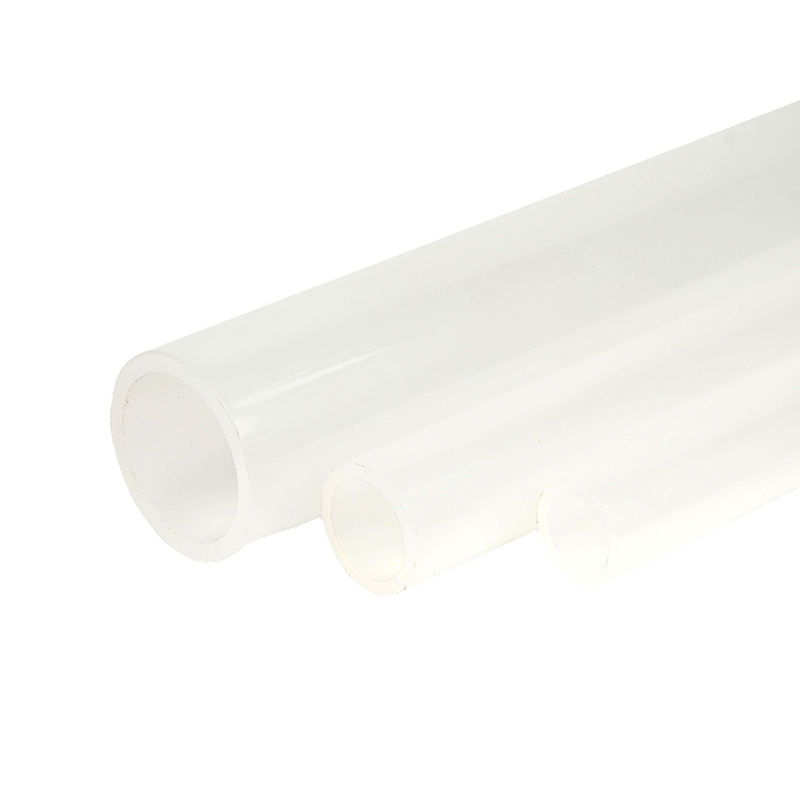 PPN Pipes 0.6 MPa Series
 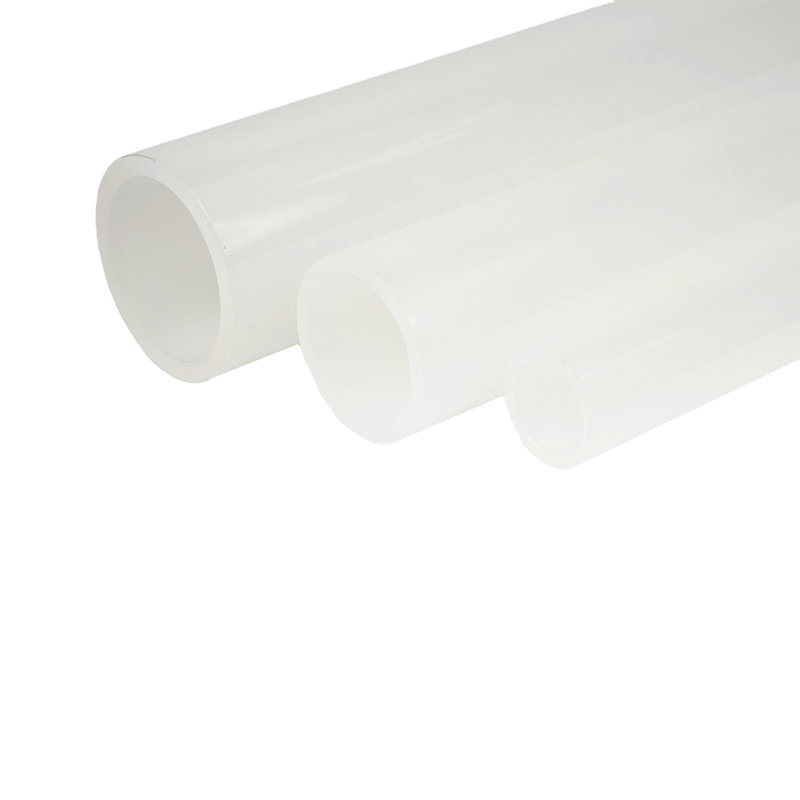 PPN Pipes 1.0 MPa Series
 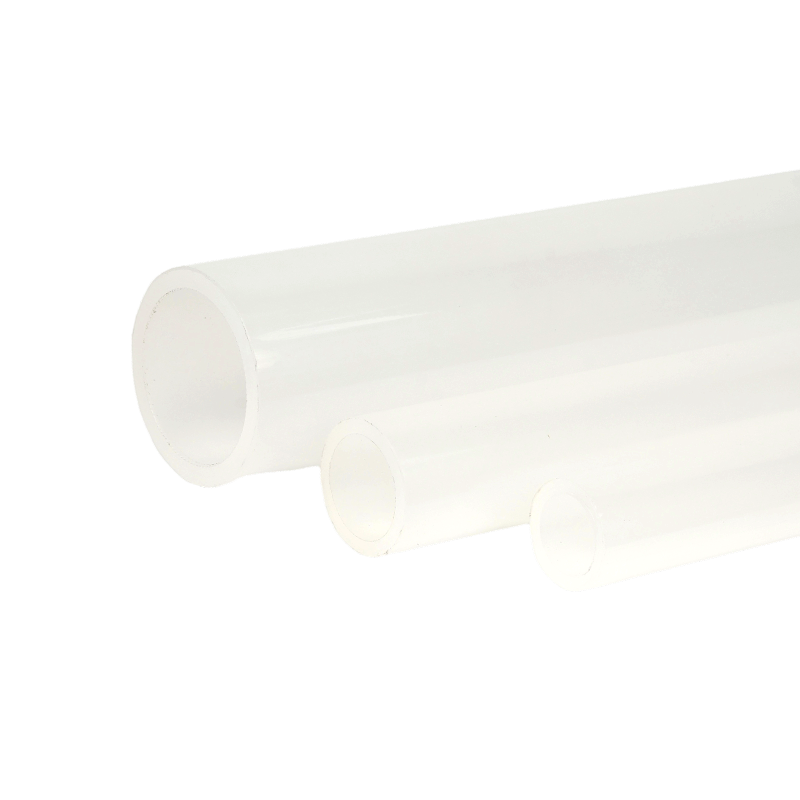 PVDF Pipes 1.6 MPa Series
 Pressure rating and material grade work together, not separately. A 1.0 MPa PVDF pipe and a 1.0 MPa PPN pipe share the same mechanical pressure rating, but they behave very differently in a strong acid line or at elevated temperature. As a general guide:
Choosing the pressure class first, then the material grade that matches your fluid chemistry, avoids the common error of specifying a chemically resistant pipe that is still mechanically undersized for the actual line pressure.
A pipe run is only as strong as its weakest connected component. Ball valves, butterfly valves, check valves and foot valves in a Valve Systems assembly must carry a pressure rating equal to or higher than the connected pipe, particularly at the valve seat and stem seal, which typically fail before the pipe body does under overpressure. When pairing a Plastic Valve with 1.6 MPa piping, confirm that the valve's PN rating, not just its nominal diameter, matches or exceeds 1.6 MPa, since many standard valve lines are only rated to 1.0 MPa by default.
| Mistake | Consequence |
| Rating pipe by cold static pressure only | Failure once fluid temperature rises above 20°C reference point |
| Ignoring water hammer from pump cycling | Transient pressure spikes exceed the steady-state rating |
| Mismatched valve and pipe pressure class | Valve seat leaks or fails before the pipe body is stressed |
| Over-specifying pressure class everywhere | Unnecessary material cost and reduced internal bore diameter |
Start with your actual maximum working pressure, add a realistic margin for pump surges or thermal expansion, then select the next standard class up. If your calculated maximum is 0.5 MPa, choose 0.6 MPa only when the line has no surge risk; otherwise move to 1.0 MPa. If your line regularly approaches 0.9 MPa or includes intermittent pump discharge spikes, 1.6 MPa is the safer specification rather than pushing a 1.0 MPa pipe to its limit. For dosing lines carrying concentrated acids or alkalis, pair the pressure decision with a PVDF or PPN chemical compatibility check before finalizing the order.
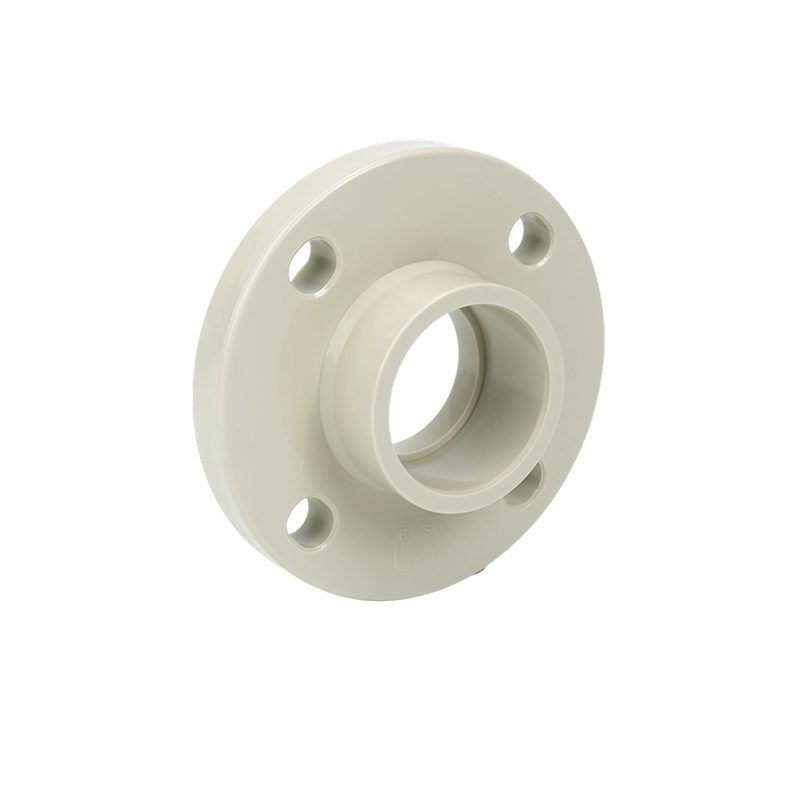
Product Features: Easy to install, these fittings are used in pairs at pipe end...
View More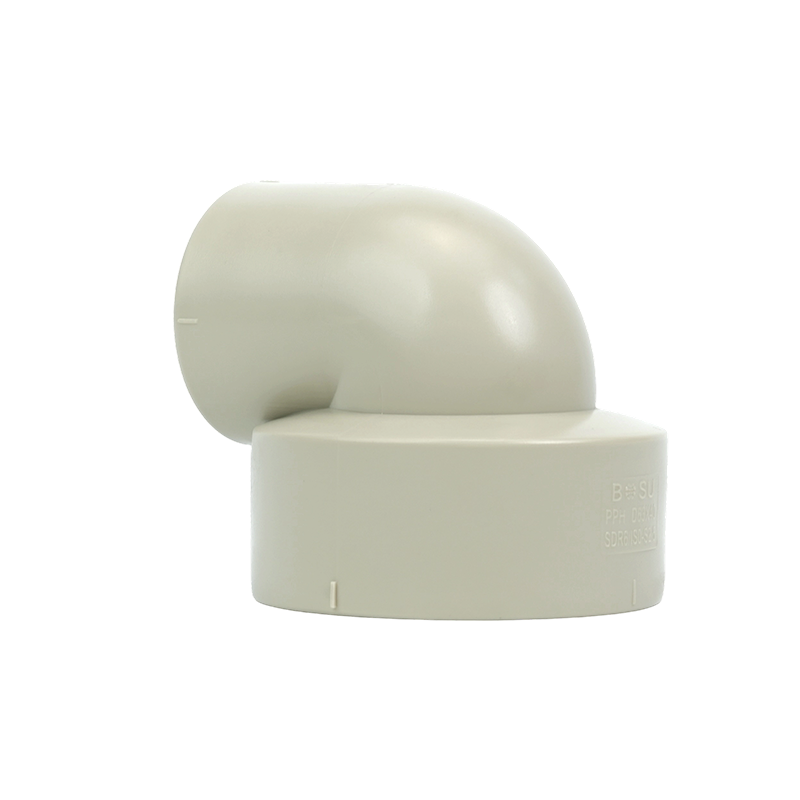
1. This fitting is used to connect two pipes of different diameters, achieving a...
View More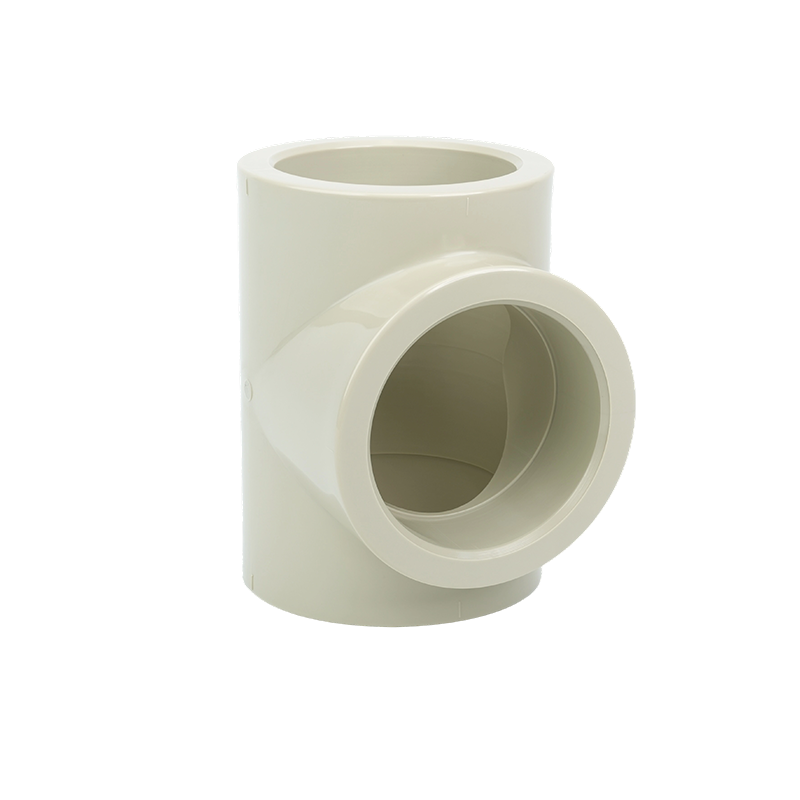
1. It is a type of pipeline fitting, used where the main pipeline needs to branc...
View More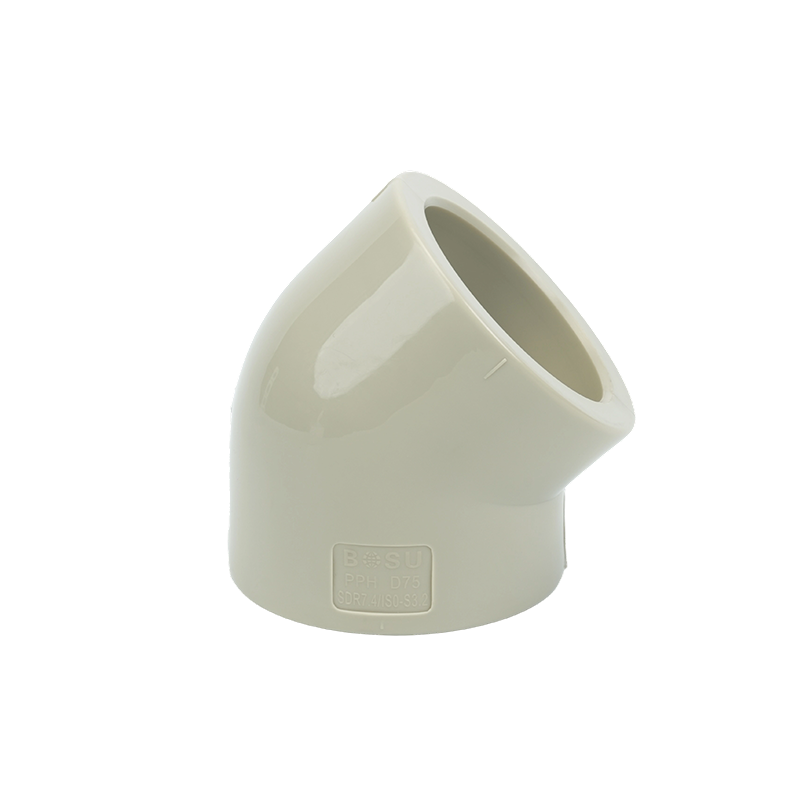
1.This fitting is used to change the direction of a pipeline at a 45-degree ang...
View More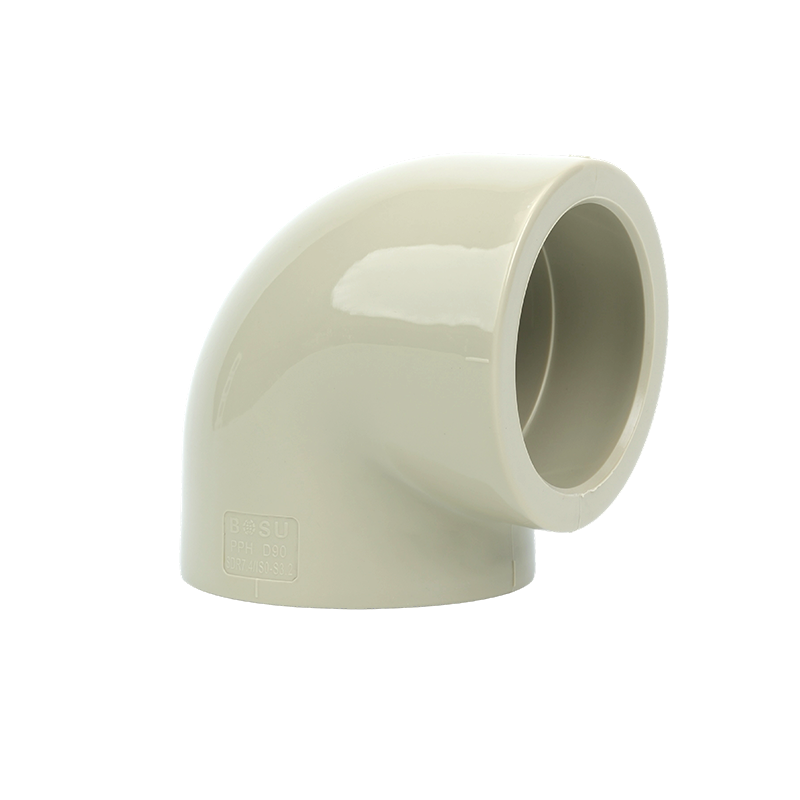
1. This fitting is designed for 90-degree directional changes in pipelines and i...
View More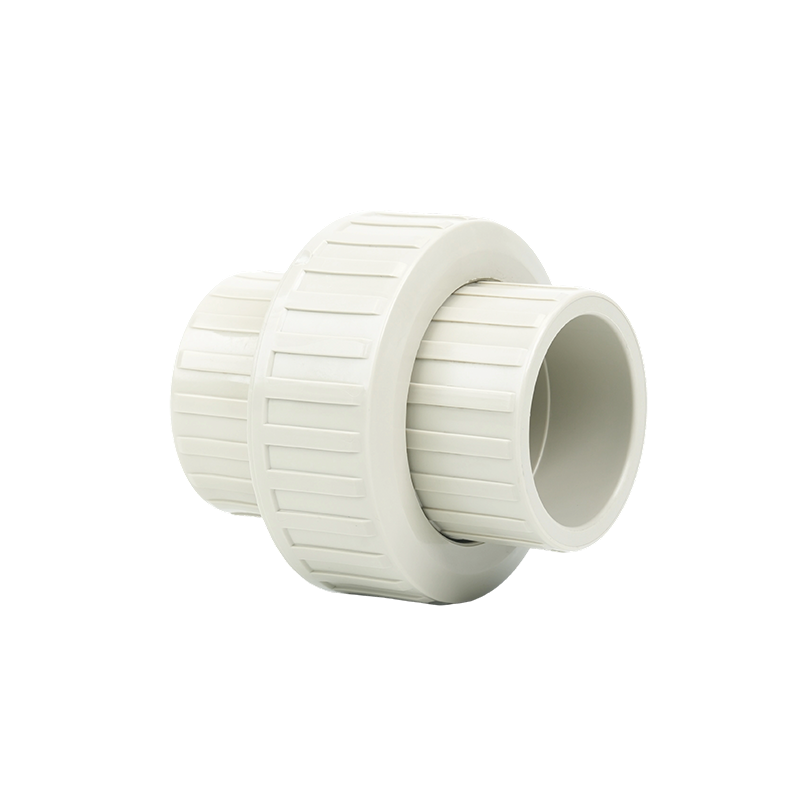
This fitting is designed to connect pipes into a pipeline system. It is suitable...
View More
Products
Company Information
Address: No. 55 Haichuan Road, High-Tech Zone, Dongtai City, Jiangsu Province, China
Mobile: +86 137 7009 5258
Tel: +86-515-85479999
Email: [email protected]
We'd love to hear from you!
