English
 中文简体
中文简体
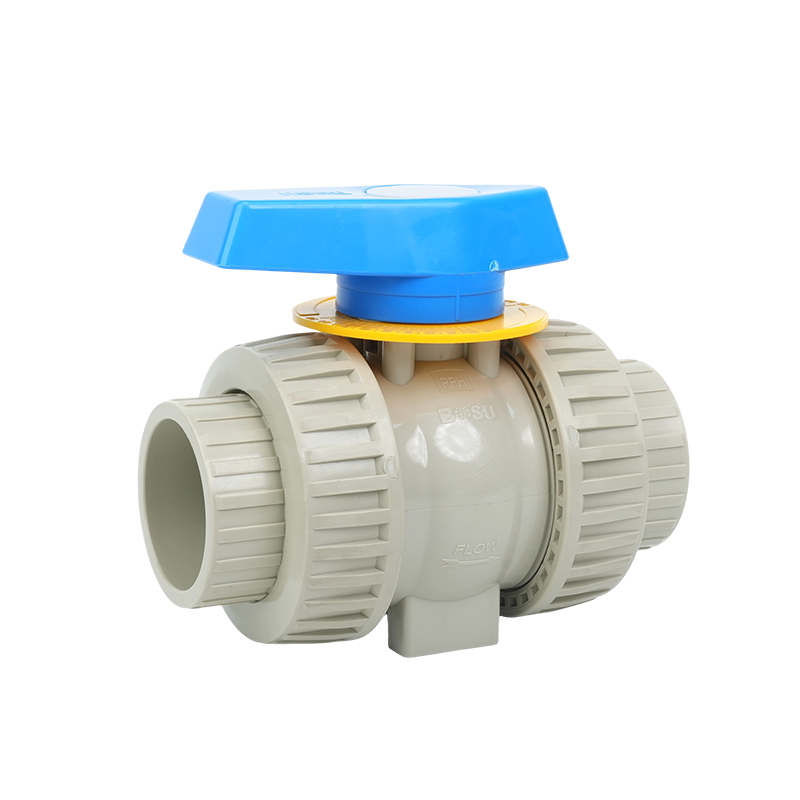
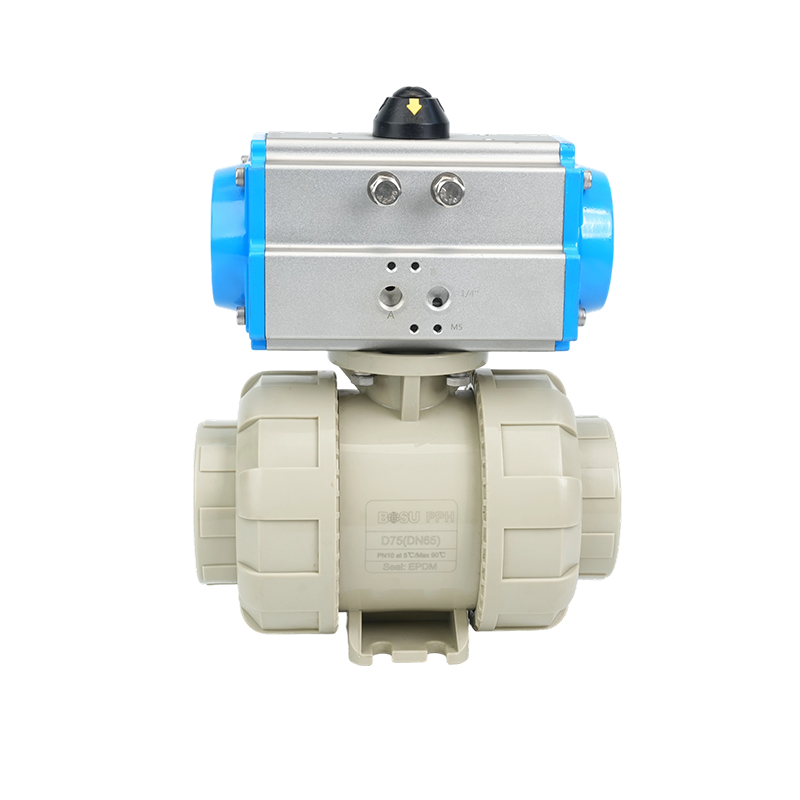
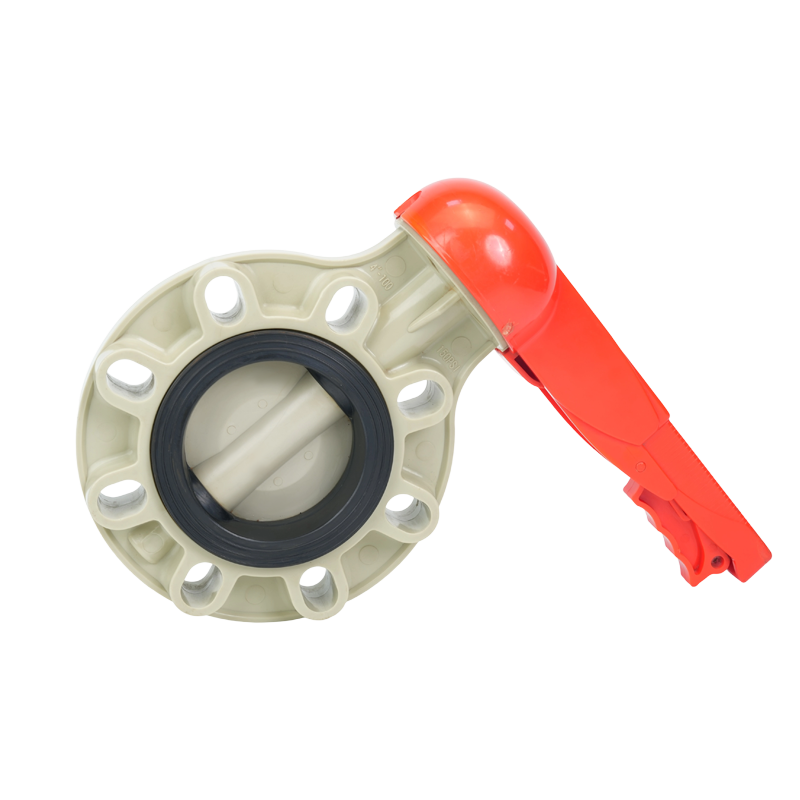
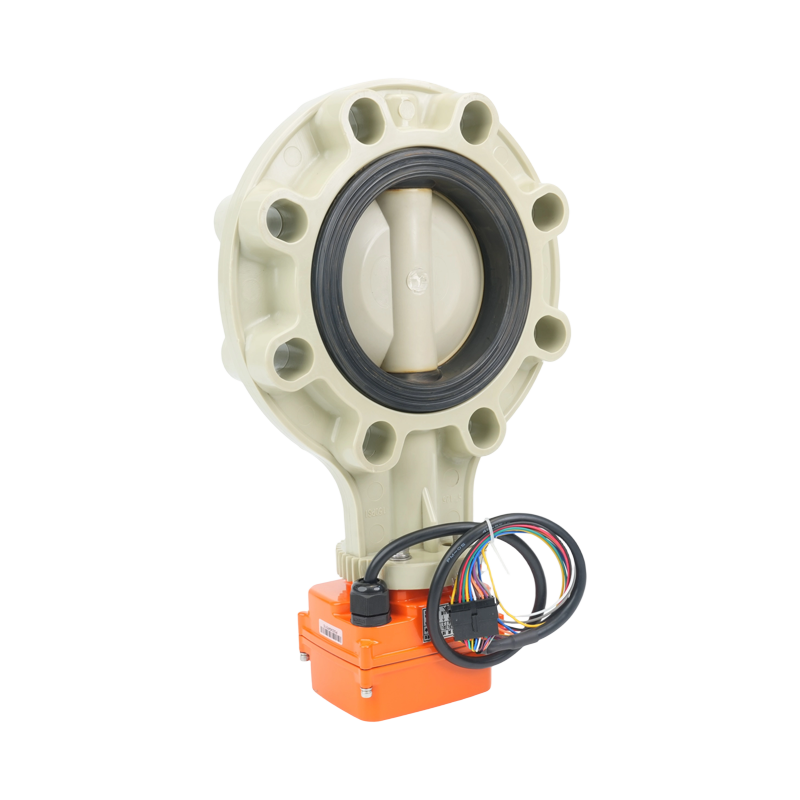
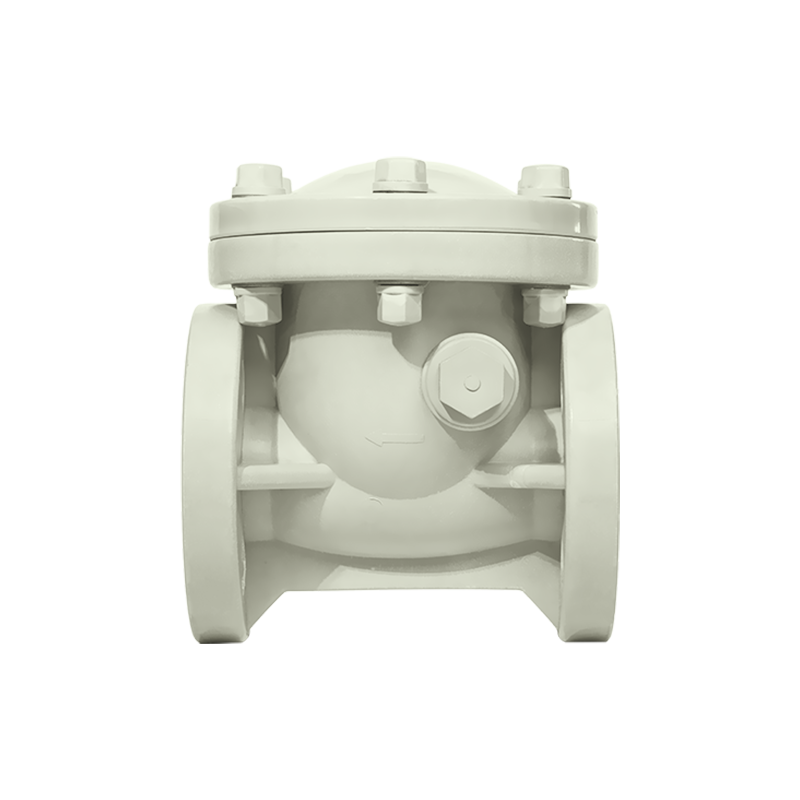
β--PPH Single and Double Type Pneumatic Flanged Ball Valve
The pneumatic actuator operates at a very high speed, which significantly reduc...
View MoreContent
A dependable industrial fluid-handling network is built by matching three variables at once, not by shopping for parts one at a time: the pressure class of the Plastic Piping, the body material of the Plastic Valve, and the connection method that joins them. Pairing a β-PPH or PVDF valve with pipe from the same pressure family (0.6 MPa, 1.0 MPa, or 1.6 MPa) and the same jointing system removes the two failure modes that account for most early leaks: pressure mismatch and connection incompatibility. Buyers assembling complete Piping products and Valve Systems should treat the valve, the fitting, and the pipe as one coordinated set, and should confirm chemical resistance against the actual process fluid before an order is placed.
A ball valve is chosen on price, a pipe is chosen from a different supplier on lead time, and a fitting is added later to make the sizes work. Pressure classes rarely line up, and the joint becomes the weakest point in the whole line.
Valve, fitting, and pipe are specified together from one pressure family and one material family. The connection method is decided before the diameter is finalized, so every component arrives ready to weld or bolt together on site.
Each resin family is manufactured to a defined set of standard pressure classes. Ordering a valve and a pipe run from the same class avoids downgrading the whole system to the weakest component.
| Material | Standard Pressure Classes | Typical Duty |
| Beta-PPH (Polypropylene Homopolymer) | 1.0 MPa / 1.6 MPa | General chemical transfer, process water, higher-pressure lines |
| PPN (Modified Polypropylene) | 0.6 MPa / 1.0 MPa | Standard-duty transfer, cooling loops, moderate flow systems |
| PVDF | 0.6 MPa / 1.0 MPa / 1.6 MPa | High-purity, high-temperature, and strongly corrosive media across the full pressure range |
Pressure class tells you how hard the system can be pushed. Temperature rating and chemical resistance tell you what the system can safely carry over years of service.
Exact continuous-service limits vary by wall thickness, fluid concentration, and pressure. Always confirm against the specific technical datasheet before final selection.
The jointing method is what actually turns a valve, a fitting, and a length of pipe into one sealed system. Four methods cover almost every industrial installation.
| Connection Method | Typical Diameter Range | Best Fit |
| Hot-melt socket fusion | DN15 to DN110 | Standard workshop and field installation of smaller lines |
| Butt fusion welding | Above DN110 | Larger-diameter trunk lines where socket fusion is impractical |
| Flange connection | All ranges | Joints to equipment, pumps, and valves that require future disassembly |
| Threaded union | Smaller diameters | Quick maintenance access points and instrument tie-ins |
The same valve and pipe families are specified differently depending on the process they serve.
Acid cleaning and etching lines call for PVDF or Beta-PPH valve systems with fully welded joints to avoid leak points near sensitive equipment.
Ultra-pure water and process chemical lines favor PVDF piping and valves for low particle generation and high chemical purity.
Mixed acid and alkali transfer lines typically use Beta-PPH or PVDF ball and butterfly valves rated to the highest pressure class in use on site.
PPN piping at 0.6 or 1.0 MPa covers most dosing and transfer duties at lower cost than higher-grade resins.
Salt-water resistant Plastic Valve components with flanged or union connections simplify maintenance in continuously wet environments.
Higher-purity resin grades and fully documented third-party test reports are typically required before a system is approved.
A representative selection from the current Plastic Valve lineup, spanning manual, pneumatic, and electric operation across ball, butterfly, and check valve types.
International buyers should request the following before confirming a purchase order for Plastic Valve or Plastic Piping products.
ISO 9001 quality management certification for the manufacturing facility
Third-party test reports for the specific product size and pressure class ordered
Confirmation of dimensional standard, since metric and DIN-based sizing may differ from ASTM-based systems
Written chemical compatibility confirmation for the actual process fluid, concentration, and operating temperature
Sample availability and lead time for first-order qualification before full production quantities are committed
Illustrative distribution across completed industrial piping and valve installations. Actual proportions vary by project scale and diameter range.
Installing a 1.6 MPa rated valve on a 0.6 MPa rated pipe run gives no real benefit, and installing the reverse leaves the pressure class of the whole line set by the weakest part.
Using threaded unions on large-diameter trunk lines instead of butt fusion welding increases the number of potential leak points without a matching increase in serviceability.
Ordering by product name alone without confirming chemical resistance against the exact fluid concentration and temperature is the most frequent cause of early valve seal failure.
Thermoplastic pipe expands and contracts with temperature change. Leaving no compensation section in long runs puts stress directly on valve connections.
Specify the pipe, the fitting, and the valve as a single coordinated Piping products and Valve Systems package: same pressure class, same material family, and a jointing method suited to the diameter in question. Confirm chemical resistance and certification paperwork before the order is placed, not after installation begins.
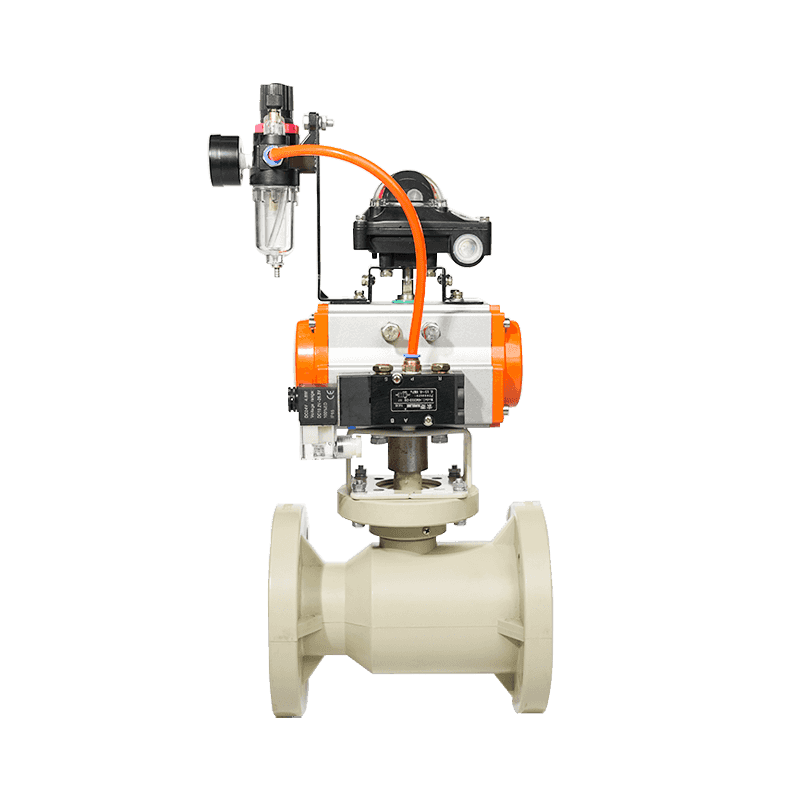
The pneumatic actuator operates at a very high speed, which significantly reduc...
View More
Easy to open and close, low fluid resistance, and simple structure. When fully ...
View More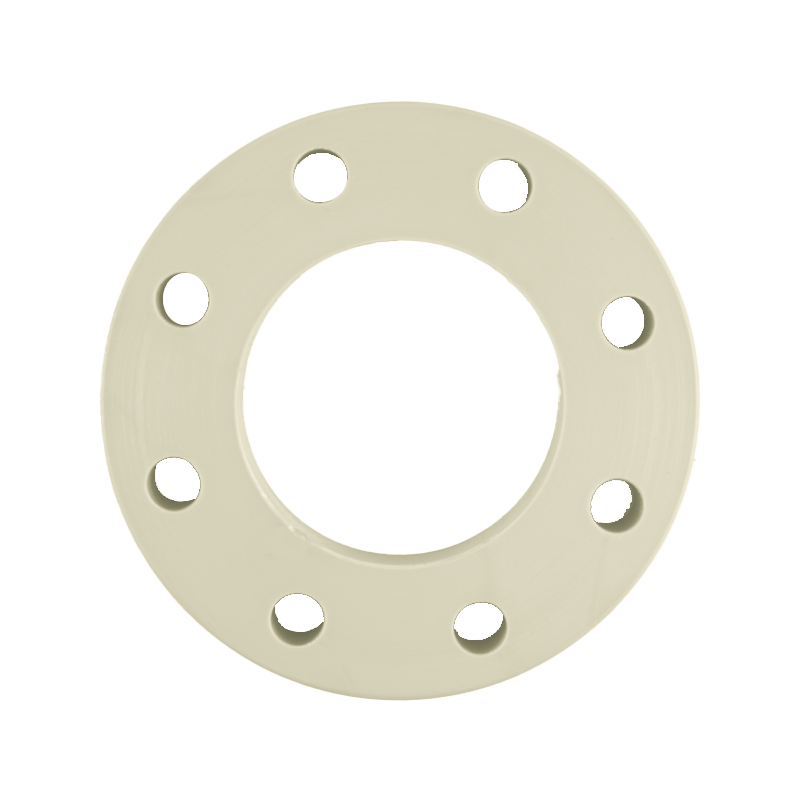
This product is applicable in piping systems operating under low pressure and wh...
View More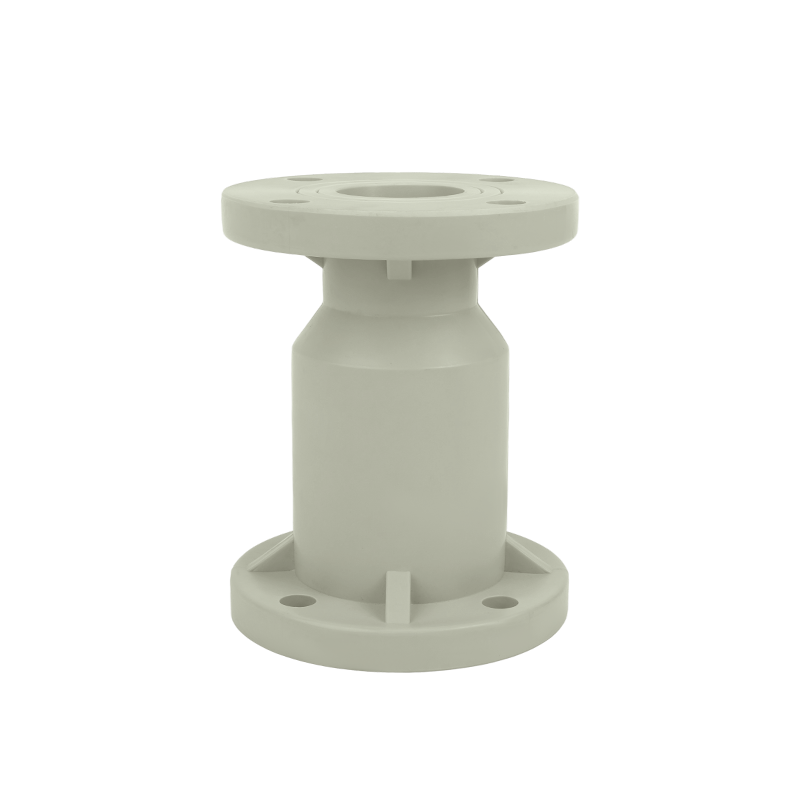
Flange check valve refers to a valve that automatically opens and closes the val...
View More
Products
Company Information
Address: No. 55 Haichuan Road, High-Tech Zone, Dongtai City, Jiangsu Province, China
Mobile: +86 137 7009 5258
Tel: +86-515-85479999
Email: [email protected]
We'd love to hear from you!