 English
 中文简体
中文简体
β--PPH Double Union Ball Valve
1. Product Features: Personalized handle indication function, install LOGO, medi...
View MoreContent
A ball valve is built to handle almost any flowing media in a piping system — clean water, corrosive acids and alkalis, organic solvents, compressed gases, and slurries with light particulates. The exact media a specific valve can carry depends on the body material and seal compound: PP-H and PPN bodies suit water, dilute acids, and general chemical lines, while PVDF bodies extend coverage to strong acids, halogens, and high-purity fluids used in semiconductor and pharmaceutical piping.
Ball valves sit at the center of most piping products because a quarter turn gives a tight, low-resistance shutoff regardless of what is inside the pipe. In practice, the media passing through falls into a handful of recurring categories across industrial plants.
The plastic used for the valve body and seat is the single biggest factor in deciding which media a ball valve can safely carry. Metal fittings corrode or leach ions into sensitive process streams, which is why plastic piping and plastic valve components are the default choice for chemical-heavy or high-purity lines. The table below outlines the typical fit between material and media.
| Body Material | Typical Media | Working Temperature |
| β-PPH | Water, dilute acids and alkalis, general chemical transfer | Up to about 90 degrees C |
| PPN | Process water, moderate-strength chemicals, industrial cooling lines | Up to about 80 degrees C |
| PVDF | Strong acids, halogenated solvents, high-purity and semiconductor-grade fluids | Up to about 140 degrees C |
Beyond the base resin, seal materials such as EPDM, FPM, or PTFE are matched to the same media, since a valve body rated for a chemical is only as good as the gasket sealing it. Jiangsu Leiting Precision New Materials, which supplies OEM ball valves for solar panel, semiconductor, chemical, ironmaking, and pharmaceutical pipelines, documents material data sheets for each valve so the resin and seal combination can be checked against the operating media before installation.
Manual, electric, pneumatic, single, and double union configurations cover most media-handling needs across chemical, semiconductor, and water treatment piping.
Valve structure changes how well a given media moves through the system, not just what the body is made of. A few structural traits matter most when the media is aggressive, viscous, or requires strict flow control.
Selecting the right valve for a specific media comes down to four checks that plant engineers typically run before specifying a valve for new piping products.
Because plastic valve systems avoid the corrosion and ion-leaching issues common with metal fittings, ball valves built from PP-H, PPN, and PVDF appear across a wide span of industrial piping.
| Industry | Media Handled |
| Semiconductor and solar panel manufacturing | Ultrapure water, etching chemicals, high-purity gases |
| Chemical and biochemical processing | Acids, alkalis, solvents, reactive intermediates |
| Environmental protection and water treatment | Raw water, treated effluent, dosing chemicals |
| Aquarium and marine systems | Seawater, saline solutions |
| Pharmaceutical manufacturing | Purified water, process solvents, cleaning agents |
Practical note: A single valve range rarely covers every media type on a site. Most plants standardize on PP-H or PPN valve systems for general water and dilute chemical lines, then reserve PVDF valves for the smaller number of lines carrying strong acids or high-purity fluids, keeping both procurement cost and chemical safety in balance.
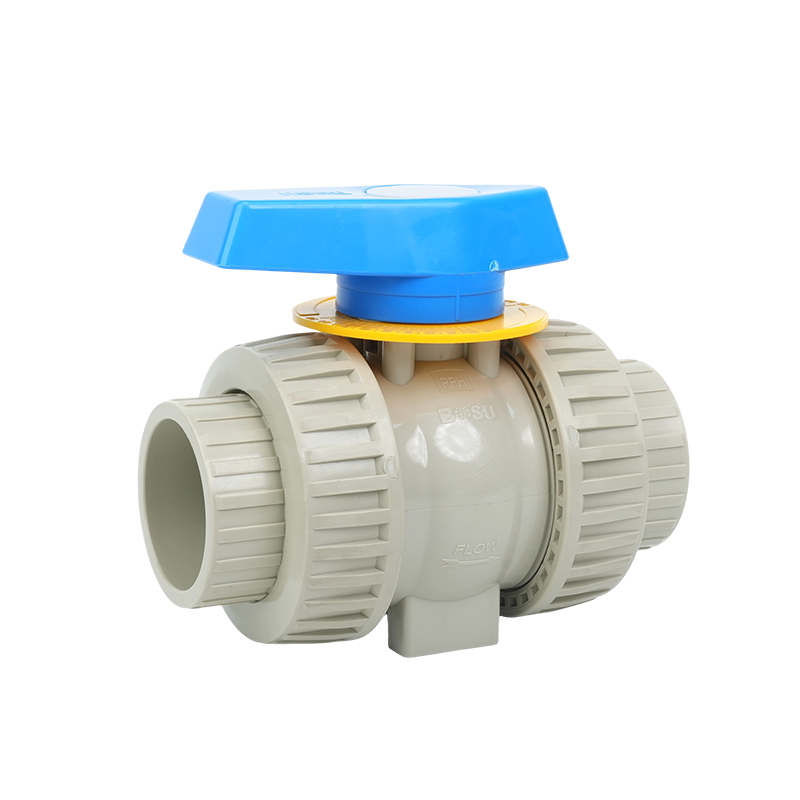
1. Product Features: Personalized handle indication function, install LOGO, medi...
View More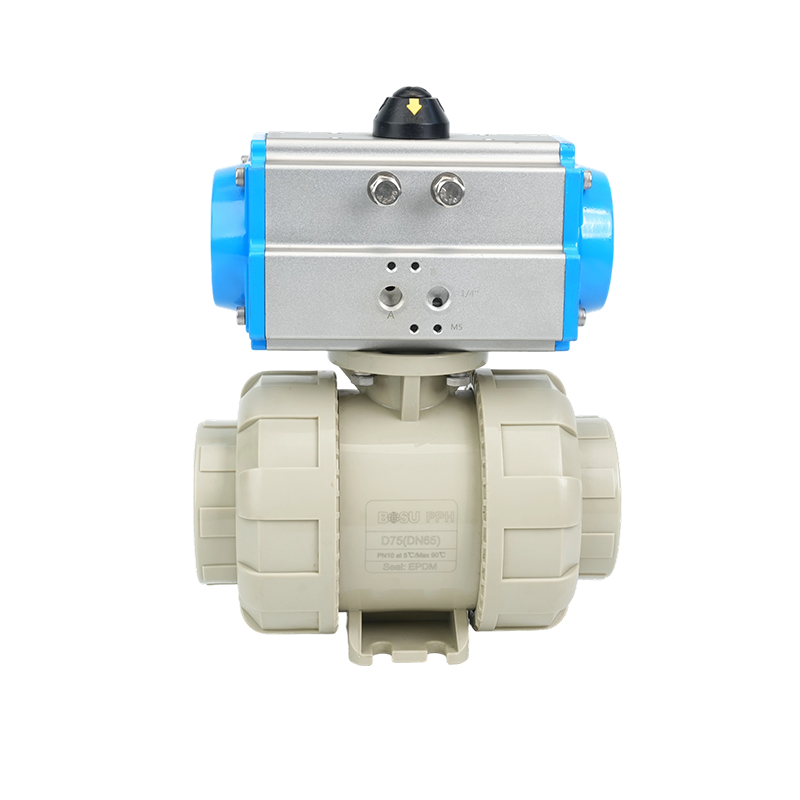
Product Features: This automatic device utilizes compressed air to actuate the ...
View More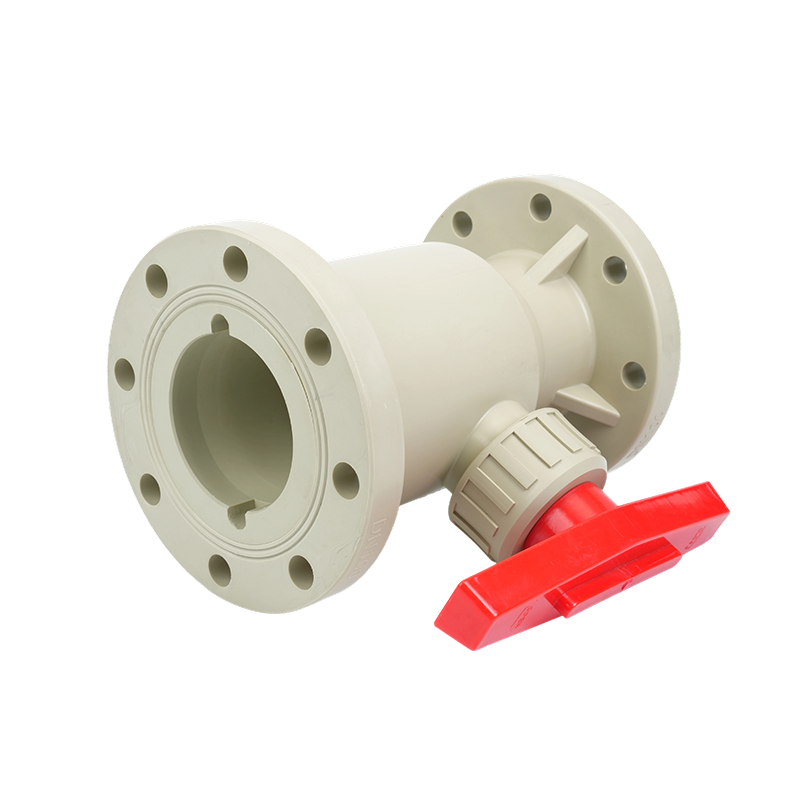
1.Product Features: This valve offers low fluid resistance due to its simple str...
View More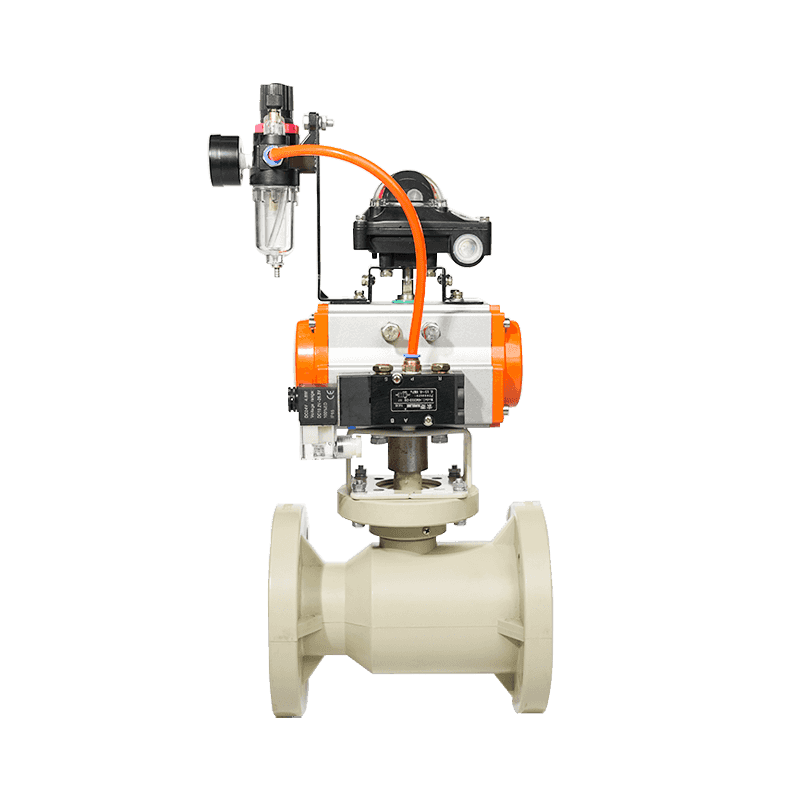
The pneumatic actuator operates at a very high speed, which significantly reduc...
View More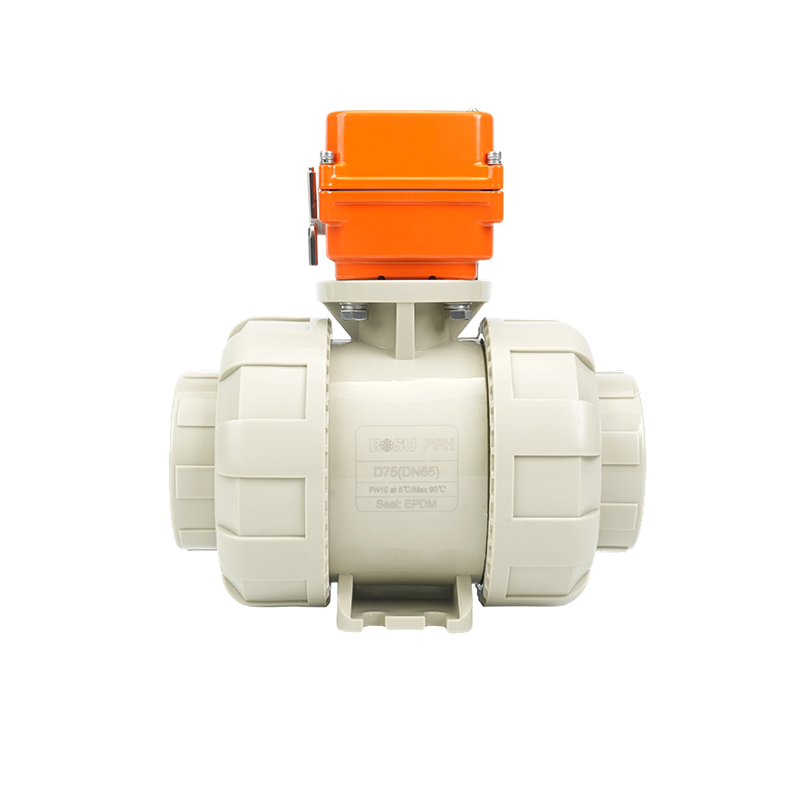
Product Features: Powered by electricity and actuated by an electric actuator, ...
View More
Flange check valve refers to a valve that automatically opens and closes the val...
View More
Products
Company Information
Address: No. 55 Haichuan Road, High-Tech Zone, Dongtai City, Jiangsu Province, China
Mobile: +86 137 7009 5258
Tel: +86-515-85479999
Email: [email protected]
We'd love to hear from you!
