 English
 中文简体
中文简体
β--PPH Globe Valve
Product Features: Suitable for various light and heavy industrial working condit...
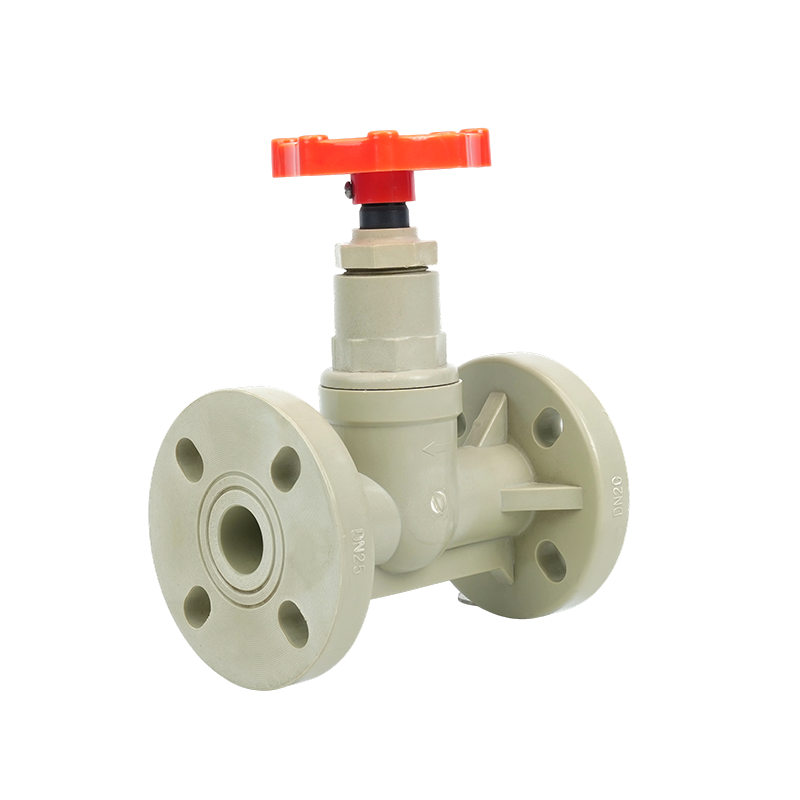
Product Features: Suitable for various light and heavy industrial working condit...

Primary vs. Secondary Raw Materials The fundamental distinction lies in the origin and processing history. Primary raw materials are extracted directly from natural resources (ores, crude oil, forests) and have never been used or processed industrially before. Secondary raw materials are recovered from pre-consumer or...
View MoreDirect Conclusion: The Most Effective Use of Plastic Pipe Lies in Strategic Material Selection and Precision Installation To use plastic pipe most effectively, you must first match the specific polymer properties to the application's chemical, thermal, and pressure demands. There is no single "best" plastic pipe. The ...
View MorePrevention is more cost-effective than repair. Referring to Jiangsu Leiting's high reliability standards in industrial automation systems, the following are best practices for daily maintenance: Regular Flushing and Cleaning (Preventing Clogging) Method: At regular intervals (e.g., monthly or quarterly), flush the insi...
View MoreWhat are the advantages of Plastic Valve Series Other compared to metal valves in the chemical, food, and pharmaceutical industries?
1. Superior Corrosion Resistance: Utilizing high-molecular materials such as RPP, PVDF, ABS, and CPVC, they exhibit virtually no corrosion from acids, alkalis, salts, chlor-alkali compounds, and solvents, avoiding leaks and maintenance issues caused by corrosion, as is common in metal valves.
2. Prevention of Secondary Metal Ion Contamination: The all-plastic structure does not generate metal ions, meeting the stringent purity and hygiene requirements of the food and pharmaceutical industries, ensuring product quality is not contaminated by metal ions.
3. Lightweight and Easy Installation: Significantly lighter than metal valve bodies, making handling, installation, and maintenance easier and reducing infrastructure load.
4. Low Pressure Loss and Low Flow Resistance: The smooth surface of the high-molecular material results in low fluid resistance, improving system efficiency.
5. Good Electrical Insulation: Plastic itself is insulating, making it suitable for pharmaceutical and food production lines with stringent electrical safety requirements.
6. Cost Advantage: Material and processing costs are lower than stainless steel and alloy metal valve bodies, resulting in more competitive overall procurement and maintenance costs.
How do the sealing materials of Plastic Valve Series Other affect their service life?
1. PTFE (Polytetrafluoroethylene): Possesses excellent chemical resistance and temperature resistance (-50℃ to +150℃), maintaining sealing performance in most corrosive media, making it the "king of plastics" for valve seals. Its service life is affected by factors such as operating temperature, pressure, and lubrication conditions, but can reach 15-20 years or more under reasonable operating conditions.
2. EPDM (Ethylene Propylene Dioxide): Possesses excellent ozone resistance and aging resistance properties, with a temperature range of approximately -40℃ to +90℃. Under normal operating conditions, its service life is approximately 10-15 years. It has good resistance to acid, alkali, and salt water media.
3. FPM (Fluororubber): Combines the chemical resistance of PTFE and the elasticity of EPDM, with a temperature range of approximately -20℃ to +200℃ and a service life of 15-20 years. It is suitable for high-temperature and highly corrosive environments.

Products
Company Information
Address: No. 55 Haichuan Road, High-Tech Zone, Dongtai City, Jiangsu Province, China
Mobile: +86 137 7009 5258
Tel: +86-515-85479999
Email: [email protected]
We'd love to hear from you!
