English
 中文简体
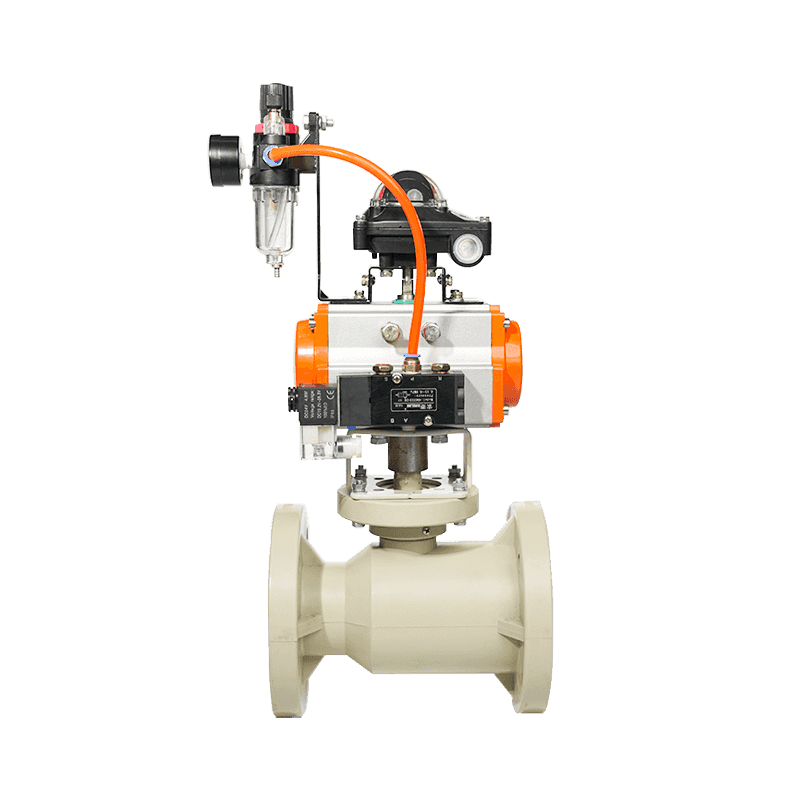
β--PPH Single and Double Type Pneumatic Flanged Ball Valve
The pneumatic actuator operates at a very high speed, which significantly reduc...
View MoreContent
When a plastic flange weeps at the bolt circle, the flange body is usually the last component to blame. On most PPH, PPN and PVDF lines the leak starts with the gasket, the bolt load or the alignment of the two faces, not with the moulded part. That order of causes matters, because it tells you what to specify before the line is built rather than what to tighten after it starts dripping.
The short answer: choose the flange configuration first, match it to the pipe material and pressure class, then treat gasket selection and bolt torque as part of the design rather than as consumables. Do those three things and a thermoplastic flange will usually outlast the steel flange it replaced in corrosive service, because it does not corrode and rarely seizes on its bolts.
A flange exists to make a joint that can be opened again. In a plastic piping system that joint appears wherever the line meets equipment - pumps, tanks, filters, columns, instruments and valves - or wherever a future tie-in is planned.
Thermoplastics cannot be re-faced on site the way steel can. The sealing surface has to arrive correct: a flat, machined plastic face pressed onto a softer gasket, with no metal-to-metal stop to limit compression and no second chance to skim a scratched face. So the flange is never a standalone purchase. It is specified together with the pipe end preparation, the gasket and the backing ring. Change any one of those four and the joint behaves differently.
Almost every plastic flange application is covered by six configurations. What separates them is how the bolt load travels from the bolt circle into the pipe wall.
| Configuration | Sealing principle | Typical use |
|---|---|---|
| All-plastic lap joint flange | Stub end with a machined face; a plastic backing ring compresses the gasket | General chemical lines that must stay fully plastic in the wetted path |
| Integral socket-fusion flange | Flange socket-fused directly onto the pipe as one moulded piece | Smaller diameters, compact skids, simple assemblies |
| Steel-backed lap joint flange | Plastic sealing disc with a steel backing ring taking the bolt load | Larger sizes, higher pressure classes, joints opened often |
| Blind flange | Solid plastic disc blanking off a branch | Spare branches, test points, future tie-ins |
| Flange adapter | Adapts a flange face to a socket or threaded connection | Connecting plastic pipe to equipment with a fixed flange |
| Flanged flexible connector | Flexible element clamped between two flanges | Pump vibration, thermal movement, small misalignment |
Two practical notes. The wetted path is always plastic; only the backing ring may be steel, and it never touches the medium. And from roughly 63 mm upward the backing ring stops being a detail, because it is what keeps the bolt load from bowing the sealing face.
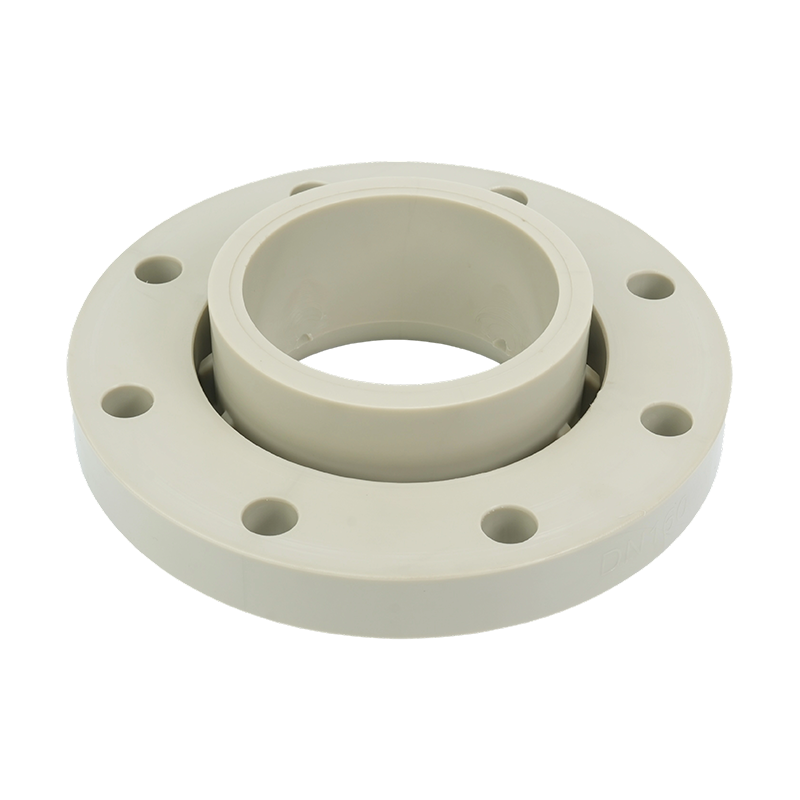
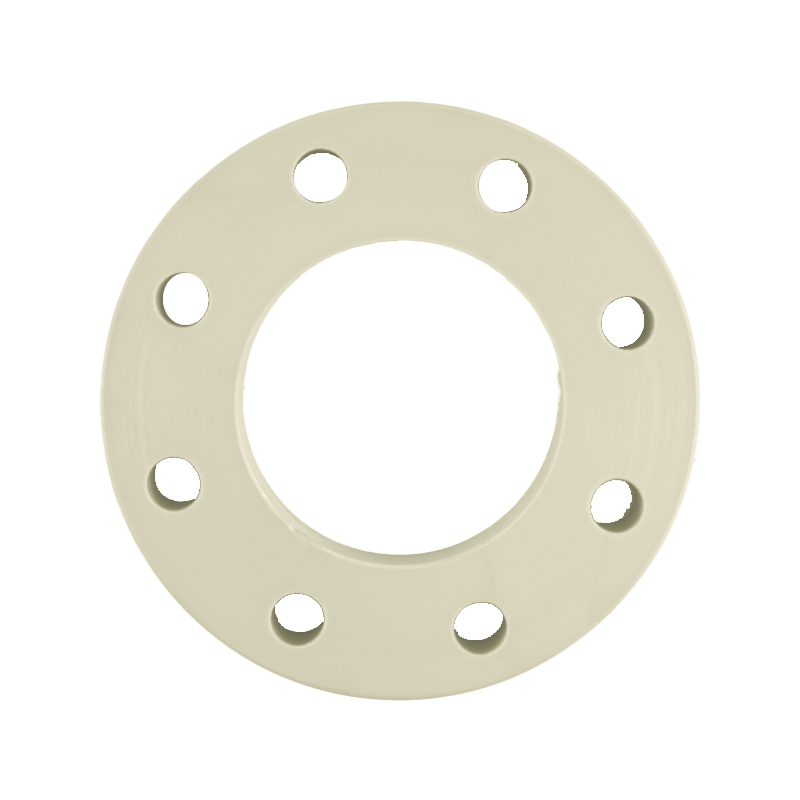 β-PPH All Plastic Lap Joint Flange, Short-Socket Butt WeldReview this β-PPH all-plastic lap joint flange for low-pressure plastic piping, with a plastic wetted path and sizes up to DN300.View Product →
Material follows the medium and the temperature, not the line size. PPH and beta-PPH cover acids, alkalis and general chemical service. PPN is often the middle option where mechanical strength matters more than chemical resistance. PVDF takes the aggressive media and the higher service temperatures.
Pressure classes tell you what the line carries when it is new. The common steps are 1.0 MPa, 1.6 MPa and 6 MPa, and the same steps run through pipe, fittings and valves so that a system can be built at one rating. The number stamped on the flange, however, is a reference value measured at a reference temperature. Allowable pressure falls as temperature rises, and pipe, fittings and flange derate together, so a 1.6 MPa joint at 80 °C is not a 1.6 MPa joint any more. When the design margin is thin, check how pressure ratings shift with material and temperature before the purchase order is placed.
Temperature also changes the bolt-load question, which is where the next section starts.
Gasket choice is a materials decision, not a stocking decision. Three types cover most plastic flange work:
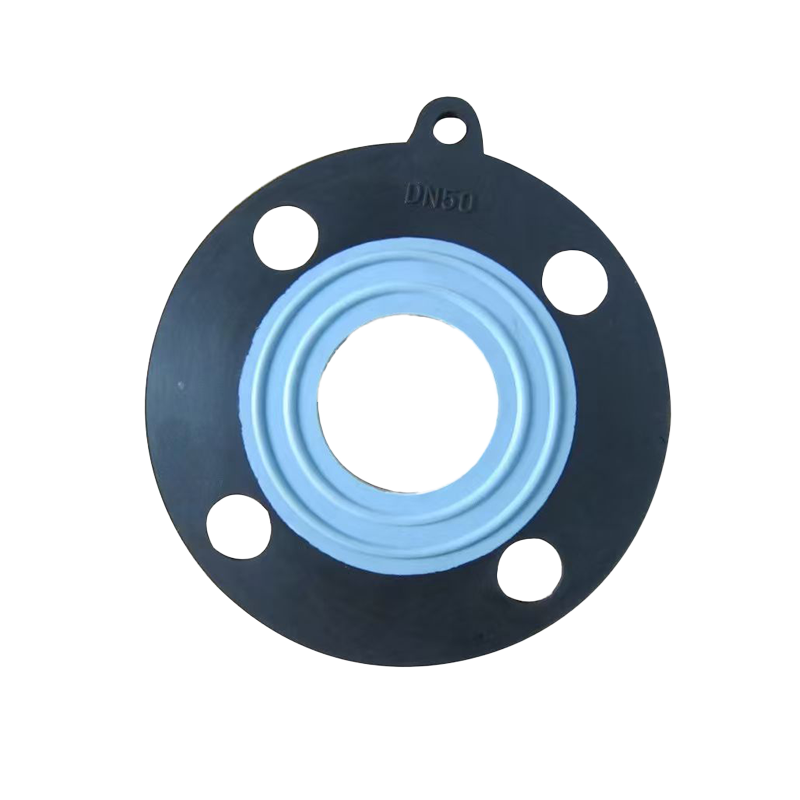 EPDM+PTFE Flange Pad for Plastic Flange AssembliesConsider this EPDM+PTFE flange pad when selecting gaskets for plastic flange work, available in sizes from DN15 to DN300.View Product →
Hardness and thickness matter as much as the compound. A gasket that is too hard demands bolt load a plastic flange should not carry; one that is too soft extrudes into the bore over time and narrows the flow area.
Tightening is the second half of the same decision. A plastic flange takes a fraction of the torque of a steel flange of the same size. Tighten in a star pattern, in stages, to the supplier's table, and never use the bolts to pull two misaligned faces together: that is how a face bows and a backing ring cracks. Re-check torque after 24 hours and again after the first thermal cycle, because most weeping joints appear after that first cycle rather than at startup.
Once the parts are right, the joint lives or dies on five details, roughly in order of effect:
Most field failures name their own cause. Read the joint before you replace the part:
Where the line moves, whether from pump vibration, long runs or seasonal temperature swings, the joint should absorb that movement instead of passing it into the pipe wall. A flanged flexible connector does that job at the point where a rigid flange pair would eventually fail.
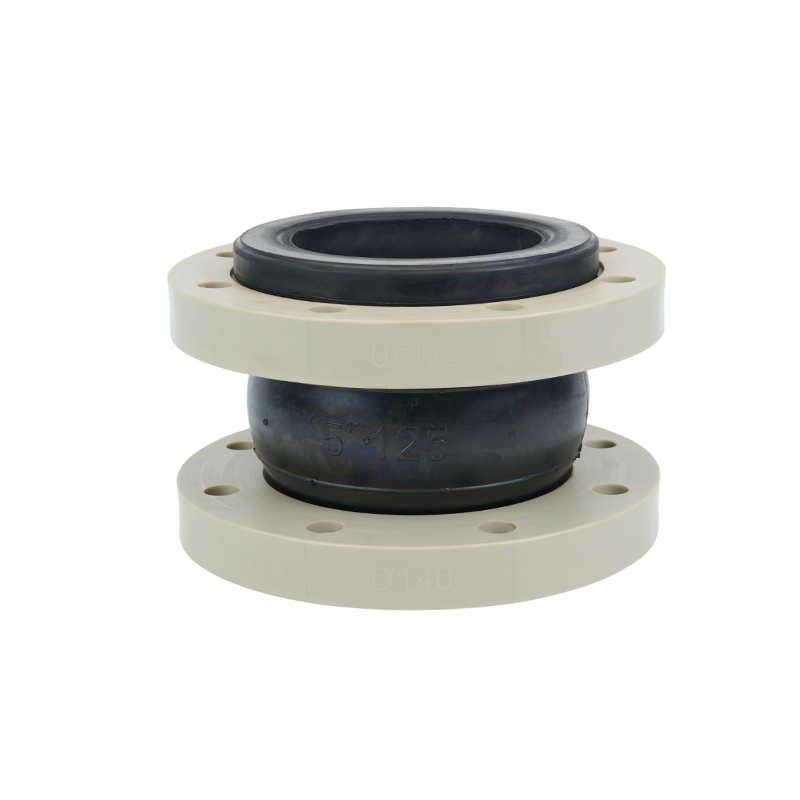 β-PPH Concentric Flanged Flexible Connector for Piping MovementThis β-PPH concentric flanged flexible connector is for absorbing movement in plastic piping, with sizes from DN25 to DN150.View Product →
Yes, in the right material and at the right temperature. The 6 MPa class is normally built in PPN or PVDF, and the figure is stated at a reference temperature. Confirm the derated value at your actual operating temperature before accepting the class.
In practice, yes for lap joint and adapter connections. The plastic face seals by compressing a softer material; without a gasket there is nothing to take up the small imperfections in two moulded faces.
After 24 hours, after the first thermal cycle, and then at planned shutdowns. Needing to re-tighten between those points usually means the joint has another problem: movement, missing support, or a gasket that has already taken a permanent set.
If the pipe is already plastic and the medium, temperature and pressure class suit a thermoplastic, the flange can follow. Where bolt loads are high or the joint is opened often, use a steel-backed lap joint flange rather than an all-plastic one.
A plastic flange is a system decision: configuration, material, pressure class, gasket and installation, in that order. When all five line up, the joint stays dry through years of chemical service and still comes apart at the next shutdown. If you would rather have the flange, pipe, gasket and flexible connector matched as one set, send us the line details - medium, temperature, pressure class and line size are enough to start.
The pneumatic actuator operates at a very high speed, which significantly reduc...
View More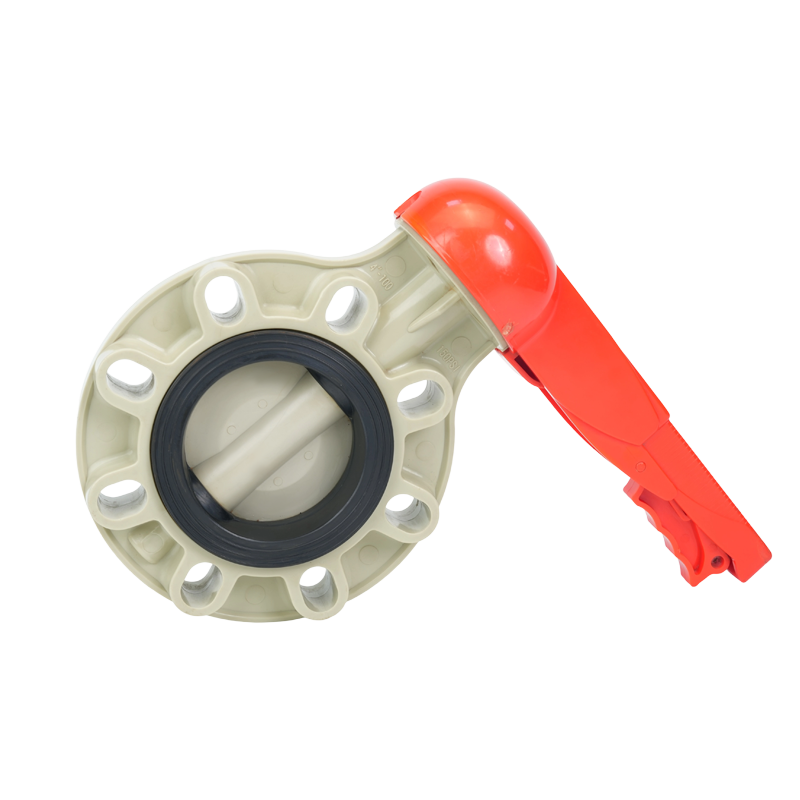
Easy to open and close, low fluid resistance, and simple structure. When fully ...
View More
1.It functions as a terminal sealing element, permanently welded to the pipework...
View More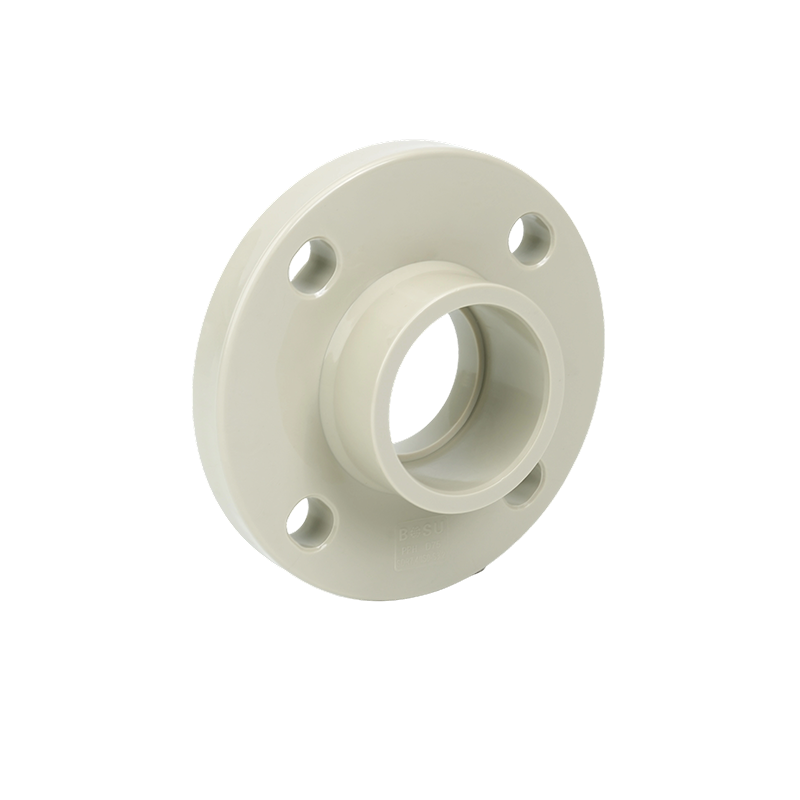
Product Features: Easy to install, these fittings are used in pairs at pipe end...
View More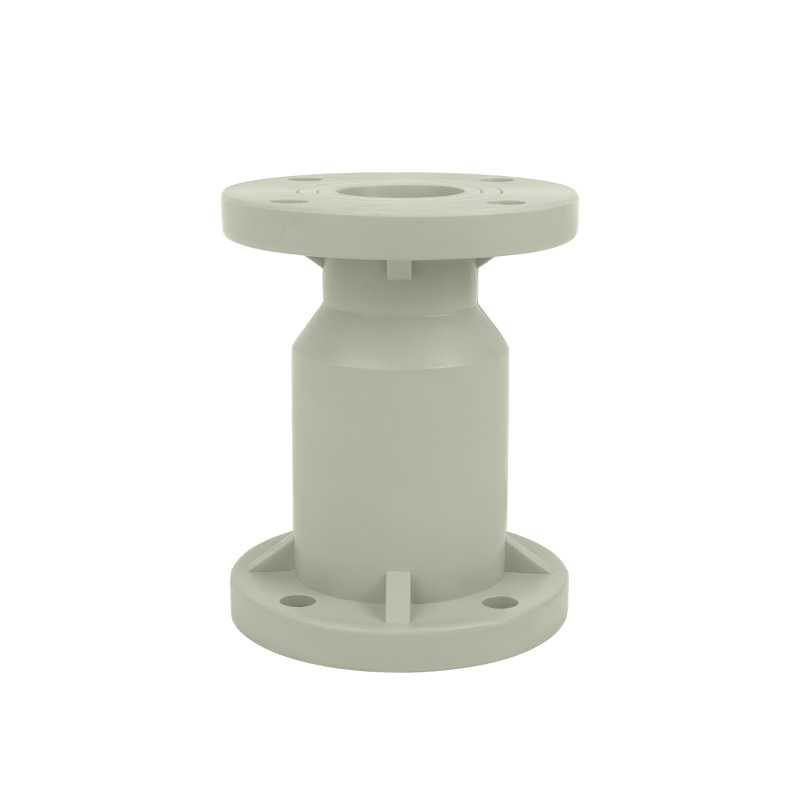
Flange check valve refers to a valve that automatically opens and closes the val...
View More
Products
Company Information
Address: No. 55 Haichuan Road, High-Tech Zone, Dongtai City, Jiangsu Province, China
Mobile: +86 137 7009 5258
Tel: +86-515-85479999
Email: [email protected]
We'd love to hear from you!