 English
 中文简体
中文简体
β--PPH Handle-type Operated Butterfly Valve
Easy to open and close, low fluid resistance, and simple structure. When fully ...
One of the main features of the butterfly valve is its simple and compact construction. It usually consists of a rotating disk, called a butterfly blade or plate, and a drive mechanism. The butterfly valve regulates the passage of the fluid by rotating the butterfly blade. The valve is closed when the butterfly piece is perpendicular to the direction of the fluid, while the valve is opened when the butterfly piece is parallel to the direction of the fluid.
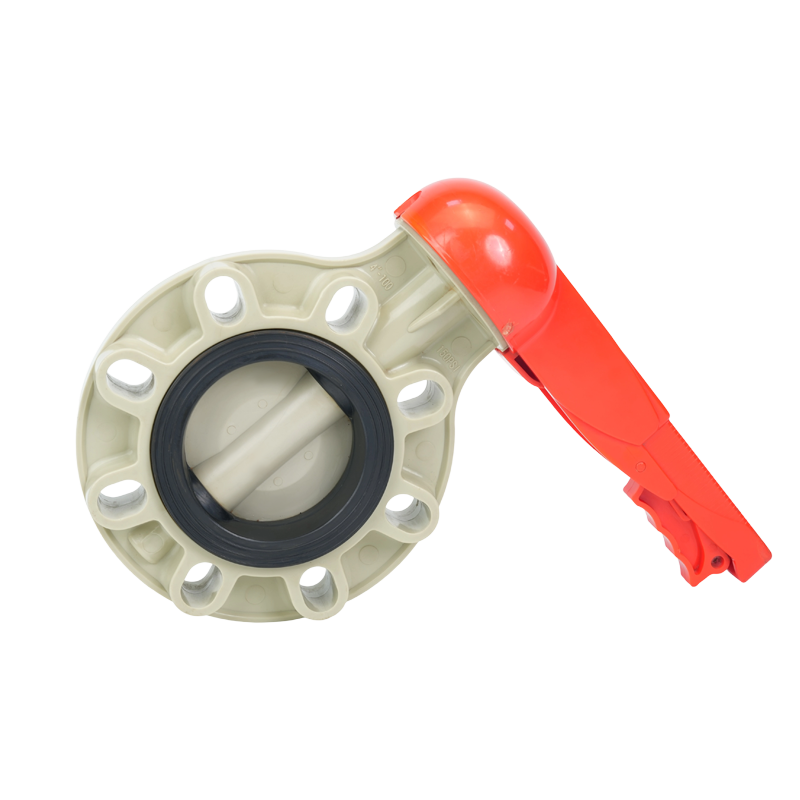
Easy to open and close, low fluid resistance, and simple structure. When fully ...
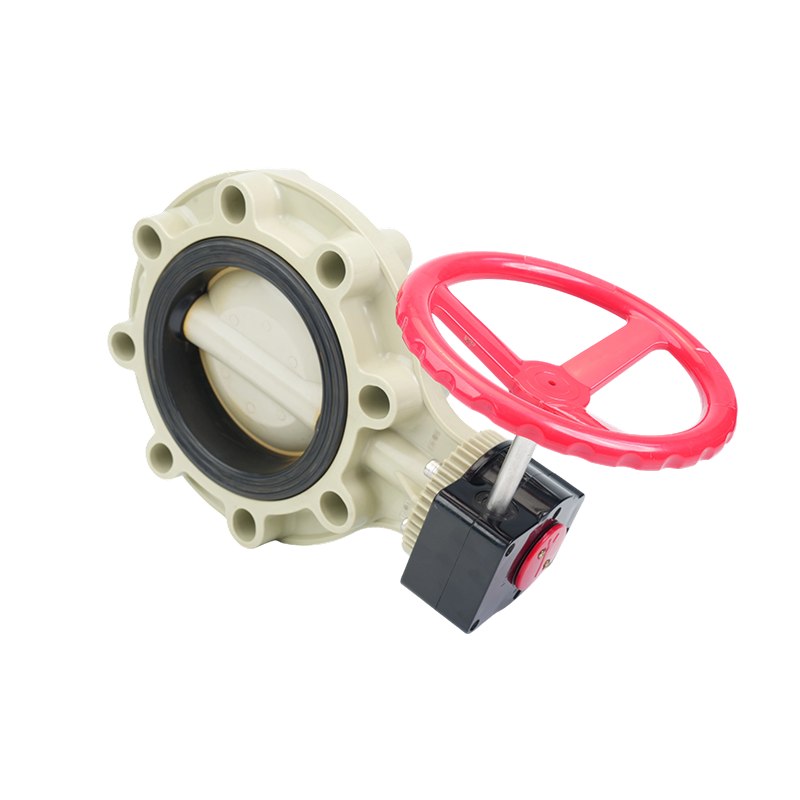
1. Convenient and quick opening and closing, labor saving, small fluid resistanc...
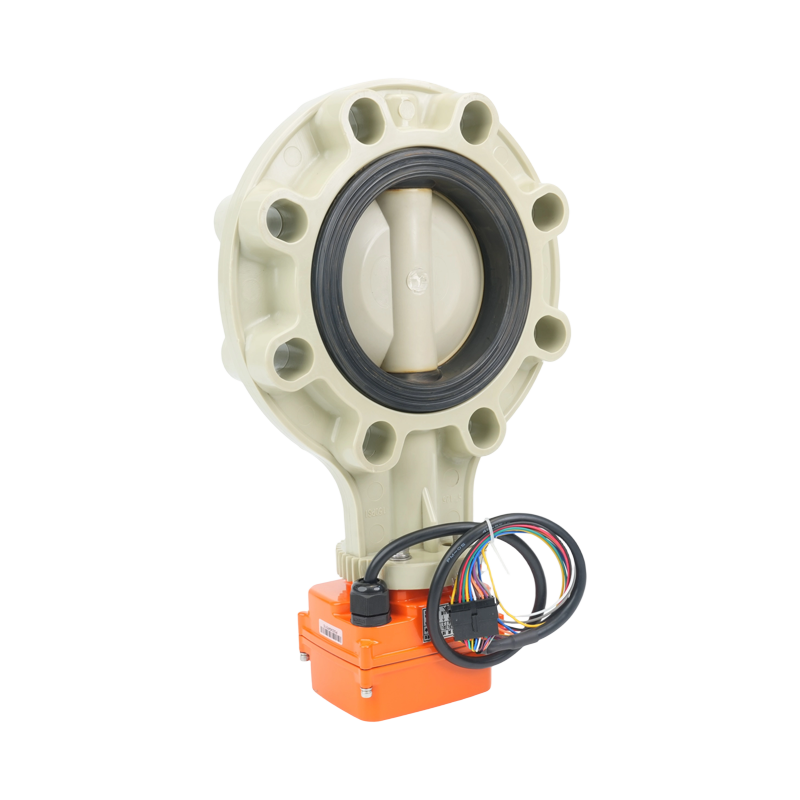
The electric butterfly valve uses electricity as the driving force, consisting o...
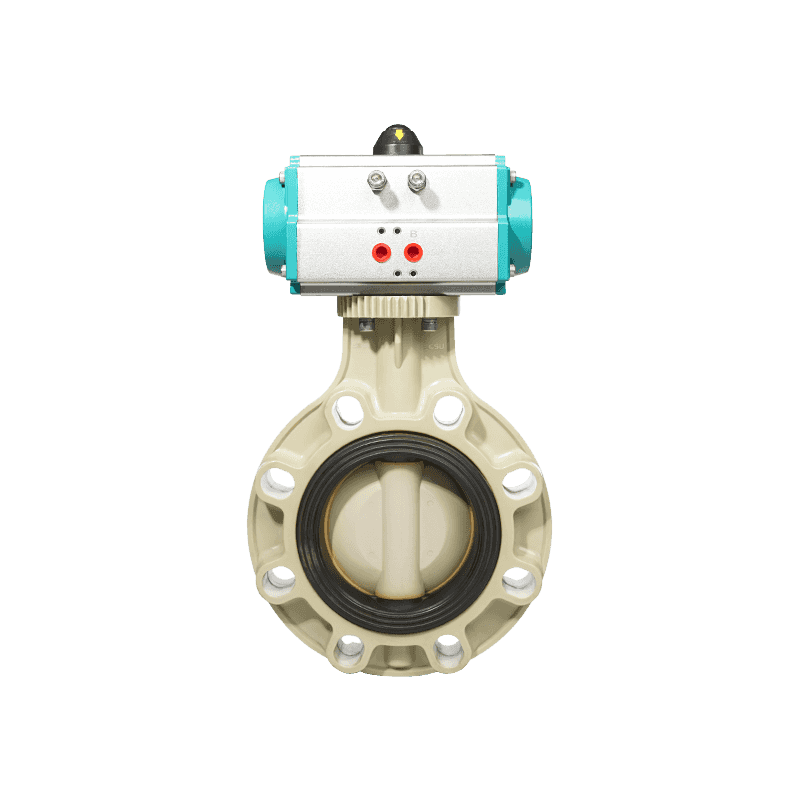
It is suitable for regulating flow, pressure, and temperature in industrial aut...

Primary vs. Secondary Raw Materials The fundamental distinction lies in the origin and processing history. Primary raw materials are extracted directly from natural resources (ores, crude oil, forests) and have never been used or processed industrially before. Secondary raw materials are recovered from pre-consumer or...
View MoreDirect Conclusion: The Most Effective Use of Plastic Pipe Lies in Strategic Material Selection and Precision Installation To use plastic pipe most effectively, you must first match the specific polymer properties to the application's chemical, thermal, and pressure demands. There is no single "best" plastic pipe. The ...
View MorePrevention is more cost-effective than repair. Referring to Jiangsu Leiting's high reliability standards in industrial automation systems, the following are best practices for daily maintenance: Regular Flushing and Cleaning (Preventing Clogging) Method: At regular intervals (e.g., monthly or quarterly), flush the insi...
View MoreWhat factors affect the service life of butterfly valves?
1. Media Characteristics
Corrosivity, abrasiveness, temperature, and pressure are key factors determining the lifespan of the valve body and seals. High temperatures or strong acid/alkali media accelerate the aging of rubber or metal sealing surfaces.
Butterfly valves manufactured by Jiangsu Leiting Precision New Materials Co., Ltd. utilize corrosion-resistant alloy materials and high-performance seals, maintaining a longer service life under harsh conditions such as chemical and solar energy applications.
2. Operating Frequency and Opening/Closing Method
Frequent opening and closing leads to wear on the valve stem, valve disc, and seals, with lifespan decreasing exponentially with the number of openings and closings.
The company's hard-seal butterfly valves employ a triple-eccentric structure, reducing frictional resistance and making them suitable for high-frequency regulation scenarios.
3. Installation and Maintenance Quality
Misalignment, uneven tightening, or residual impurities can prematurely damage the valve seat.
Leiting possesses a complete assembly and testing line and a professional technical team, ensuring that every butterfly valve undergoes alignment, cleaning, and sealing tests before leaving the factory, significantly improving reliability.
4. Materials and Manufacturing Processes
High-quality valve body casting, precision machining, and surface heat treatment directly determine the valve's pressure resistance and impact resistance.
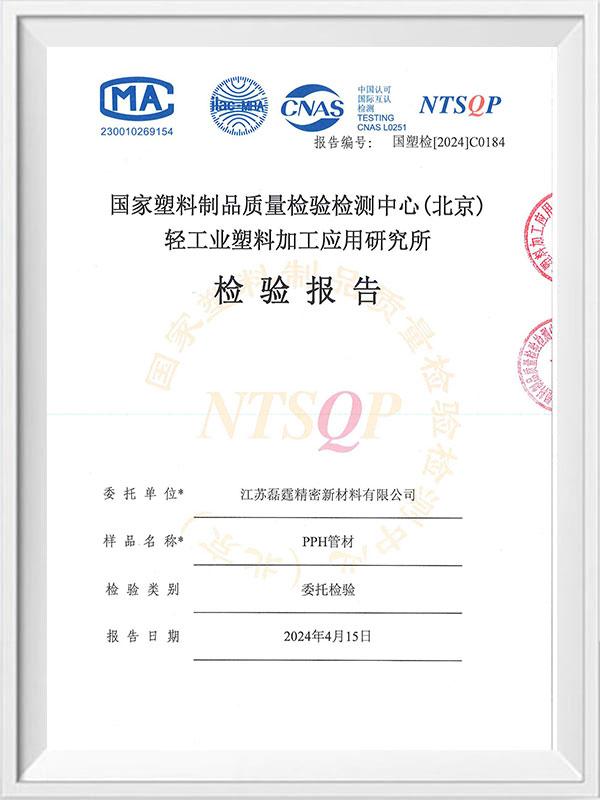
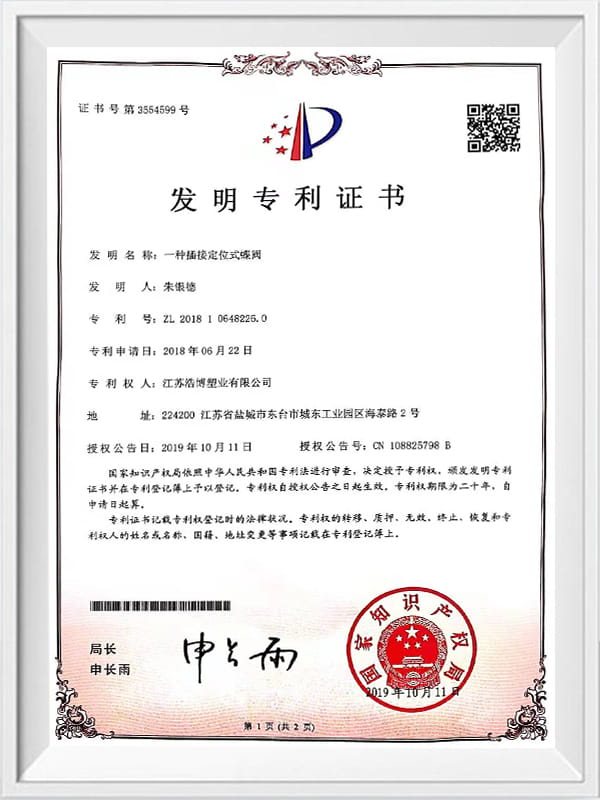
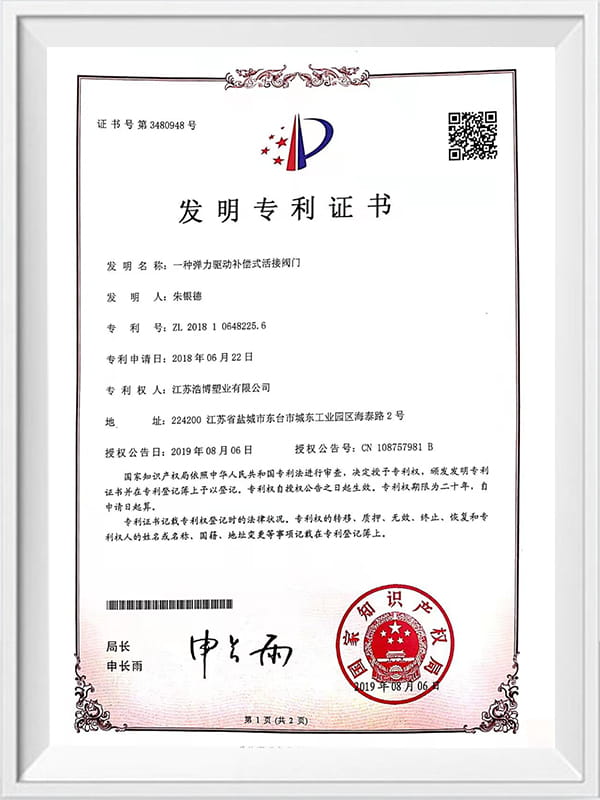
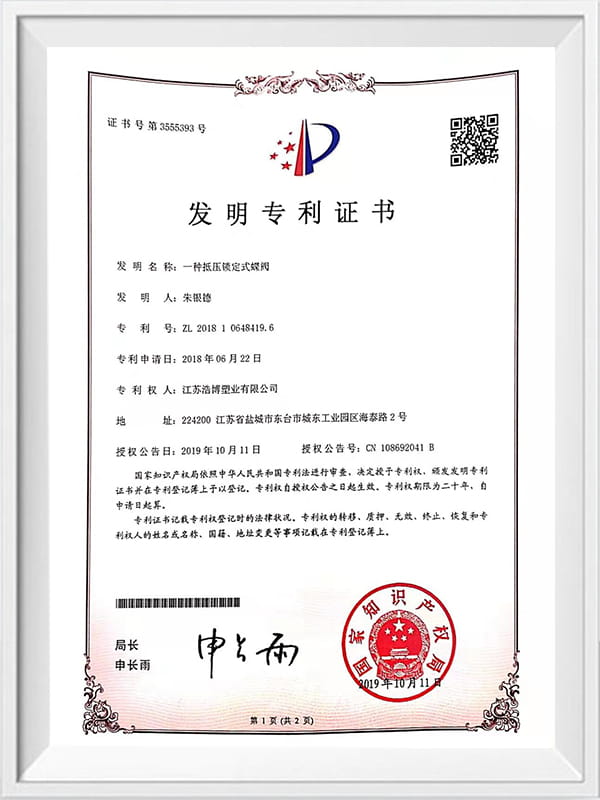
The company has invested 110 million RMB in new material R&D and automated production lines, and has obtained 81 patents (36 invention patents, 36 utility model patents, and 9 design patents), maintaining an industry-leading position in material innovation and process optimization.
What are the key maintenance points for Butterfly Valves?
1. Regular Cleaning
Remove dust, oil, and media residue from the inside and outside of the valve body to prevent impurities from entering the sealing surface and causing leakage.
Leiting provides on-site cleaning services using specialized non-corrosive cleaning agents to ensure the valve's internal structure remains clean.
2. Lubrication and Seal Inspection
Appropriately lubricate the rotating parts of the valve stem, bearings, and valve disc to reduce friction and wear.
Regularly inspect the wear and aging of rubber or PTFE seals and replace them when necessary. The company uses self-developed high-elasticity sealing materials to extend the replacement cycle.
3. Calibration and Functional Testing
Calibrate the electric or pneumatic actuators to ensure accurate opening/closing strokes and response times that meet design requirements.
Leiting's intelligent testing system can complete fully automated functional testing before shipment and provides on-site commissioning reports.
4. Corrosion and Rust Prevention Treatment
Use anti-corrosion coatings or rust-preventive oils in humid or corrosive environments to prevent metal surfaces from rusting.
The company uses a double-layer anti-corrosion coating (primer + weather-resistant topcoat) on the valve body surface, suitable for highly corrosive environments such as seawater and chemical plants.

Products
Company Information
Address: No. 55 Haichuan Road, High-Tech Zone, Dongtai City, Jiangsu Province, China
Mobile: +86 137 7009 5258
Tel: +86-515-85479999
Email: [email protected]
We'd love to hear from you!
