 English
 中文简体
中文简体
β-PPH Pipes
Product Specifications: DN15 (D20), DN20 (D25), DN25 (D32), DN32 (D40), DN40 (D5...
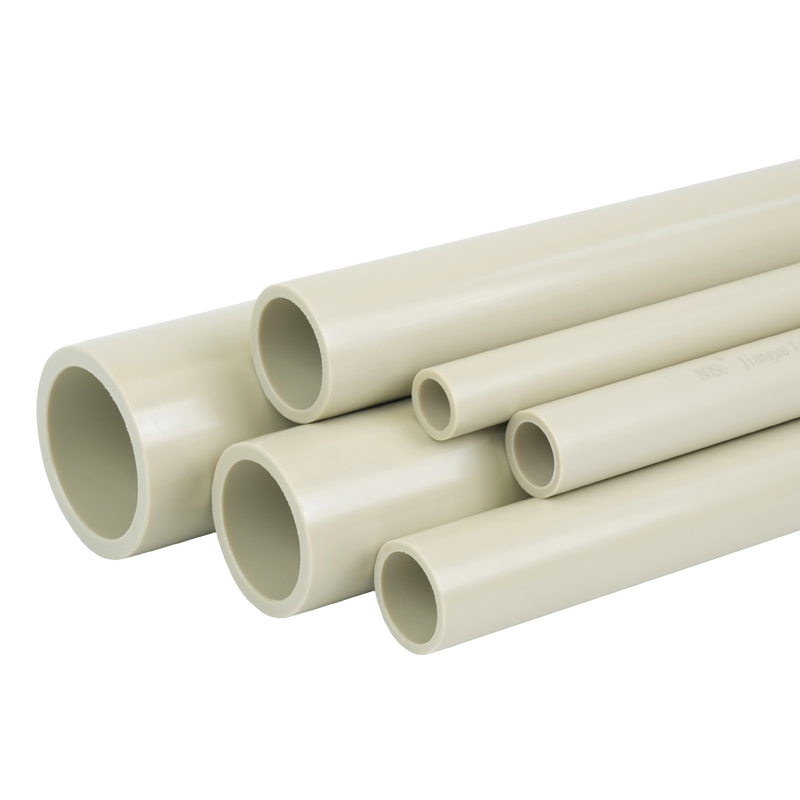
Product Specifications: DN15 (D20), DN20 (D25), DN25 (D32), DN32 (D40), DN40 (D5...

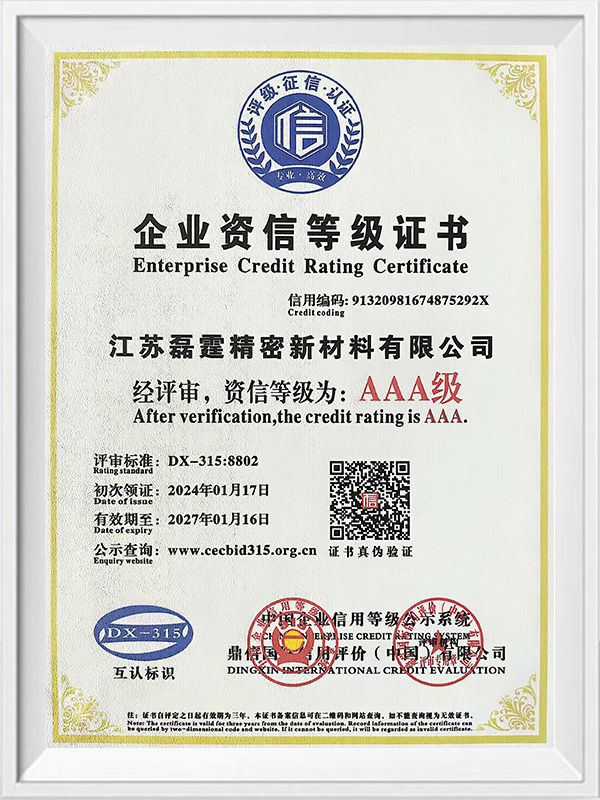
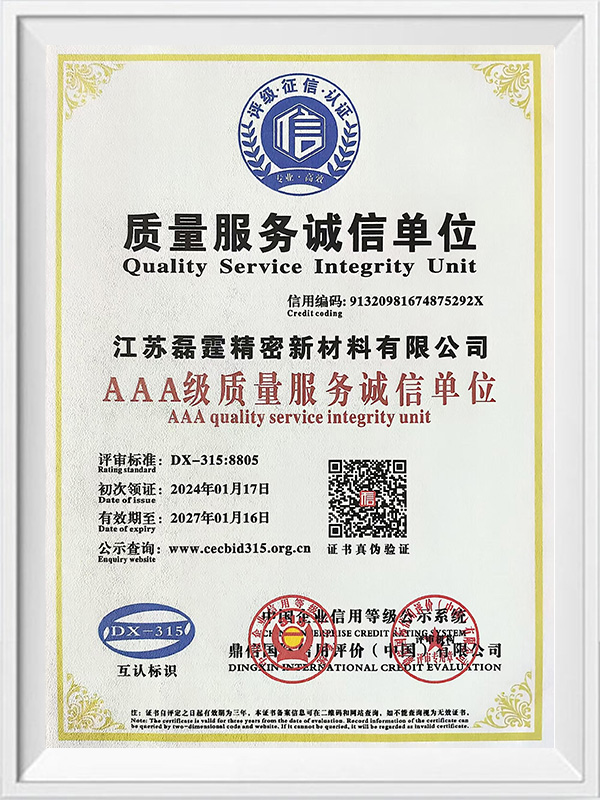
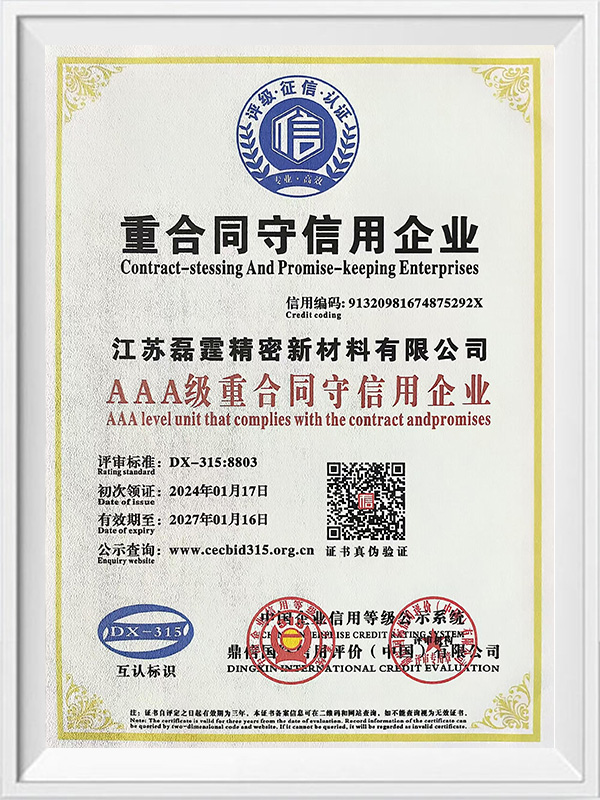
Primary vs. Secondary Raw Materials The fundamental distinction lies in the origin and processing history. Primary raw materials are extracted directly from natural resources (ores, crude oil, forests) and have never been used or processed industrially before. Secondary raw materials are recovered from pre-consumer or...
View MoreDirect Conclusion: The Most Effective Use of Plastic Pipe Lies in Strategic Material Selection and Precision Installation To use plastic pipe most effectively, you must first match the specific polymer properties to the application's chemical, thermal, and pressure demands. There is no single "best" plastic pipe. The ...
View MorePrevention is more cost-effective than repair. Referring to Jiangsu Leiting's high reliability standards in industrial automation systems, the following are best practices for daily maintenance: Regular Flushing and Cleaning (Preventing Clogging) Method: At regular intervals (e.g., monthly or quarterly), flush the insi...
View MoreWhat are 1.0MPa β-PPH pipes?
1. Material Nature: β-PPH (β-crystalline polypropylene homopolymer) is a homopolymer polypropylene obtained through β-modification. It possesses a fine and uniform β-crystalline structure, exhibiting excellent chemical corrosion resistance, wear resistance, and insulation properties.
2. Pressure Rating: The product is designed for a working pressure of 1.0MPa, meeting the medium-to-low pressure transmission needs of industries such as solar energy, semiconductors, chemicals, and pharmaceuticals.
3. Sizes and Specifications: The company offers various pipe diameters and wall thicknesses, which can be customized according to customer piping systems, compatible with various valves, fittings, and accessories.
4. Application Areas: Widely used in high-requirement industrial piping systems such as photovoltaic brackets, semiconductor cooling, chemical media transportation, environmental water treatment, and pharmaceutical manufacturing.
How are the maximum operating temperature and low-temperature brittleness of 1.0MPa β-PPH pipes assessed?
1. Maximum Operating Temperature: The upper limit of the operating temperature of β-PPH pipes is generally 110℃, and can reach 120℃ under special operating conditions, meeting the transportation needs of most industrial heat media. 2. Low-Temperature Performance: The low-temperature embrittlement temperature of polypropylene is approximately -70℃. β-PPH maintains good toughness within the range of -20℃ to -70℃, requiring no additional antifreeze measures for winter construction.
3. Evaluation Methods:
Thermomechanical Property Testing: The upper temperature limit and embrittlement point of the material are determined through experimental data on the coefficient of thermal expansion, yield strength, and impact toughness at different temperatures.
Long-Term Temperature Resistance Testing: The pipe is continuously operated at 110℃ for over 5000 hours, observing creep, hardening, and dimensional changes to verify the reliability of the maximum operating temperature.
Low-Temperature Impact Testing: Impact tests are conducted at -70℃ to ensure the pipe retains sufficient impact absorption capacity even at extreme low temperatures.

Products
Company Information
Address: No. 55 Haichuan Road, High-Tech Zone, Dongtai City, Jiangsu Province, China
Mobile: +86 137 7009 5258
Tel: +86-515-85479999
Email: [email protected]
We'd love to hear from you!
