 English
 中文简体
中文简体
β-PPH Pipes
Product Specifications: DN15 (D20), DN20 (D25), DN25 (D32), DN32 (D40), DN40 (D5...
Plastic pipes are pipes with diverse functions, rich classifications and uses. The appropriate material pipeline can be selected according to different uses and scenarios.
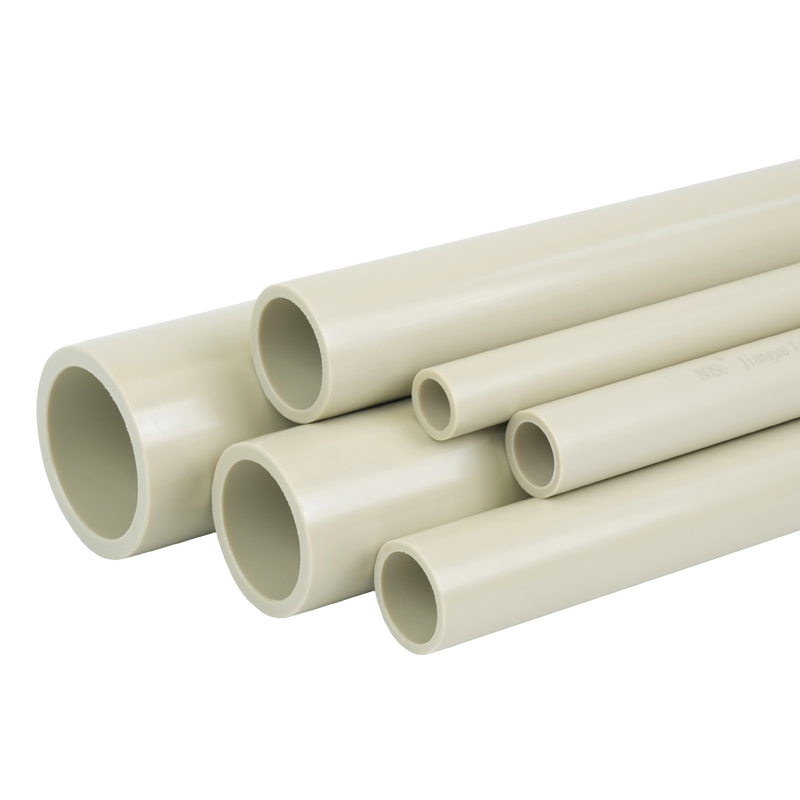
Product Specifications: DN15 (D20), DN20 (D25), DN25 (D32), DN32 (D40), DN40 (D5...
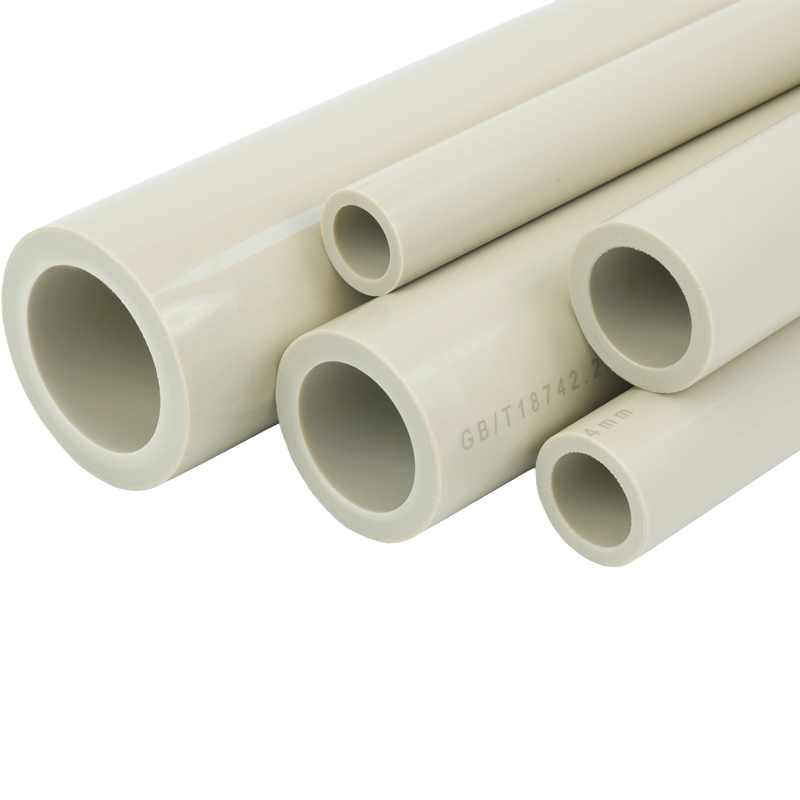
Product Specifications: DN15 (D20), DN20 (D25), DN25 (D32), DN32 (D40), DN40 (D5...
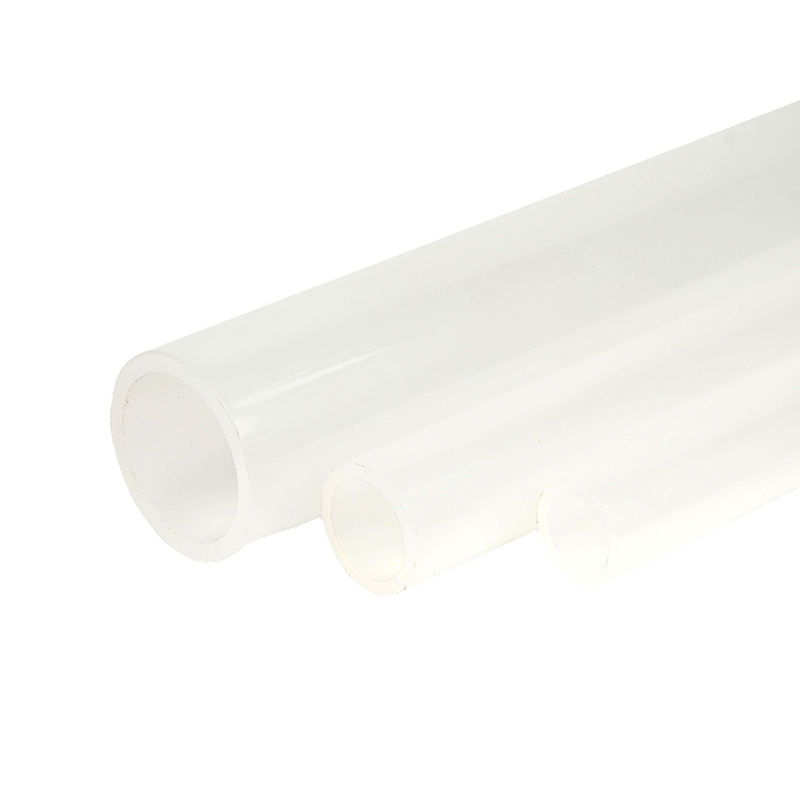
Product Specifications: DN65 (D75), DN80 (D90), DN100 (D110), DN100 (D125), DN15...
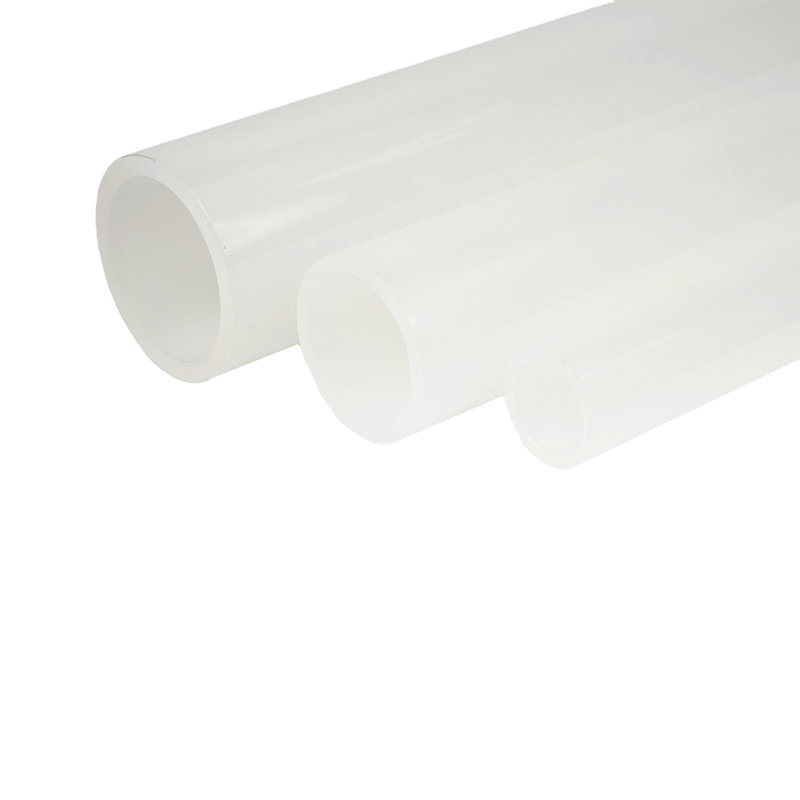
Product Specifications: DN15 (D20), DN20 (D25), DN25 (D32), DN32 (D40), DN40 (D5...
Product Specifications: DN65 (D75), DN80 (D90), DN100 (D110), DN100 (D125), DN15...
Product Specifications: DN15 (D20), DN20 (D25), DN25 (D32), DN32 (D40), DN40 (D5...
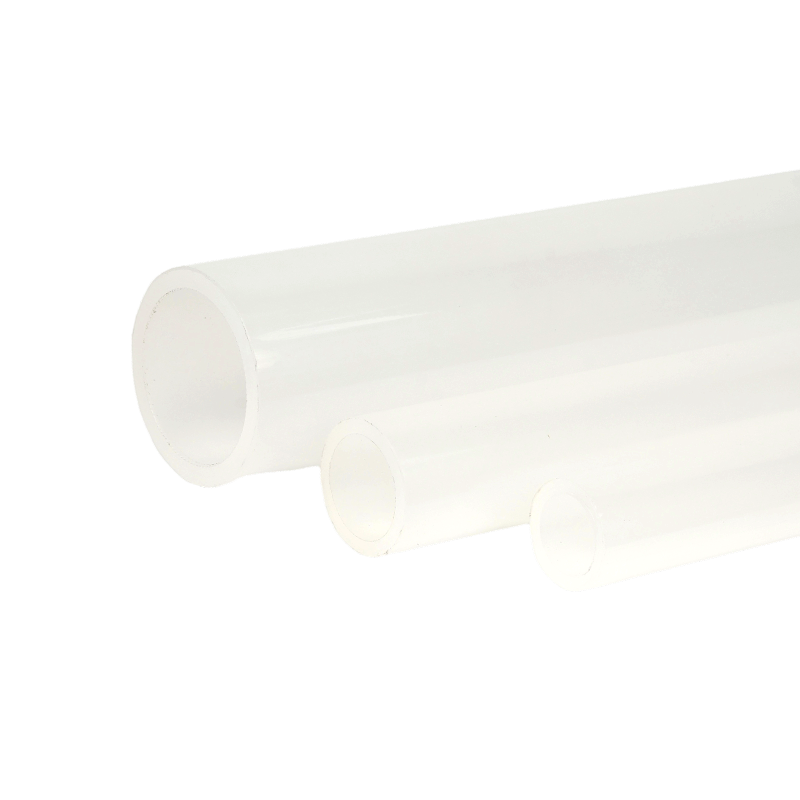
Product Specifications: DN15 (D20), DN20 (D25), DN25 (D32), DN32 (D40), DN40 (D5...

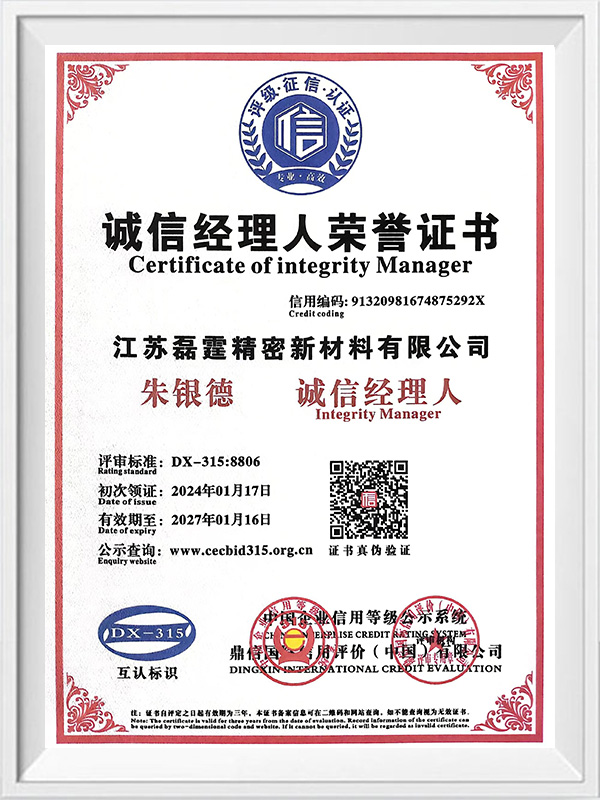
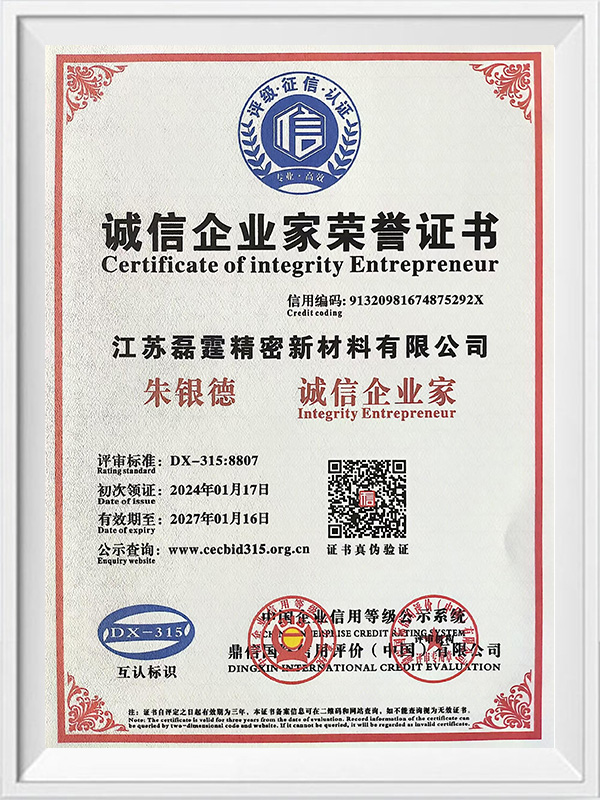
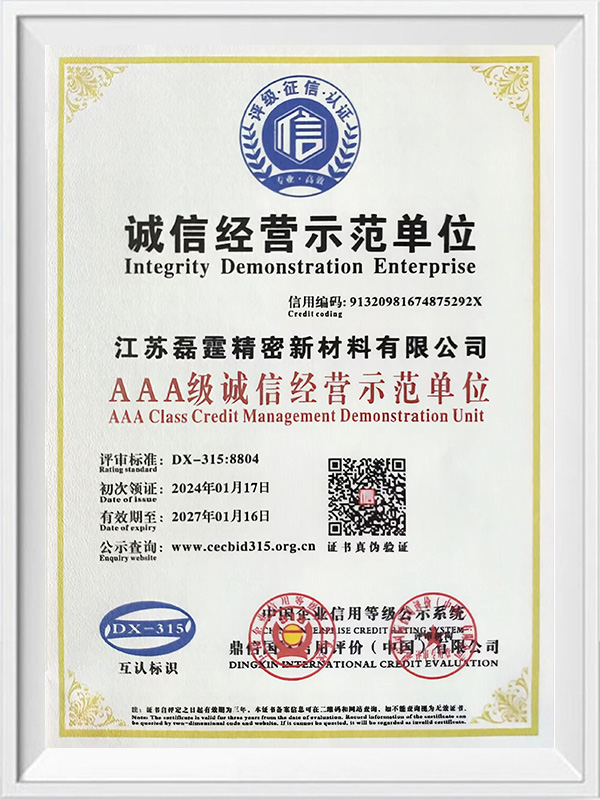
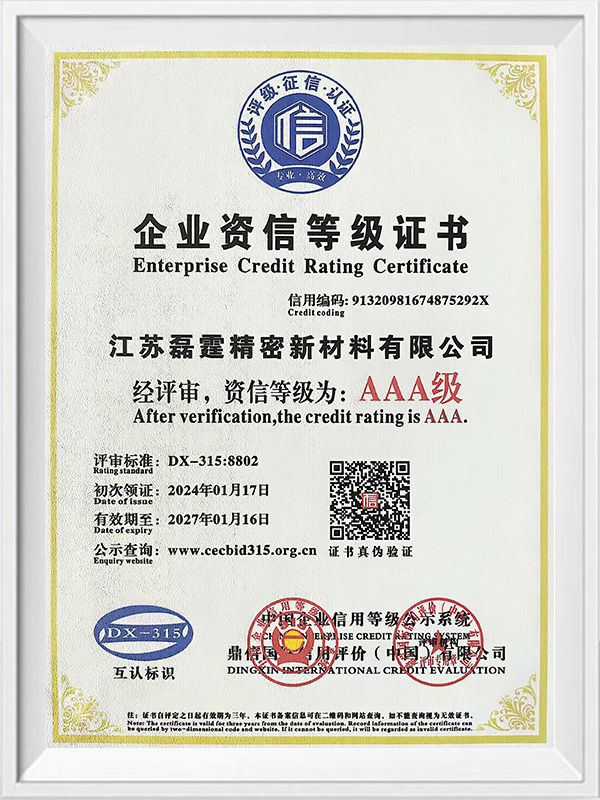
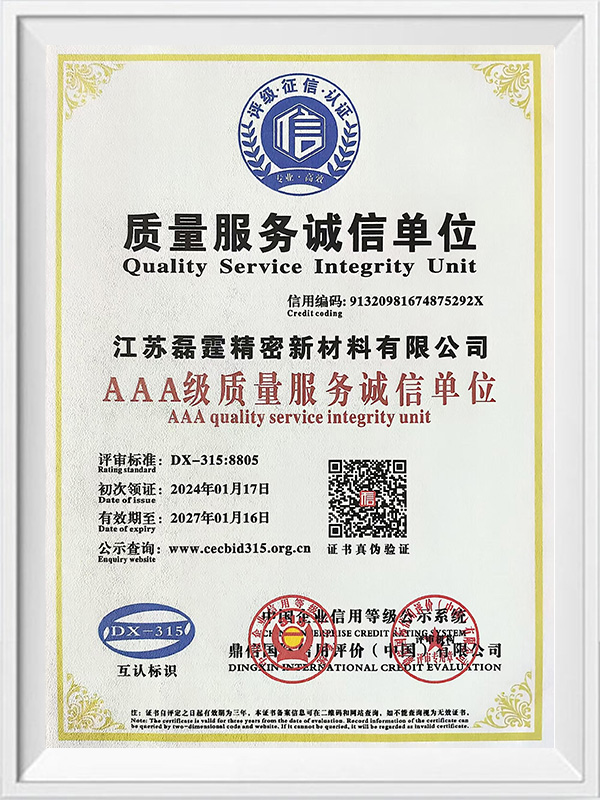
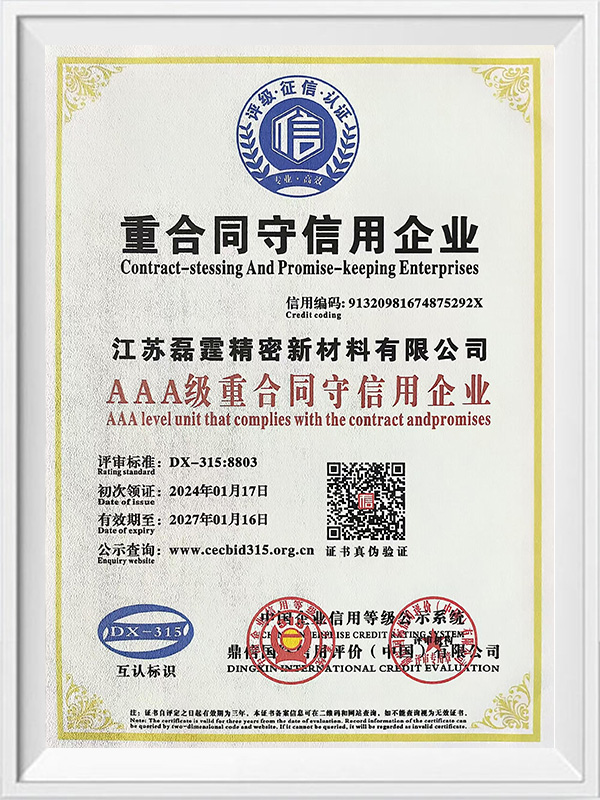
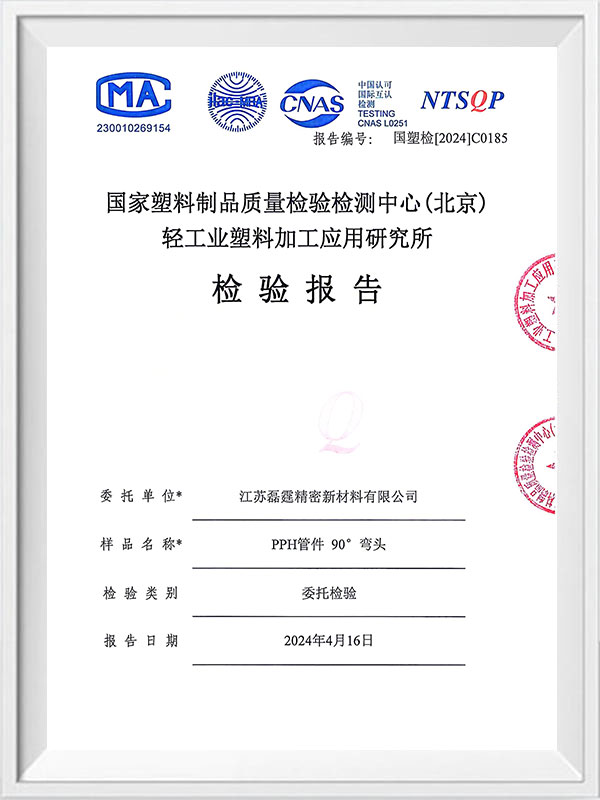
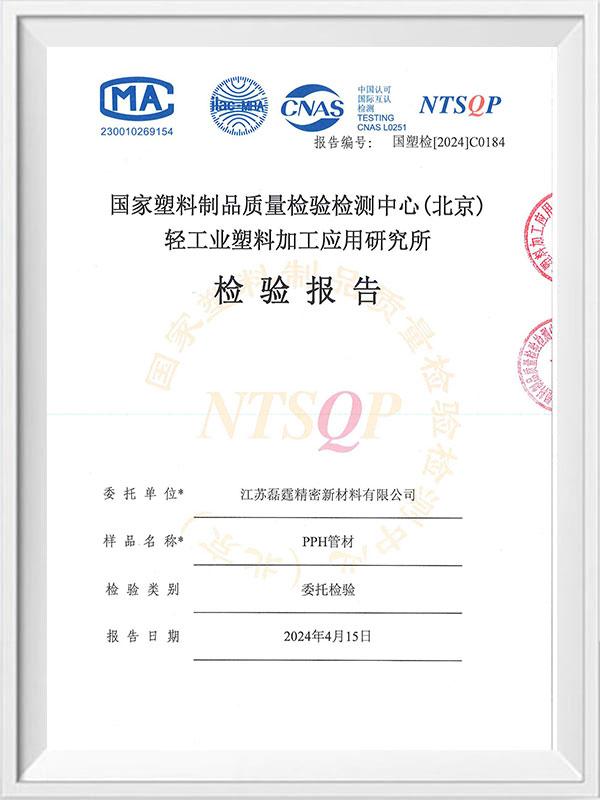
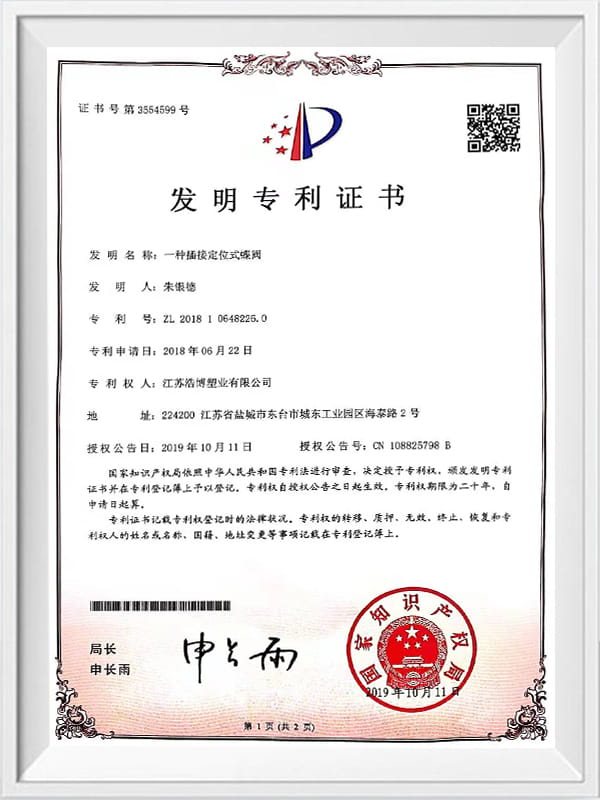
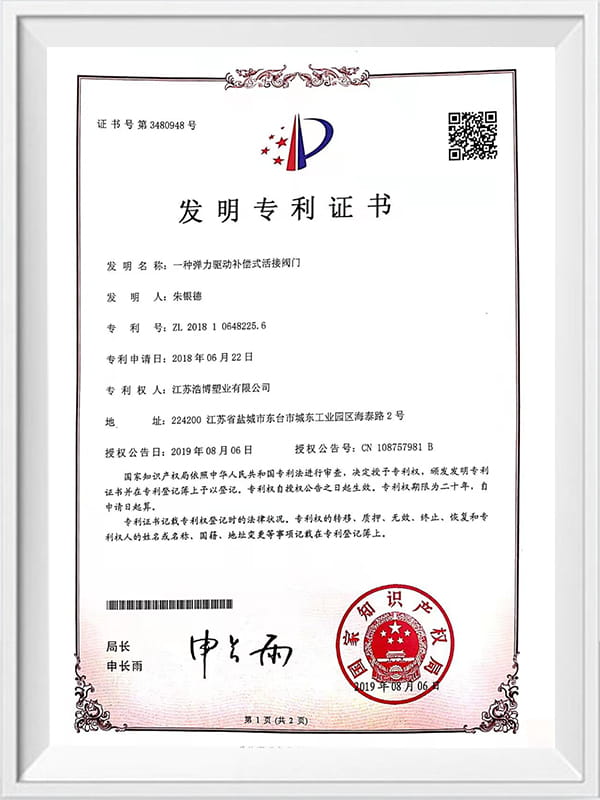
Primary vs. Secondary Raw Materials The fundamental distinction lies in the origin and processing history. Primary raw materials are extracted directly from natural resources (ores, crude oil, forests) and have never been used or processed industrially before. Secondary raw materials are recovered from pre-consumer or...
View MoreDirect Conclusion: The Most Effective Use of Plastic Pipe Lies in Strategic Material Selection and Precision Installation To use plastic pipe most effectively, you must first match the specific polymer properties to the application's chemical, thermal, and pressure demands. There is no single "best" plastic pipe. The ...
View MorePrevention is more cost-effective than repair. Referring to Jiangsu Leiting's high reliability standards in industrial automation systems, the following are best practices for daily maintenance: Regular Flushing and Cleaning (Preventing Clogging) Method: At regular intervals (e.g., monthly or quarterly), flush the insi...
View MoreWhich industries can the Plastic Pipe Series provide reliable solutions for?
1. Photovoltaics and Semiconductors: Highly corrosion-resistant and high-temperature-resistant plastic pipes maintain long-term stability in cooling systems for photovoltaic modules and clean water transportation in semiconductor production.
2. Chemical and Metallurgical Industries: Pipes made with special acid and alkali-resistant materials can withstand strong acids, strong alkalis, and high-pressure media, ensuring production safety.
3. Environmental Protection and Biochemistry: Non-toxic and aging-resistant plastic pipes are suitable for wastewater treatment, sewage recycling, and fluid transportation in biochemical reaction tanks.
4. Aquarium/Marine and Pharmaceutical Industries: Transparent and hygienic pipes meet the cleanliness requirements of aquarium circulation systems and pharmaceutical production.
How to select the appropriate plastic pipe material based on the application scenario?
1. Temperature Resistance Requirements: If the operating temperature exceeds 80℃, PP-R three-layer co-extruded composite pipes or PE-RT are recommended, as they possess excellent heat resistance.
2. Corrosion Resistance Requirements: In acidic, alkaline, or strongly oxidizing environments, PVC-U and PVDF pipes perform excellently, effectively preventing media corrosion.
3. High-pressure transmission: Systems with strict pressure requirements (such as chemical and metallurgical industries) should use HDPE or PE-X high-pressure pipes with good compressive strength.
4. Hygiene and safety: The food, pharmaceutical, or aquarium industries must use non-toxic, low-permeability PE-I or PP-R pipes to ensure fluid purity.

Products
Company Information
Address: No. 55 Haichuan Road, High-Tech Zone, Dongtai City, Jiangsu Province, China
Mobile: +86 137 7009 5258
Tel: +86-515-85479999
Email: [email protected]
We'd love to hear from you!
