 English
 中文简体
中文简体
PVDF 90 Degree Elbow
Product Specifications: DN15 (D20), DN20 (D25), DN25 (D32), DN32 (D40), DN40 (D5...
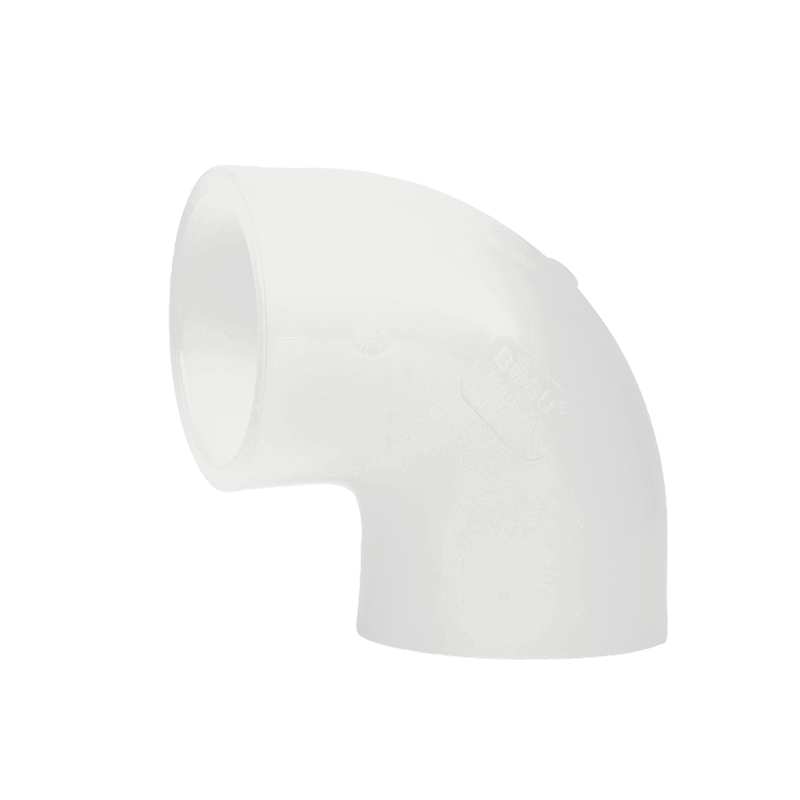
Product Specifications: DN15 (D20), DN20 (D25), DN25 (D32), DN32 (D40), DN40 (D5...
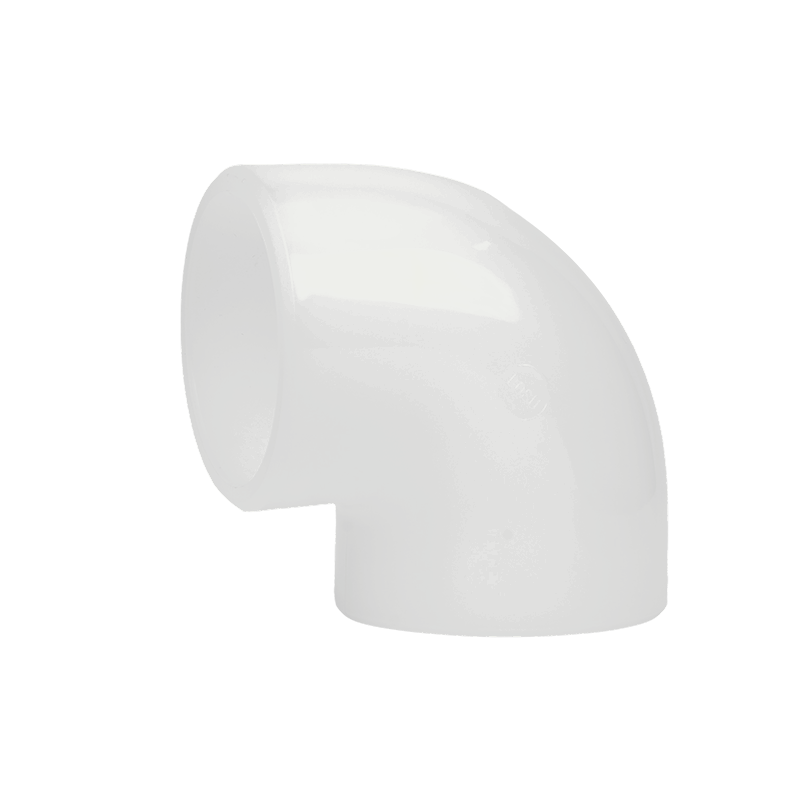
Product Specifications: DN15 (D20), DN20 (D25), DN25 (D32), DN32 (D40), DN40 (D5...

Product Specifications: DN15 (D20), DN20 (D25), DN25 (D32), DN32 (D40), DN40 (D5...
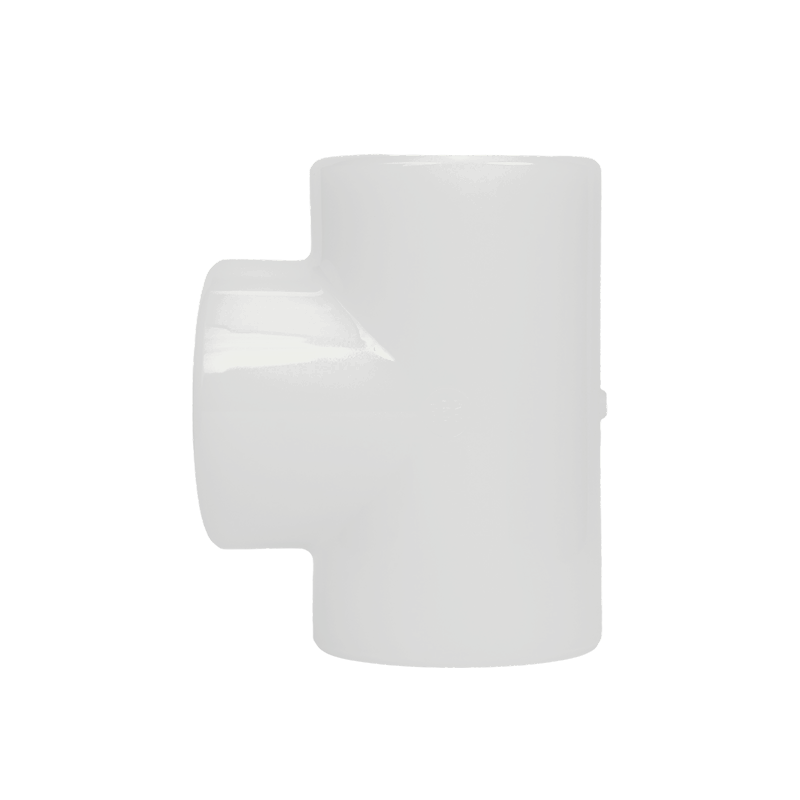
Product Specifications: DN15 (D20), DN20 (D25), DN25 (D32), DN32 (D40), DN40 (D5...
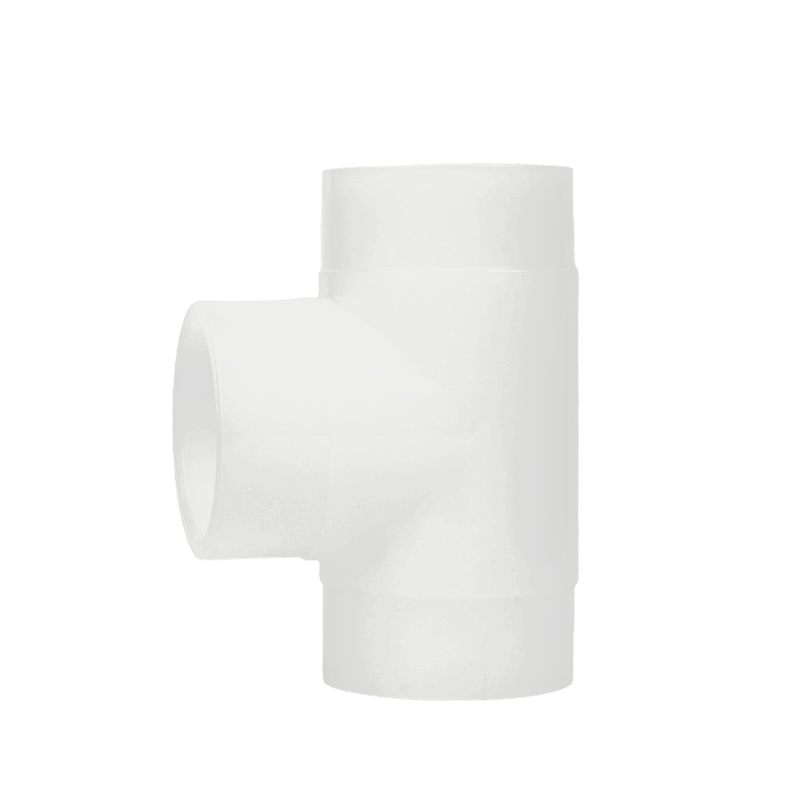
Product Specifications: DN15 (D20), DN20 (D25), DN25 (D32), DN32 (D40), DN40 (D5...



Primary vs. Secondary Raw Materials The fundamental distinction lies in the origin and processing history. Primary raw materials are extracted directly from natural resources (ores, crude oil, forests) and have never been used or processed industrially before. Secondary raw materials are recovered from pre-consumer or...
View MoreDirect Conclusion: The Most Effective Use of Plastic Pipe Lies in Strategic Material Selection and Precision Installation To use plastic pipe most effectively, you must first match the specific polymer properties to the application's chemical, thermal, and pressure demands. There is no single "best" plastic pipe. The ...
View MorePrevention is more cost-effective than repair. Referring to Jiangsu Leiting's high reliability standards in industrial automation systems, the following are best practices for daily maintenance: Regular Flushing and Cleaning (Preventing Clogging) Method: At regular intervals (e.g., monthly or quarterly), flush the insi...
View MoreWhat are the connection methods for PVDF fittings?
1. Butt Fusion: Using a specialized butt fusion machine, the pipe ends are heated and melted at a specified temperature, then aligned and pressed together. After cooling, a seamless, leak-free connection is formed. This is the most common connection method for PVDF pipes and is suitable for high-pressure and clean systems.
2. Socket Fusion: The pipe is inserted into a preheated socket sleeve. After melting, it is quickly inserted and cooled, resulting in a strong connection that is easy to assemble quickly on-site.
3. Electrofusion: Using electrofusion fittings with built-in resistance wires, heat is generated by applying electricity to achieve fusion. This is suitable for situations where it is difficult to use a butt fusion machine on-site, especially common in long pipe sections or bends.
4. Flange Connection: A mechanical seal is achieved using flanges, bolts, and gaskets. This facilitates maintenance and replacement and is commonly used in large pipelines or systems requiring frequent maintenance. 5. Threaded/Compression Connections
Threaded connections allow for quick assembly via threaded engagement. Compression connections (such as ferrules) utilize the interlocking of a sleeve and pipe to form a seal, suitable for small-diameter or low-pressure systems.
What are the common specifications and dimensions of PVDF Fittings?
1. Pipe Diameter and Wall Thickness (Nominal Diameter DN)
Common outer diameter range: 20mm~110mm, wall thickness from 2.3mm to 12.3mm, meeting various industrial needs from small to medium diameters.
2. Standard Size Series
ISO10931 (SDR21S10): Applicable to Butt Fusion and Socket Fusion fittings, covering the entire range of DN20-110.
ISO15494 (SDR11): Provides lightweight solutions with thinner wall thicknesses for welded fittings at higher pressure levels.
3. Special Specifications
Heat shrink tubing sizes: Customizable from 3/64in (≈1.2mm) to 1in (≈25.4mm) to meet micro-conduit or electrical insulation needs.
Sheet and Rod Stock: Sheet thickness 1mm~50mm, standard sizes 1200mm×2400mm or 2000mm×3000mm; Rod diameter 5mm~110mm, weight can be calculated in kg/m.
4. Pressure Ratings
Available in PN10 and PN16 pressure ratings, suitable for high-requirement industries such as chemical, pharmaceutical, and aerospace.

Products
Company Information
Address: No. 55 Haichuan Road, High-Tech Zone, Dongtai City, Jiangsu Province, China
Mobile: +86 137 7009 5258
Tel: +86-515-85479999
Email: [email protected]
We'd love to hear from you!
