 English
 中文简体
中文简体
β--PPH Reducing Thermo-fusion Socket Fitting 1.6MPa
This fitting is designed to reduce flow disturbance during diameter transitions...
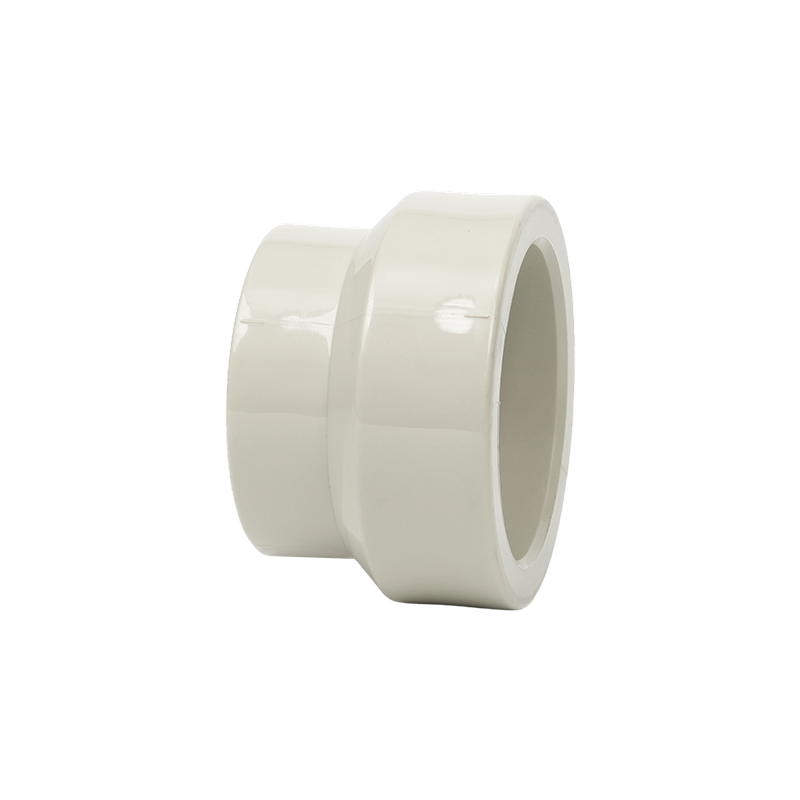
This fitting is designed to reduce flow disturbance during diameter transitions...
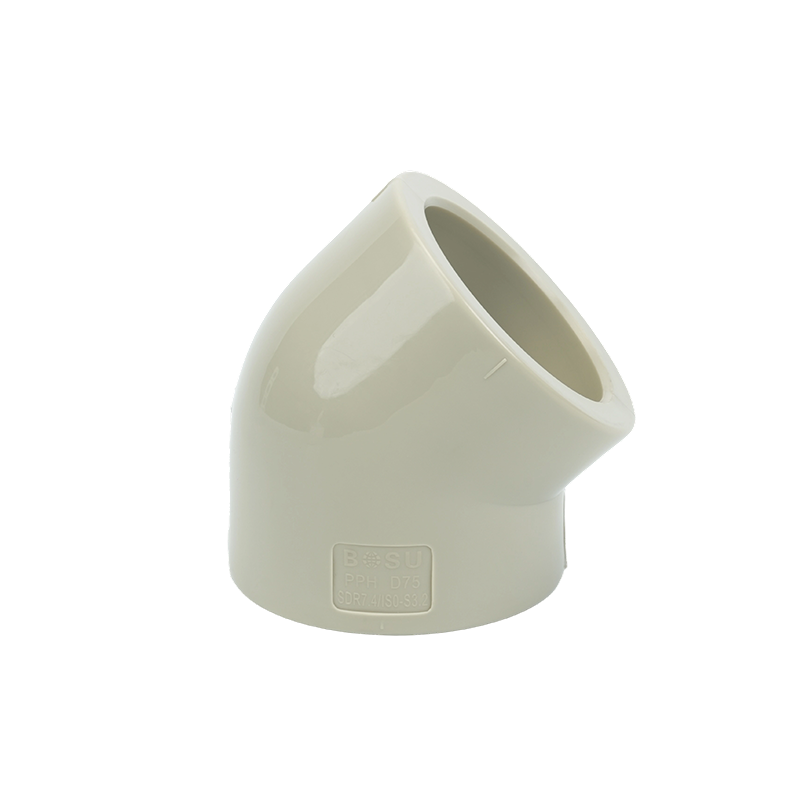
1.This fitting is used to change the direction of a pipeline at a 45-degree ang...
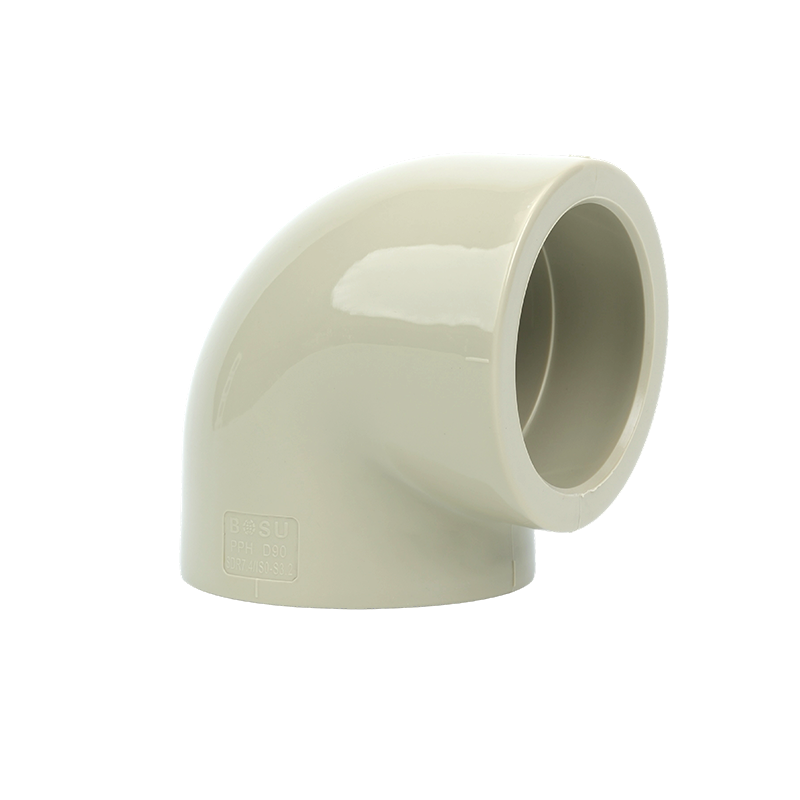
1. This fitting is designed for 90-degree directional changes in pipelines and i...
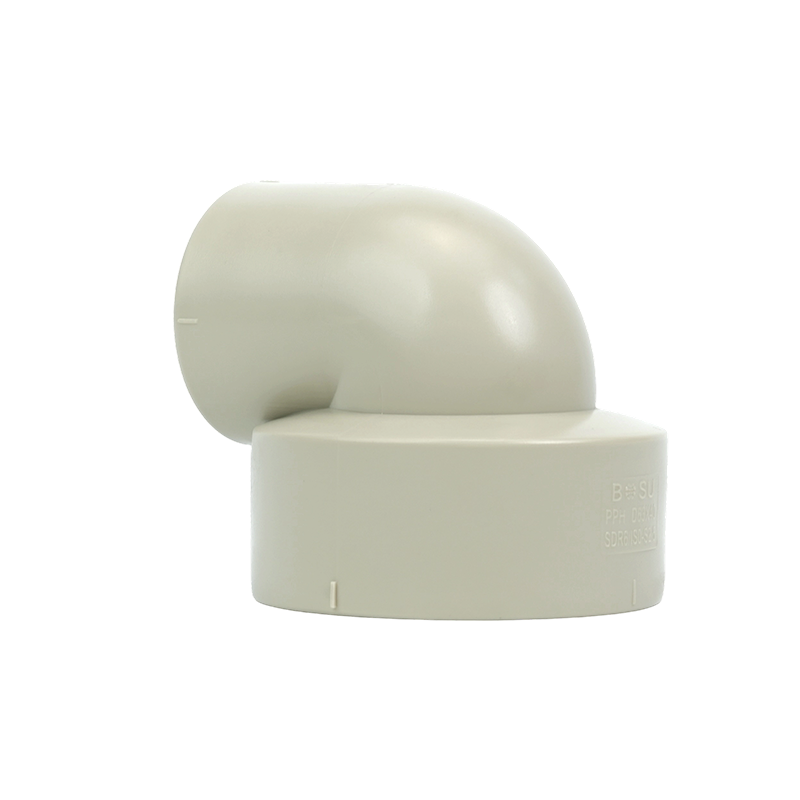
1. This fitting is used to connect two pipes of different diameters, achieving a...
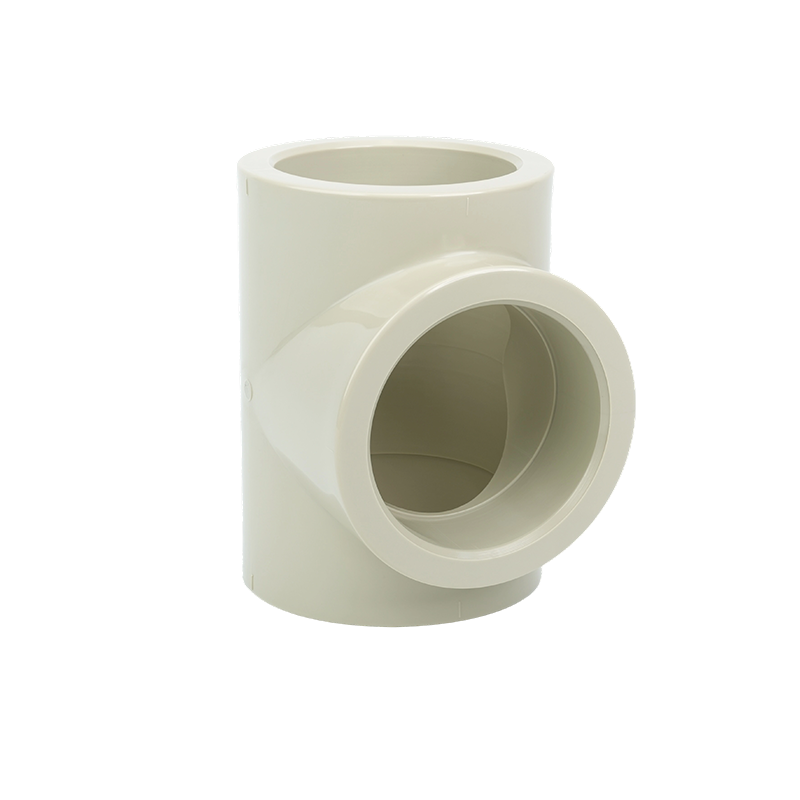
1. It is a type of pipeline fitting, used where the main pipeline needs to branc...
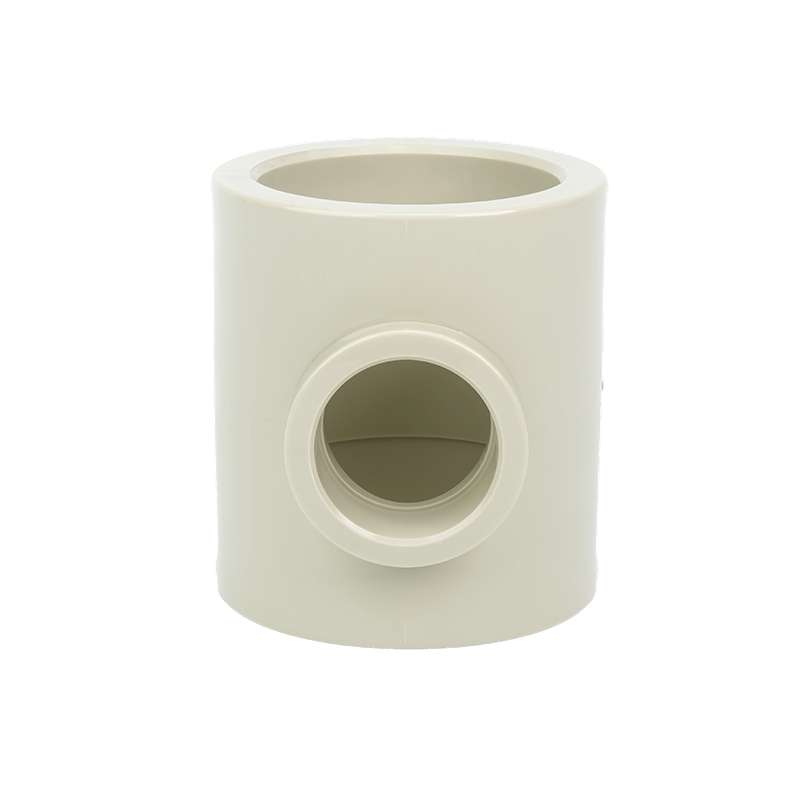
1.This fitting is used to create a branch line from a main pipeline, allowing f...
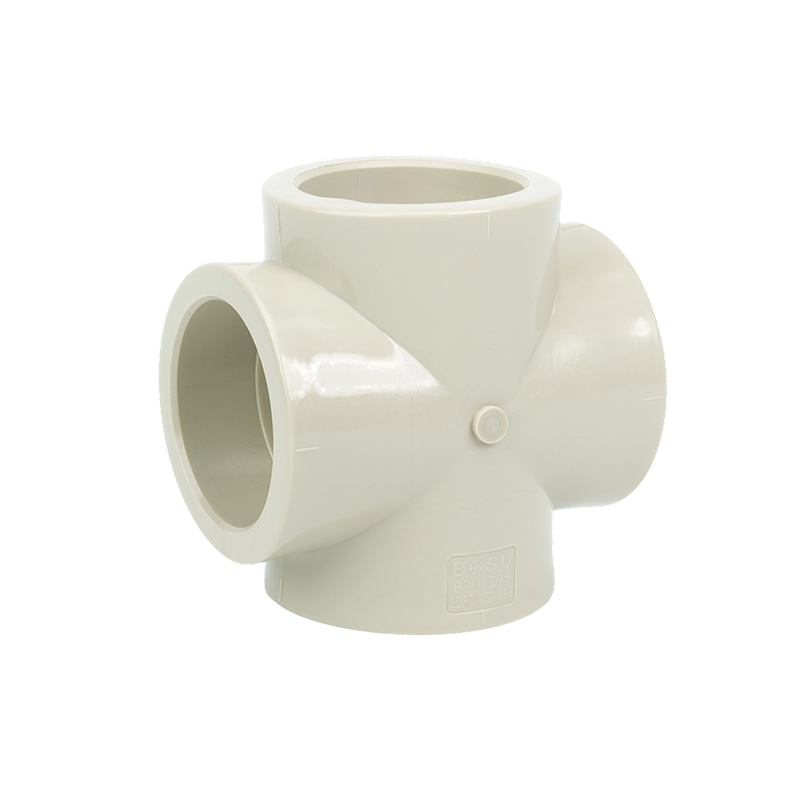
1. Used to connect four pipes of the same diameter intersecting perpendicularly....
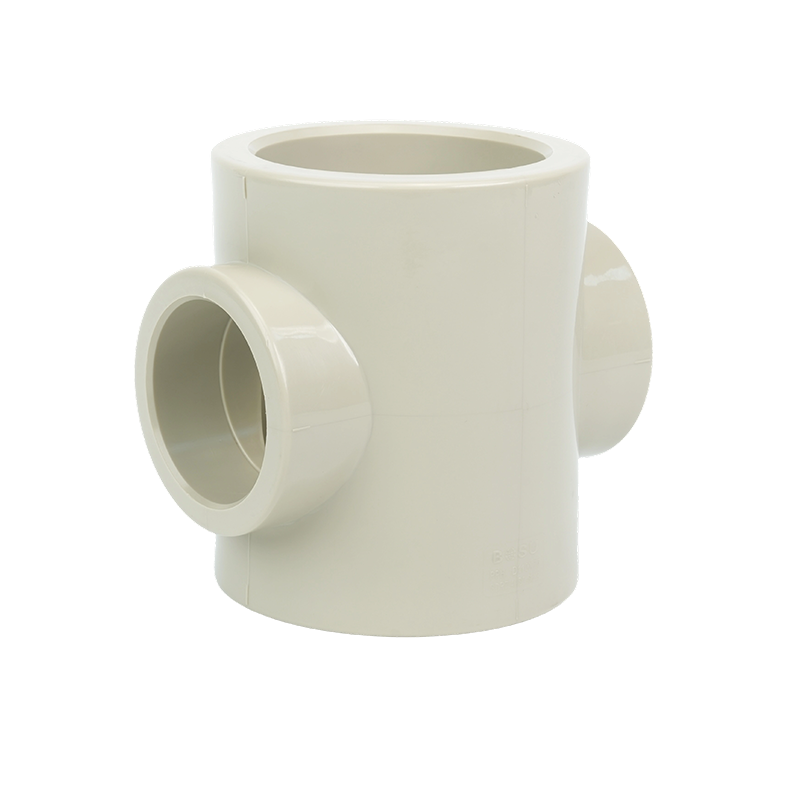
1.Used to connect four pipes of different diameters intersecting perpendicularl...
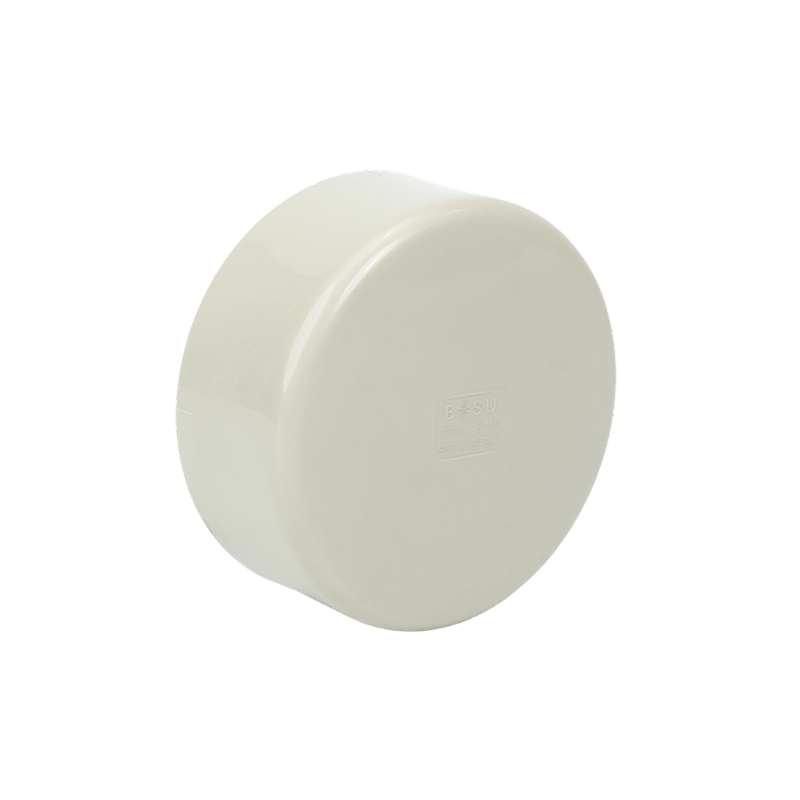
1. Durable, corrosion-resistant, lightweight, used to seal pipelines. Suitable f...
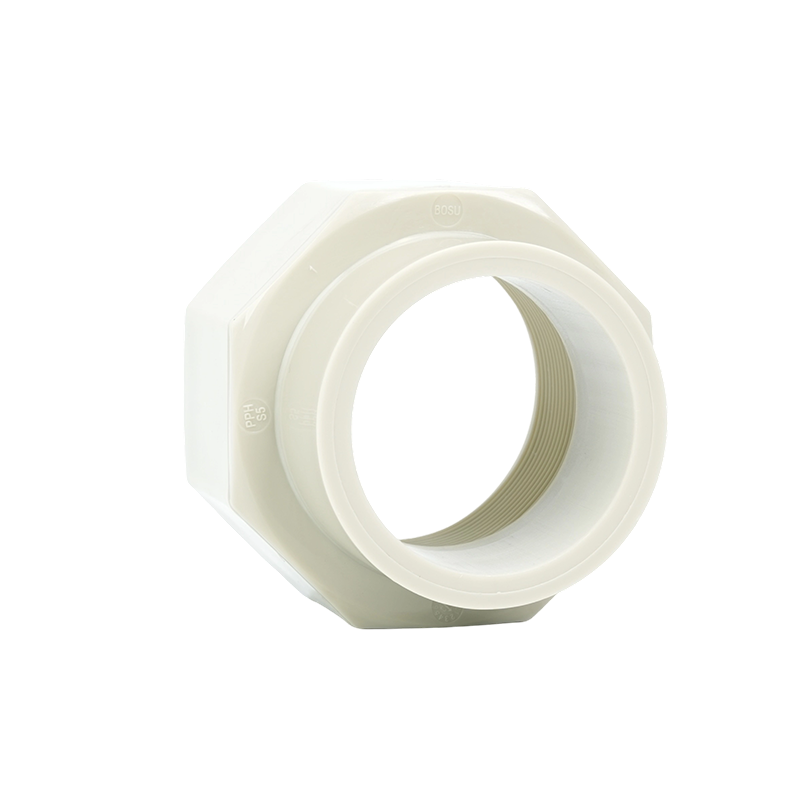
1. This product features quick, secure, and efficient installation. Its smooth i...
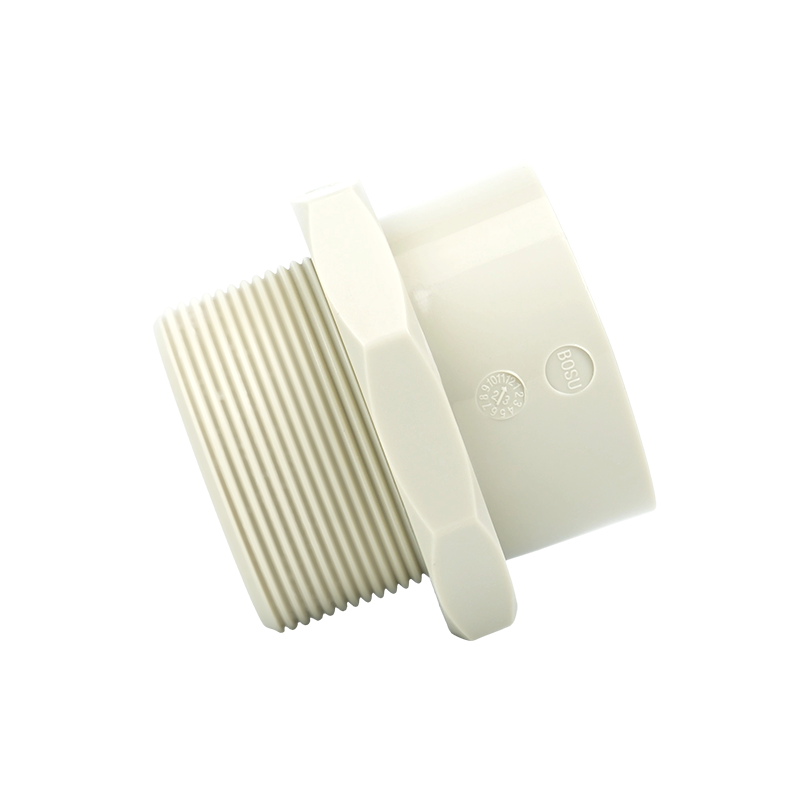
1. Fast connection, high pressure resistance, good sealing, safe and reliable wo...
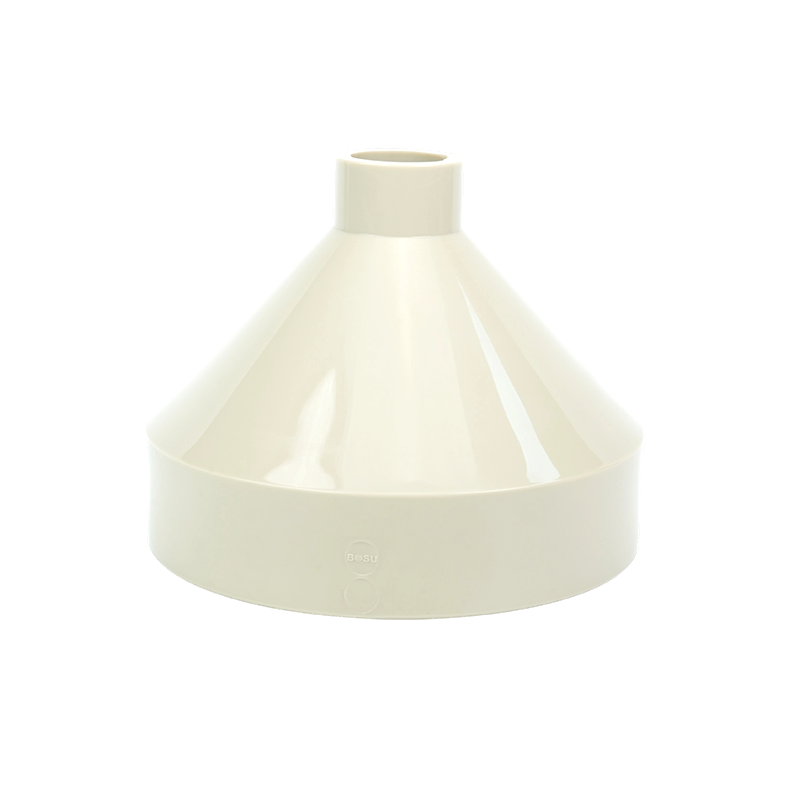
1.It facilitates fluid flow and causes less flow disruption when the diameter ch...

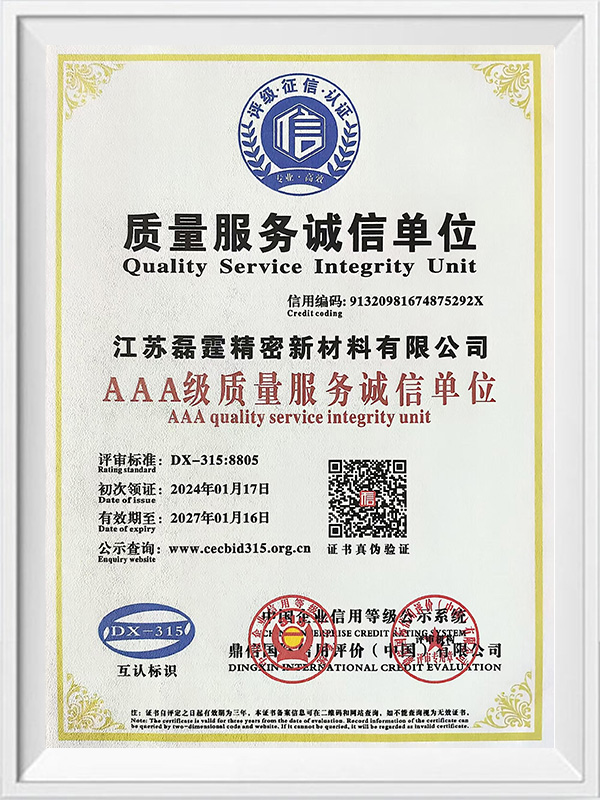
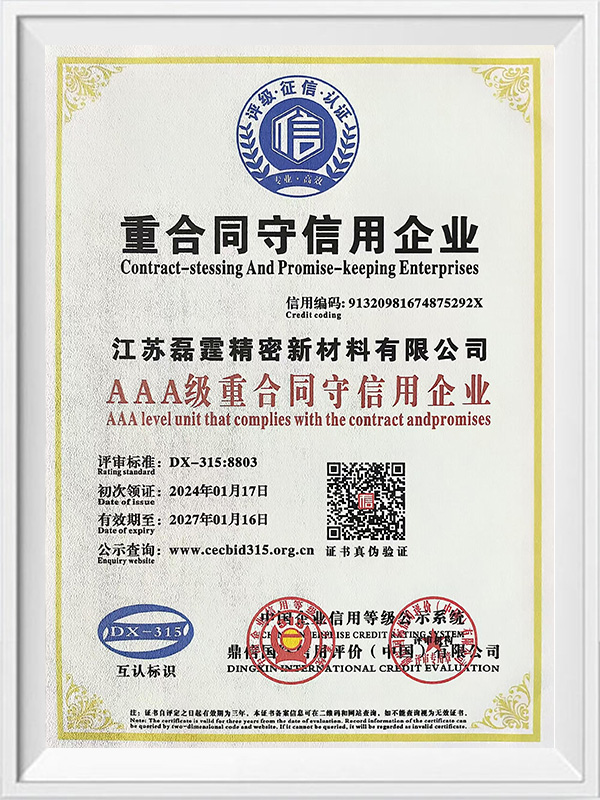
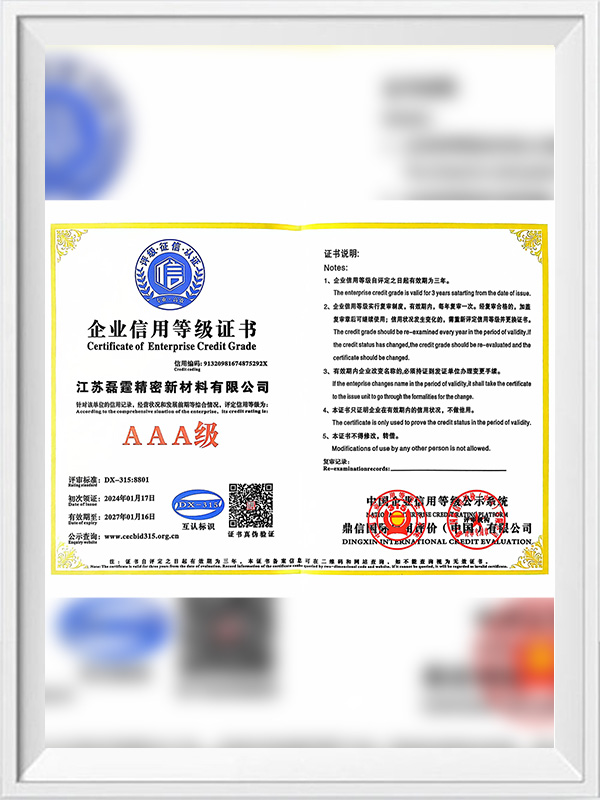
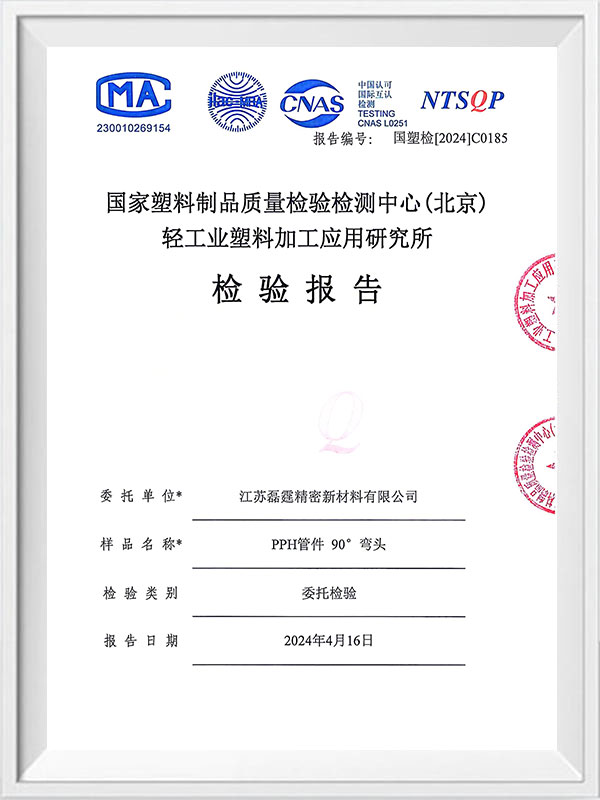
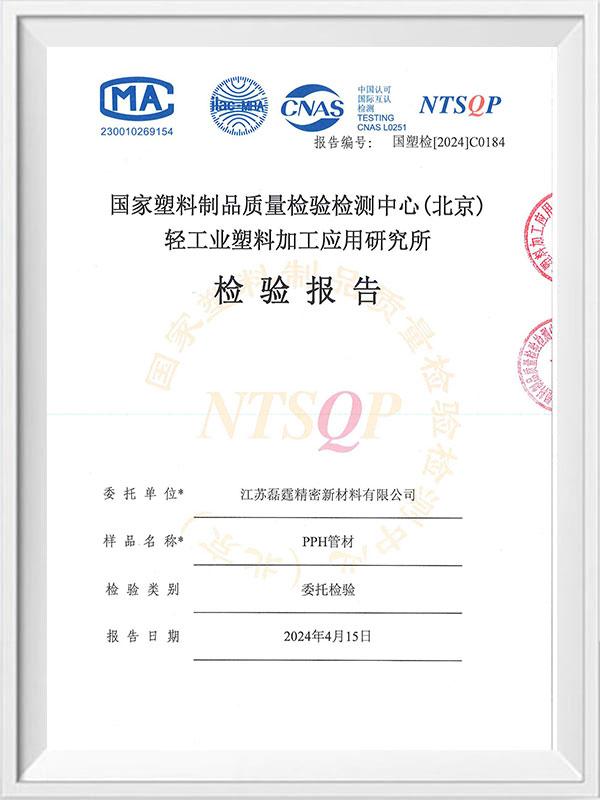
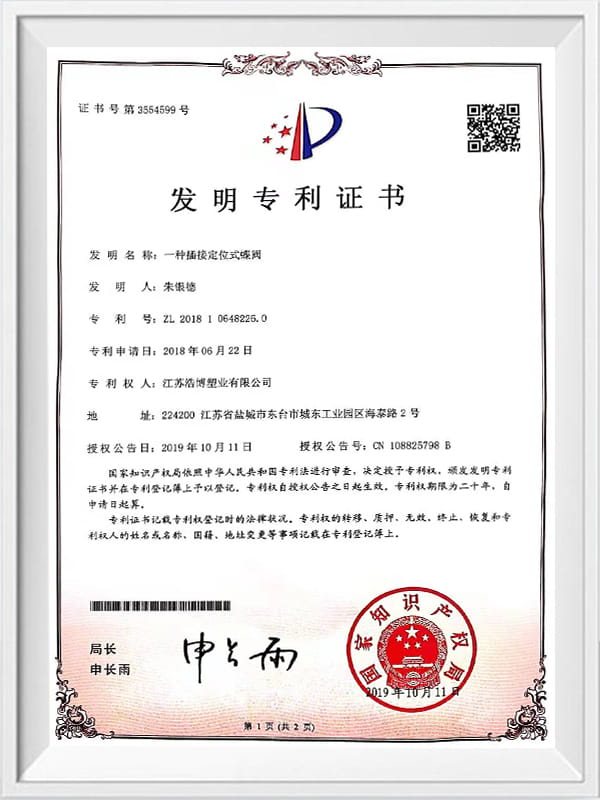
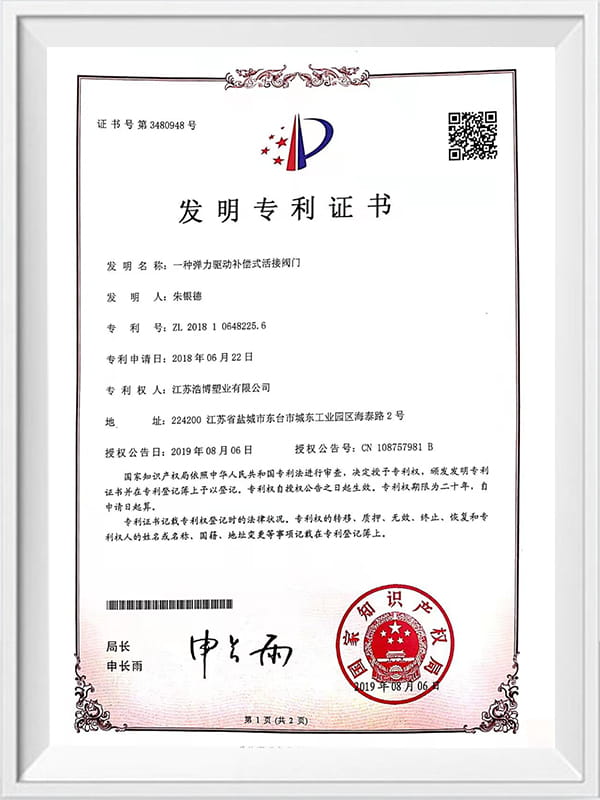
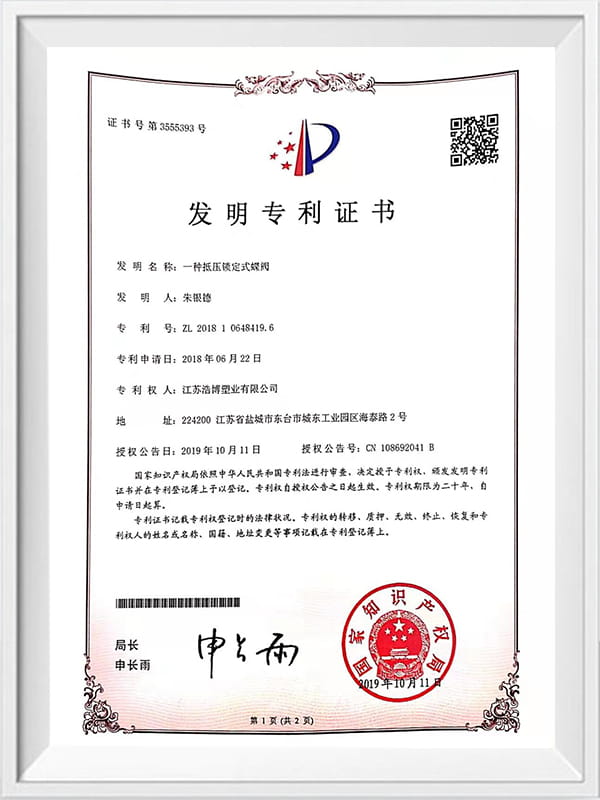
Primary vs. Secondary Raw Materials The fundamental distinction lies in the origin and processing history. Primary raw materials are extracted directly from natural resources (ores, crude oil, forests) and have never been used or processed industrially before. Secondary raw materials are recovered from pre-consumer or...
View MoreDirect Conclusion: The Most Effective Use of Plastic Pipe Lies in Strategic Material Selection and Precision Installation To use plastic pipe most effectively, you must first match the specific polymer properties to the application's chemical, thermal, and pressure demands. There is no single "best" plastic pipe. The ...
View MorePrevention is more cost-effective than repair. Referring to Jiangsu Leiting's high reliability standards in industrial automation systems, the following are best practices for daily maintenance: Regular Flushing and Cleaning (Preventing Clogging) Method: At regular intervals (e.g., monthly or quarterly), flush the insi...
View MoreWhat are the key points of installation and welding processes for β-PPH Fittings?
1. Surface Cleaning and Cut Quality
Before installation, oil, dust, and rust must be thoroughly removed from the surfaces of pipes and fittings to ensure a clean contact surface.
Pipe ends must be cut squarely using a specialized cutting tool to ensure a perpendicular, burr-free end face for optimal interlocking strength.
2. Selection of Appropriate Connection Method
For β-PPH materials, two methods can be used: hot-melt welding (electrofusion) or adhesive bonding. Hot-melt welding is the most commonly used process, achieving a leak-free and reliable connection.
3. Key Welding Process Parameters
Heating Temperature: Generally controlled between 210℃ and 230℃ to ensure the material is fully softened without thermal degradation.
Pressure Holding Time: Maintain pressure for 8–12 seconds after heating to allow the melt to fully fill and form a uniform weld.
Cooling: Allow to cool naturally for at least 30 seconds after welding to avoid rapid cooling that could cause internal stress.
4. Quality Inspection and Leak Prevention Measures
After welding, conduct an airtightness test (such as helium leak detection or hydrostatic test) to confirm there are no leaks before putting the pipe into use.
Inspect the weld for bubbles, cracks, or incomplete fusion; re-weld if necessary.
How to select the specifications of β-PPH Fittings based on media type, working pressure, and temperature?
1. Media Corrosivity
For corrosive media such as strong acids and alkalis, thicker wall fittings or corrosion-resistant β-PPH modified materials should be used to resist chemical attack.
For neutral or weakly corrosive media (such as pure water and steam), standard wall thickness fittings can be used.
2. Matching Working Pressure and Temperature
The long-term working temperature range of β-PPH pipes is -20℃ to +100℃, and the short-term maximum withstand temperature is 110℃. Increased temperature significantly reduces pressure resistance; the maximum working pressure (MOP) at 60℃ is approximately 50% of the nominal pressure. When selecting a pipe fitting, the design pressure (usually 1.25 times the highest working pressure) should be considered, along with a temperature correction factor, to ensure that the fitting does not exceed the material's pressure resistance limit under actual operating conditions.
3. Wall Thickness and Nominal Size
Select the appropriate nominal diameter (DN) and wall thickness (PN) based on the viscosity, flow rate, and system pressure drop requirements of the medium.
For high-pressure and low-temperature environments, PN16 and above with thicker walls are recommended; under normal temperature and pressure, PN10–PN12 is sufficient.
4. Influence of Installation Method on Selection
Hot-melt welding has relatively relaxed requirements on pipe wall thickness, but welding quality must be ensured; flange connections have higher requirements on pipe wall thickness and require matching with appropriate flange thickness and bolt specifications.

Products
Company Information
Address: No. 55 Haichuan Road, High-Tech Zone, Dongtai City, Jiangsu Province, China
Mobile: +86 137 7009 5258
Tel: +86-515-85479999
Email: [email protected]
We'd love to hear from you!
