 English
 中文简体
中文简体
β--PPH Flange Adapter
Its primary purpose is to interconnect sections of piping. Product specification...
Plastic pipe fittings generally include products such as tees, elbows, couplings, flanges, caps, crosses, and unions. As essential components for connecting pipelines, the selection of specific fittings depends on the application scenario.
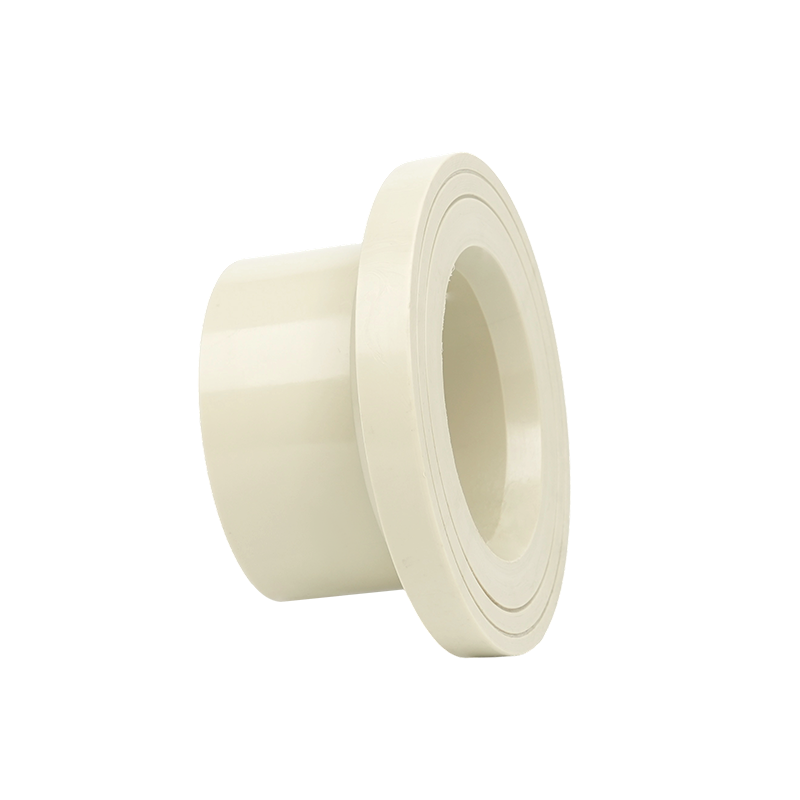
Its primary purpose is to interconnect sections of piping. Product specification...
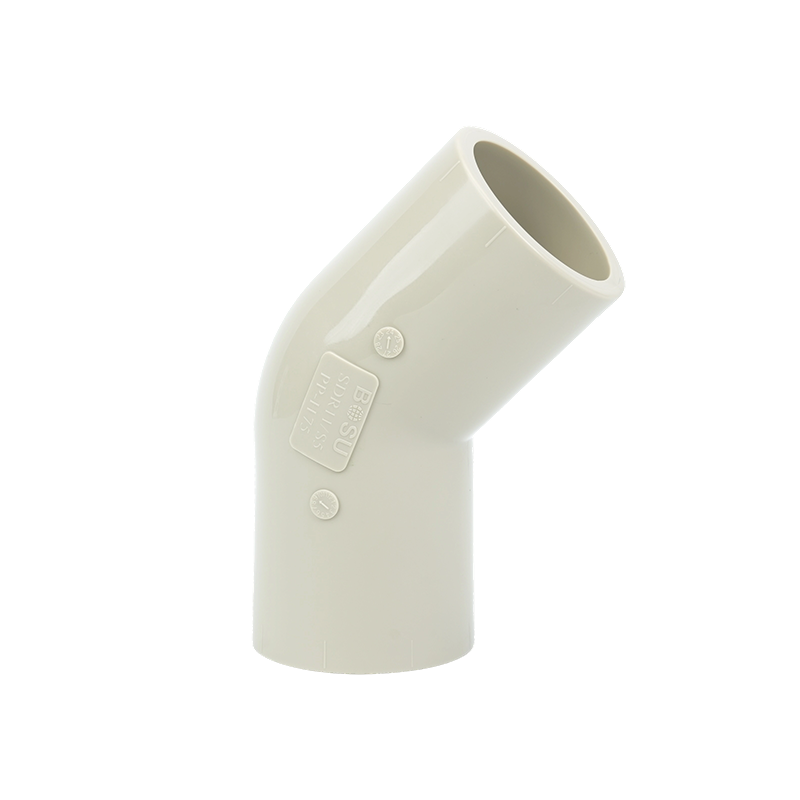
1. The stress is perfectly dispersed and the flow is smoother. 2. Due to the spe...
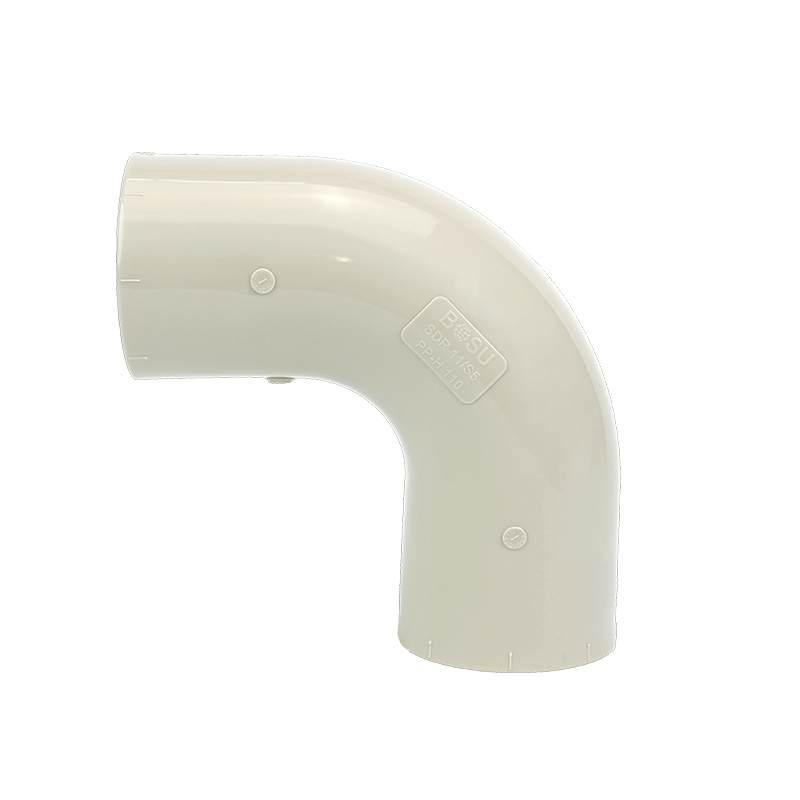
1. The water hammer action is reduced, with greater flow, more pressure, and fas...
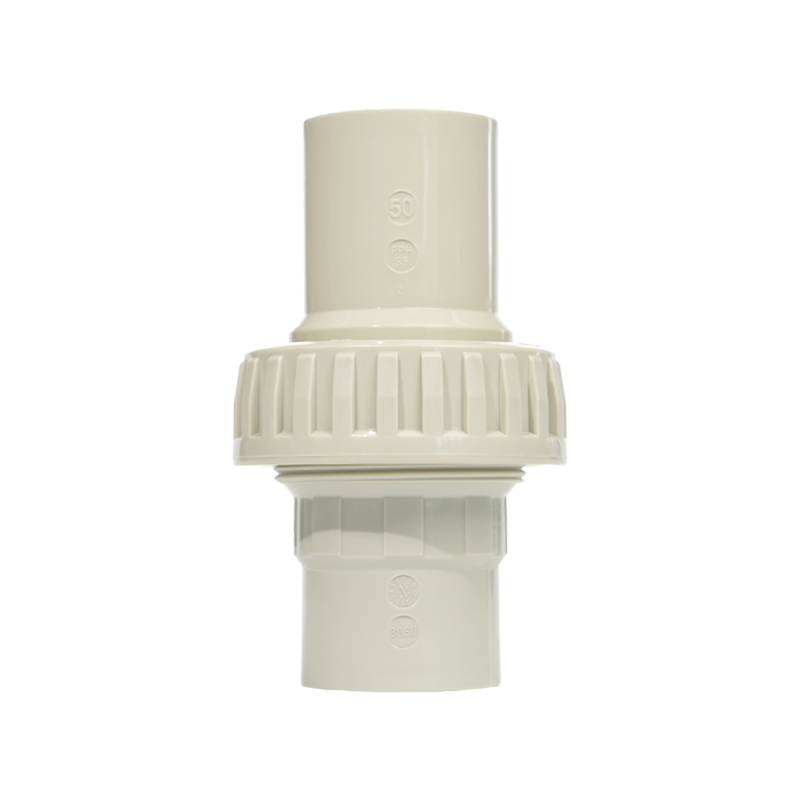
This union is used to connect pipes into a pipeline system. Product Specificatio...
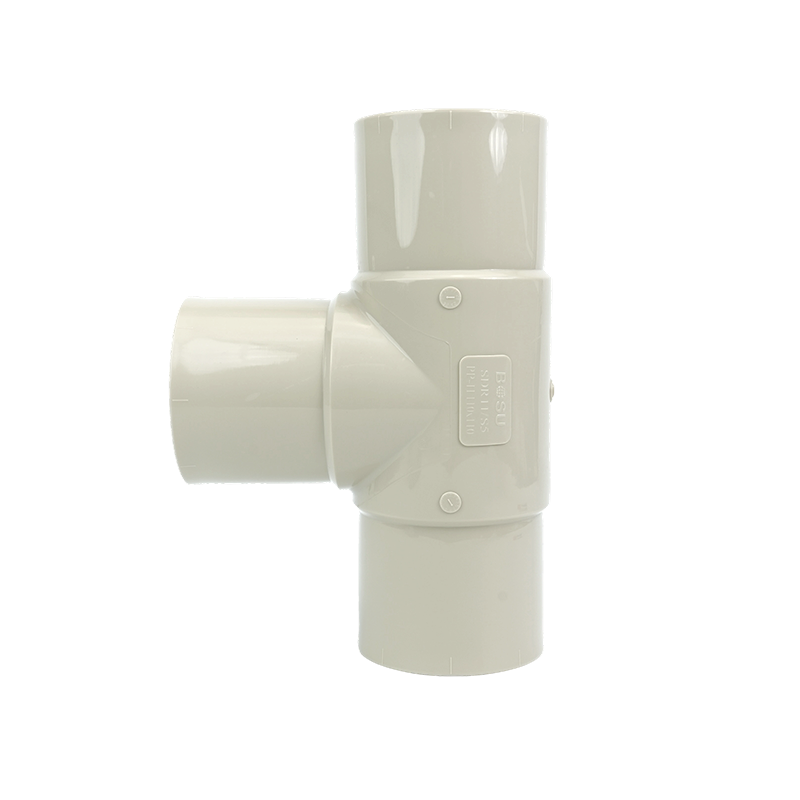
1. It features an elongated, streamlined profile with smooth internal and extern...
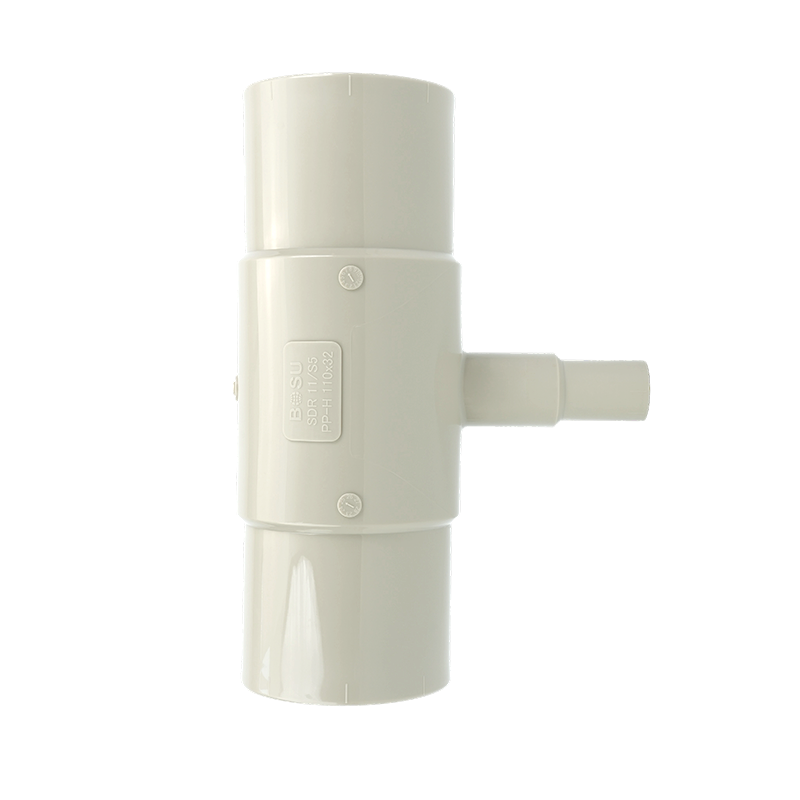
1. Designed for pipe extension, these fittings feature two identical ports and o...
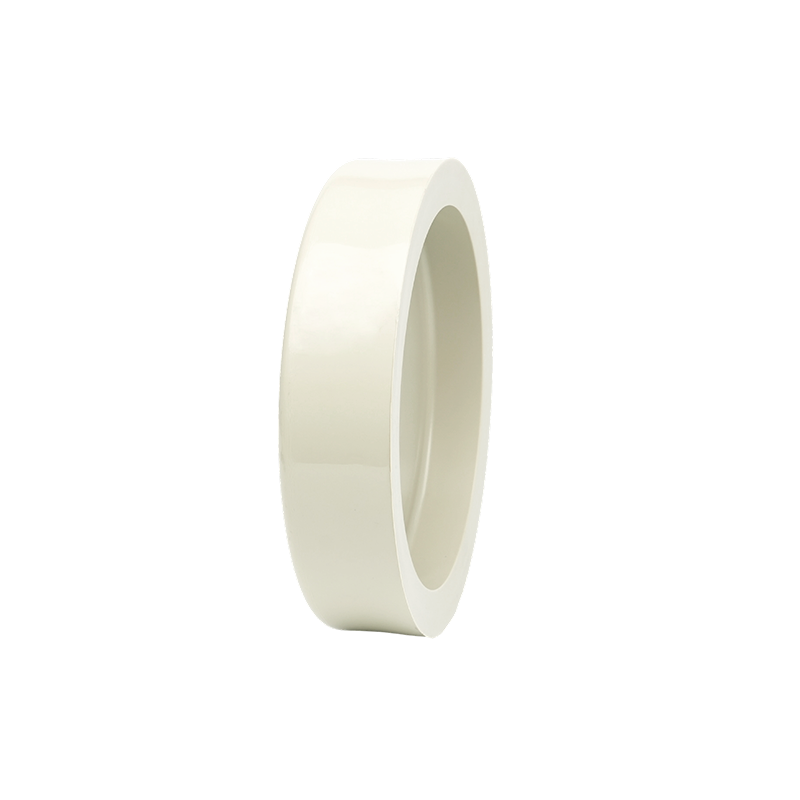
1. In addition to its basic closure function, the pipe cap can also be used for ...
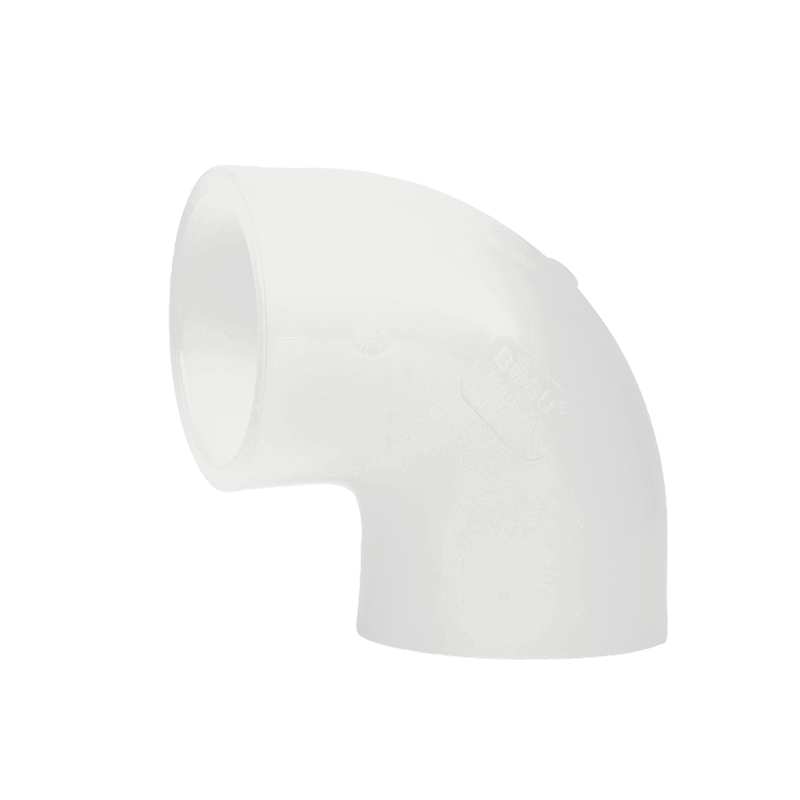
Product Specifications: DN15 (D20), DN20 (D25), DN25 (D32), DN32 (D40), DN40 (D5...
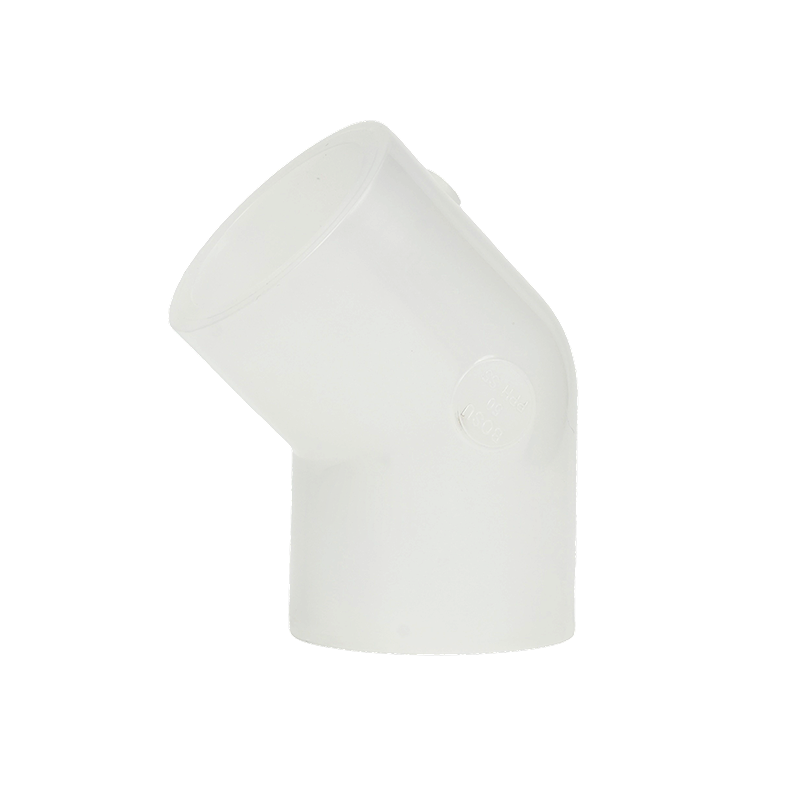
The product specifications are all: DN15 (D20), DN20 (D25), DN25 (D32), DN32 (D4...
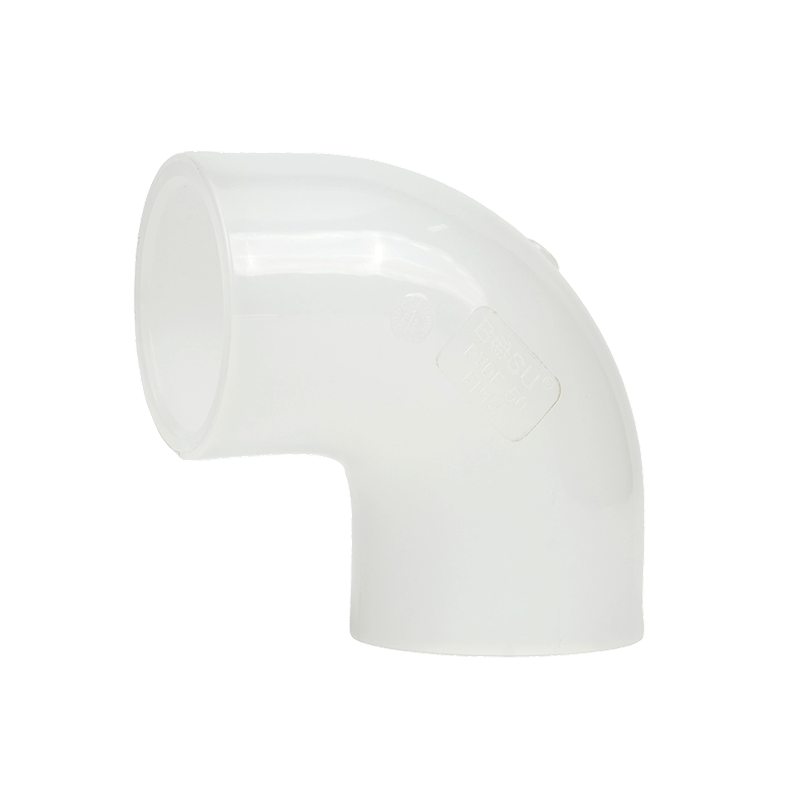
The product specifications are all: DN15 (D20), DN20 (D25), DN25 (D32), DN32 (D4...
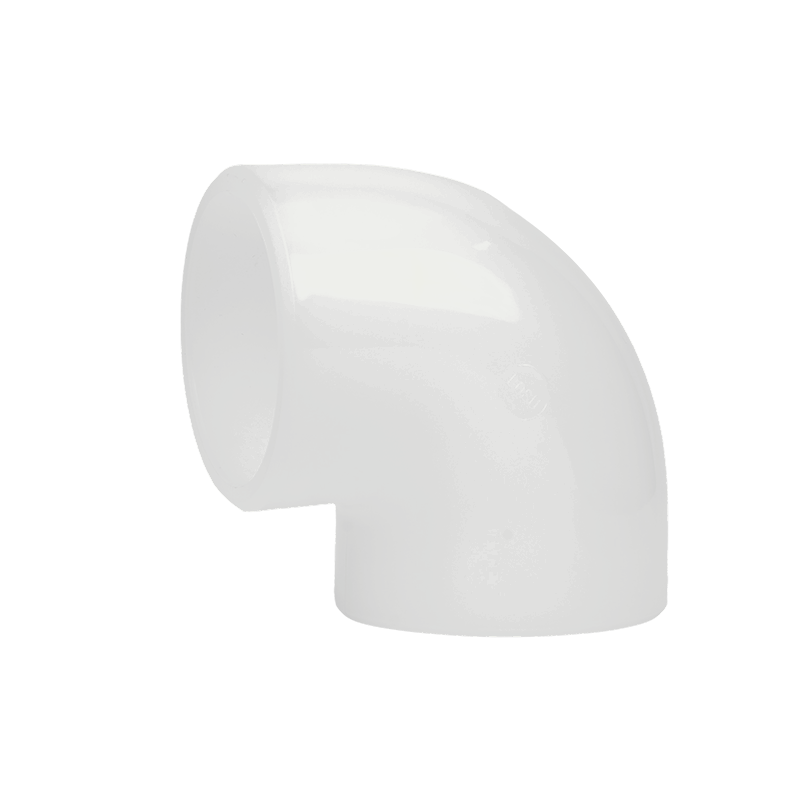
Product Specifications: DN15 (D20), DN20 (D25), DN25 (D32), DN32 (D40), DN40 (D5...
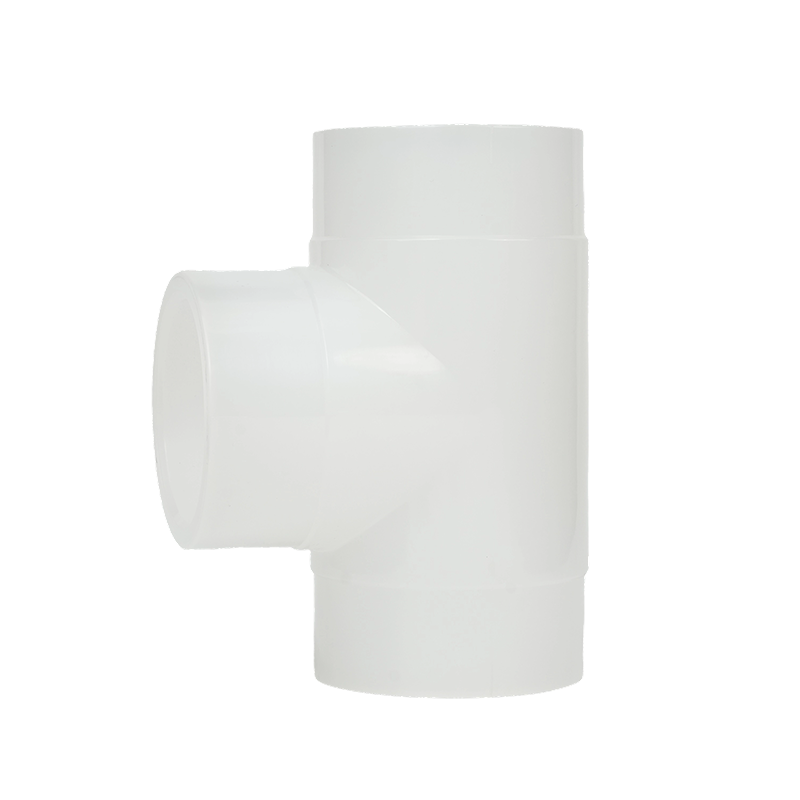
The product specifications are all: DN15 (D20), DN20 (D25), DN25 (D32), DN32 (D4...

Primary vs. Secondary Raw Materials The fundamental distinction lies in the origin and processing history. Primary raw materials are extracted directly from natural resources (ores, crude oil, forests) and have never been used or processed industrially before. Secondary raw materials are recovered from pre-consumer or...
View MoreDirect Conclusion: The Most Effective Use of Plastic Pipe Lies in Strategic Material Selection and Precision Installation To use plastic pipe most effectively, you must first match the specific polymer properties to the application's chemical, thermal, and pressure demands. There is no single "best" plastic pipe. The ...
View MorePrevention is more cost-effective than repair. Referring to Jiangsu Leiting's high reliability standards in industrial automation systems, the following are best practices for daily maintenance: Regular Flushing and Cleaning (Preventing Clogging) Method: At regular intervals (e.g., monthly or quarterly), flush the insi...
View MoreWhat is Plastic Pipe Fitting?
Plastic pipe fittings are standardized components used to connect, redirect, seal, or distribute fluids in pipelines.
1. Common Shapes: T-joints, elbows, tees, flanges, caps, crosses, connectors, etc., to meet the needs of different pipeline layouts.
2. Material Advantages: Made of high-polymer materials (such as PE, PP, PVC, PVDF, etc.), they are lightweight, corrosion-resistant, wear-resistant, and easy to process.
3. Functional Role: In pipeline systems, they provide stable connections, change flow direction, divert flow, or seal off conduits, ensuring the safety and efficiency of media transportation.
4. Industry Value: They are fundamental components in building water supply and drainage, gas transmission, industrial pipelines, and power systems; almost all pipeline projects rely on plastic pipe fittings.
What are the common application scenarios of plastic pipe fittings in building water supply and drainage, gas transmission, and power pipelines?
1. Building Water Supply and Drainage Systems
Hot and Cold Water Piping: Tees, elbows, flanges, etc., made of PE, PP, or PPR materials are used for the distribution and redirection of hot and cold water.
Sewage and Rainwater Systems: PVC or HDPE pipe fittings are used for sewage and rainwater collection, resistant to acids and alkalis, and high temperatures, preventing leaks.
Sanitary Fixture Connections: Quick-connect couplings and flange caps simplify the installation and maintenance of toilets, washbasins, and other equipment.
2. Gas Transmission Systems
Urban Gas Piping Networks: Pressure-resistant and flame-retardant PE-RT or PA-12 pipe fittings (such as elbows and tees) are used to ensure the safe transmission of high-pressure gas.
Industrial Gas: In production lines requiring high cleanliness, such as those in chemical, semiconductor, and photovoltaic industries, metal-lined plastic pipe fittings are used, combining corrosion resistance and pressure resistance.
Leak Detection: Special flanges and gaskets are used for rapid leak detection and maintenance.
3. Electrical Conduits (Cable Trays, Pipe Laying)
Cable Protection Pipes: Flame-retardant PVC or PE fittings are used to prevent cables from getting damp and mechanically damaged.
Cable Tray Connections: Plastic elbows and tees are used for cable tray turning and branching, ensuring neat and safe cable laying.
Fire Resistance and Flame Retardancy: Flame-retardant plastic fittings conforming to IEC and GB standards maintain structural integrity in high-temperature environments.
How to determine the pressure resistance, temperature resistance, and chemical corrosion resistance of Plastic Pipe Fitting Series?
1. Check the Material Data Sheet
Pressure Resistance: The material's yield strength, ultimate pressure (MPa), and operating temperature range are key factors.
Temperature Resistance: Determine the material's maximum operating temperature (Tmax) and minimum operating temperature (Tmin). For example, PE-RT can be used from -40°C to +95°C, and PVDF can reach +150°C.
Chemical Resistance: The material's resistance to acids, alkalis, salts, and solvents is typically presented through test results according to standards such as ASTM D543 and ISO 175.
2. Actual Testing and Certification
Pressure Testing: Hydrostatic or pneumatic pressure tests are conducted according to standards such as ISO 4427 and GB/T 10002 to ensure that the pipe fittings do not leak at 1.5–2 times the rated pressure.
Thermal Aging Test: Aging is performed at high temperatures for 1000 hours or longer, and changes in dimensions and strength are observed.
Chemical Corrosion Test: The pipe fittings are immersed in the target medium (such as sulfuric acid, hydrofluoric acid, hydrochloric acid, etc.) to assess mass loss and surface changes.
3. Reference Industry Certifications and Patented Technologies
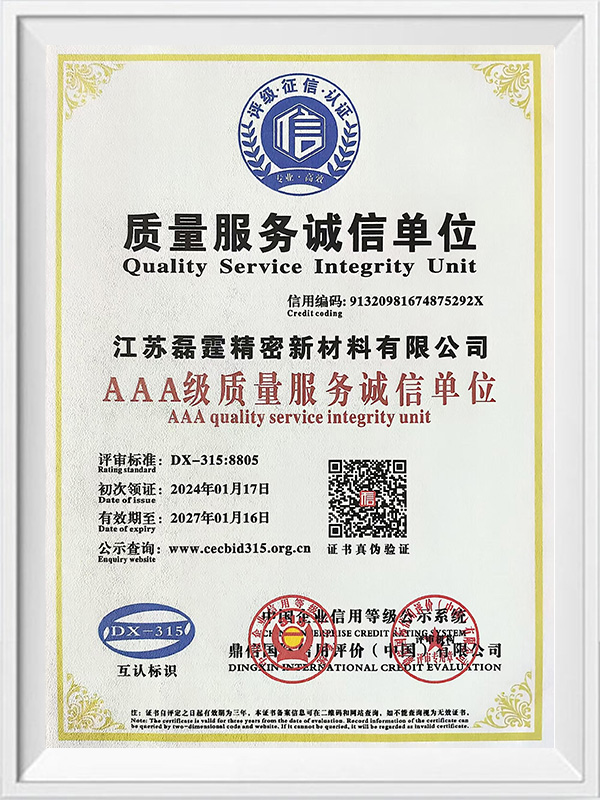
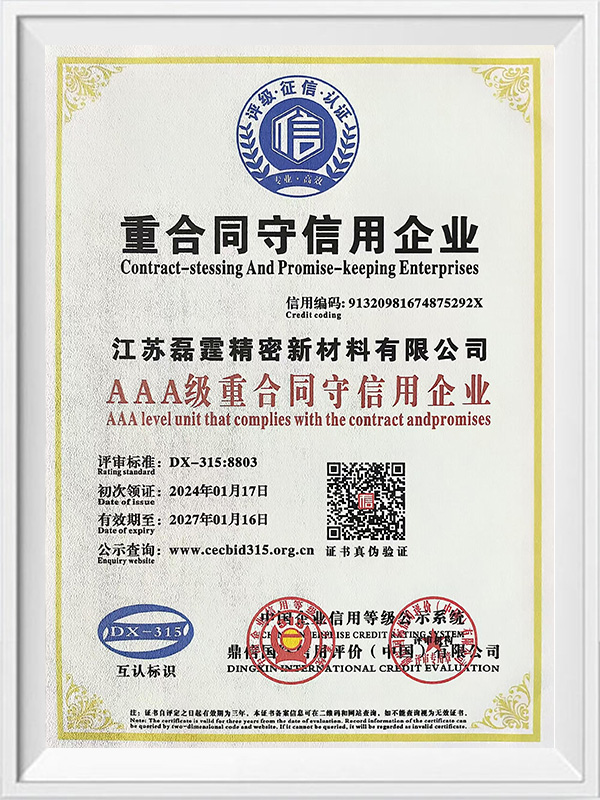
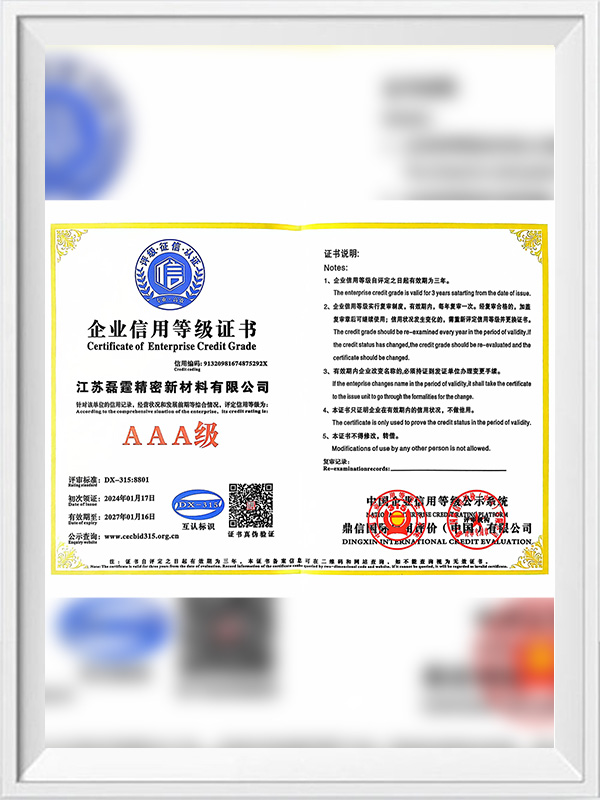
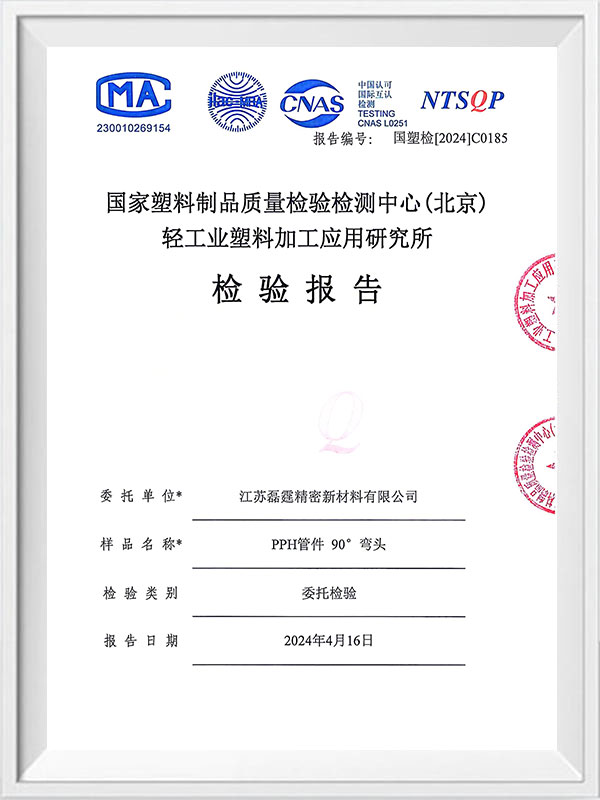
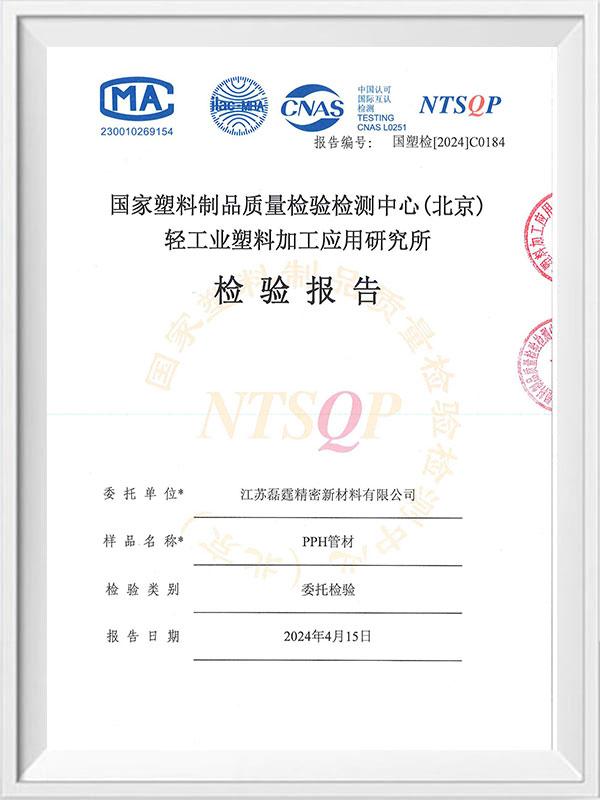
Certification Marks: CE, UL, ISO9001, ISO14001, and other certifications indirectly indicate that the product has passed rigorous quality and environmental control.
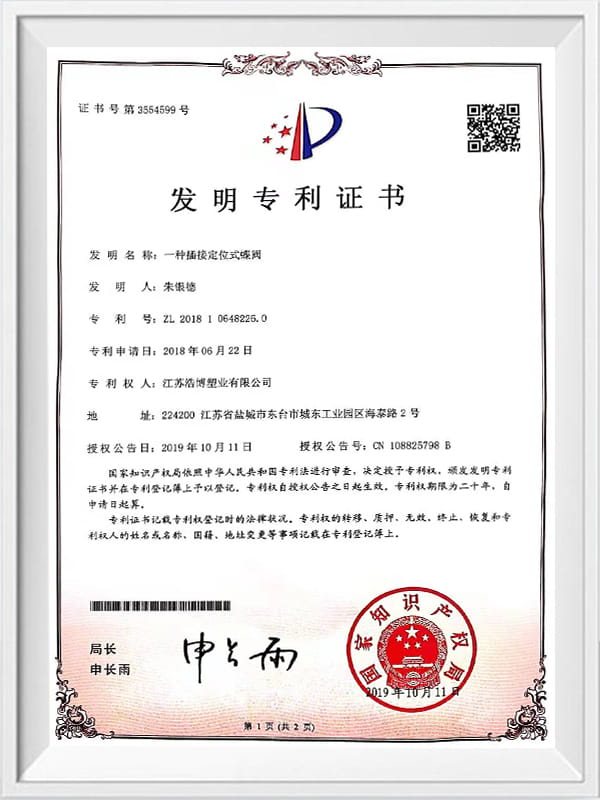
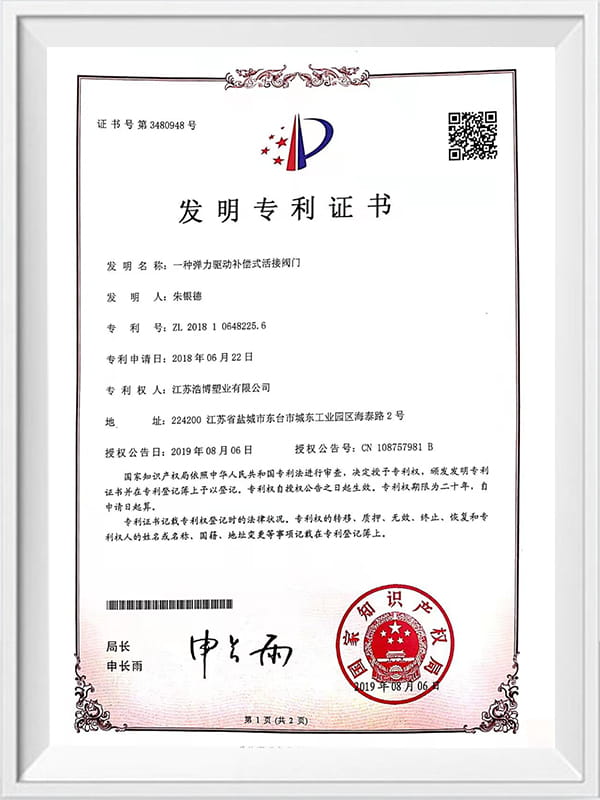
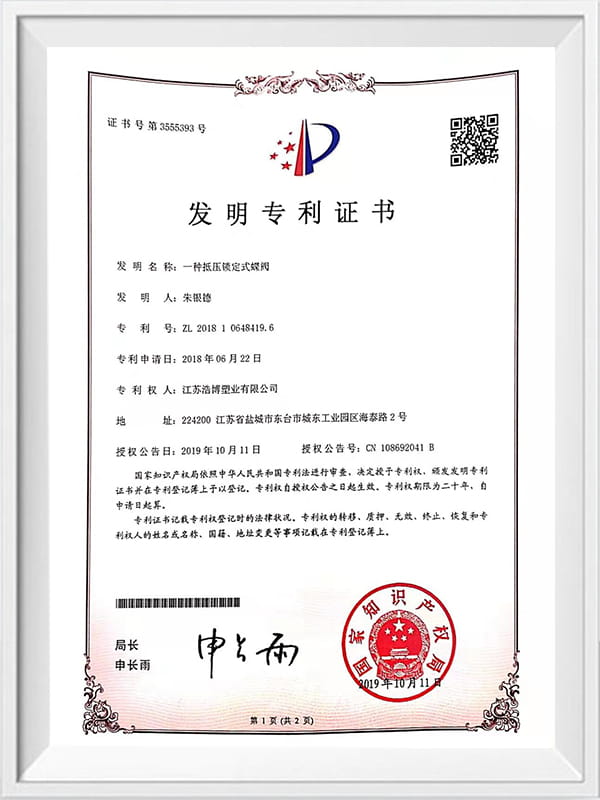
Patent Support: Jiangsu Leiting Precision New Materials Co., Ltd. holds 81 patents (including 36 invention patents), many of which involve high-pressure, high-temperature resistant composite materials and chemically resistant structural designs, serving as strong evidence of technological reliability.

Products
Company Information
Address: No. 55 Haichuan Road, High-Tech Zone, Dongtai City, Jiangsu Province, China
Mobile: +86 137 7009 5258
Tel: +86-515-85479999
Email: [email protected]
We'd love to hear from you!
