 English
 中文简体
中文简体
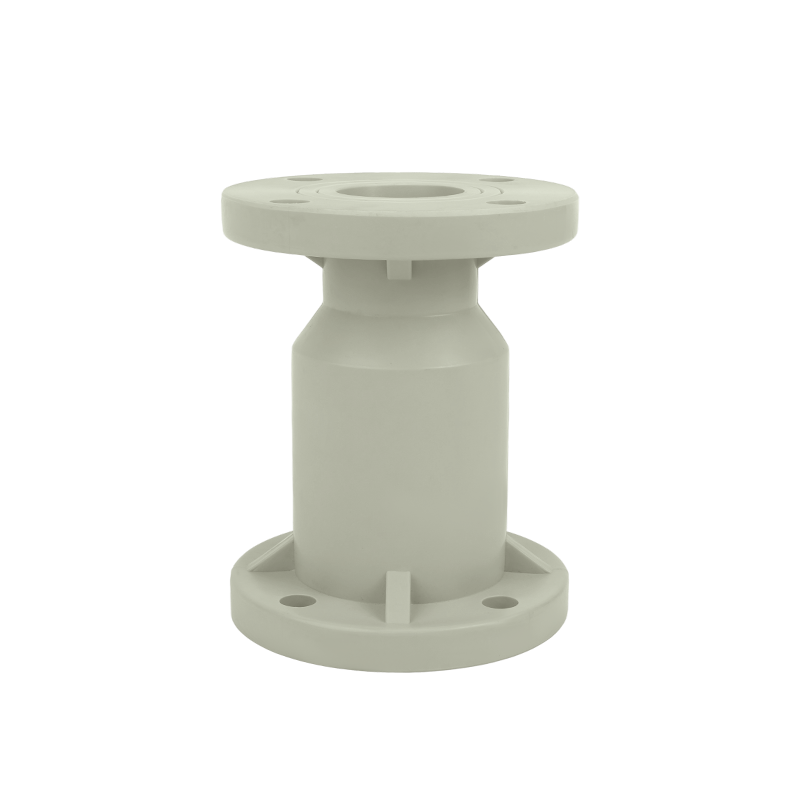
β--PPH Flanged Ball Core Check Valve
Flange check valve refers to a valve that automatically opens and closes the val...
View MoreContent
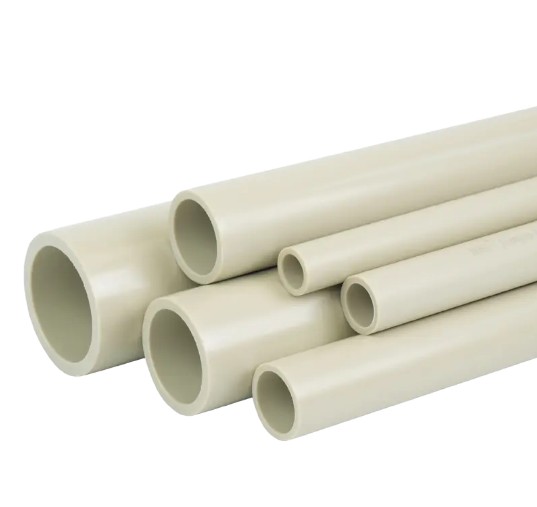
In the selection of high-performance plastic Pipes systems, corrosion resistance is the core indicator determining system service life and safety. Regarding the question of whether β-PPH or PVDF Pipes is more corrosion-resistant, the conclusion is as follows:
PVDF (Polyvinylidene Fluoride) Pipes exhibits significantly superior corrosion resistance compared to β-PPH (Beta-nucleated Polypropylene Homopolymer) Pipes. As a fluoropolymer, PVDF possesses extremely high chemical stability and mechanical strength, allowing it to resist erosion from strong acids, powerful oxidizing agents, and most organic solvents. In contrast, while β-PPH improves impact and temperature resistance through modification, its molecular chain is more prone to degradation when facing high-temperature concentrated acids or strong oxidizing media. Simply put, PVDF is the higher-performance choice for extreme chemical environments.
To understand the difference in corrosion resistance between the two, one must look back at the underlying molecular structure.
The PVDF molecular chain contains extremely strong carbon-fluorine bonds (C-F bonds). Due to the high electronegativity of fluorine atoms, the C-F bond energy is exceptionally high, resulting in an incredibly stable molecular structure. This structure forms a natural "shield" that resists attack from chemical molecules. Even when facing concentrated nitric acid or chromic acid at high temperatures, PVDF maintains its molecular integrity.
β-PPH is created by modifying standard polypropylene (PP) through beta-crystal nucleation. Although this modification significantly improves heat distortion resistance and low-temperature impact strength, its essence remains a carbon-hydrogen chain (C-H bond). Carbon-hydrogen chains are far less chemically stable than carbon-fluorine chains when exposed to strong oxidizers or high-temperature environments. For instance, in acidic environments above 90°C, the oxidative induction time of β-PPH is significantly shortened.
To demonstrate the differences more intuitively, the following table lists the actual performance evaluations of both materials in common industrial high-corrosion media:
| Chemical Medium | β-PPH Performance (Ambient/High Temp) | PVDF Performance (Ambient/High Temp) | Conclusion |
|---|---|---|---|
| Hydrochloric Acid (37%) | Excellent / Good | Excellent / Excellent | Both applicable |
| Sulfuric Acid (98%) | Not Rec. / Prohibited | Good / Fair | β-PPH carbonizes |
| Nitric Acid (Conc.) | Prohibited / Prohibited | Excellent / Good | PVDF dominance |
| Organic Solvents | Swelling / Failure | Excellent / Good | PVDF resists permeation |
Corrosion resistance is not an isolated parameter; it is heavily influenced by operating temperature and pressure.
The working temperature range of PVDF Pipes typically spans from -40°C to 140°C. In 100°C environments, PVDF maintains high mechanical strength and chemical resistance. Data shows that in sustained contact with acids at 120°C, the tensile strength reduction rate of PVDF is far lower than that of other plastic materials.
The long-term service temperature for β-PPH generally ranges between 0°C and 95°C. While it maintains good hoop stress at around 80°C, its creep resistance drops rapidly once it exceeds 95°C, and the permeation of media into the pipe wall increases exponentially, accelerating corrosion-induced failure.
Corrosion resistance refers not only to the surface of the pipe not being dissolved but also to the medium not permeating through the pipe wall. PVDF has a high degree of crystallinity and a dense molecular arrangement, resulting in extremely low permeability to polar molecules and gases. In industries requiring ultra-high purity (such as semiconductors), PVDF is the irreplaceable first choice due to its low permeation.
Based on the above comparison, we summarize practical suggestions for different industrial scenarios:
In summary, PVDF Pipes significantly outperforms β-PPH Pipes in terms of chemical resistance range, high-temperature resistance, and anti-permeation capabilities. However, in actual conditions, if the media concentration and temperature are within the tolerance range of β-PPH, choosing β-PPH can yield an excellent return on investment. Only when conditions enter the extreme realms of "high temperature + concentrated acid" or "strong oxidizers" does the performance advantage of PVDF become decisive.
Flange check valve refers to a valve that automatically opens and closes the val...
View More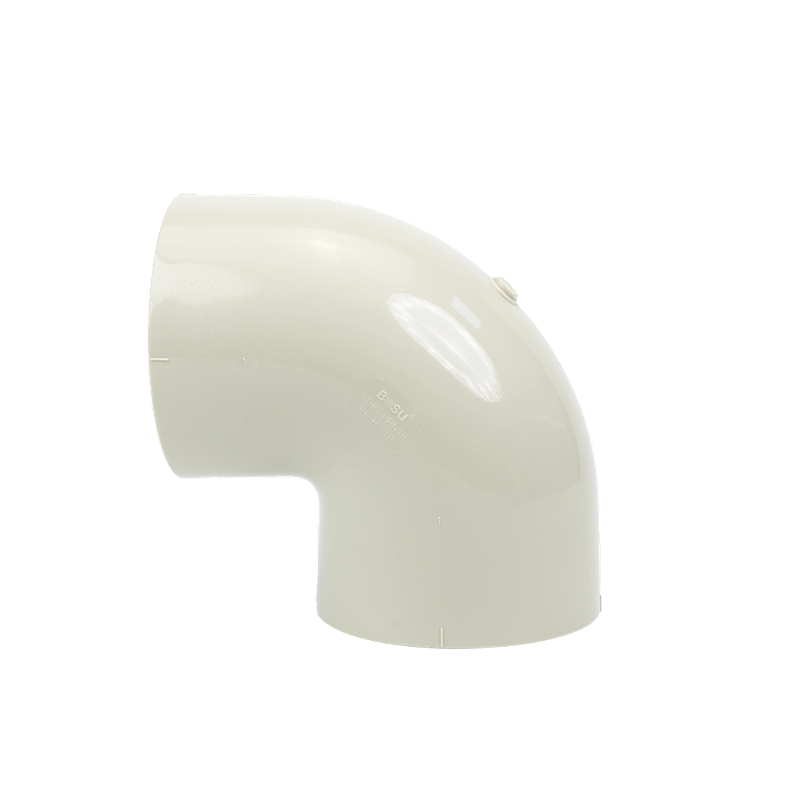
This butt-weld elbow delivers a sleek and high-end appearance after installation...
View More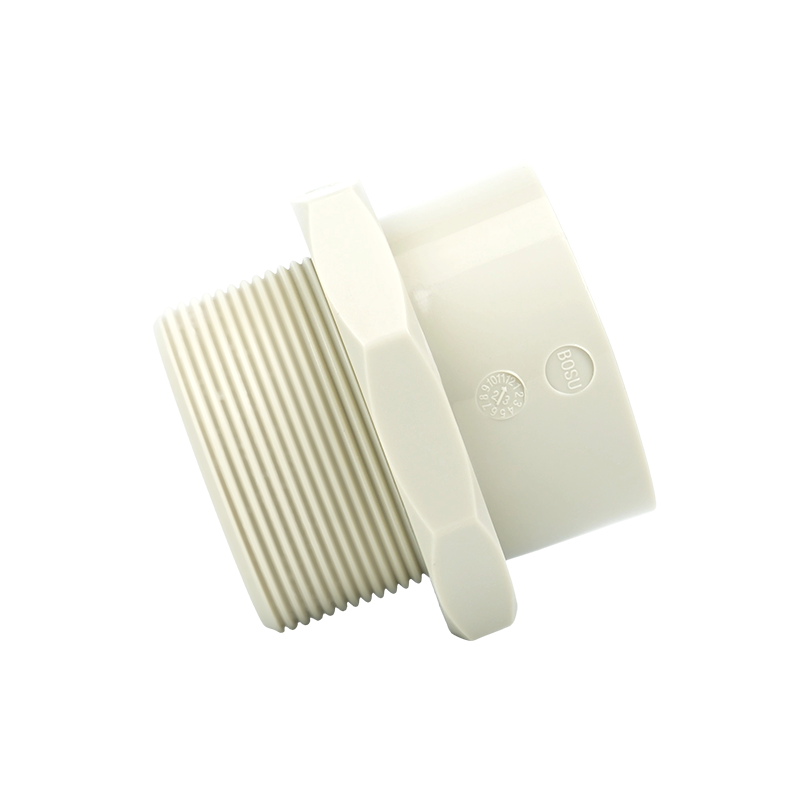
1. Fast connection, high pressure resistance, good sealing, safe and reliable wo...
View More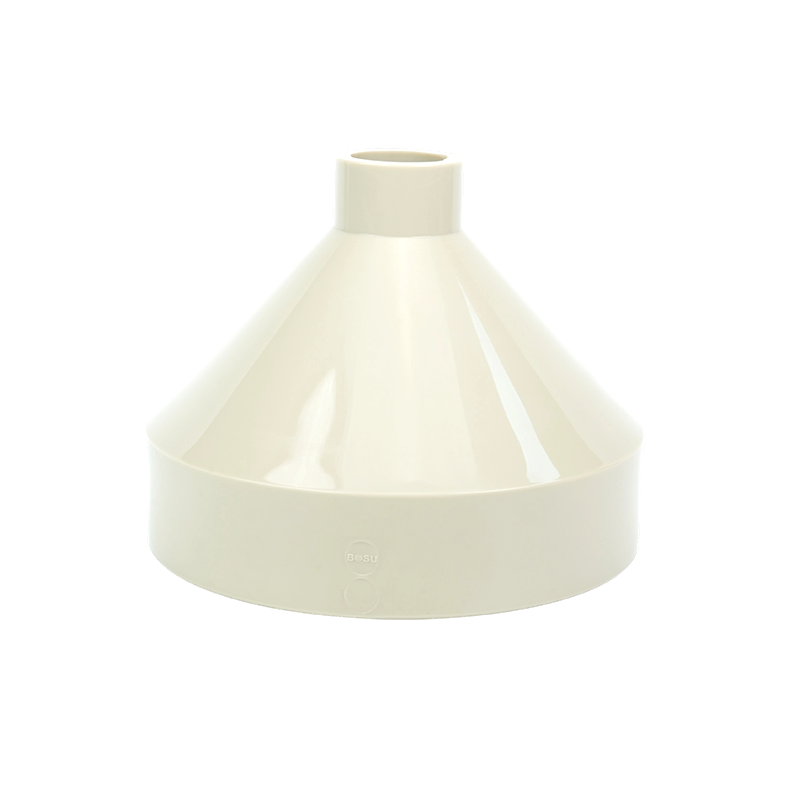
1.It facilitates fluid flow and causes less flow disruption when the diameter ch...
View More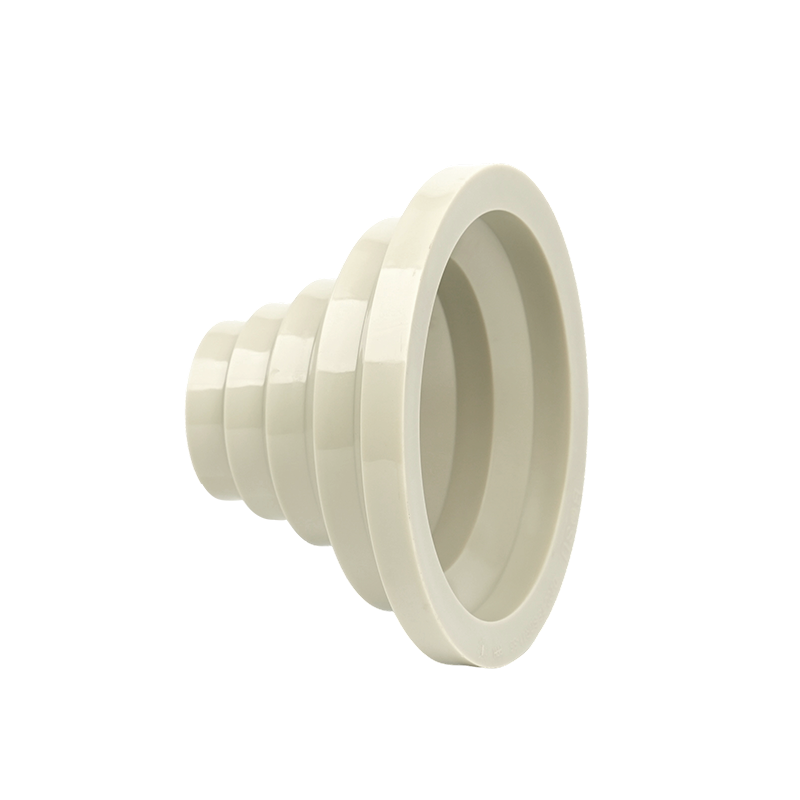
1. The β-PPH barbed head is a type of concentric reducer characterized by its sh...
View More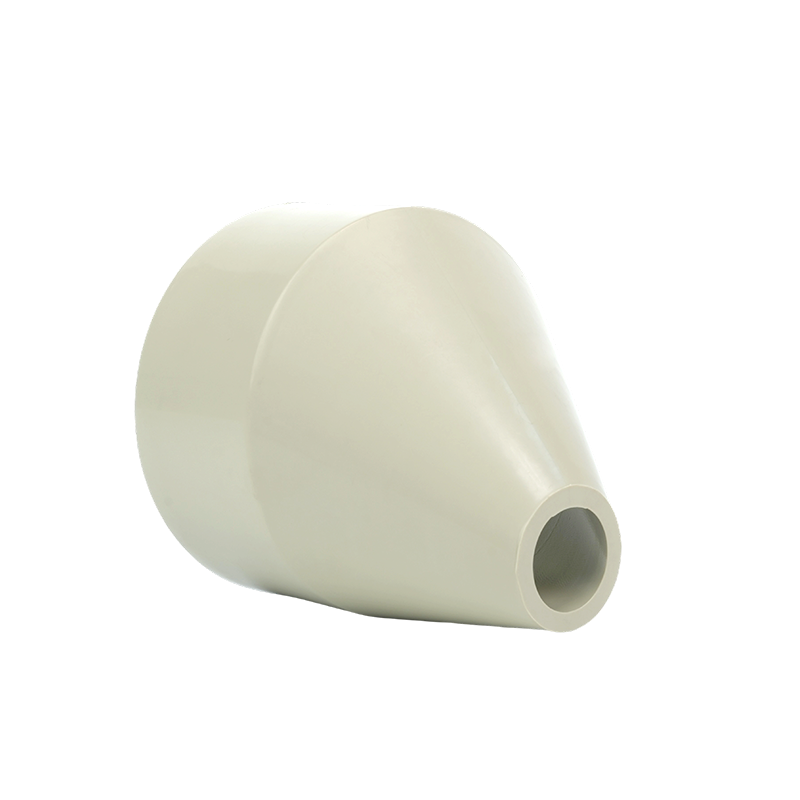
Used on horizontal pipes. Its flat side (on top or bottom) facilitates venting ...
View More
Products
Company Information
Address: No. 55 Haichuan Road, High-Tech Zone, Dongtai City, Jiangsu Province, China
Mobile: +86 137 7009 5258
Tel: +86-515-85479999
Email: [email protected]
We'd love to hear from you!
