 English
 中文简体
中文简体
EPDM Flange Pad
Product Specifications: DN15 (D20), DN20 (D25), DN25 (D32), DN32 (D40), DN40 ...
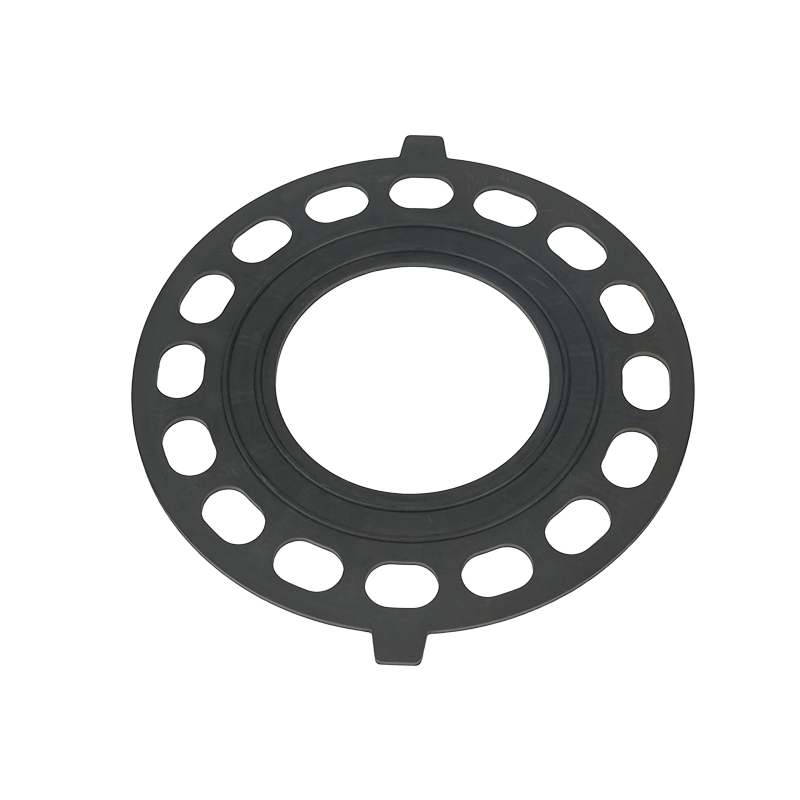
Product Specifications: DN15 (D20), DN20 (D25), DN25 (D32), DN32 (D40), DN40 ...
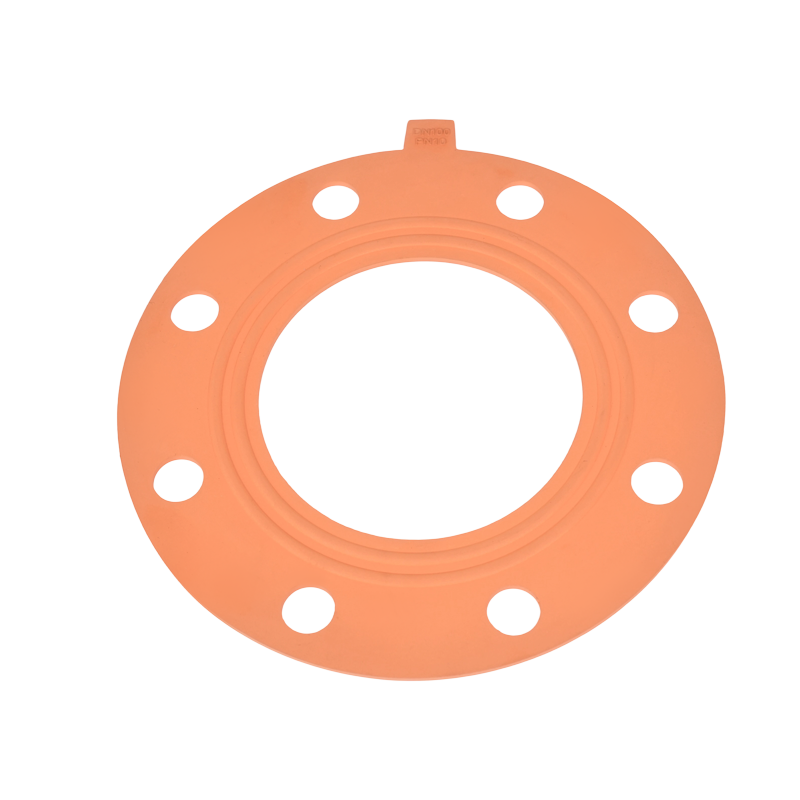
Product Specifications: DN15 (D20), DN20 (D25), DN25 (D32), DN32 (D40), DN40 (D5...
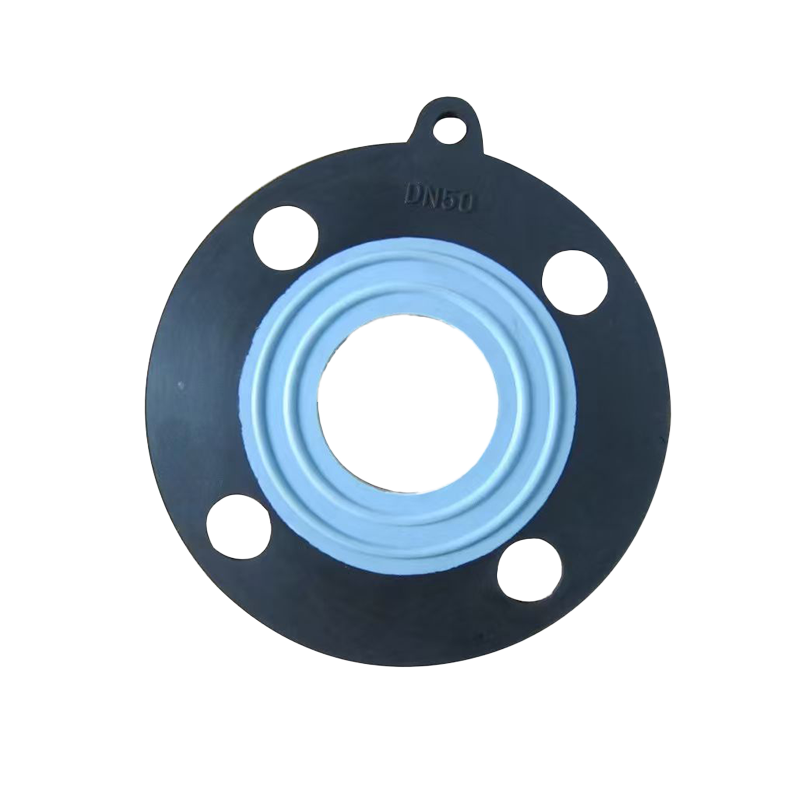
Product Specifications: DN15 (D20), DN20 (D25), DN25 (D32), DN32 (D40), DN40 ...




Primary vs. Secondary Raw Materials The fundamental distinction lies in the origin and processing history. Primary raw materials are extracted directly from natural resources (ores, crude oil, forests) and have never been used or processed industrially before. Secondary raw materials are recovered from pre-consumer or...
View MoreDirect Conclusion: The Most Effective Use of Plastic Pipe Lies in Strategic Material Selection and Precision Installation To use plastic pipe most effectively, you must first match the specific polymer properties to the application's chemical, thermal, and pressure demands. There is no single "best" plastic pipe. The ...
View MorePrevention is more cost-effective than repair. Referring to Jiangsu Leiting's high reliability standards in industrial automation systems, the following are best practices for daily maintenance: Regular Flushing and Cleaning (Preventing Clogging) Method: At regular intervals (e.g., monthly or quarterly), flush the insi...
View MoreWhat is a Flanged Spacer?
1. Definition: A flanged spacer is a metal or composite material gasket used in piping systems to connect flanges. It provides sealing, support, and positioning between two flanges, preventing leaks and absorbing vibration.
2. Structural Features: Common structures include flat gaskets, gaskets with locating rings, and gaskets with movable locating rings. Materials include flexible graphite, PTFE, and serrated metal, to adapt to different operating conditions, temperatures, pressures, and chemical media.
3. Applications: Widely used in piping systems in industries such as solar photovoltaic, semiconductors, chemicals, iron smelting, environmental protection, biochemistry, aquaculture, and pharmaceuticals, meeting the sealing requirements of high-temperature, high-pressure, or corrosive media.
How is a Flanged Spacer Positioned in Mechanical Assembly?
1. Flange Face Positioning
The flanged spacer is placed between the sealing surfaces of the two flanges. The center hole of the gasket is aligned with the pipe or bolt hole to achieve precise axial positioning.
2. Bolt Pre-tightening Positioning
By evenly tightening the bolts, the gasket is compressed and undergoes elastic deformation, creating a uniform sealing pressure. The bolt pre-tightening force simultaneously locks the gasket in position, preventing displacement during operation.
3. Locating Ring Assistance
For flanged spacers with locating rings, the rings directly engage with the flange flange, providing additional radial support and ensuring the gasket maintains accurate positioning even under high vibration or shock environments.
4. Vibration Isolation and Compensation
The flexible material of the gasket absorbs the thermal expansion and mechanical vibration of the pipeline, maintaining the relative position between the flanges and reducing the risk of leakage.

Products
Company Information
Address: No. 55 Haichuan Road, High-Tech Zone, Dongtai City, Jiangsu Province, China
Mobile: +86 137 7009 5258
Tel: +86-515-85479999
Email: [email protected]
We'd love to hear from you!
