English
 中文简体
中文简体
EPDM Flange Pad
Product Specifications: DN15 (D20), DN20 (D25), DN25 (D32), DN32 (D40), DN40 ...
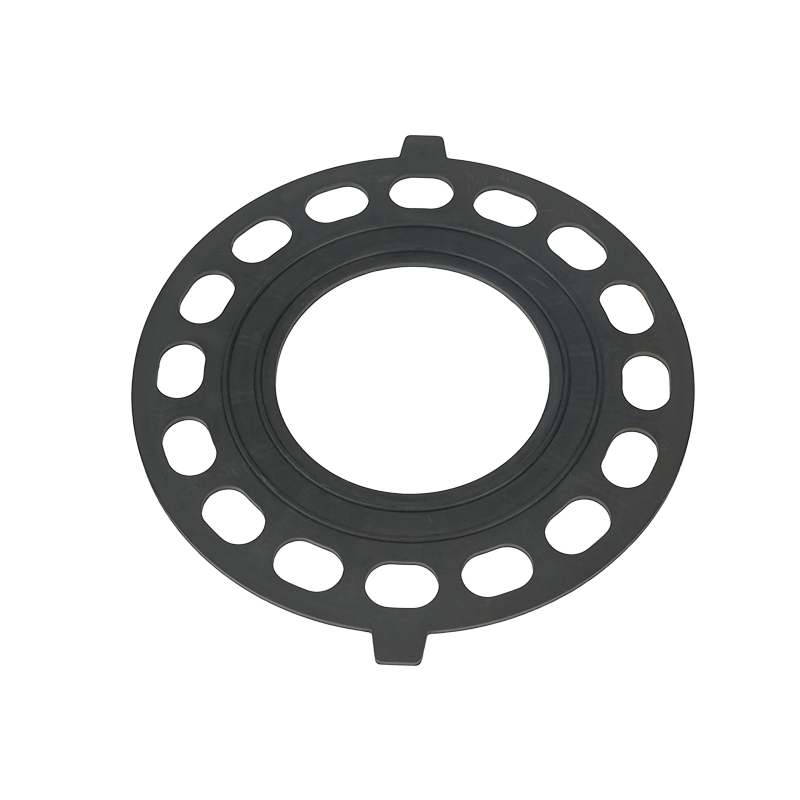
Product Specifications: DN15 (D20), DN20 (D25), DN25 (D32), DN32 (D40), DN40 ...
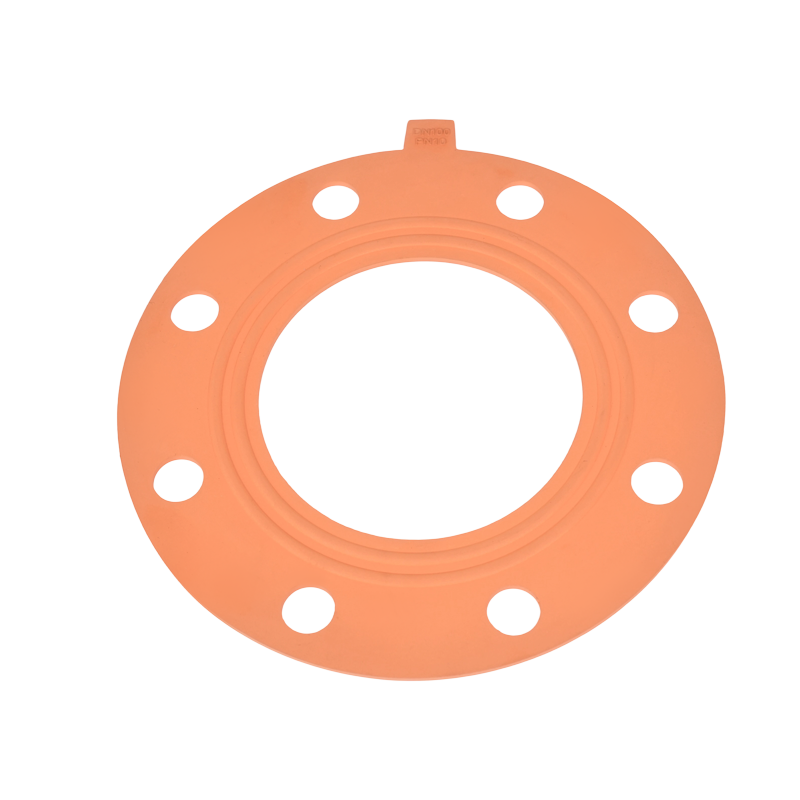
Product Specifications: DN15 (D20), DN20 (D25), DN25 (D32), DN32 (D40), DN40 (D5...
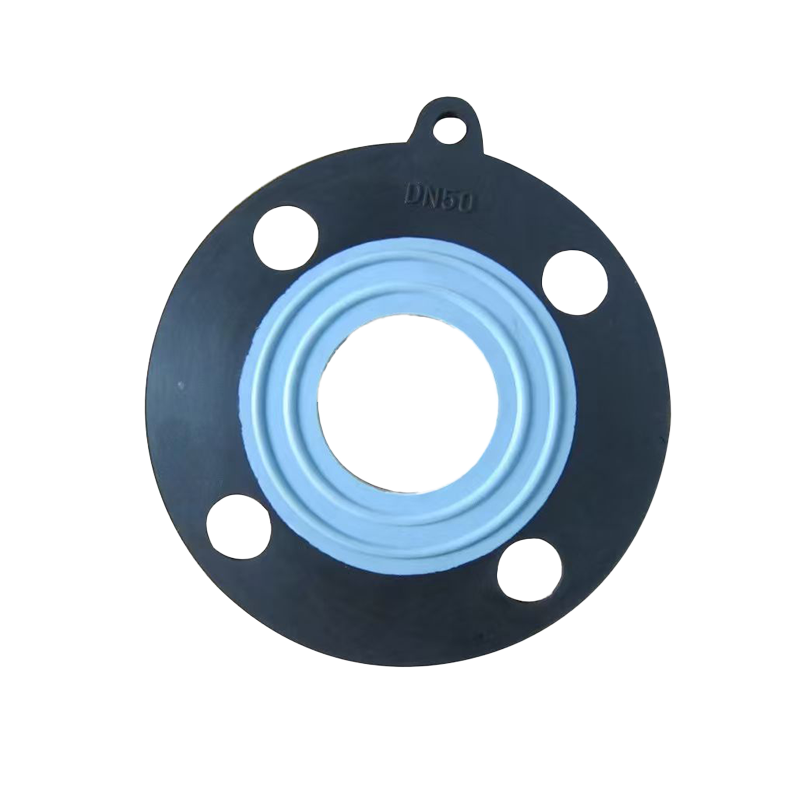
Product Specifications: DN15 (D20), DN20 (D25), DN25 (D32), DN32 (D40), DN40 ...
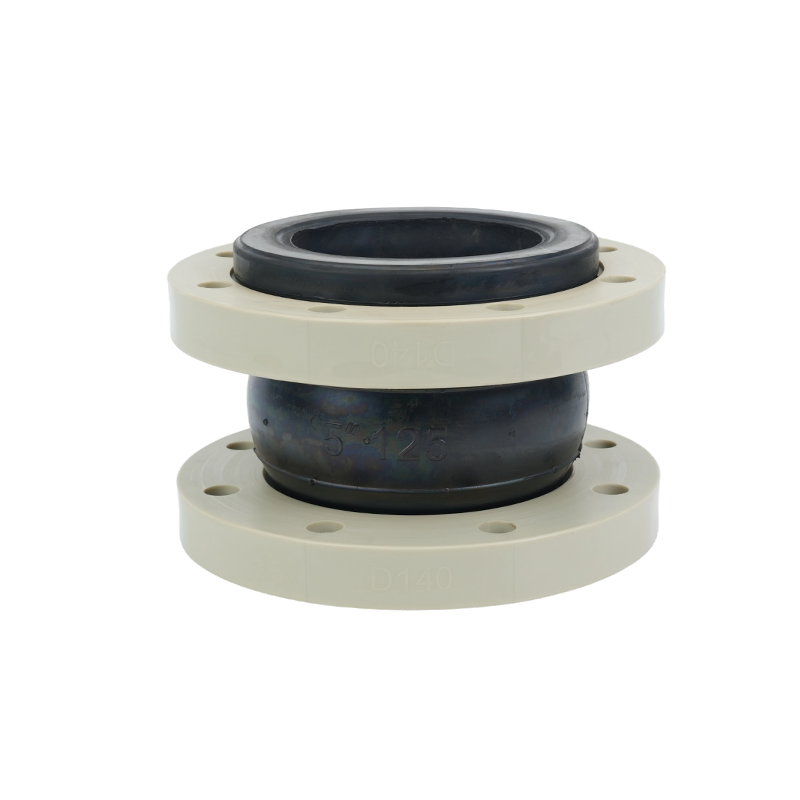
Product Specifications: DN25 (D32), DN32 (D40), DN40 (D50), DN50 (D63), DN65 (D7...
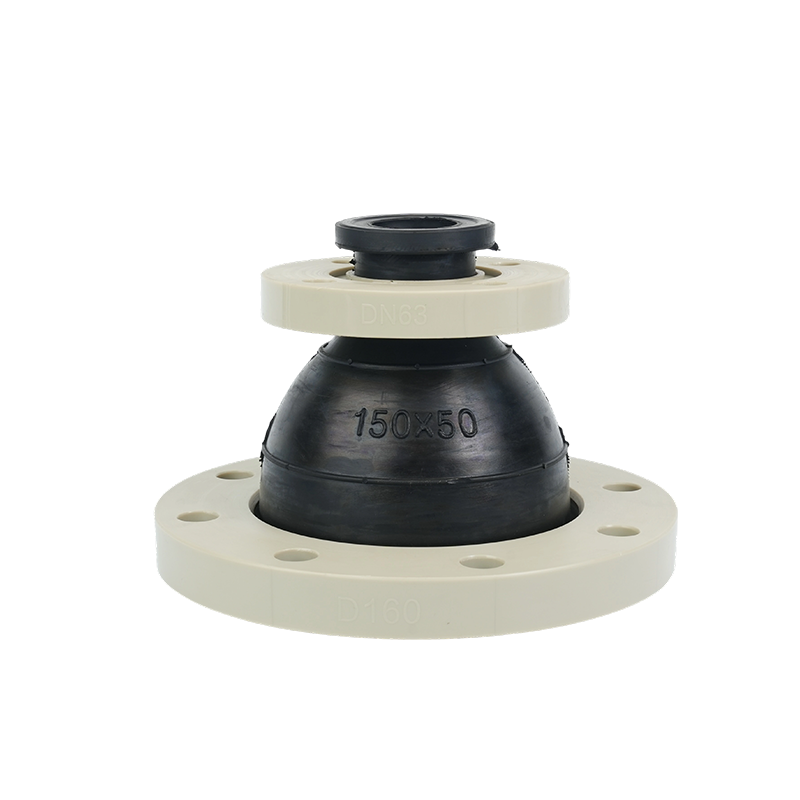
Product Specifications: D40*32, D50*32, D50*40, D63*32, D63*40, D63*50, D75*40, ...
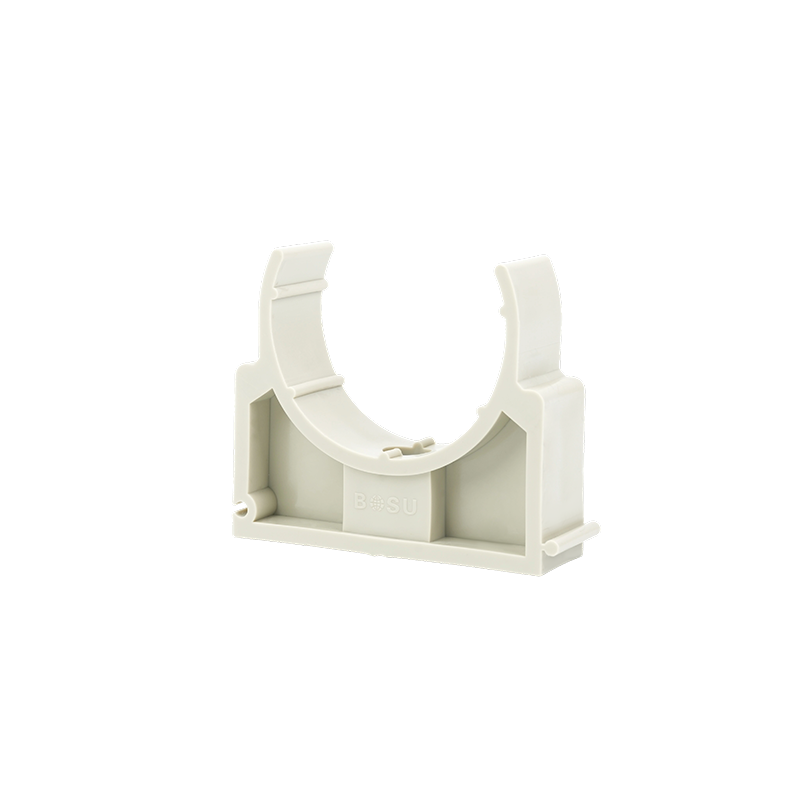
Product Specifications: DN15 (D20), DN20 (D25), DN25 (D32), DN32 (D40), DN40 (D5...
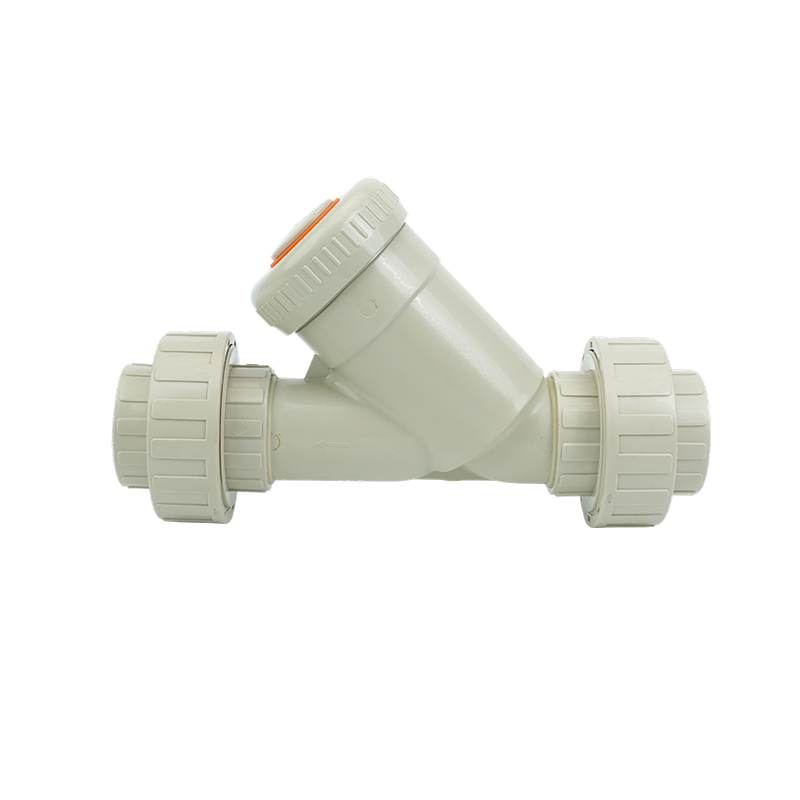
DN15(D20), DN20(D25), DN25(D32), DN32(D40), DN40(D50), DN50(D63), DN65(D75), DN8...

Primary vs. Secondary Raw Materials The fundamental distinction lies in the origin and processing history. Primary raw materials are extracted directly from natural resources (ores, crude oil, forests) and have never been used or processed industrially before. Secondary raw materials are recovered from pre-consumer or...
View MoreDirect Conclusion: The Most Effective Use of Plastic Pipe Lies in Strategic Material Selection and Precision Installation To use plastic pipe most effectively, you must first match the specific polymer properties to the application's chemical, thermal, and pressure demands. There is no single "best" plastic pipe. The ...
View MorePrevention is more cost-effective than repair. Referring to Jiangsu Leiting's high reliability standards in industrial automation systems, the following are best practices for daily maintenance: Regular Flushing and Cleaning (Preventing Clogging) Method: At regular intervals (e.g., monthly or quarterly), flush the insi...
View MoreWhat is Auxiliary Material?
1. Definition: Auxiliary material refers to non-core materials added during the production process to facilitate the processing, shaping, performance enhancement, or process optimization of the main material. It is commonly used in the assembly and corrosion protection of industries such as pipelines, valves, and photovoltaic brackets.
2. Function: Auxiliary materials provide auxiliary functions such as sealing, lubrication, corrosion resistance, and insulation, enabling the main product to maintain reliability under high pressure, corrosive, or high-temperature environments.
3. Industry Value: In fields such as solar photovoltaics, semiconductors, chemicals, metallurgy, environmental protection, biochemistry, aquaculture, and pharmaceuticals, auxiliary materials are key technological supports for achieving efficient and long-life systems.
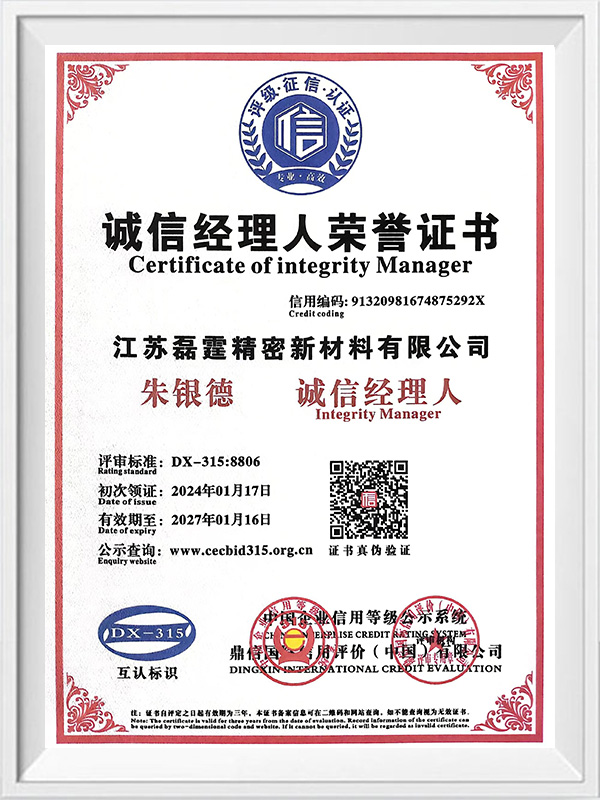
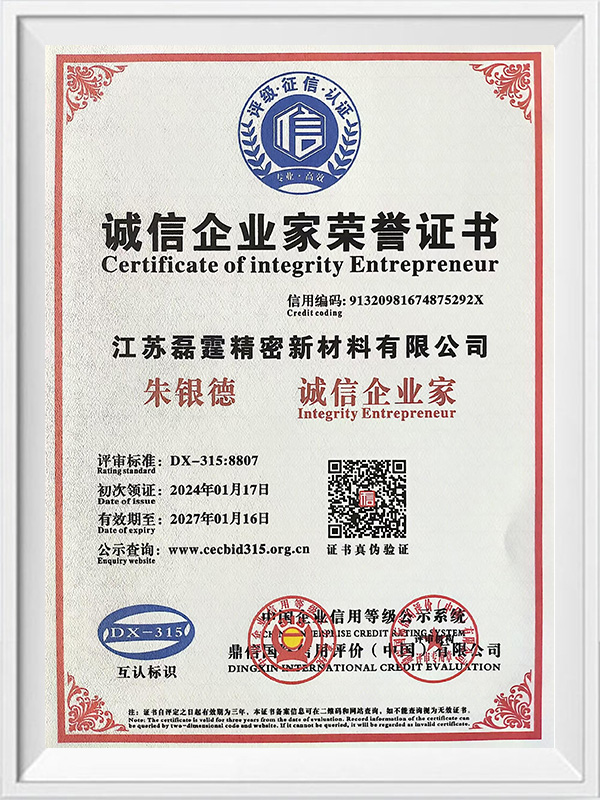
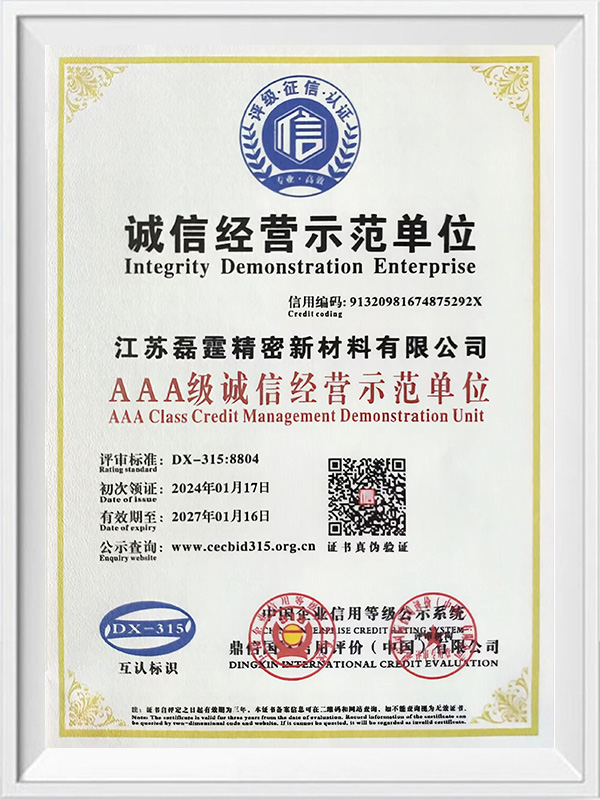
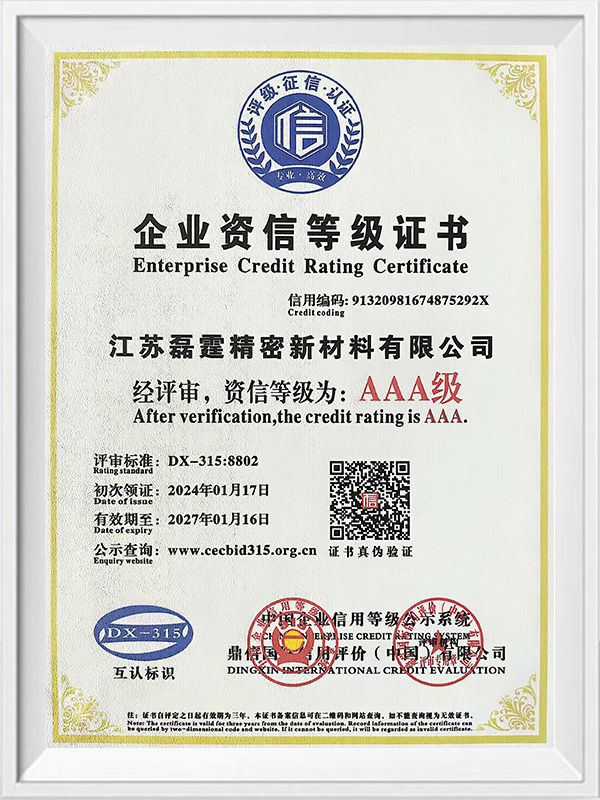
4. Company Advantages: Jiangsu Leiting Precision New Materials Co., Ltd., as a manufacturer of Auxiliary Material Series certified by China Customs, possesses a 19,980㎡ production base and 110 million RMB in fixed asset investment, enabling it to provide one-stop services from R&D to mass production.
Does the auxiliary material alter the physical form of the final product?
1. No Alteration of Main Structure: The auxiliary materials themselves do not bear load-bearing functions; they primarily serve auxiliary, protective, or functional enhancement purposes, thus not altering the product's basic geometry or dimensions.
2. Performance Enhancement: By forming anti-corrosion, sealing, or lubricating layers on the surface of valves, fittings, or pipes, physical properties such as pressure resistance, temperature resistance, and corrosion resistance can be significantly improved.
3. Customization: Based on different industrial needs, Leiting can provide various formulations of auxiliary materials (such as high-temperature resistant polymers and low-friction metal coatings) to achieve targeted functional improvements without affecting the original structure.
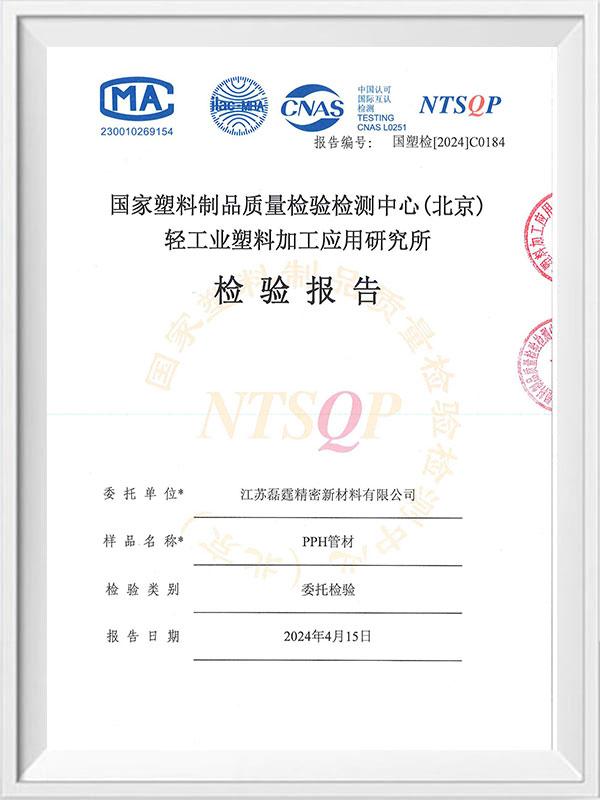
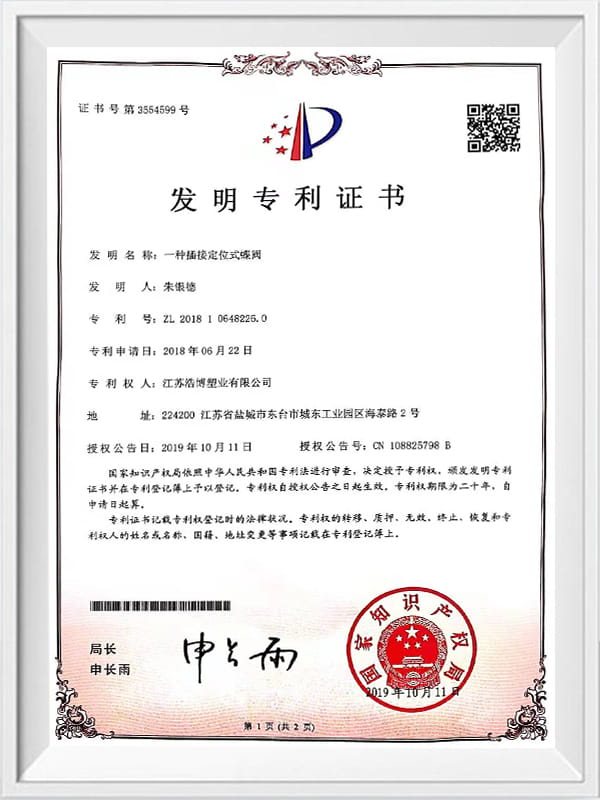
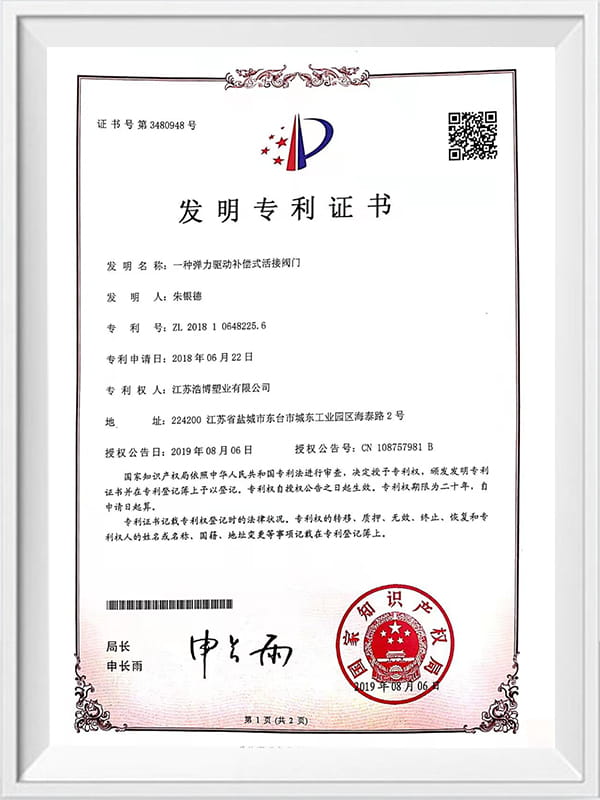
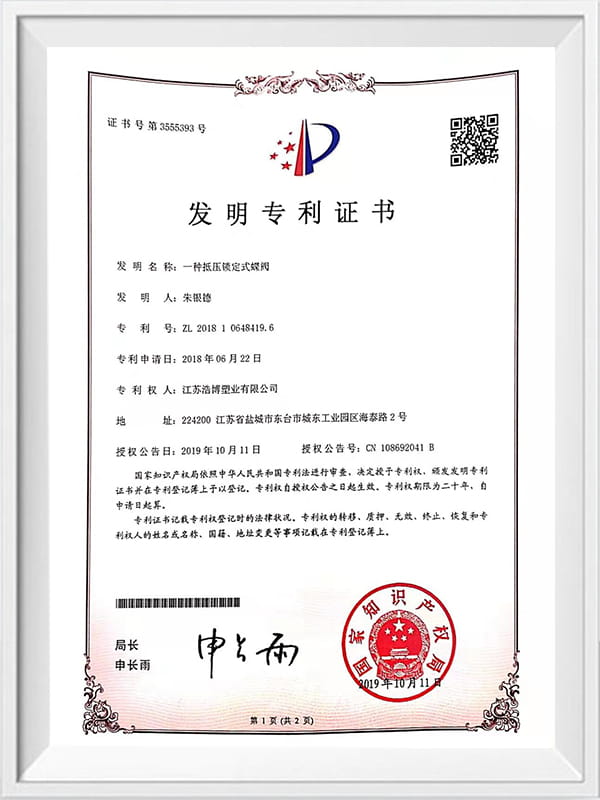
4. Technological Innovation: Adhering to the R&D philosophy of "Technology Creates the Future," the company has accumulated 81 patents (including 36 invention patents), possessing a leading advantage in the microstructural control of auxiliary material formulations.

Products
Company Information
Address: No. 55 Haichuan Road, High-Tech Zone, Dongtai City, Jiangsu Province, China
Mobile: +86 137 7009 5258
Tel: +86-515-85479999
Email: [email protected]
We'd love to hear from you!