 English
 中文简体
中文简体
β--PPH Double Union Ball Valve
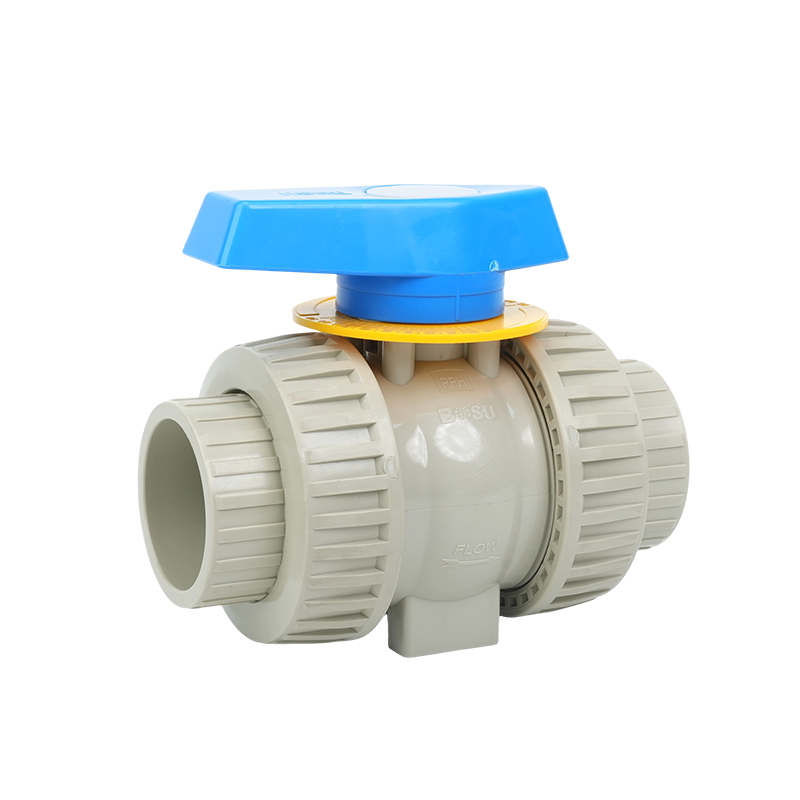
1. Product Features: Personalized handle indication function, install LOGO, medi...
View MoreContent
In operating conditions where pressure is below 1.0 MPa, temperature is below 95°C, and the medium is corrosive liquid, plastic ball valves deliver significantly better overall cost-performance than metal ball valves. Their weight is only 30% to 40% of metal valves, installation costs are reduced by more than 50%, and no anti-corrosion coating maintenance is required. However, in high-pressure (>1.6 MPa), high-temperature (>150°C), or abrasive media containing solid particles, metal ball valves remain irreplaceable. The selection boundary between the two is increasingly clear—not a matter of simple superiority, but of operating condition suitability.
The global ball valve market is in a period of steady expansion. The market size in 2025 is approximately USD 12.6 billion, and is projected to grow to USD 22.8 billion by 2035, with a compound annual growth rate (CAGR) of 6.2% from 2026 to 2035. Among these, the 1-inch to 6-inch specification dominates, with a 2025 market size of USD 5.1 billion, accounting for 40.9% of total market share—this size range is exactly the core coverage area of plastic ball valves.
The penetration rate of plastic ball valves continues to rise, driven by three main factors: first, the global digital transformation of water infrastructure has generated substantial low-pressure valve replacement demand; second, emerging industries such as semiconductors and photovoltaics require zero-contamination ultra-pure media delivery; third, fluctuations in metal raw material prices have further amplified the cost advantage of plastic valves. The Asia-Pacific region is the fastest-growing market, with a 2025 scale of approximately USD 4.8 billion and an expected CAGR of 7.7%, with industrialization in China and India as the core engines.
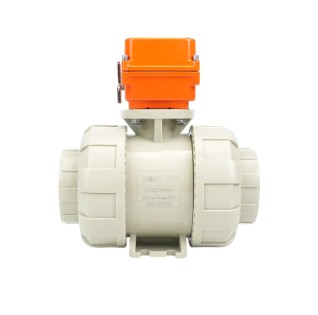
Modern plastic ball valves have broken through the single-function positioning of traditional on/off valves, forming multiple specialized product lines through structural innovation and actuator integration.
Two-way ball valves achieve instantaneous on/off through 90-degree sphere rotation, with a response time of less than 2 seconds and a flow resistance coefficient of only 0.05. Equipped with manual, pneumatic, or electric actuators, they enable smooth 0% to 100% opening adjustment. The sphere surface roughness reaches Ra 0.4 μm, ensuring ANSI/FCI 70-2 Class IV sealing standard, with Class VI sealing achievable through special design.
Multi-port ball valves can complete flow direction switching or mixing proportioning of two media in a single rotation, replacing multiple independent valves and connecting pipelines in traditional solutions. The modular cartridge design supports in-line maintenance without draining the system, reducing maintenance downtime by 60% compared to flanged metal assemblies.
The True Union structure features union nuts on both ends of the valve body. When seals wear out, replacement can be completed in under 15 minutes without cutting pipes. This design has critical value in scenarios such as semiconductor ultra-pure water systems where production cannot be interrupted.
Lockable handles and tamper-proof safety clips that comply with OSHA lock-out/tag-out (LOTO) requirements have become standard configurations in industrial-grade products. Locking components must pass torque testing at 1.5 times rated pressure and cycle-life validation.
Material selection is the key to success or failure in plastic ball valve applications. Incorrect material choice is the leading cause of premature valve failure. Below are the performance boundaries of common engineering plastics:
| Material | Max Temp | Max Pressure | Best For | Avoid |
|---|---|---|---|---|
| UPVC | 60°C | 1.0 MPa | Water, weak acids, chlorine, seawater | Ketones, aromatics, >60°C |
| CPVC | 95°C | 1.0 MPa | Hot water, caustic soda, HCl, bleach | Strong oxidizers, chlorinated solvents |
| PP (Polypropylene) | 80°C | 1.0 MPa | Dilute acids, alkalis, plating baths | Strong oxidizing acids, UV exposure |
| PVDF | 140°C | 1.6 MPa | Sulfuric acid, nitric acid, HF, bromine, hot chemicals | Strong bases >pH 12 at high temp |
| PTFE-Lined | 150°C | 0.6 MPa | Ultra-pure water, semiconductor chemicals | High-pressure slurries, rapid cycling |
Selection recommendation: Submit your media list, temperature range, and pressure requirements to the supplier's application engineers for cross-verification. Professional material recommendation services can typically be completed within 24 hours and should not incur charges.
The quality validation system for plastic ball valves should go beyond ISO 9001 paperwork and implement protocol testing on production batches. Below are the key validation links in industry best practices:
Every resin batch is incoming-inspected for melt-flow index, density, and tensile strength. Resin batch numbers should be retained for 7 years, ensuring traceability to the raw material drum and production shift when field issues arise.
CNC-machined spheres are inspected using CMM (Coordinate Measuring Machine) with sphericity accuracy of ±0.02 mm. Seat compression force is calibrated on a torque test bench; the pass standard is completing opening and closing with hand torque below 8 N·m at rated pressure.
Every valve should undergo a hydrostatic shell test at 1.5 times rated pressure and a pneumatic seat test at 1.1 times rated pressure, held for 60 seconds with zero visible leakage. Test records should be archived by valve serial number and support on-demand retrieval.
Semiconductor and pharmaceutical-grade valves should be double-bagged in Class 1000 cleanroom conditions. Industrial-grade valves use moisture-proof polyethylene or corrugated cartons with PE foam internal cushioning, clearly marked with model, specification, quantity, and handling instructions. Palletized shipments should include sufficient inter-pallet gaps to prevent compression damage during ocean or air freight.
The application boundaries of plastic ball valves are extending from traditional civilian fields to high-end industrial scenarios. Below are three representative engineering cases:
Wafer manufacturing plants consume millions of gallons of ultra-pure water daily. Plastic ball valves are widely used for inlet/outlet control of reverse osmosis (RO) units due to their zero-contamination characteristics. Such applications have extremely high cleanliness requirements for valves:
A wafer fab in Southeast Asia adopted PTFE-lined True Union ball valves to replace stainless steel valves, achieving 18 months of continuous operation with zero seal replacements, with particle counts consistently below 0.1 particles/mL >0.05 μm.
A European specialty chemical producer adopted CPVC ball valves to replace lined metal valves on their 32% NaOH transfer line (0.6 MPa, 80°C). The previous metal valves required gasket replacement every 8 months due to caustic embrittlement. The CPVC valves have now been in service for 3.5 years with only one preventive O-ring change, reducing total cost of ownership by 55%.
A North American city water authority standardized UPVC electric-actuated ball valves for 12 filter backwash skids (DN150). The low torque characteristic (<15 N·m) allowed the use of compact electric actuators, cutting actuator costs by 35%. After 22,000 cycles, seat leakage remains well below the 0.01% CV specification limit.
Scientific maintenance strategies can extend the mean time between failures (MTBF) of plastic ball valves by more than 40%. Maintenance cycles vary significantly under different operating conditions:
It is recommended to conduct a visual inspection every 6 months and a functional test every 12 months, focusing on the following indicators:
True Union structured plastic ball valves support in-line maintenance without pipe cutting. The standard replacement procedure is as follows:
Below is a summary of technical parameters for standard plastic ball valve series, for engineering design and piping specification reference:
| Parameter | UPVC Series | CPVC Series | PP Series | PVDF Series |
|---|---|---|---|---|
| Size Range | DN15–DN300 | DN15–DN200 | DN15–DN150 | DN15–DN100 |
| Pressure Rating | PN10 / 1.0 MPa | PN10 / 1.0 MPa | PN10 / 1.0 MPa | PN16 / 1.6 MPa |
| Temperature Range | 0°C to 60°C | 0°C to 95°C | 0°C to 80°C | -20°C to 140°C |
| Connection Types | Socket (Solvent Weld), Threaded (BSP/NPT), Flanged (DIN/ANSI), True Union | |||
| Actuator Options | Manual Lever, Gearbox, Pneumatic (Spring Return / Double Acting), Electric (On/Off or Modulating) | |||
| Certifications | ISO 9001, NSF/ANSI 61 (Potable Water), FDA 21 CFR 177.1520 (Food Contact), RoHS, REACH | |||
Plastic ball valve technology is continuously evolving along three main lines: material upgrading, structural optimization, and intelligence. The following trends will reshape the industry landscape:
Material Hybridization Breakthroughs. After increasing glass fiber reinforcement ratio to 30%, UPVC ball valve tensile strength jumps from 50 MPa to 75 MPa, while maintaining excellent corrosion resistance. PVDF material further pushes the temperature limit to 280°C, enabling plastic ball valves to enter some medium-temperature chemical fields for the first time.
Rapid-Replacement Structure Proliferation. Snap-fit limit designs reduce seal replacement time from 30 minutes to 5 minutes in traditional structures, improving maintenance efficiency by 83%. This design now covers the entire plastic ball valve product range, significantly reducing production line downtime.
Integrated Connection Solutions. Compatible designs for heat-fusion socket and quick-connect interfaces allow plastic ball valves to be directly embedded into plastic piping systems, reducing flange connection points by over 60%. In semiconductor ultra-pure water systems, this integrated design can reduce particulate contamination risk by 90%.
Intelligent Monitoring Integration. Smart ball valves integrating pressure sensors and flow monitoring modules enable remote diagnostics via DeviceNet or Profinet interfaces. Predictive maintenance accuracy has reached over 85%. Practice by Nordic water utilities shows that comprehensive automation can reduce network leakage from 30% to 10%.
1. Product Features: Personalized handle indication function, install LOGO, medi...
View More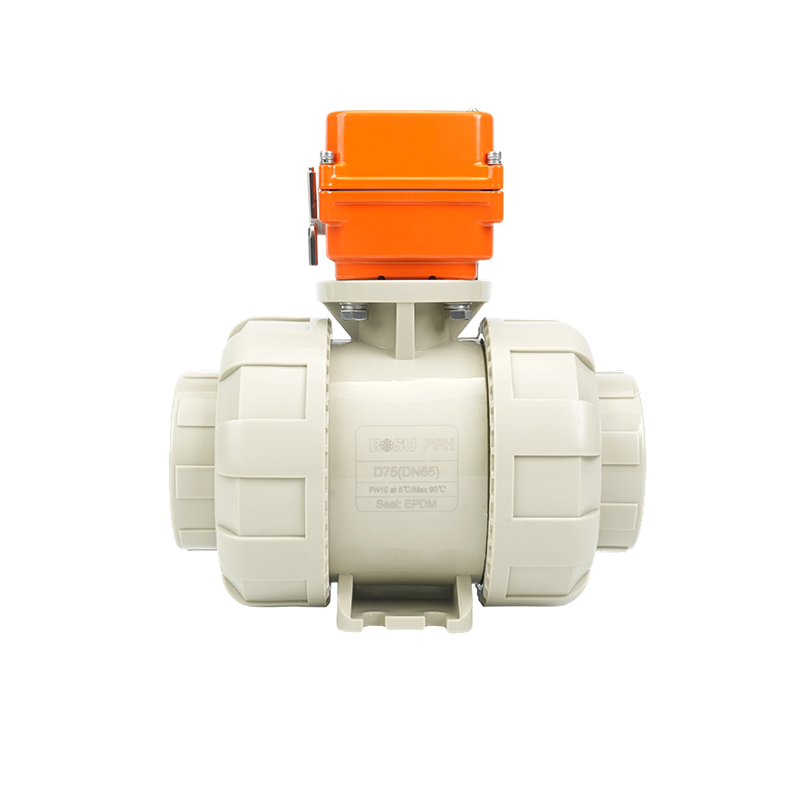
Product Features: Powered by electricity and actuated by an electric actuator, ...
View More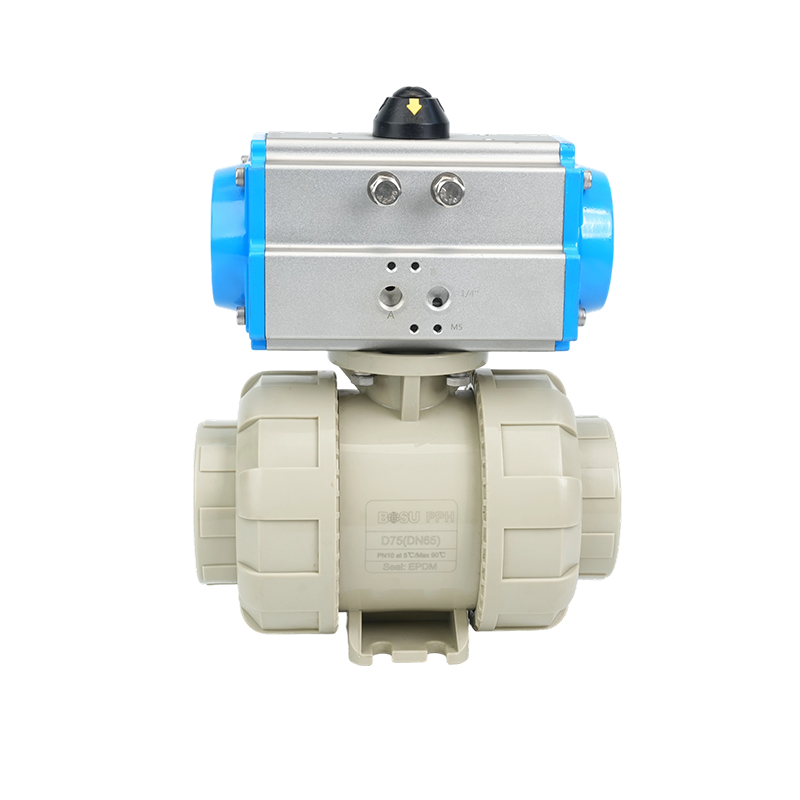
Product Features: This automatic device utilizes compressed air to actuate the ...
View More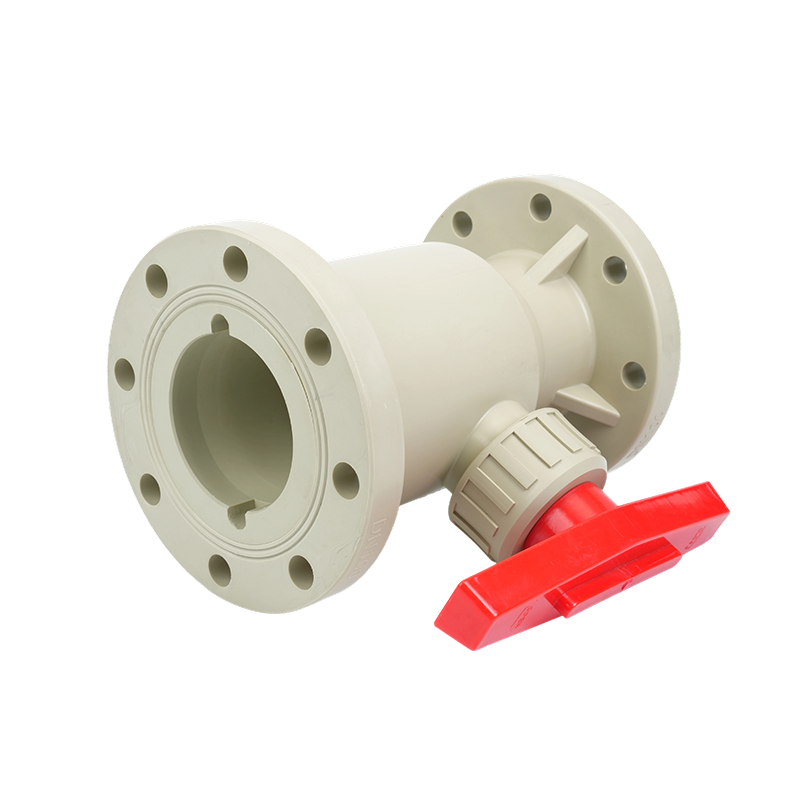
1.Product Features: This valve offers low fluid resistance due to its simple str...
View More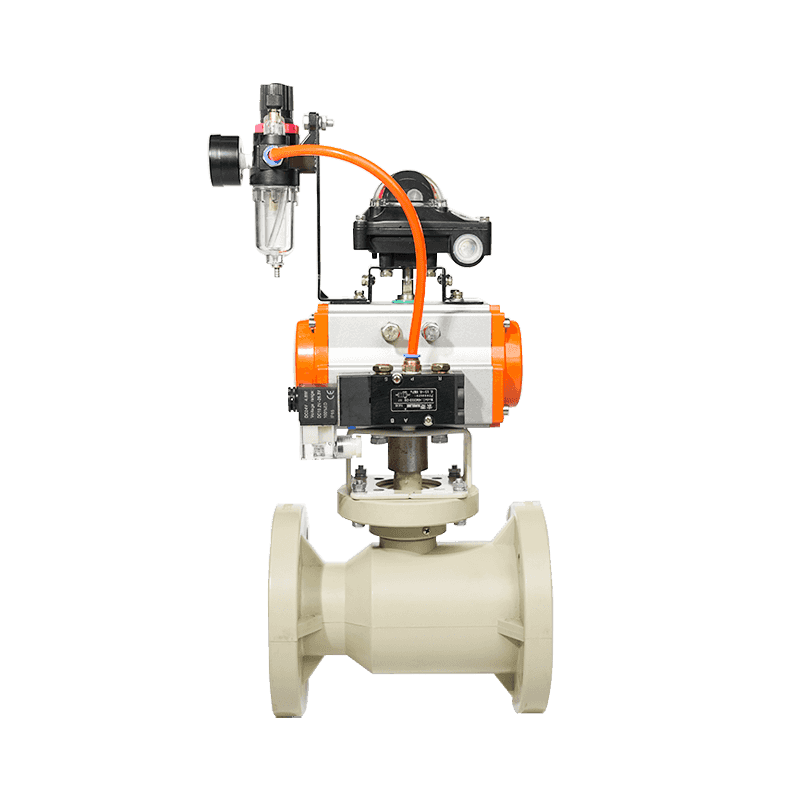
The pneumatic actuator operates at a very high speed, which significantly reduc...
View More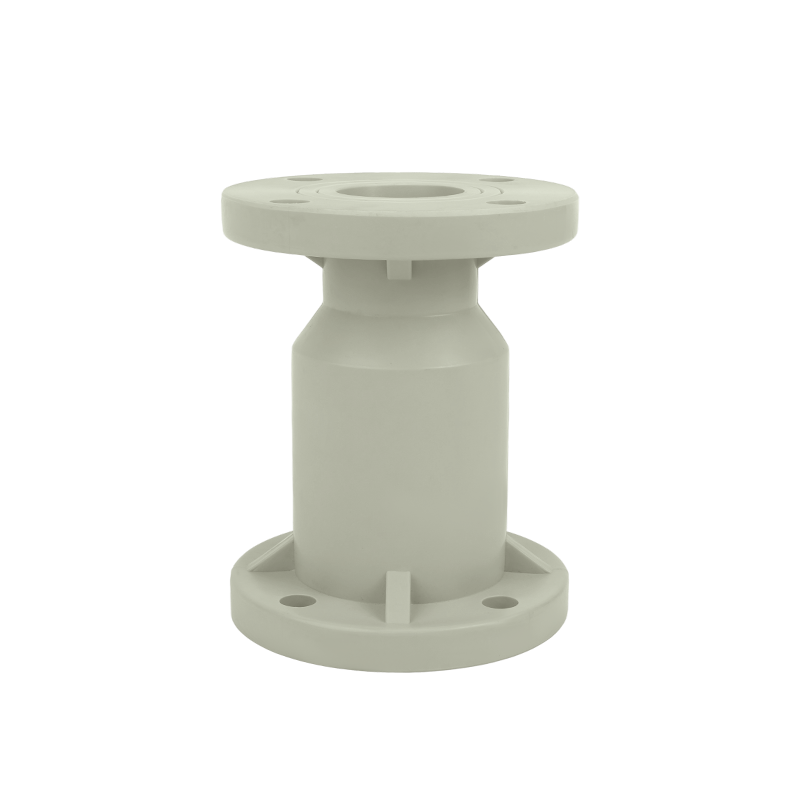
Flange check valve refers to a valve that automatically opens and closes the val...
View More
Products
Company Information
Address: No. 55 Haichuan Road, High-Tech Zone, Dongtai City, Jiangsu Province, China
Mobile: +86 137 7009 5258
Tel: +86-515-85479999
Email: [email protected]
We'd love to hear from you!
