 English
 中文简体
中文简体
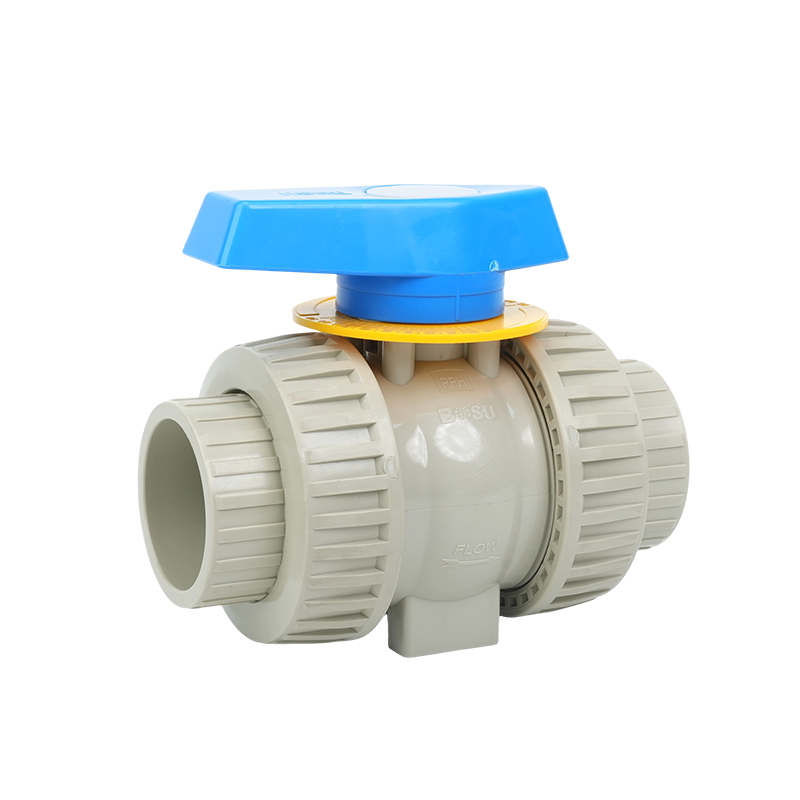
β--PPH Double Union Ball Valve
1. Product Features: Personalized handle indication function, install LOGO, medi...
View MoreContent
In the plastic valve series selection, PTFE diaphragm valves deliver optimal sealing performance for highly corrosive media, while UPVC ball valves offer superior cost-effectiveness and flow capacity. These two types are not simple substitutes but complementary solutions tailored to different operating conditions. Diaphragm valves excel in semiconductor and photovoltaic ultra-pure media applications, whereas ball valves are better suited for high-flow, low-pressure systems such as water treatment and agricultural irrigation.
The plastic valve series market is experiencing rapid expansion. Industry data indicates that the global plastic irrigation valve market grew from USD 1.009 billion in 2021 to USD 1.450 billion in 2025, and is projected to reach USD 2.997 billion by 2033, representing a compound annual growth rate (CAGR) of 9.5% from 2025 to 2033. This growth is primarily driven by ultra-pure media transfer demands in semiconductor manufacturing, photovoltaic industries, and municipal water treatment sectors.
By material segmentation, valves made from PVC, CPVC, PP, and PTFE polymers dominate the market. Ball valves, diaphragm valves, butterfly valves, and check valves constitute the four core categories of the plastic valve series, covering on/off control, precision regulation, large-bore throttling, and backflow prevention functions respectively.
The plastic valve series encompasses multiple structural forms, with diaphragm valves and ball valves forming distinct technical boundaries due to their differing application scenarios. Understanding their core characteristics is the prerequisite for correct selection.
Diaphragm valves utilize a flexible diaphragm as the closure element, with media contacting only the valve body and diaphragm, creating a dead-leg-free flow path. Their core advantages include:
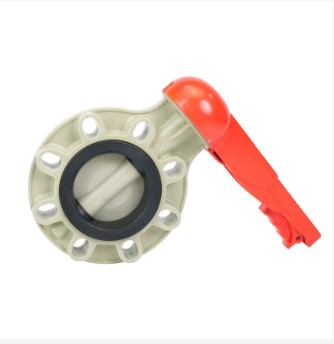
Ball valves achieve opening and closing through sphere rotation, with extremely low flow resistance coefficients approaching straight pipe sections when fully open. Their technical characteristics include:
The following table compares the core parameters of these two plastic valve series products from an engineering perspective, based on standard operating conditions (ambient temperature, clean water media):
| Comparison Dimension | PTFE Diaphragm Valve | UPVC Ball Valve |
|---|---|---|
| Sealing Class | Zero Leakage (Bubble-Tight) | ANSI/FCI 70-2 Class IV |
| Max Pressure | 0.6 MPa | 1.0 MPa |
| Max Temperature | 150°C | 60°C |
| Weight (DN50) | ~2.8 kg | ~0.6 kg |
| Flow Resistance | ~0.5 | ~0.05 |
| Regulation Capability | Excellent (20:1 Turndown) | Poor (On/Off Only) |
| Maintenance Cycle | Diaphragm replacement: 5,000 cycles | Seal replacement: 20,000 cycles |
| Typical Applications | Semiconductor UPW, PV Acid Cleaning | Municipal Water, Agricultural Irrigation |
Plastic valve series selection should not rely solely on a single performance indicator but must integrate media characteristics, operating conditions, and total lifecycle costs for comprehensive judgment.
Diaphragm valves are the more reliable choice when the following conditions are met:
Ball valves offer irreplaceable advantages in the following conditions:
Plastic valve series applications in high-end manufacturing have evolved from supporting roles to critical process safeguards. The following are two representative scenarios:
In wafer manufacturing, ultra-pure water (UPW) purity directly impacts chip yield. PTFE diaphragm valves are widely applied due to their zero-contamination characteristics:
Such applications demand extremely high valve cleanliness, typically requiring manufacturing in cleanroom conditions and compliance with FDA 177-1520/177-1550 extractables testing standards.
UPVC ball valves are deployed at significantly larger scales in water treatment applications:
Maintenance cycles for plastic valve series directly impact system availability. The two valve types exhibit significant differences in maintenance focus.
The diaphragm is a wear component; aging manifests as surface crazing or elastic decay. In clean water service, diaphragm lifespan can reach 5 to 10 years; in chemical media, typically 2 to 5 years; for abrasive slurries, replacement may be required every 6 months to 2 years. Visual inspection is recommended every 6 months, with seal integrity testing every 12 months. Key replacement steps include:
The primary failure mode for ball valves is seat wear leading to internal leakage. Maintenance intervals can extend to 2 to 3 years, with key inspection items including:
The plastic valve series is evolving toward modularity, intelligence, and material hybridization. Four definitive trends are shaping the current technological landscape:
First, material hybridization breakthroughs. Some manufacturers have increased glass fiber reinforcement ratios to 30%, boosting UPVC ball valve tensile strength from 50 MPa to 75 MPa while maintaining corrosion resistance. PVDF material valves further extend temperature limits to 280°C, meeting more demanding chemical process requirements.
Second, rapid-replacement structure proliferation. Snap-fit limit designs for diaphragm valves have reduced seal replacement time from 30 minutes to 5 minutes in traditional structures, improving maintenance efficiency by 83%. This design now covers the entire plastic valve series, significantly reducing production line downtime.
Third, integrated connection solutions. Compatible designs for heat-fusion socket and quick-connect interfaces allow plastic valves to be directly embedded into plastic piping systems, reducing flange connection points by over 60% and significantly lowering leak risks. In semiconductor UPW systems, this integrated design can reduce particulate contamination risk by 90%.
Fourth, intelligent monitoring integration. Premium plastic valve series are beginning to integrate pressure sensors and flow monitoring modules, enabling remote status diagnostics via DeviceNet or Profinet interfaces. Predictive maintenance accuracy has improved to over 85%, further extending valve service life and reducing unplanned downtime.
1. Product Features: Personalized handle indication function, install LOGO, medi...
View More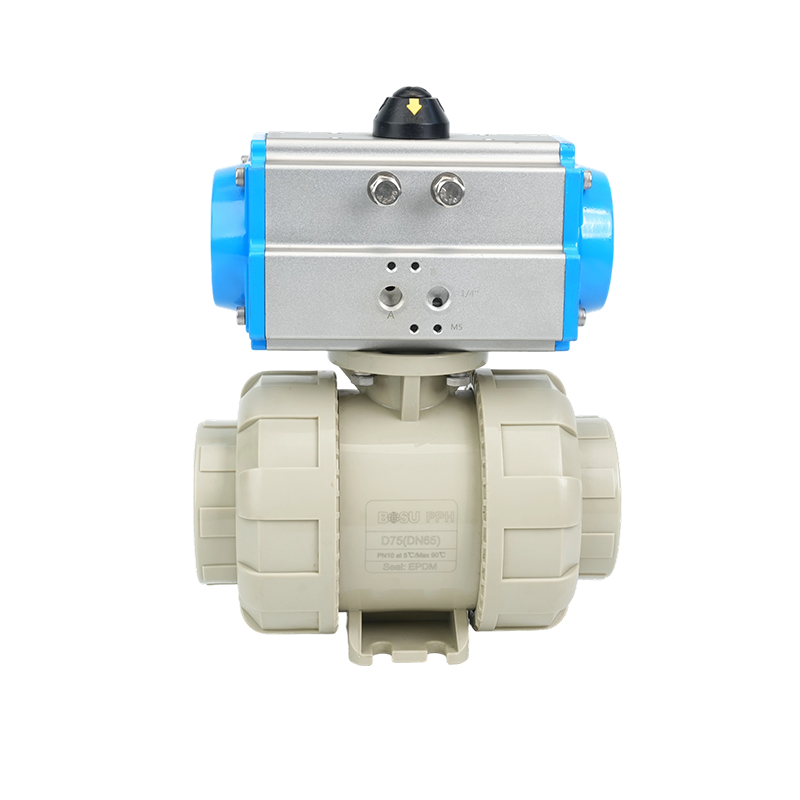
Product Features: This automatic device utilizes compressed air to actuate the ...
View More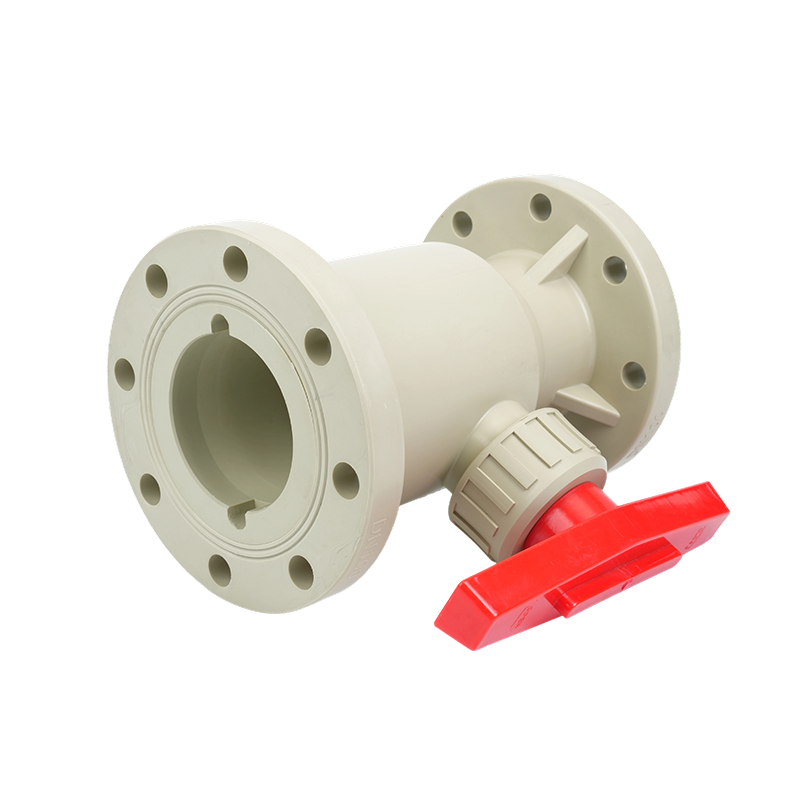
1.Product Features: This valve offers low fluid resistance due to its simple str...
View More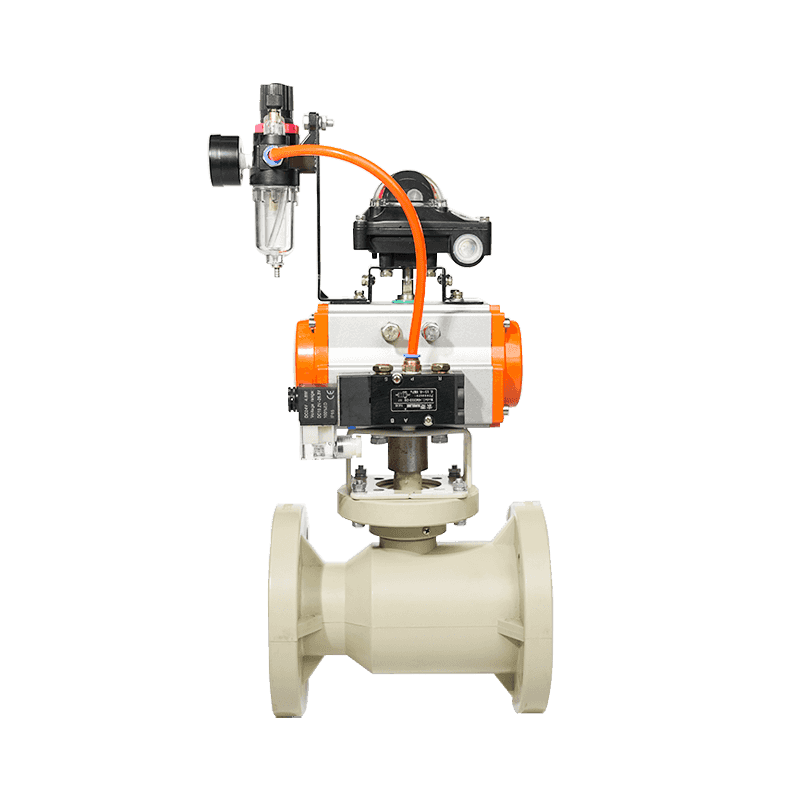
The pneumatic actuator operates at a very high speed, which significantly reduc...
View More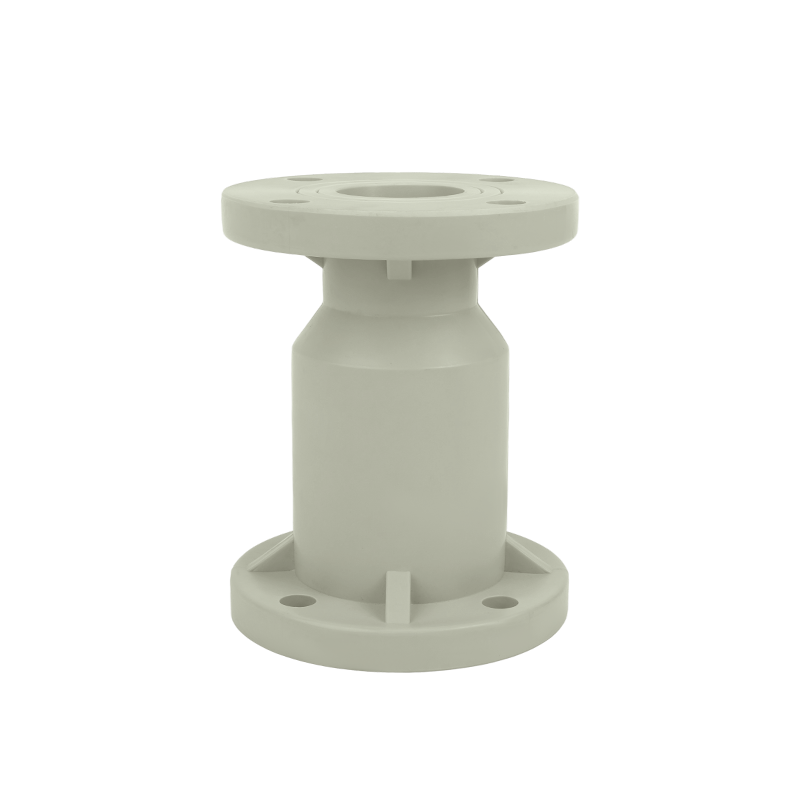
Flange check valve refers to a valve that automatically opens and closes the val...
View More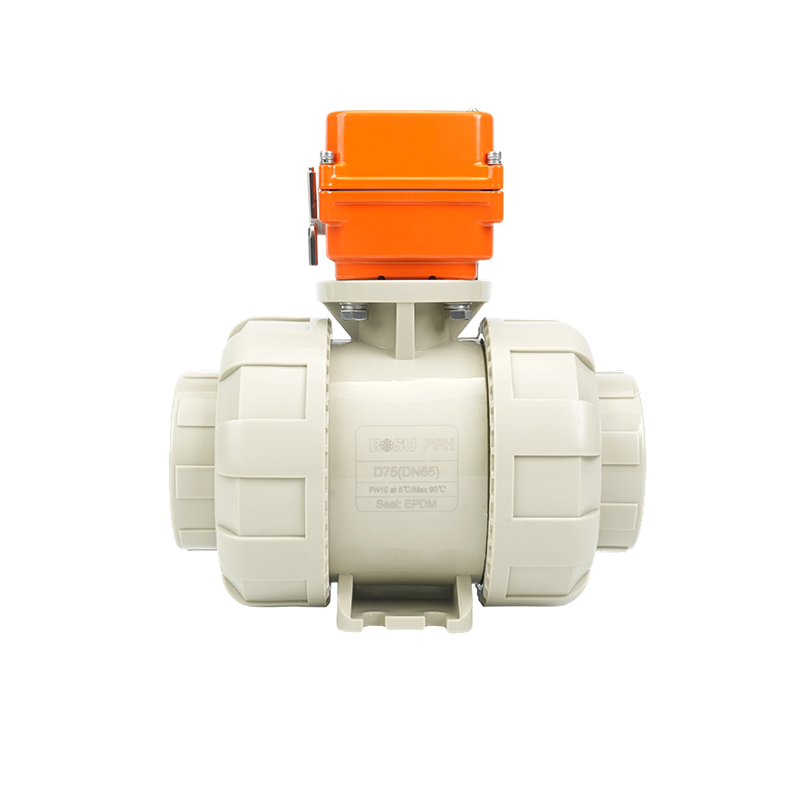
Product Features: Powered by electricity and actuated by an electric actuator, ...
View More
Products
Company Information
Address: No. 55 Haichuan Road, High-Tech Zone, Dongtai City, Jiangsu Province, China
Mobile: +86 137 7009 5258
Tel: +86-515-85479999
Email: [email protected]
We'd love to hear from you!
