Content
Plastic pipe fittings are the core connection components of piping systems, directly impacting fluid transport safety and efficiency. Selecting compatible materials (such as PE, PP, PVC, PVDF) and matching pressure ratings (1.0-2.5 MPa) with temperature ranges (-40°C to +150°C) is the critical decision for ensuring long-term system stability. This article provides systematic selection criteria and practical guidance across four dimensions: material science, performance verification, engineering applications, and installation maintenance.
Plastic pipe fittings are pipeline connection elements manufactured from polymer materials, designed through standardized configurations to achieve directional change, flow division, diameter variation, sealing, and terminal closure. In a complete piping system, fittings account for approximately 15% to 20% of total fluid resistance loss, yet their failure-induced leakage risk constitutes over 60% of system malfunctions. Therefore, fitting selection is far from simple accessory procurement; it is a critical element of system safety design.
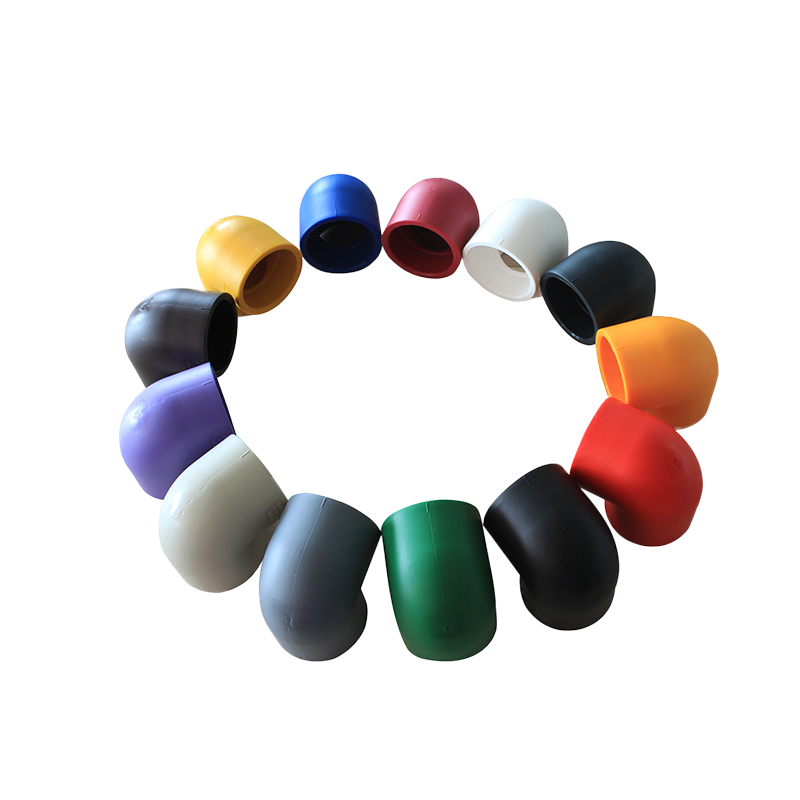
From a structural perspective, plastic fittings encompass elbows (90°, 45°, 22.5°), tees (equal and reducing), crosses, flanges (loose, socket, butt-weld), caps, reducers, female threaded adapters, male threaded adapters, quick connectors, and more than ten basic types. Each form corresponds to specific fluid mechanics scenarios: elbows change flow direction, tees enable flow division, flanges provide detachable connections, and caps achieve system closure. In complex piping networks, these fundamental elements combine into hundreds of functional configurations, meeting demands ranging from simple residential water supply to large-scale industrial piping.
The core advantages of plastic fittings over metal fittings lie in chemical inertness and lightweight properties. Taking PVC fittings as an example, their density is only 1.4 g/cm³, less than one-fifth of carbon steel pipe. The weight difference for a single DN100 elbow can reach 3.2 kg versus 18.5 kg, directly reducing transportation costs by approximately 40% and installation labor costs by about 35%. In corrosive media environments, plastic fitting service life can reach 3 to 5 times that of metal fittings, demonstrating significant full lifecycle cost advantages.
The performance boundaries of pipe fittings are determined by the molecular structure of the base material. The polyethylene (PE) family includes four main branches: HDPE, LDPE, MDPE, and PE-RT. HDPE crystallinity reaches 80% to 90%, conferring excellent resistance to environmental stress cracking, making it the preferred material for municipal gas pipelines (working pressure 0.4 MPa) and water supply networks (working pressure 1.0 MPa). PE-RT, modified through ethylene-octene copolymerization, raises the temperature limit from HDPE's 60°C to 95°C while maintaining the convenience of heat-fusion connections, dominating floor heating systems and building hot water supply.
Polypropylene (PP) and its random copolymer modification PPR leverage methyl side groups in the molecular chain to provide outstanding chemical corrosion resistance. PPR fittings can operate stably for over 50 years in media with pH values from 2 to 12. Their heat-fusion socket connections achieve joint coefficients (joint strength/pipe strength) of 0.8 to 1.0, nearly achieving homogeneous integration. In building hot and cold water systems, PPR fittings cover working temperatures from 0°C to 95°C, with short-term peaks up to 110°C. When paired with S2.5 series (wall thickness factor 2.5), they can withstand hydrostatic pressures of 2.0 MPa.
Polyvinyl chloride (PVC) is divided into rigid PVC-U and soft PVC-C categories. PVC-U fittings incorporate 5% to 10% chlorinated polyethylene (CPE) impact modifiers, increasing notch impact strength from 3 kJ/m² to over 15 kJ/m², meeting drop impact requirements for building drainage systems. PVC-C, modified through chlorination to increase chlorine content from 56% to 67%, raises the temperature limit from 60°C to 95°C, with a flame retardancy rating reaching UL94 V-0 class, becoming the standard material for cable protection piping. The cost advantage of PVC fittings is extremely prominent; a DN50 tee costs approximately 40% to 50% of a comparable PPR product.
Polyvinylidene fluoride (PVDF) represents the high-performance category of plastic fittings. The high electronegativity of fluorine atoms in its molecular chain forms a dense electron cloud shielding layer, conferring inertness to virtually all chemical media. PVDF fittings operate from -40°C to +150°C, with short-term steam sterilization tolerance up to 170°C, making them irreplaceable in semiconductor ultrapure water systems (resistivity ≥18.2 MΩ·cm) and photovoltaic industry high-purity chemical transport. Naturally, high performance accompanies high cost; PVDF fittings cost approximately 8 to 12 times more than PE fittings, and are only adopted in demanding applications.
| Material | Density (g/cm³) | Temperature Range | Typical Pressure | Core Application | Relative Cost |
|---|---|---|---|---|---|
| PE / HDPE | 0.95 | -40°C ~ +60°C | 1.0 MPa | Municipal water, gas transmission, agricultural irrigation | 1.0x |
| PE-RT | 0.93 | -40°C ~ +95°C | 1.0 MPa | Floor heating, building hot water circulation | 1.5x |
| PP / PPR | 0.91 | 0°C ~ +95°C | 1.6 MPa | Building hot/cold water, chemical piping, food industry | 1.8x |
| PVC-U | 1.40 | 0°C ~ +60°C | 1.0 MPa | Building drainage, rainwater collection, ventilation | 0.6x |
| PVC-C | 1.55 | 0°C ~ +95°C | 1.6 MPa | Cable protection, fire sprinklers, industrial cooling | 1.2x |
| PVDF | 1.78 | -40°C ~ +150°C | 2.5 MPa | Semiconductor, photovoltaic, high-purity chemicals | 10.0x |
| PA-12 | 1.02 | -40°C ~ +90°C | 1.0 MPa | Automotive fuel lines, pneumatic systems | 3.5x |
The actual pressure-bearing capacity of fittings cannot be judged solely by nominal values; it must be obtained through standardized testing. Per ISO 4427 and GB/T 13663 standards, PE fittings must undergo 20°C, 100-hour hydrostatic testing at 1.5 times the nominal pressure (e.g., PN10 fittings tested at 15 bar), with zero leakage and no rupture throughout. More stringent long-term testing requires fittings to withstand 3.6 MPa hydrostatic stress in 80°C water for over 1000 hours without brittle failure.
Temperature resistance testing encompasses three levels. Short-term thermal aging places fittings in maximum working temperature environments for 1000 hours, measuring tensile strength retention and dimensional change rates, with acceptance criteria of strength retention ≥80% and linear shrinkage ≤2%. Thermal cycling simulates actual operating conditions through 5000 cycles between minimum and maximum temperatures (each cycle includes heating, holding, cooling, and holding phases), with no cracking or delamination permitted. For PE-RT floor heating fittings, passing 8760 hours (365 days) of 95°C hydrostatic testing is a core requirement for CE certification.
Chemical corrosion testing follows ASTM D543 and ISO 175 standards. Standard test specimens are immersed in target chemical media at 23°C and 60°C for 30 days and 90 days respectively, measuring mass change rate, volume change rate, tensile strength change rate, and surface hardness change. For sulfuric acid media, PVC-U fittings immersed in 50% concentration sulfuric acid at 60°C for 90 days must show mass increase ≤1.5% and tensile strength retention ≥85%. PVDF fittings perform nearly perfectly in 98% concentrated sulfuric acid, with mass change rates typically below 0.1%.
Certification systems provide external validation of test compliance. The CE mark, based on EU 2014/68/EU Pressure Equipment Directive, requires manufacturers to establish complete quality assurance systems and pass third-party notified body audits. UL certification targets North American markets, covering flame retardancy (UL94 vertical burn test), electrical insulation (dielectric strength ≥20 kV/mm), and long-term hydrostatic performance (10000-hour LTHS testing). ISO 9001 quality management and ISO 14001 environmental management certifications respectively govern product consistency and environmental compliance at the enterprise level. Manufacturers holding 81 patents (including 36 invention patents) typically offer more convincing technical reliability.
In building applications, plastic pipe fittings are highly modular and standardized. Residential hot and cold water supply systems typically employ S3.2 series PPR fittings (wall thickness factor 3.2) with heat-fusion socket connections. Taking a DN20 (nominal outer diameter 20mm) PPR tee as an example, its socket depth is 14mm, with heat-fusion heating time of approximately 5 seconds (using a 260°C fusion iron), insertion hold time of about 4 seconds, and cooling time of at least 2 minutes. Under proper operation, joint tensile strength reaches over 85% of the pipe body, with burst pressure exceeding 6.0 MPa, far surpassing the 4x safety factor over normal system working pressure.
Building drainage systems use PVC-U fittings with optimized hydraulic characteristics. Taking a DN110 P-trap as an example, its water seal depth is strictly controlled between 50mm and 100mm, effectively preventing sewer odor backflow while maintaining seal integrity at drainage flow rates of 2.5 L/s. PVC-U inspection port fittings feature removable screw caps for pipe clearing and internal inspection, with EPDM rubber sealing rings maintaining elasticity from -20°C to +80°C to ensure sealing performance after repeated opening. High-rise building drainage systems also require dedicated vent fittings, balancing positive and negative pressures in risers through H-type vent connectors to prevent seal destruction and noise transmission.
Rainwater collection systems impose special requirements on UV resistance and flow capacity. HDPE rainwater fittings must incorporate 2% to 3% carbon black or HALS light stabilizers to ensure 50-year service life under outdoor UV exposure. DN160 rain hopper fittings are designed for flow rates typically ≥12 L/s, with grid structures intercepting solid debris ≥5mm in diameter to prevent pipe blockage. Large commercial building roof drainage systems also require overflow fittings, which can divert 30% to 40% of excess design flow during 50-year return period storm conditions (rainfall intensity approximately 5.5 mm/min), protecting main drainage pipes.
Cable protection piping systems use flame-retardant PVC-C or PE fittings, where electrical insulation performance is paramount. PVC-C fittings must achieve volume resistivity ≥1×10¹⁴ Ω·cm and dielectric strength ≥20 kV/mm, ensuring reliable insulation isolation in 380V/220V distribution systems. When cables pass through fire compartments, firestop collars are required; internal intumescent materials rapidly expand when fire occurs (temperature reaching approximately 280°C), sealing gaps between pipes and cables to prevent flame and smoke spread, with fire resistance ratings reaching over 2 hours.
| System Type | Key Fittings | Connection Method | Performance Requirement | Standard Reference |
|---|---|---|---|---|
| Hot/Cold Water Supply | Tee, elbow, flange, female threaded adapter | Heat-fusion socket | Pressure 1.6MPa, temperature 95°C, joint coefficient ≥0.8 | GB/T 18742 |
| Sewage Discharge | P-trap, inspection port, flange cap, expansion joint | Adhesive socket | Acid/alkali pH2-12, IP68 sealing, water seal 50-100mm | GB/T 5836 |
| Rainwater Collection | Rain hopper, reducer, overflow port, siphonic fittings | Rubber ring seal/heat-fusion | UV resistant, flow ≥12L/s, 50-year lifespan | GB 50014 |
| Cable Protection | Flame-retardant elbow, tee, corrugated joint, firestop collar | Socket adhesive/lock | Flame class V-0, insulation 2kV, fire rating ≥2h | JG/T 3050 |
| Floor Heating | Manifold adapter, pipe bender, press fitting, air vent | Press/slide-tight | Temperature 95°C, pressure 1.0MPa, 8760h long-term test | GB/T 28799 |
Gas transmission imposes extremely stringent safety requirements on pipe fittings, as any leakage can trigger explosion or poisoning incidents. PE gas fittings employ PE100 grade material (minimum required strength MRS=10 MPa), with slow crack growth resistance verified through full notch creep testing (FNCT): at 80°C, 2.0 MPa hoop stress, and 2% surfactant solution, failure time must exceed 500 hours. Fittings must also possess anti-static properties, with surface resistivity controlled between 10⁶ and 10⁹ Ω to prevent static spark ignition of gas. Working pressure is typically set at 0.4 MPa (medium pressure B class), with dedicated flange gaskets (such as spiral-wound metal or graphite composite gaskets) providing detectable leak connections.
In chemical and semiconductor industries, the high corrosiveness and high purity requirements of media have spawned metal-lined plastic composite fittings. The outer layer uses PTFE or PFA fluoroplastics for chemical inertness, while the inner layer of 316L stainless steel or Hastelloy C-276 bears structural loads, achieving working pressures up to 4.0 MPa and temperature coverage from -50°C to +200°C. In semiconductor ultrapure water systems, PVDF fittings undergo electronic-grade purification cleaning, with total extractable organics (TOC) below 5 ppb and particle counts (≥0.1 μm) below 100 particles/mL, ensuring no contamination of 18.2 MΩ·cm resistivity ultrapure water.
Industrial piping certification systems are more complex than civilian building applications. Beyond CE, UL, and ISO certifications, industry-specific standards must be met. The chemical industry follows ASME B31.3 Process Piping Code, requiring fittings to possess safety factors of at least 3.5 at maximum working pressure. The semiconductor industry follows SEMI F57 standards, requiring fitting inner surface roughness Ra≤0.25 μm to reduce particle adhesion and microbial growth. The food and pharmaceutical industries follow FDA 21 CFR 177.1520 and EU 10/2011 regulations, requiring fitting materials to pass comprehensive migration testing to ensure no harmful substance extraction.
Installation quality directly determines fitting service life and system reliability. Heat-fusion connection is the core process for PPR and PE fittings, with quality control focusing on three parameters: temperature, time, and depth. For PPR fittings, fusion iron temperature must be strictly controlled at 260±10°C. Insufficient temperature causes incomplete melting and insufficient joint strength; excessive temperature causes material degradation and bubble defects. Different pipe diameters correspond to different heating and insertion times: DN20 fittings heat for 5 seconds and insert for 4 seconds; DN32 fittings heat for 8 seconds and insert for 6 seconds; DN63 fittings heat for 16 seconds and insert for 12 seconds. Insertion depth must be precise: 14mm for DN20, 20mm for DN32, 35mm for DN63, with deviations exceeding 1mm potentially causing false welding or blockage welding.
Adhesive connection is the primary process for PVC fittings, with surface preparation and glue application being critical. Sockets and spigots must be sanded with 120-grit sandpaper along the axial direction to remove mold release agents and oxide layers, with roughness controlled between Ra 3.2 μm and 6.3 μm. After sanding, dedicated PVC cleaner removes dust and oil, and after complete drying, PVC-specific adhesive is applied uniformly. Application sequence is inner socket wall first, then outer spigot surface, with socket adhesive coating thickness approximately 0.3mm and spigot coating thickness approximately 0.2mm. During insertion, rotate 90° to ensure uniform adhesive distribution, with insertion depth reaching 2/3 to 3/4 of socket depth. Curing time varies with ambient temperature: 24 hours at 20°C to reach design strength, 48 hours at 10°C, and construction is prohibited below 5°C.
The detachable nature of flange connections makes them indispensable for valves, pumps, and maintenance sections. During installation, gaskets must be selected from media-compatible materials: EPDM rubber for water media, nitrile rubber for oil media, graphite or spiral-wound metal gaskets for high-temperature media. Bolt tightening must follow a diagonal cross sequence, applied in three progressive stages: first stage hand-tightened to contact, second stage with torque wrench at 50% target torque, third stage at 100% target torque. Target torque values depend on bolt specifications and gasket materials; for example, M16 bolts with EPDM gaskets target 60 N·m, while with graphite gaskets target 80 N·m. After tightening, use feeler gauges to inspect flange gaps; local gaps exceeding 0.5mm require readjustment.
Preventive maintenance is the core strategy for extending fitting life and reducing system risk. Building water supply and drainage systems should undergo comprehensive inspection every 5 years, focusing on heat-fusion joints for leakage traces, adhesive joints for debonding or cracking, and flange gaskets for aging or hardening. Infrared thermal imaging cameras scan pipe surfaces during inspection; local temperature rises exceeding ambient temperature by 2°C may indicate internal leakage or abnormal flow. For buried pipes, CCTV internal inspection every 10 years assesses internal scaling, corrosion, and deformation conditions.
Industrial piping maintenance cycles are more intensive. Chemical pipelines require quarterly ultrasonic wall thickness testing using dual-crystal probes or TOFD technology, with measurement accuracy reaching ±0.1 mm. When wall thickness reduction exceeds 10% of original thickness, a replacement plan must be developed; when exceeding 15%, immediate shutdown and replacement are required. Gas pipelines require monthly leak detection using portable combustible gas detectors (sensitivity ≤10 ppm), inspecting along flanges, valves, and joints, with immediate marking and repair upon leakage detection.
Establishing complete fitting records is the foundation of maintenance management. Records should include: material certificates (with density, melt index, tensile strength data), pressure test reports (test pressure, holding time, leakage determination), installation records (installation date, technician, connection method, ambient temperature and humidity), and maintenance records (inspection date, detection method, problems found, treatment measures). Digital record systems can associate each fitting through QR codes or RFID tags, achieving full lifecycle traceability. Statistics show that systems with complete records experience fitting failure rates reduced by approximately 45% and maintenance costs reduced by about 30%.
Common fault diagnosis and treatment require systematic methods. Heat-fusion joint leakage is typically caused by insufficient temperature or insertion depth; treatment involves cutting the failed joint and re-performing heat-fusion connection per specifications. Adhesive joint debonding mostly results from surface contamination or expired adhesive; treatment requires thoroughly cleaning sockets and spigots, re-sanding, and applying fresh adhesive. Flange joint leakage commonly results from gasket compression set or bolt loosening; treatment involves replacing the gasket and re-tightening to target torque in diagonal sequence. Pipe vibration-induced joint fatigue cracking requires adding pipe clamps or vibration dampers, controlling vibration amplitude within 1% of pipe diameter.
The plastic pipe fitting industry is undergoing dual transformation through material upgrading and intelligent manufacturing. At the material level, bio-based plastic fittings represent an important direction for sustainable development. Bio-based PE, using sugarcane ethanol as raw material through dehydration to ethylene and subsequent polymerization, reduces carbon footprint by approximately 70% compared to petroleum-based PE while maintaining fully equivalent physical properties. Currently, European markets offer bio-based PE fittings in sizes up to DN315, mainly for municipal water supply and agricultural irrigation. In flame retardancy, halogen-free PVC fittings employ aluminum hydroxide and magnesium hydroxide compound systems, reducing smoke density (Ds max) from over 800 for traditional halogen-based systems to below 150, meeting strict fire protection requirements for subways, tunnels, and other enclosed spaces.
Intelligent manufacturing technology is reshaping fitting production. Injection molding incorporates cavity pressure sensors and machine vision inspection, achieving 100% online quality monitoring, with defect detection rates improving from 95% for manual sampling to 99.7%. In connection technology, electrofusion fittings incorporate built-in resistance wires, with dedicated electrofusion welding machines precisely controlling heating energy (energy deviation ≤±2%), eliminating the skill dependence of heat-fusion connections, particularly suitable for confined spaces and elevated work. Pre-assembled modular fitting systems are also emerging, with manufacturers pre-assembling fittings, valves, and sensors into functional modules at the factory, requiring only simple site connection, improving installation efficiency by approximately 60%.
Digital design and simulation tools are increasingly prevalent. Computational fluid dynamics (CFD) software simulates velocity distribution, pressure loss, and turbulence intensity within fittings, optimizing internal flow channel design. For 90° elbows, CFD optimization increasing bend radius from 1.5D to 2.5D reduces local resistance coefficient from 1.1 to 0.6, significantly reducing pumping energy consumption in large piping networks. Finite element analysis (FEA) software evaluates stress distribution in fittings under thermal expansion, internal pressure loads, and external impacts, guiding wall thickness design and rib placement to achieve optimal balance between material usage and structural strength.
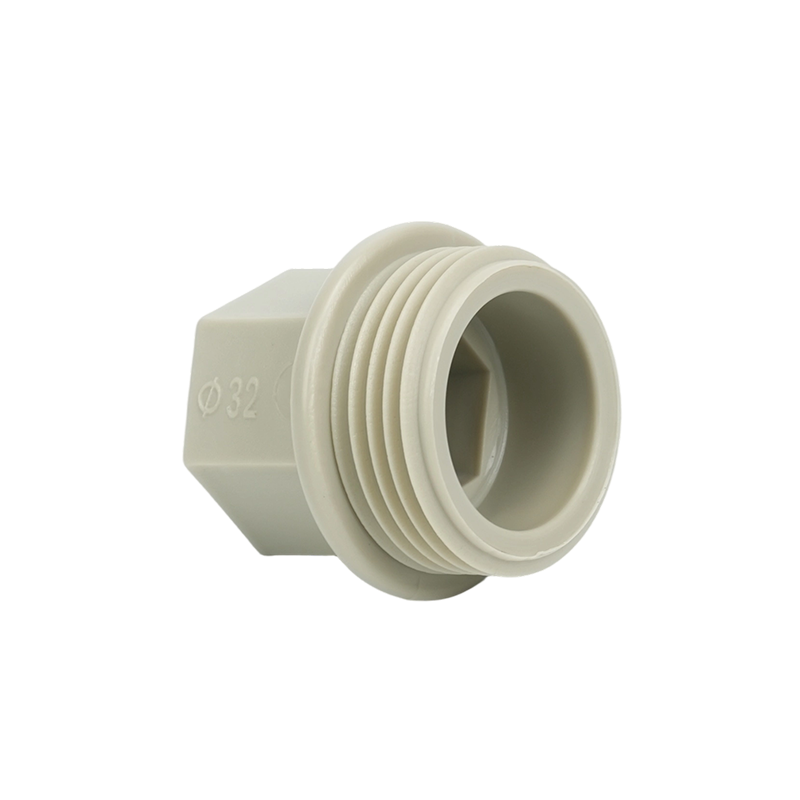
1. Durable, anti-corrosion, light weight, function as a closed pipeline, easy in...
View More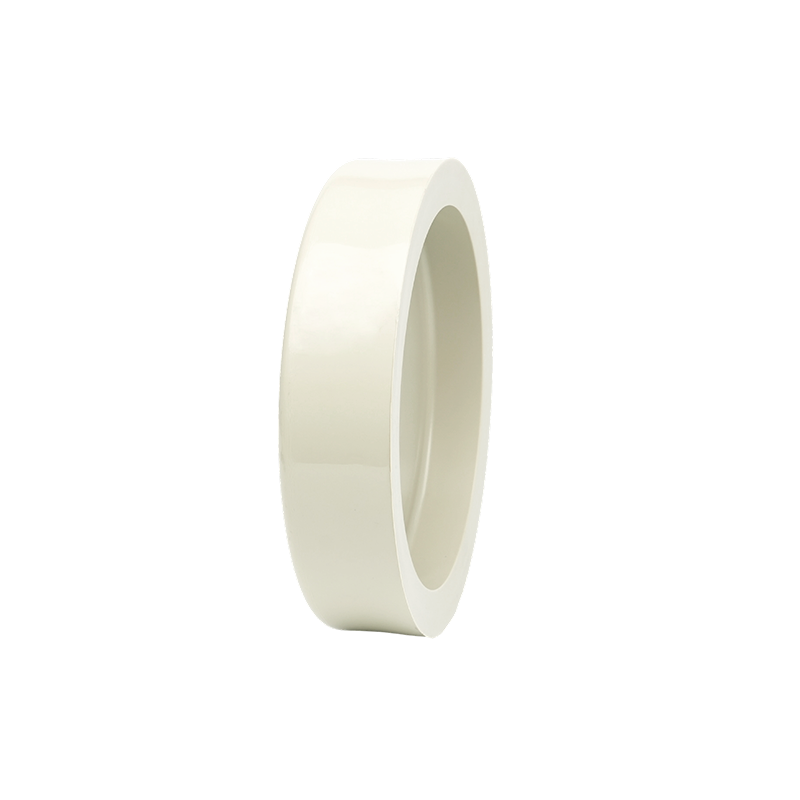
1. In addition to its basic closure function, the pipe cap can also be used for ...
View More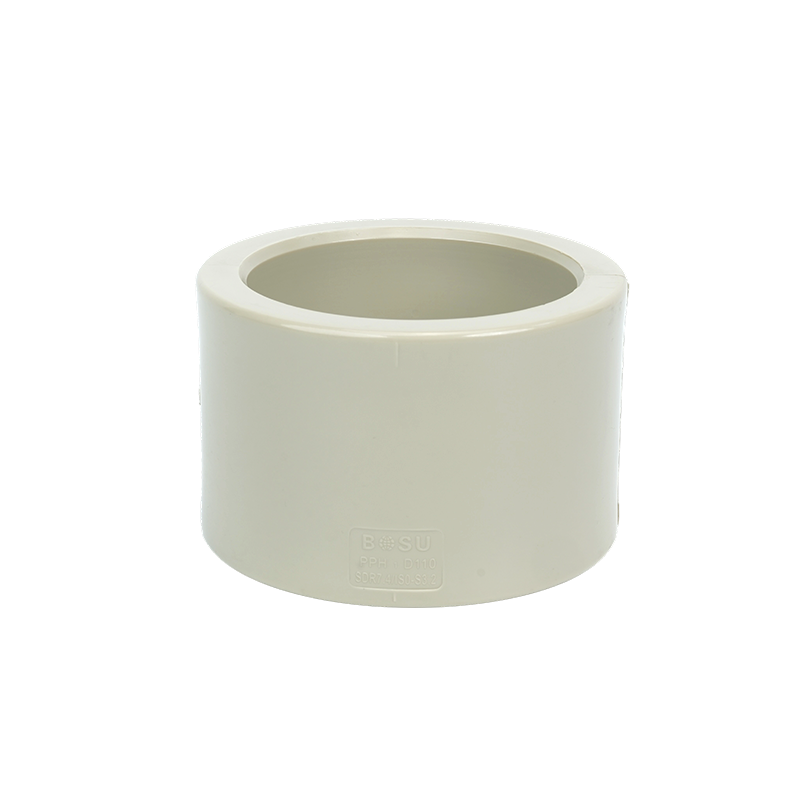
Used in piping systems requiring plain end connections. Specifications: DN15(D20...
View More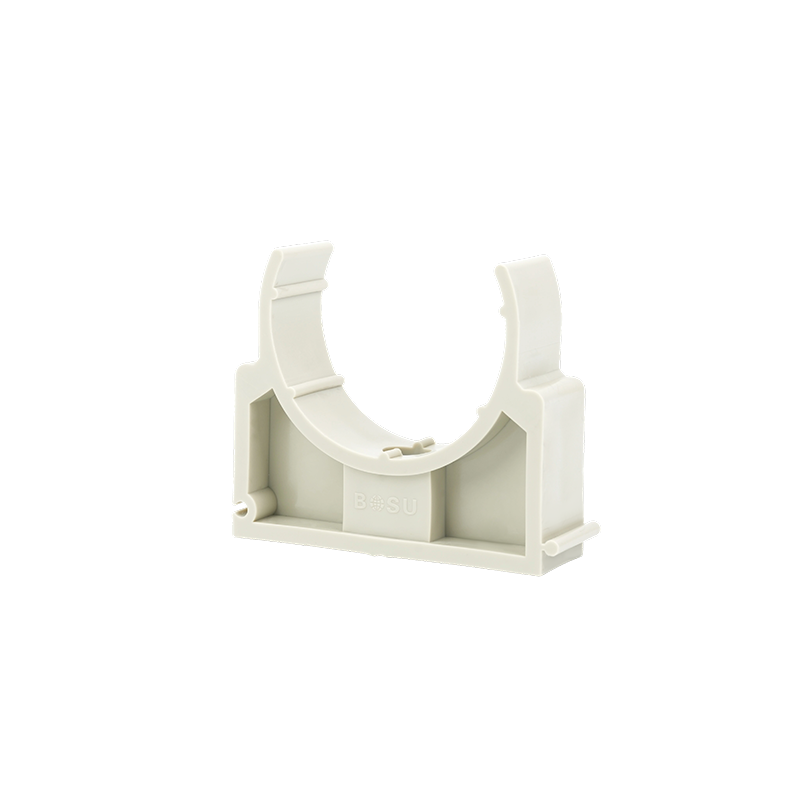
Product Specifications: DN15 (D20), DN20 (D25), DN25 (D32), DN32 (D40), DN40 (D5...
View More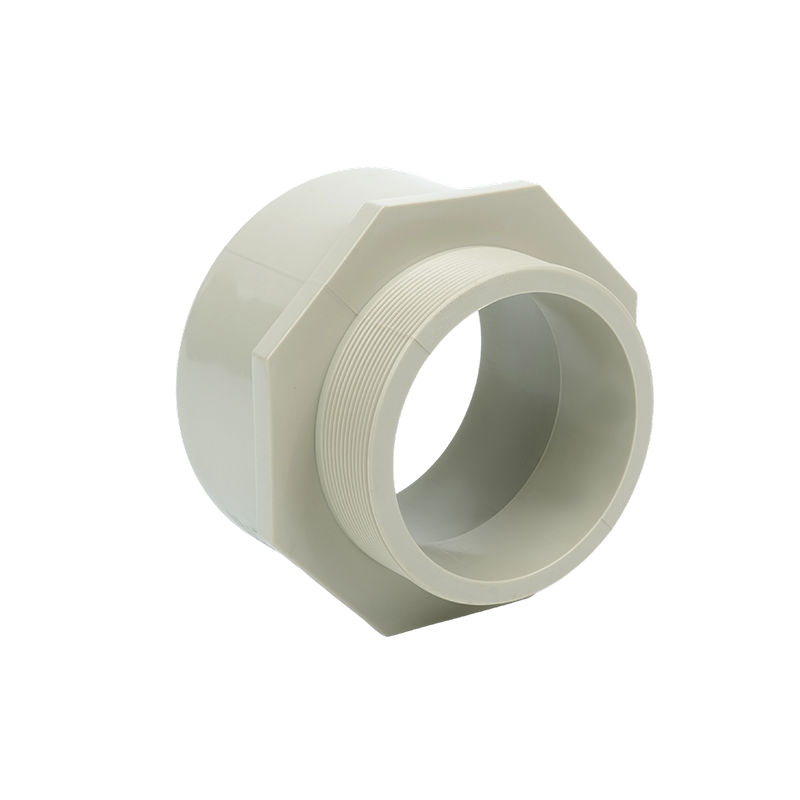
1. Easy operation, reliable connection, high pressure resistance, good sealing, ...
View More
Products
Company Information
Address: No. 55 Haichuan Road, High-Tech Zone, Dongtai City, Jiangsu Province, China
Mobile: +86 137 7009 5258
Tel: +86-515-85479999
Email: [email protected]
We'd love to hear from you!

 English
 中文简体
中文简体