 English
 中文简体
中文简体
β--PPH Double Union Ball Valve
1. Product Features: Personalized handle indication function, install LOGO, medi...
View MoreContent
A ball valve is a quarter-turn rotational motion valve that uses a spherical disc (the ball) to control flow. Its primary function is to act as an on/off isolation valve, providing a tight seal with minimal pressure drop. When the handle is aligned with the pipe, the valve is open; when perpendicular, it is closed. Unlike gate or globe valves, ball valves offer near-instantaneous shut-off, making them the preferred choice in applications where quick, reliable isolation is critical.
The core advantage lies in its simplicity and durability. The ball features a bore (hole) through the center. When rotated 90 degrees, the solid part of the ball blocks the flow path. This design ensures that a properly maintained ball valve can achieve zero leakage, a standard often required in high-stakes industries like oil & gas or pharmaceutical manufacturing.
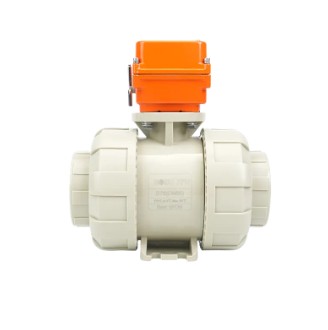
Ball valves are ubiquitous due to their versatility and reliability. They are utilized in any system requiring a dependable shut-off mechanism. Below are the primary sectors where they are deployed:
In practical use, installation orientation is crucial. While ball valves are often bi-directional, some designs (like V-port ball valves) have a preferred flow direction to optimize throttling performance. Proper installation extends valve life by up to 40% by reducing wear on the seat and ball surfaces.
Not all ball valves are identical. Choosing the wrong type can lead to system failure. The following table outlines the primary configurations and their operational limits to help you make an informed decision.
| Valve Type | Construction | Pressure Range (Typical) | Best Use Case |
|---|---|---|---|
| Floating Ball Valve | Ball "floats" between two seats | Up to 1000 psi | Low to medium pressure liquid/gas |
| Trunnion Ball Valve | Ball anchored with fixed supports | Up to 15,000 psi | High-pressure pipelines (oil/gas) |
| V-Port Ball Valve | V-shaped notch in the ball | Up to 1450 psi | Precise flow control (throttling) |
| 3-Way Ball Valve | L-port or T-port design | Up to 1000 psi | Mixing or diverting flow |
Generally, standard ball valves are not designed for throttling. Using a standard ball valve in a partially open position causes the high-velocity flow to erode the ball and seat, leading to premature failure. However, specialized V-port ball valves are specifically engineered for throttling applications, offering a nearly equal-percentage flow characteristic suitable for control loops.
Lifespan depends heavily on application, but data shows that in clean water applications, a quality brass or stainless steel ball valve can last over 20 years or 50,000 cycles. In abrasive slurry applications, this lifespan may drop to 2-3 years. Regular maintenance, such as cycling the valve quarterly to prevent seizing, can increase service life by 30-50%.
Stem leakage typically indicates a failed stem packing or O-ring. This is often due to thermal cycling (expansion/contraction) or simply wear over time. 90% of stem leaks can be repaired in-line without removing the valve from the piping system by tightening the gland nut or replacing the packing, provided the valve has a blowout-proof stem design.
The material of the valve body and seat determines chemical compatibility and temperature resistance. Choosing the wrong material is the leading cause of valve failure, accounting for nearly 45% of all industrial valve replacements.
When selecting a ball valve, always verify the Pressure-Temperature (P-T) rating chart provided by the manufacturer. Operating a valve outside its rated P-T envelope is a safety hazard and voids warranty standards.
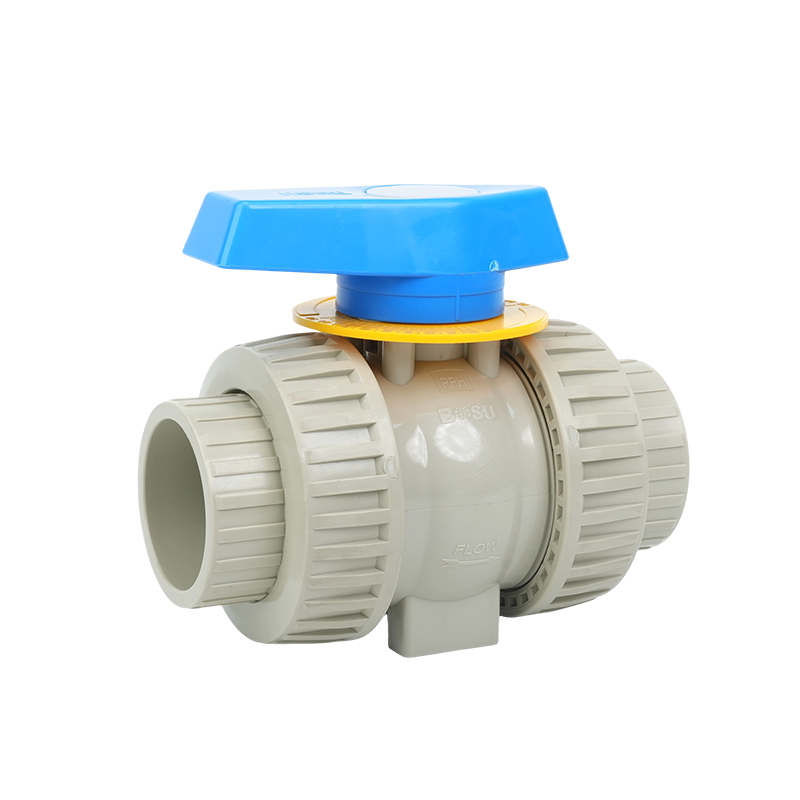
1. Product Features: Personalized handle indication function, install LOGO, medi...
View More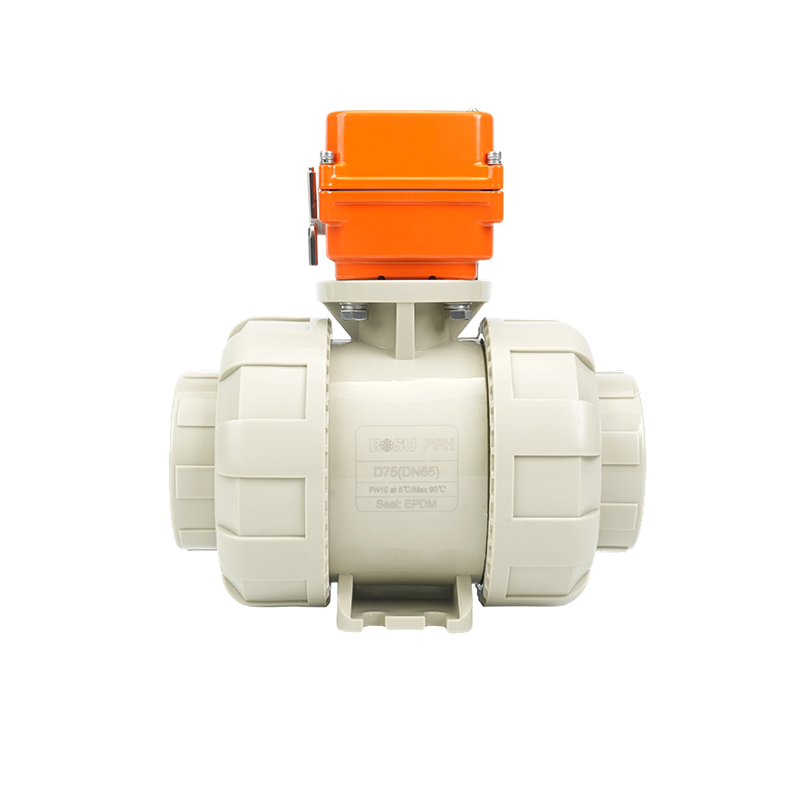
Product Features: Powered by electricity and actuated by an electric actuator, ...
View More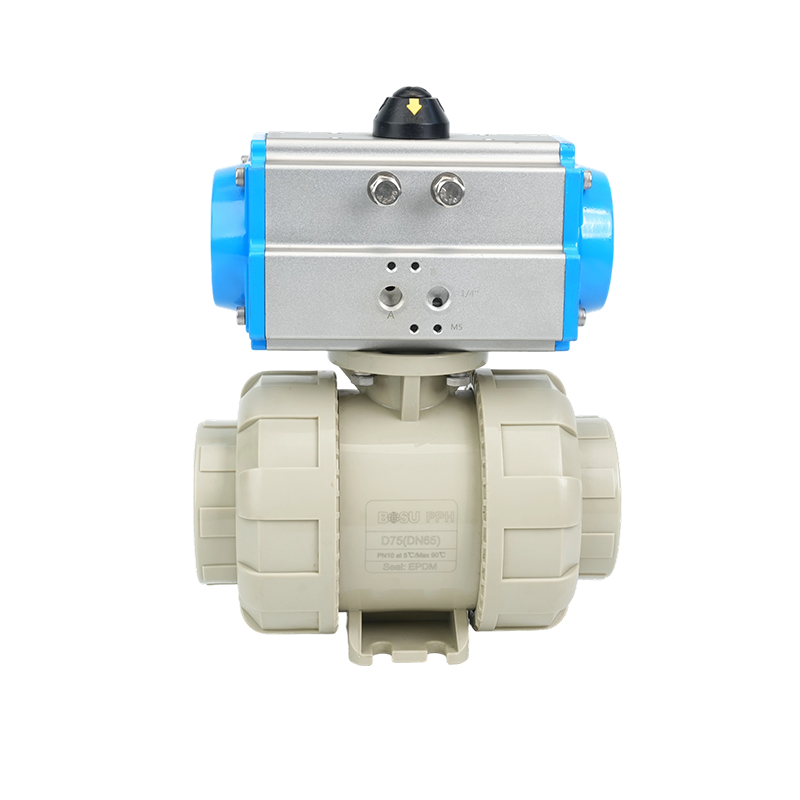
Product Features: This automatic device utilizes compressed air to actuate the ...
View More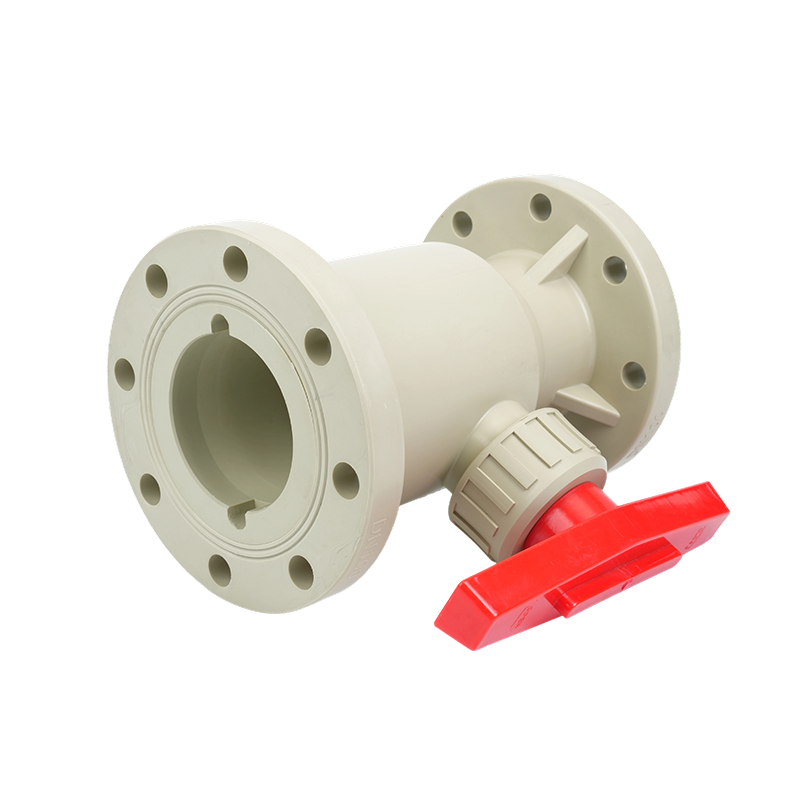
1.Product Features: This valve offers low fluid resistance due to its simple str...
View More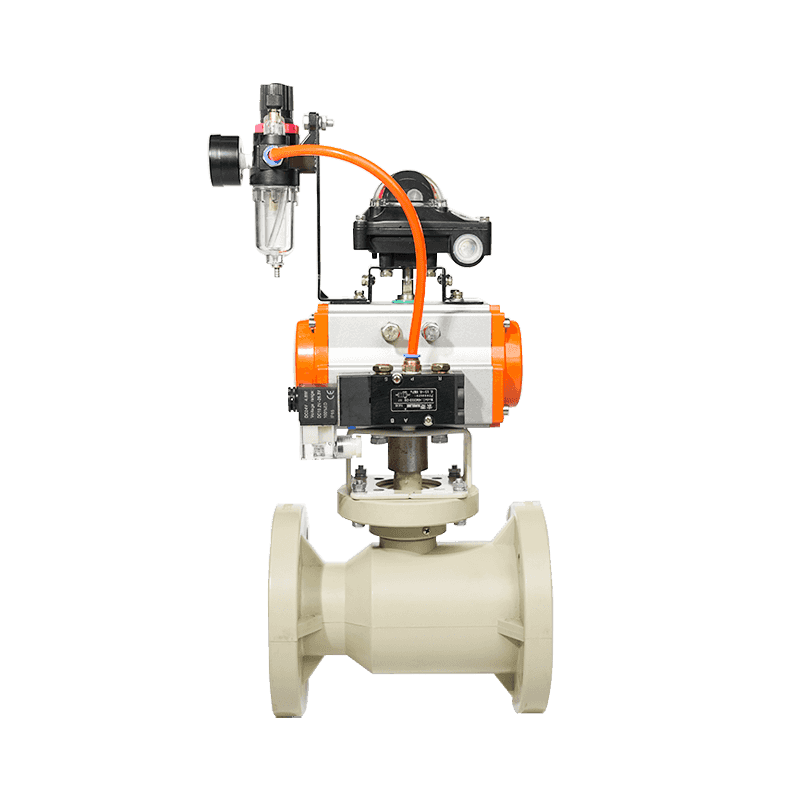
The pneumatic actuator operates at a very high speed, which significantly reduc...
View More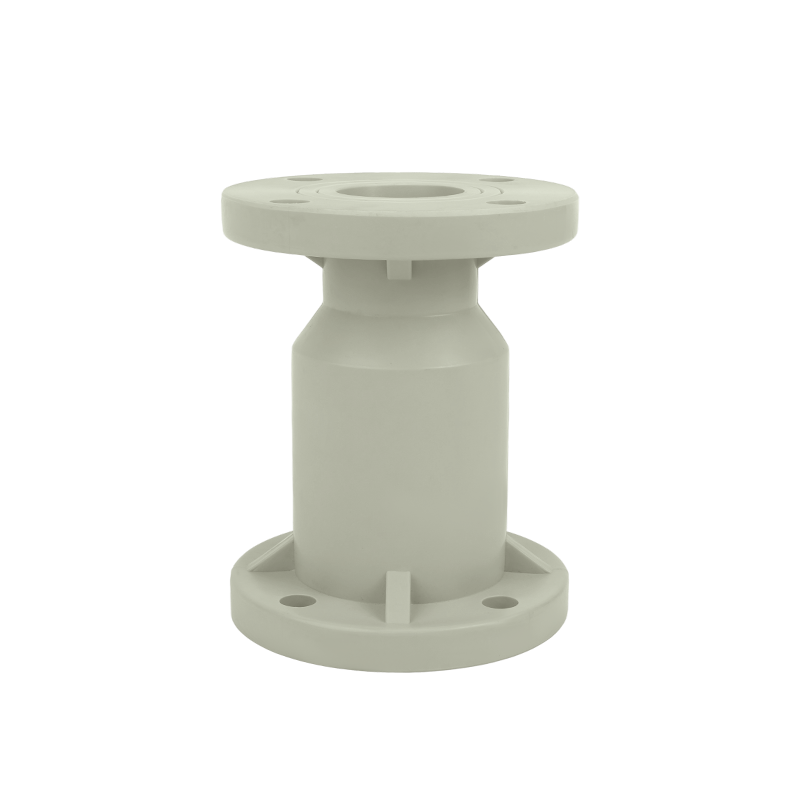
Flange check valve refers to a valve that automatically opens and closes the val...
View More
Products
Company Information
Address: No. 55 Haichuan Road, High-Tech Zone, Dongtai City, Jiangsu Province, China
Mobile: +86 137 7009 5258
Tel: +86-515-85479999
Email: [email protected]
We'd love to hear from you!
