 English
 中文简体
中文简体
β-- PPH Swing Check Valve
Product Features: The pressure drop from the inlet to the outlet is very low. T...
View MoreContent
Picture a chemical dosing line: the pump stops, pressure in the process line climbs, and liquid flows backward into the chemical tank. That single event can contaminate the upstream media, damage the pump and cause unplanned downtime. A plastic check valve prevents this by allowing flow in one direction only and closing automatically as soon as reverse flow begins.
A check valve, also called a non-return valve, needs no handle or actuator. It is driven entirely by the pressure difference between the inlet and the outlet. For a broader view of the product family, this introduction to what a plastic valve is explains how valves fit into a plastic piping system.
Metal check valves corrode quickly in aggressive chemical, semiconductor, water-treatment and pharmaceutical lines. Plastic check valves made from β-PPH, PPN and PVDF resist acids, alkalis and solvents, weigh less and need less maintenance. This article explains the working principle, the main types, material selection, pressure classes and the installation points that determine service life.
The operating principle is straightforward. When upstream pressure exceeds downstream pressure, the closure member, whether a ball, a hinged disc or a flap, lifts off its seat and media passes through. When downstream pressure becomes higher, the closure member is pressed back onto the seat and the flow path seals. The valve reacts to flow itself, so no manual control or external signal is required.
Two numbers matter when comparing check valves:
The closure design is what separates the main types: a swing check valve uses a hinged disc, a ball-core check valve uses a free-moving ball, and union-type valves are defined mainly by how the body connects to the pipework.
Check valves are produced in several configurations. The right choice depends on the connection method, the need for maintenance access and the flow conditions. Within a complete plastic valve package, check valves sit alongside ball valves, butterfly valves and foot valves.
Valve families in a complete plastic valve package
Share is based on the number of product entries in the manufacturer's valve catalogue.
A double union check valve has a union nut on both ends, so it can be removed from the line without cutting the pipe. This makes it the most service-friendly option for dosing systems, filter lines and installations where scale or debris must be cleaned out. Our PPH double union check valve is available with socket fusion or threaded ends and EPDM or FPM seals.
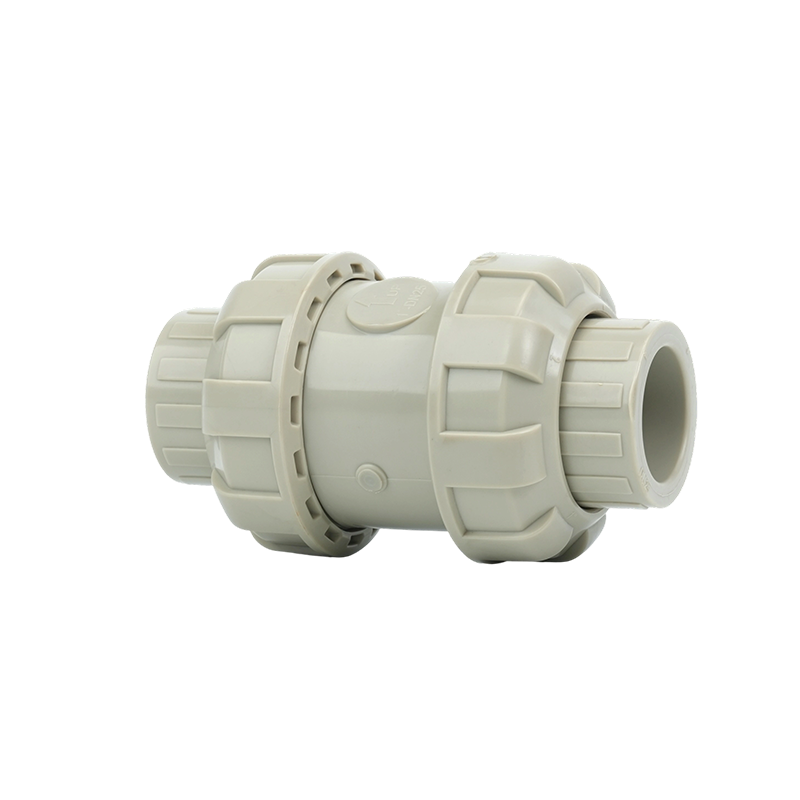 β--PPH Double Union Check Valve Manufacturer, Supplier - Jiangsu Leiting PrecisiAs China β--PPH Double Union Check Valve manufacturer and supplier, Jiangsu Leiting Precision New Material offers β--PPH Double Union Che...View Product →
A single union check valve has one union side and one fixed side. It is more compact and lower in cost, and it fits confined spaces where one end of the valve can be anchored. Maintenance access is still possible but less convenient than with a double union body.
Flanged ball core check valves use a free ball that lifts off a sealing ring in forward flow and presses back onto the ring when reverse flow starts. Flanged connections suit larger pipe sizes and higher flow rates, and the ball's self-centering behaviour keeps the seal consistent over time. The flanged ball core check valve is a dependable option for industrial lines.
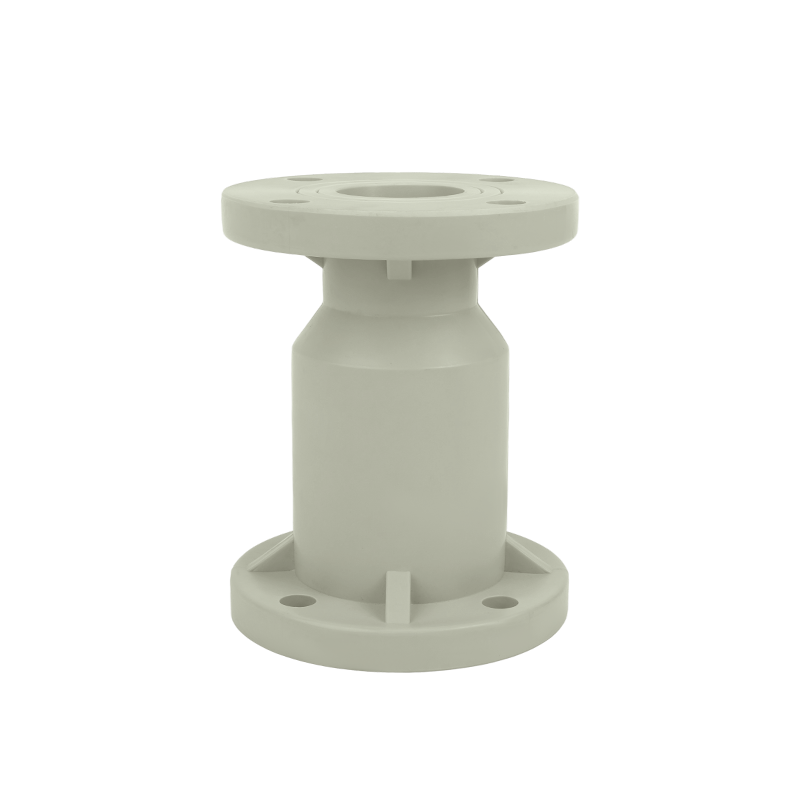 β--PPH Flanged Ball Core Check Valve Manufacturer, Supplier - Jiangsu Leiting PrAs China β--PPH Flanged Ball Core Check Valve manufacturer and supplier, Jiangsu Leiting Precision New Material offers β--PPH Flanged Bal...View Product →
Swing check valves use a hinged disc that opens with forward flow and closes by gravity and reverse pressure. They produce low pressure loss, which makes them efficient in steady, continuous-flow lines, and they are normally installed in horizontal runs. The swing check valve suits water treatment and general industrial pipelines.
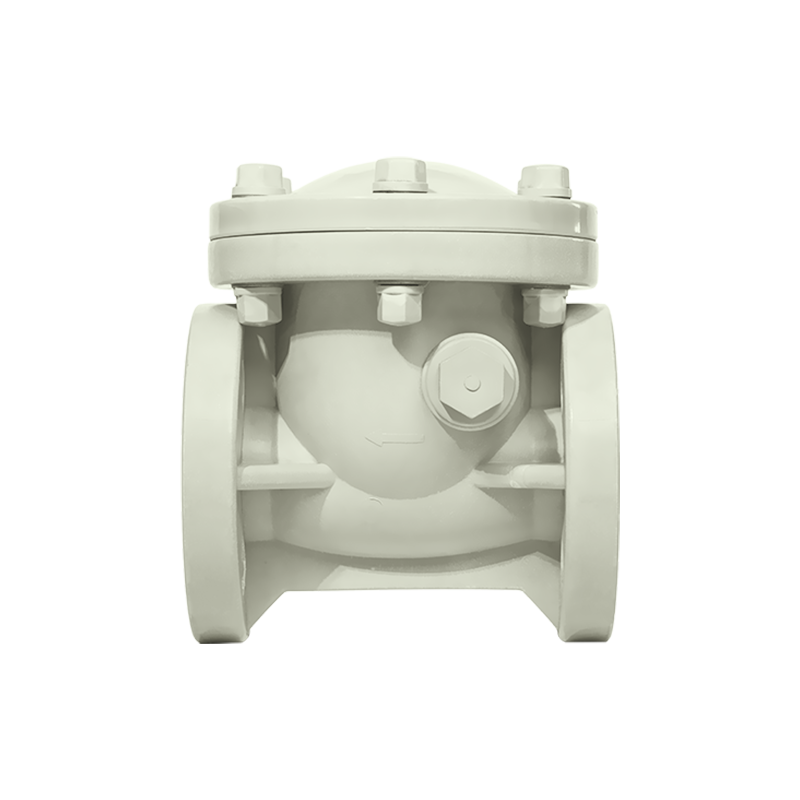 β-- PPH Swing Check Valve Manufacturer, Supplier - Jiangsu Leiting Precision NewAs China β-- PPH Swing Check Valve manufacturer and supplier, Jiangsu Leiting Precision New Material offers β-- PPH Swing Check Valve for...View Product →
| Type | Connection | Pressure Loss | Maintenance Access | Typical Use |
|---|---|---|---|---|
| Double union | Socket, thread | Moderate | High, removable without cutting the line | Dosing, filters, frequent cleaning |
| Single union | Socket, thread | Low to moderate | Moderate, one side fixed | Compact spaces |
| Flanged ball core | Flanged | Moderate | Medium, bolt access needed | Larger lines, industrial flow |
| Swing | Flanged, socket | Low | Medium | Steady horizontal flow, low pressure drop |
The material determines chemical resistance, temperature range, mechanical strength and the pressure classes available for the whole piping system. The check valve should always be specified from the same material family as the pipe and fittings.
β-PPH is beta-crystalline polypropylene. It offers broad resistance to acids, alkalis and salts, good impact strength and the most economical cost of the three materials. It covers most general chemical service and is offered in 1.0 MPa and 1.6 MPa pressure classes.
PPN is a polypropylene grade with higher stiffness and mechanical strength than β-PPH. It is chosen where the line needs more rigidity or where higher pressure capability is required, and the PPN pipe series extends to 6 MPa.
PVDF provides the highest purity, the best resistance to strong oxidisers, halogens and solvents, and the widest temperature range. It is the standard choice for semiconductor, pharmaceutical and ultrapure-water lines, with pressure classes from 1.0 MPa up to 6 MPa.
Available pressure ratings by pipe grade, MPa
Pressure ratings refer to the pipe series offered for each material.
Maximum working pressure rating available by material, MPa
Higher pressure capability is available when the piping system upgrades from β-PPH to PPN or PVDF.
| Material | Pressure Classes | Typical Applications | Key Advantage |
|---|---|---|---|
| β-PPH | 1.0 MPa, 1.6 MPa | Chemical dosing, water treatment, electroplating | Cost-effective, broad chemical resistance, good impact strength |
| PPN | 1.0 MPa, 6.0 MPa | Industrial piping requiring higher mechanical strength | Higher stiffness and pressure capability |
| PVDF | 1.0 MPa, 1.6 MPa, 6.0 MPa | Semiconductor, pharmaceutical, ultrapure and high-temperature media | High purity, temperature resistance, strong chemical resistance |
A check valve becomes the weak point of the system if its pressure class is lower than the line rating. Match the valve to the pipe and fitting class: 1.0 MPa and 1.6 MPa are standard for β-PPH, while PPN and PVDF series extend to 6 MPa for high-pressure service.
Connection style is the second specification to lock down. Plastic piping systems commonly use socket fusion, butt fusion, flanged joints and threaded unions. Keeping the same joining method across the valve, pipe runs and fittings makes stress distribution and thermal expansion easier to manage. Check the flow-direction arrow during assembly, and size the valve from the same nominal diameter and pressure class as the adjacent pipework.
Plastic check valves fail in predictable ways: seized closure, worn seat, hardened seal or a body cracked by over-tightening. Most of these issues can be avoided with simple discipline.
Regular service keeps the cracking pressure stable and prevents leaks. The importance of valve maintenance for long-term performance is covered in more detail in our maintenance guide.
There is no single best check valve for every line, but the selection process can be reduced to seven questions:
Most ball-core and union-type check valves can be installed vertically if flow is upward, so the closure member returns to its seat by gravity. Swing check valves are generally for horizontal lines. Check the manufacturer's orientation note before installation.
A double union valve has a union on both ends and can be removed from the line without cutting the pipe. A single union valve has a union on one side only, so it is more compact but less convenient to service in place.
β-PPH is the economical choice for general chemical resistance in water treatment and dosing. PVDF is preferred for higher purity, higher temperature and aggressive oxidising media, which is common in semiconductor and pharmaceutical lines.
Yes. Flanged ball core and flanged swing check valves are standard options for larger-diameter, higher-flow industrial lines and can be bolted directly to flanged pipework.
The practical sequence is always the same: define the media and temperature, confirm the pressure class of the piping system, choose a connection style that matches the line, and then pick the closure type that fits the flow pattern and maintenance plan. When these four points are aligned, the check valve becomes the quiet, reliable component it is meant to be.
As a manufacturer of β-PPH, PPN and PVDF valves, fittings and pipes in a single facility, we can match the check valve to the rest of the piping package rather than forcing one supplier's valve into another supplier's line. If you are specifying a new system or replacing an existing valve, contact our team with your media, pressure class and connection type, and we will narrow the options quickly.

Product Features: The pressure drop from the inlet to the outlet is very low. T...
View More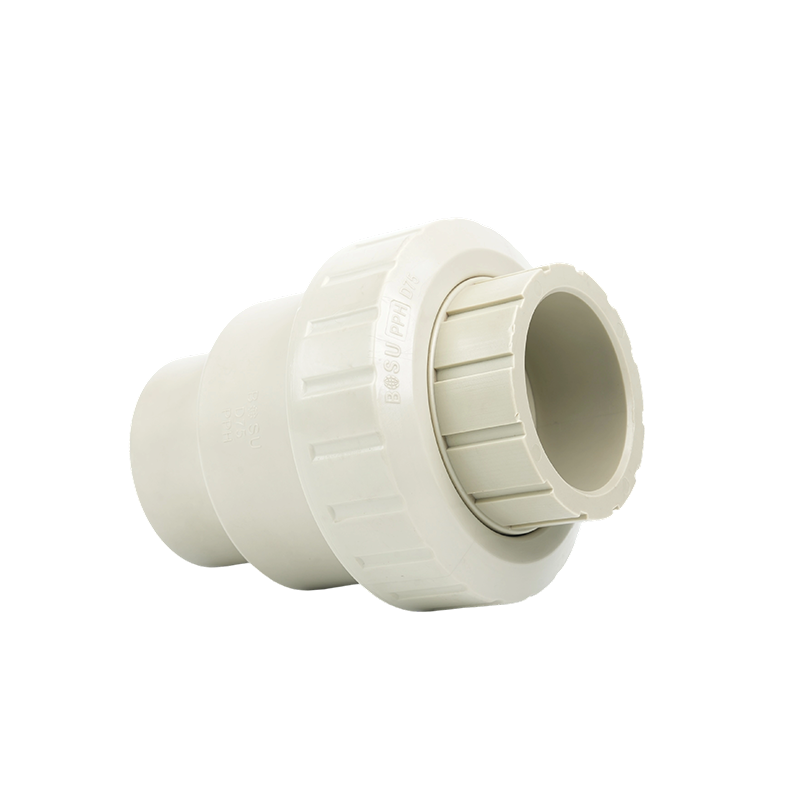
This valve features a compact structure, an aesthetically pleasing design, excel...
View More
This valve features a simple structure and high cost-effectiveness, with low fl...
View More
Flange check valve refers to a valve that automatically opens and closes the val...
View More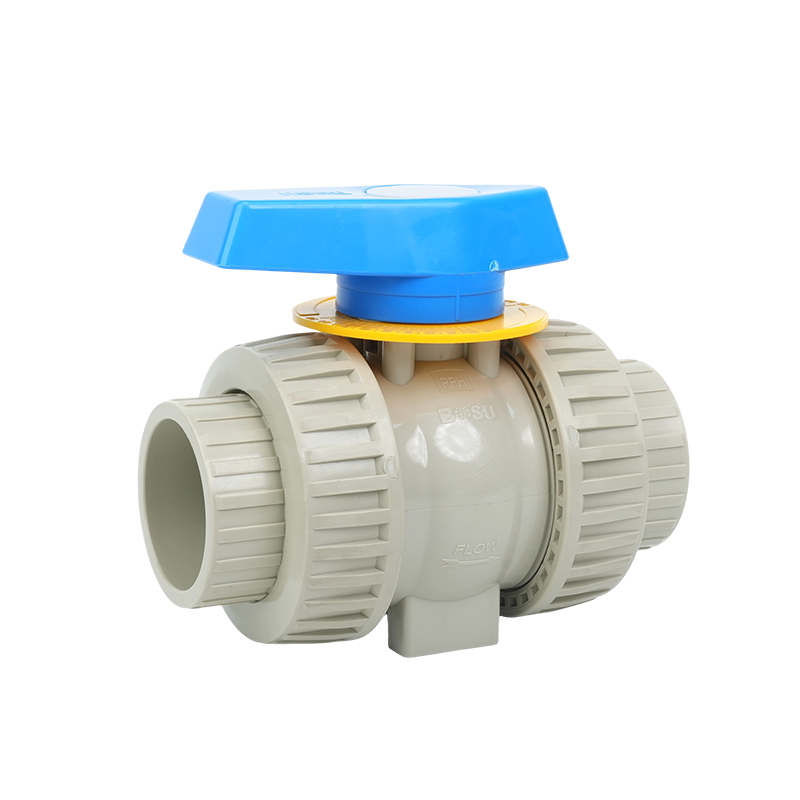
1. Product Features: Personalized handle indication function, install LOGO, medi...
View More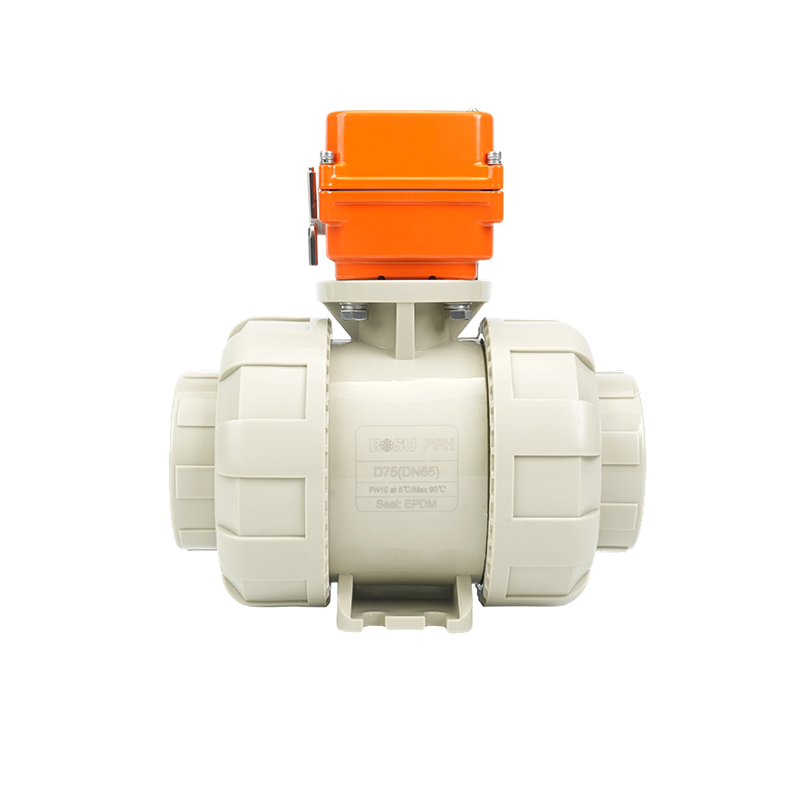
Product Features: Powered by electricity and actuated by an electric actuator, ...
View More
Products
Company Information
Address: No. 55 Haichuan Road, High-Tech Zone, Dongtai City, Jiangsu Province, China
Mobile: +86 137 7009 5258
Tel: +86-515-85479999
Email: [email protected]
We'd love to hear from you!
