 English
 中文简体
中文简体
β-PPH/PVC Union with EPDM/FPM Seal
Description: This thermoplastic union fitting connects pipes into a complete pip...
View MoreContent
If you're here because you searched "does PVC glue work on ABS," you've probably got a repair in front of you: a black ABS fitting, a can of PVC cement, and no time. The short answer is no. Standard PVC glue does not work on ABS as a durable, code-compliant joint. It can create a tacky hold for a while, but it will not solvent-weld ABS the way it welds PVC. To join ABS to PVC, use a listed transition cement or a mechanical coupling specifically designed for that transition.
The confusion is understandable because some cans say "all-purpose," and others are sold as transition cement. The words on the label matter more than the color of the can.
Solvent cement does not behave like ordinary glue. It softens the plastic surface, allowing polymer chains from the two pieces to knit together. That process is called solvent welding, and it only works when the solvent blend is chemically matched to the material.
PVC cement is formulated for polyvinyl chloride. ABS is a different thermoplastic made from acrylonitrile, butadiene, and styrene. The solvents in PVC cement do not aggressively soften ABS, so the result is a weak surface bond. In contrast, ABS cement can soften PVC too aggressively, leaving a brittle joint. Trying either one on the other is a recipe for premature failure.
Thermal expansion adds another layer of risk. ABS and PVC expand at different rates with temperature changes. A weak surface bond is stressed every time hot water runs through the pipe or the attic temperature changes, which is why these joints often fail only after months or years, not on the day they are made.
At the polymer level, ABS contains styrene and rubber tougheners that give it impact resistance. PVC is more polar and rigid. A solvent that dissolves PVC will not necessarily dissolve the styrene-butadiene matrix in ABS. That mismatch is why using the wrong cement leaves a joint that looks sealed on the outside but lacks the fused, monolithic structure of a proper weld.
Typical service life in non-pressurized drain/waste/vent applications, based on plumbing forum reports and contractor observations.
The exact time to failure depends on temperature, pipe movement, and how much water runs through the system. But the pattern is consistent: PVC glue on ABS is a temporary fix, not a permanent one.
The right method depends on whether the joint is pressurized and what your local plumbing code accepts. For most above-ground DWV repairs, a shielded coupling is the safest choice. For non-pressure drainage, a listed transition cement may be allowed if it clearly lists ABS and PVC as acceptable materials.
Buried joints need extra care. You cannot inspect a solvent joint once it is backfilled, so many plumbers choose a shielded coupling for buried transitions. The stainless steel sleeve provides visible, physical clamping and can be specified for direct burial.
| Method | How it works | Typical approval | Best use |
|---|---|---|---|
| Transition cement | Solvent blend that welds both ABS and PVC surfaces | DWV; check for ASTM D3138 listing | Drain, waste, and vent repairs where code allows |
| Shielded coupling | Rubber sleeve with stainless steel clamp ring | Pressure-rated options available | Above- or below-ground transitions for DWV and pressure |
| Flange adapters | Flanged ends bolted with a gasket | Same pressure rating as pipe | Industrial systems that need disassembly |
If your code allows a solvent-based transition, follow these steps carefully:
For pressure service, skip the solvent method. Use a shielded rubber coupling rated for the pressure, or use a flange adapter with a gasket. Solvent cements are overwhelmingly listed for drain, waste, and vent systems, not for pressurized lines.
The same principle that makes PVC glue fail on ABS extends to every plastic piping system. You cannot swap solvents or cements between resins and expect a durable connection. Each thermoplastic has approved joining methods, and those methods are part of the safety case for the system.
In industrial service, the stakes are higher because a failed joint can release a chemical or contaminate a process line. That is why specifiers rely on thermoplastic piping systems with clearly documented material and joining requirements.
If you work in chemical processing, water treatment, or semiconductor plants, the material conversation is even more direct. Our PPH pipes are specified for acid and alkali transfer and are joined by socket fusion or butt welding, not by solvent cement. For more aggressive conditions, PVDF pipes provide excellent purity and temperature resistance, and they too are heat-fused. Matching the pipe, fitting, and joining method is just as important as the material itself.
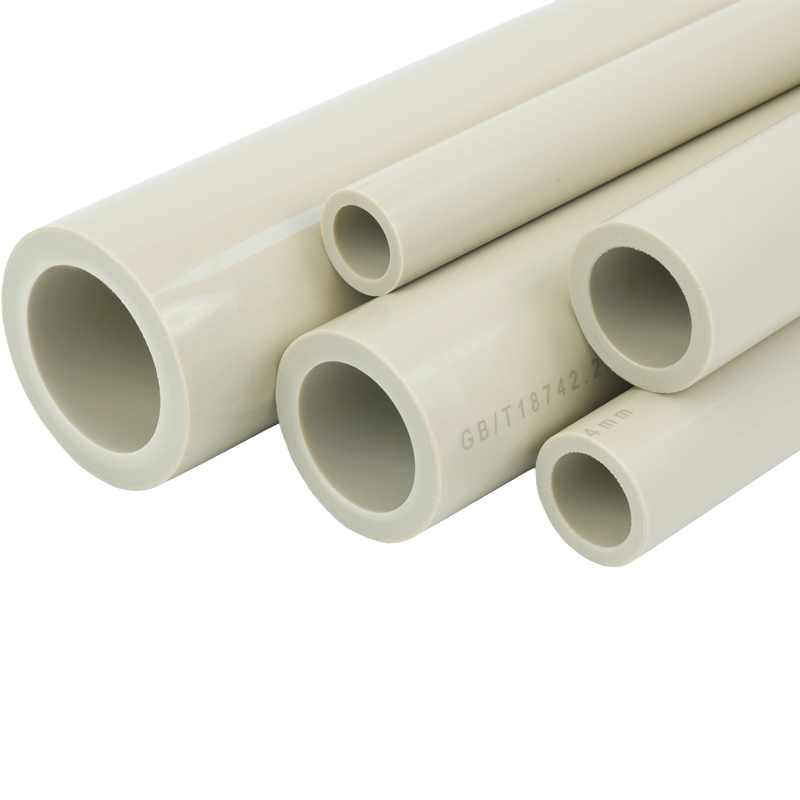 β-PPH Pipes 1.6 MPa Manufacturer, Supplier - Jiangsu Leiting Precision New MaterAs China β-PPH Pipes 1.6 MPa manufacturer and supplier, Jiangsu Leiting Precision New Material offers β-PPH Pipes 1.6 MPa for sale Produc...View Product →
When selecting pipe for a new system, check the pressure rating and the maximum operating temperature. A pipe that is correct for a cold water line may not be suitable for a 90°C chemical process. Suppliers who publish these values, and who offer matching fittings and valves, make the engineering decision much easier.
It may hold for a few years in a low-stress drain line, but temporary is not the same as trustworthy. The joint can fail without warning, leading to water damage and an unplanned repeat repair.
No. ABS cement is formulated for ABS and can soften PVC too aggressively, creating a weak or crazed joint. The rule works in both directions: use the cement made for the pipe material.
Not necessarily. A listed shielded coupling provides a mechanical grip and is often preferred for pressure and inaccessible joints. Transition cement is approved for non-pressure DWV in many areas, not for pressure lines.
Yes. CPVC needs its own CPVC cement. Using PVC cement on CPVC also creates an unreliable joint because the resin chemistry is different.
Does PVC glue work on ABS? Not for a joint you need to trust. The two plastics require different solvents, and ordinary PVC cement cannot give ABS the solvent weld it needs. For a repair that will last, use a listed transition cement for low-pressure DWV or a shielded coupling for pressure and peace of mind. When in doubt, ask your local plumbing inspector what is allowed in your area.
The same discipline that protects a residential DWV repair also protects a chemical plant: know your material, use the approved joining method, and never rely on a glue that was not designed for the plastic you are holding.
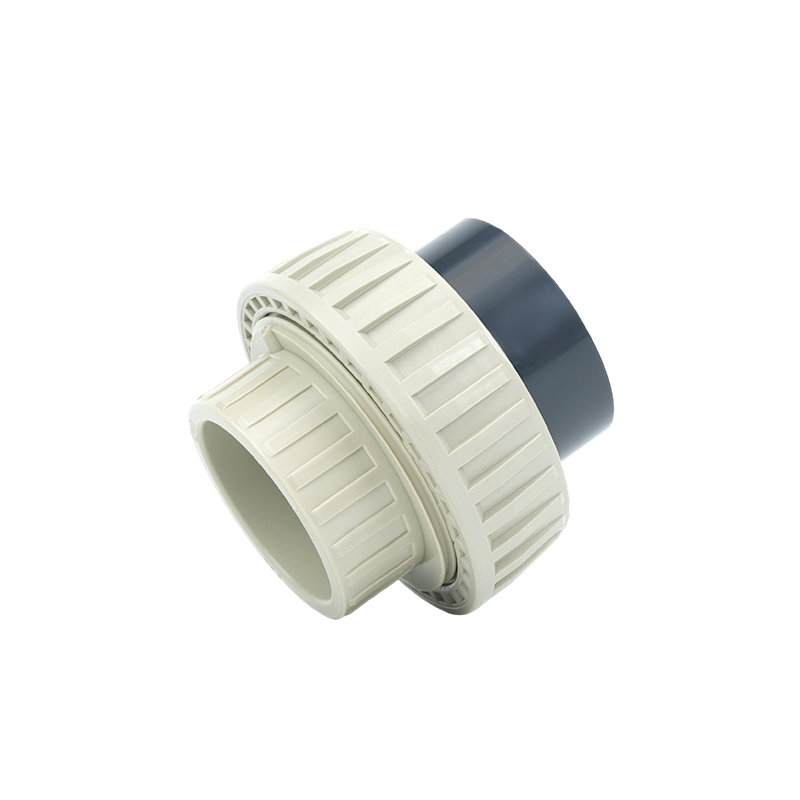
Description: This thermoplastic union fitting connects pipes into a complete pip...
View More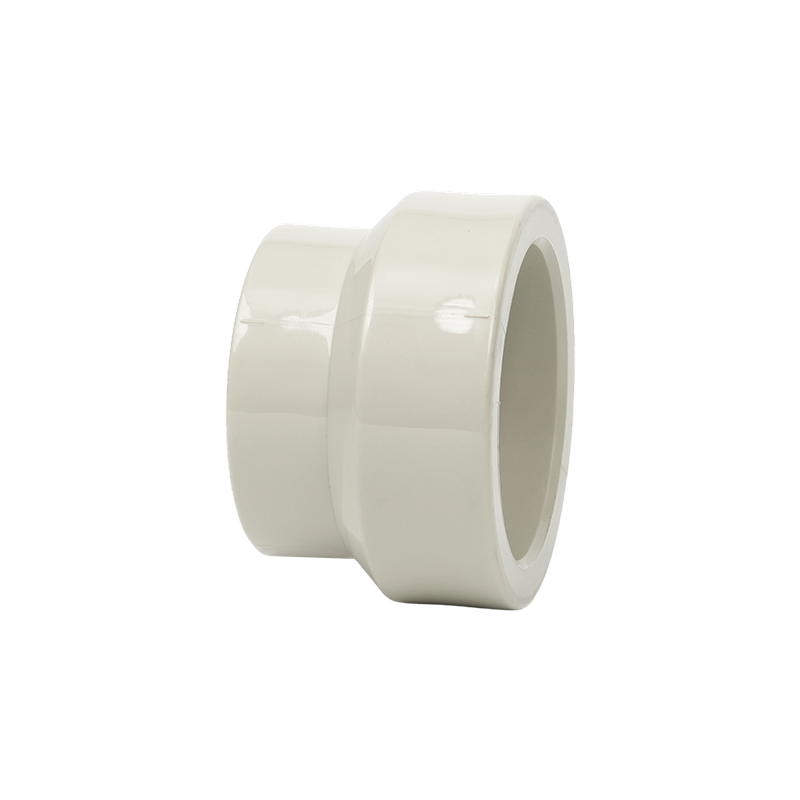
This fitting is designed to reduce flow disturbance during diameter transitions...
View More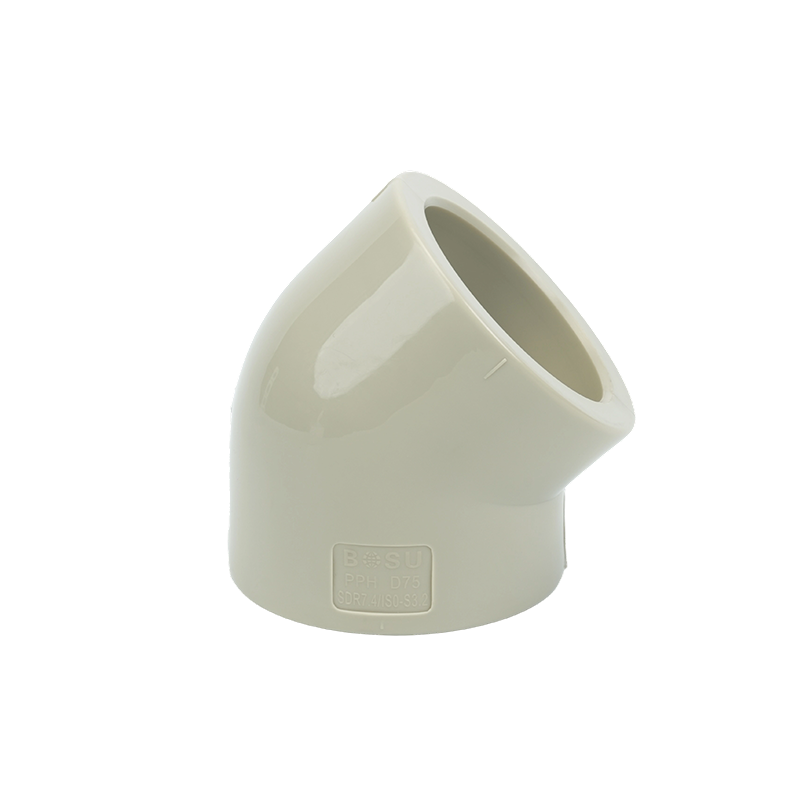
1.This fitting is used to change the direction of a pipeline at a 45-degree ang...
View More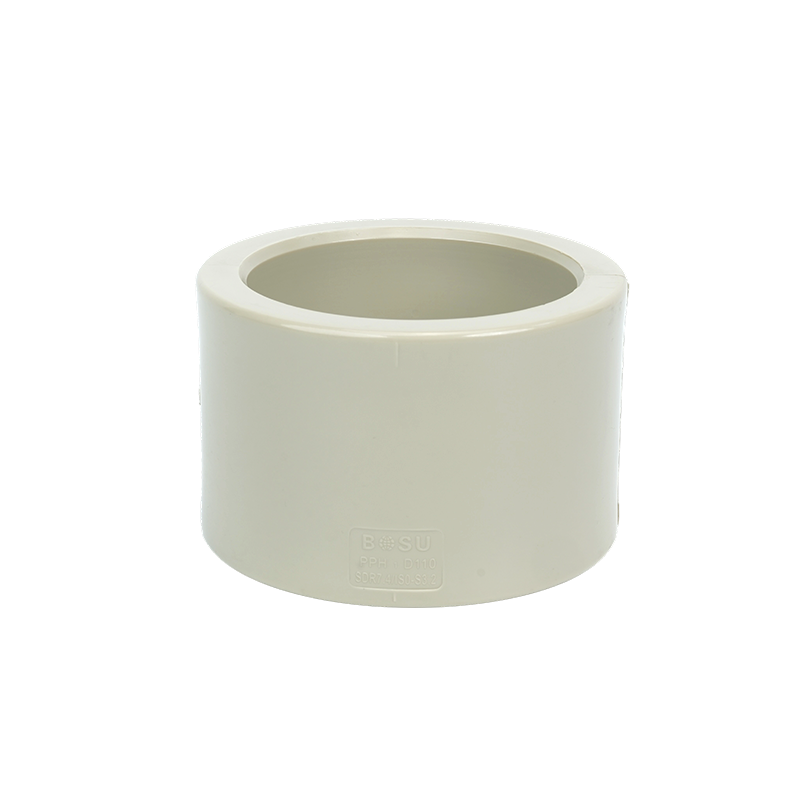
Used in piping systems requiring plain end connections. Specifications: DN15(D20...
View More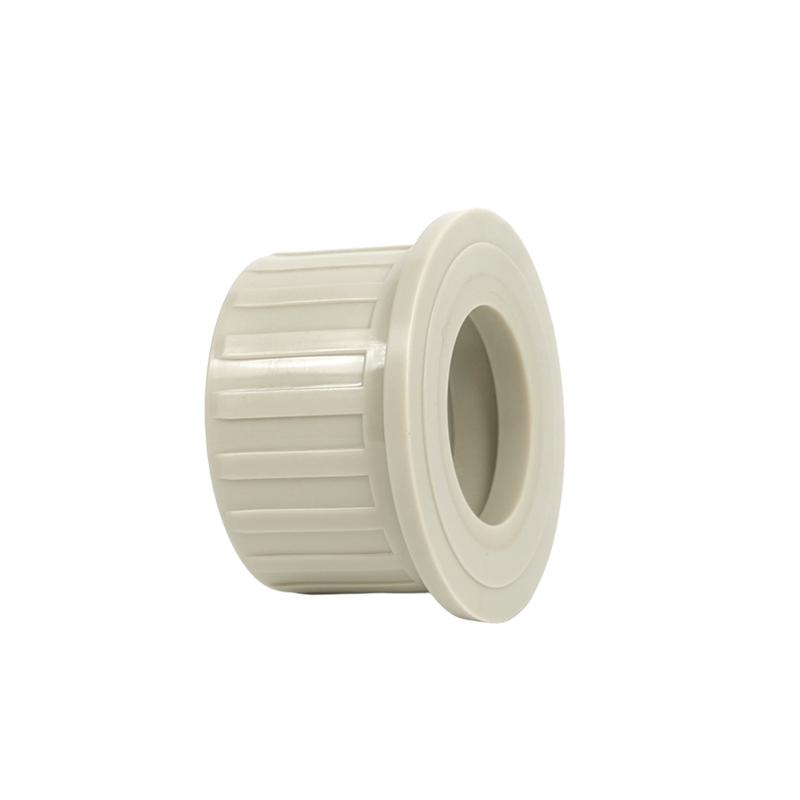
1. Durable, anti-corrosion, light weight, function as a closed pipeline, easy in...
View More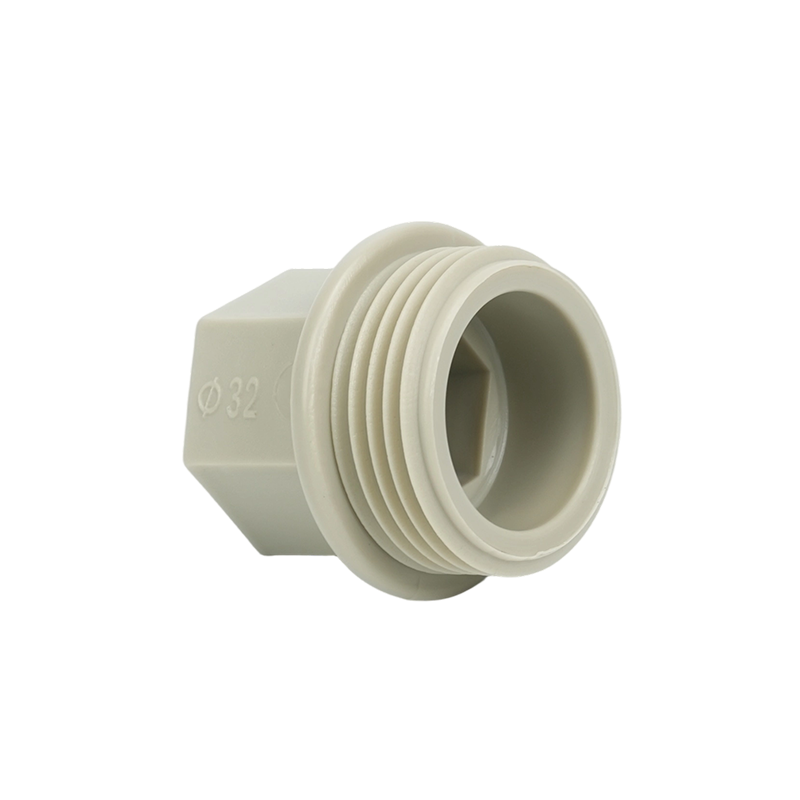
1. Durable, anti-corrosion, light weight, function as a closed pipeline, easy in...
View More
Products
Company Information
Address: No. 55 Haichuan Road, High-Tech Zone, Dongtai City, Jiangsu Province, China
Mobile: +86 137 7009 5258
Tel: +86-515-85479999
Email: [email protected]
We'd love to hear from you!
