 English
 中文简体
中文简体
β--PPH Flanged Ball Core Check Valve
Flange check valve refers to a valve that automatically opens and closes the val...
View MoreContent
When space is limited, butterfly valves are easier to install than ball valves. Their wafer or lug-style body clamps directly between two pipe flanges, requiring minimal face-to-face length and no extra support structures. For large-diameter plastic piping systems in particular, the butterfly valve's slim, lightweight profile makes it the practical first choice in confined mechanical rooms, underground installations, and retrofit projects.
The physical structure of a butterfly valve is fundamentally different from a ball valve. Instead of housing a spherical ball inside a thick body, a butterfly valve uses a thin rotating disc mounted on a central shaft. This means the valve body itself is much slimmer — often just a few centimeters of face-to-face length compared to the bulkier body of a comparable ball valve.
Several concrete advantages follow from this design when working in confined piping systems:
Research confirms this clearly: butterfly valves require only one-third of the installation space compared to gate valves, and they consistently outperform ball valves on spatial efficiency in large-diameter applications.
Ball valves do have a spatial advantage in one specific context: small pipe sizes. For diameters of 2 inches (DN50) or smaller, a threaded or socket-weld ball valve can be screwed directly into a pipe line without flanges at all. Under a sink, inside a wall cavity, or in a narrow utility panel, a compact plastic ball valve can fit into spots a butterfly valve's flanges would never reach.
Ball valves also deliver a tighter, bubble-tight shutoff and handle higher pressures — typically up to 150 PSI or more for plastic valve systems — making them the correct choice for small-bore, high-pressure lines where leakage cannot be tolerated, regardless of the space involved.
So the honest answer is context-dependent:
| Situation | Easier to Install in Tight Spaces | Reason |
|---|---|---|
| Large diameter pipes (DN200+) | Butterfly valve | Far lighter, slimmer body, wafer mounting |
| Small pipes (2 inches and below) | Ball valve | Threaded end connections, no flange required |
| Crowded mechanical rooms / HVAC | Butterfly valve | Slim profile, easy between-flange fit |
| Retrofit projects, limited access | Butterfly valve | Less installation envelope, lighter to handle |
| Under-sink or wall cavity | Ball valve | Compact threaded body, no flanges needed |
| High-pressure, zero-leak critical lines | Ball valve | Superior shutoff regardless of space |
Both butterfly valves and ball valves are available in plastic materials including PVC, CPVC, PP (polypropylene), and PVDF. Within plastic piping systems, the weight advantage of plastic butterfly valves over their metal counterparts is even more pronounced — making them especially practical where manual handling in confined areas is required.
Plastic butterfly valves made from PP or PVDF resist a wide range of acids, alkalis, and corrosive chemicals, which is why they appear frequently in chemical processing, water treatment, and semiconductor manufacturing piping systems. Their corrosion resistance also reduces long-term maintenance needs, which is a secondary benefit when the valve is located in a hard-to-reach space.
Plastic ball valves, meanwhile, remain the dominant choice in smaller-bore plastic piping for their leak-proof performance and ease of operation. A quarter-turn PVC ball valve with a socket-fusion or threaded end connection can be installed in minutes without special tools, making them ideal for retrofit situations where a pipe already runs through a wall or floor.
Whether you are working with a butterfly valve or a ball valve in a tight spot, a few practices consistently lead to better outcomes:
For engineers and contractors working with plastic piping and valve systems, the decision tree is relatively straightforward:
The plastic valve series available for industrial piping products covers both categories. Choosing the right valve type upfront, matched to the actual pipe size, pressure rating, and available installation space, avoids costly retrofits and ensures long-term reliability in the piping system.
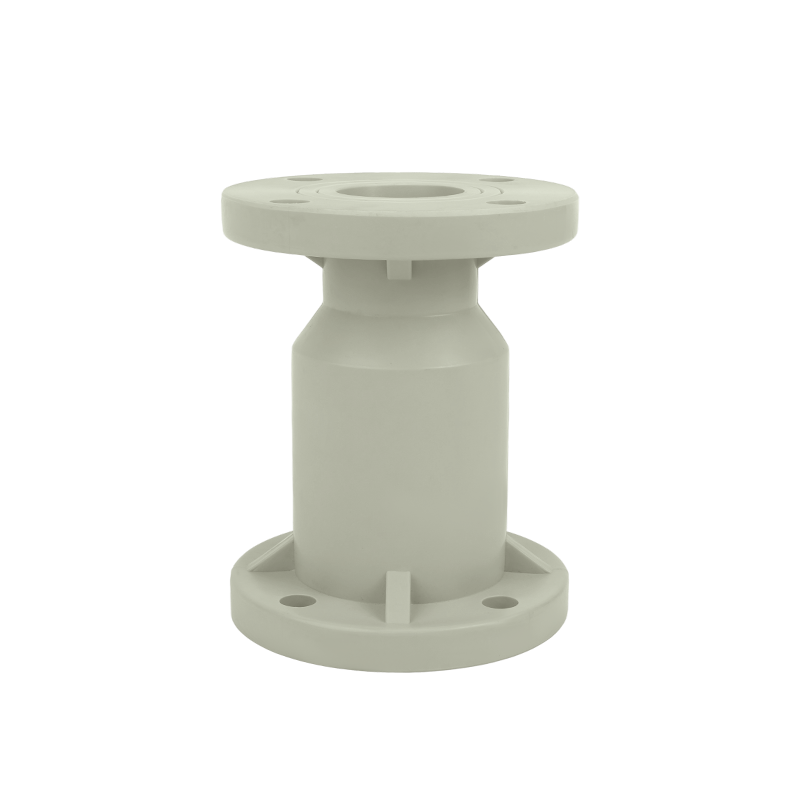
Flange check valve refers to a valve that automatically opens and closes the val...
View More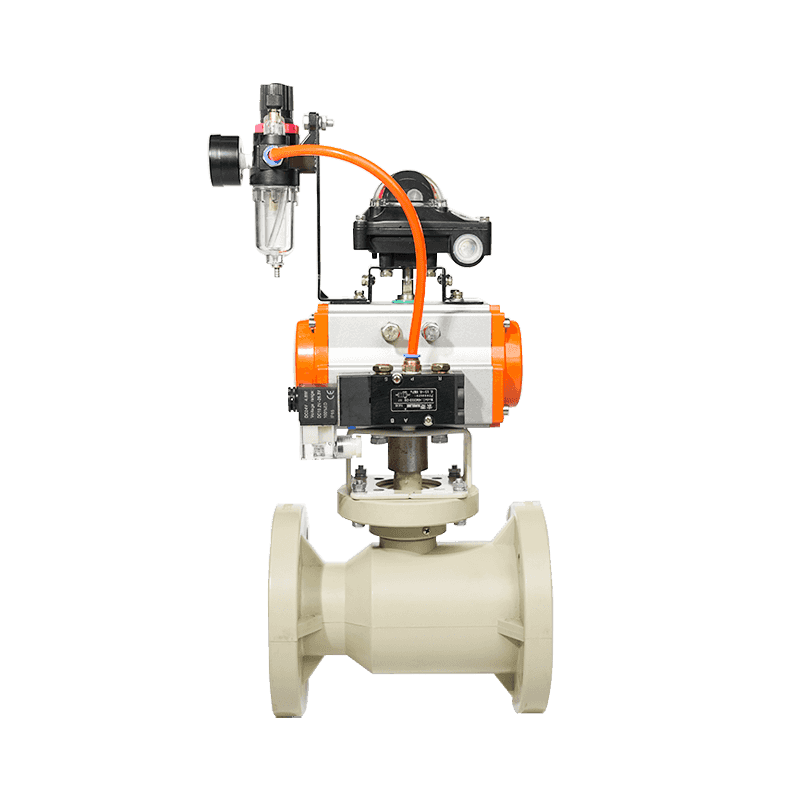
The pneumatic actuator operates at a very high speed, which significantly reduc...
View More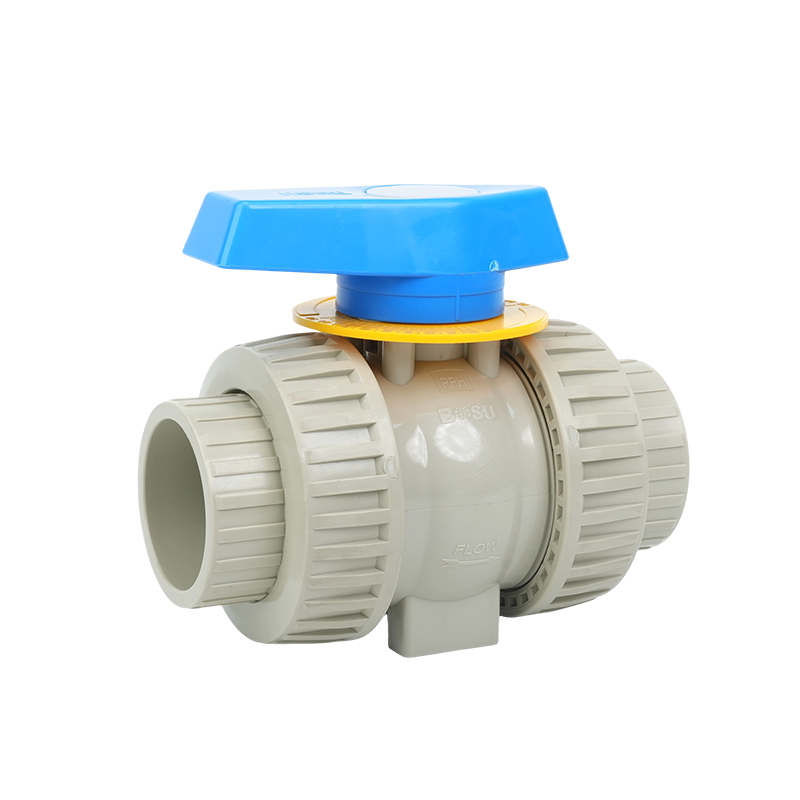
1. Product Features: Personalized handle indication function, install LOGO, medi...
View More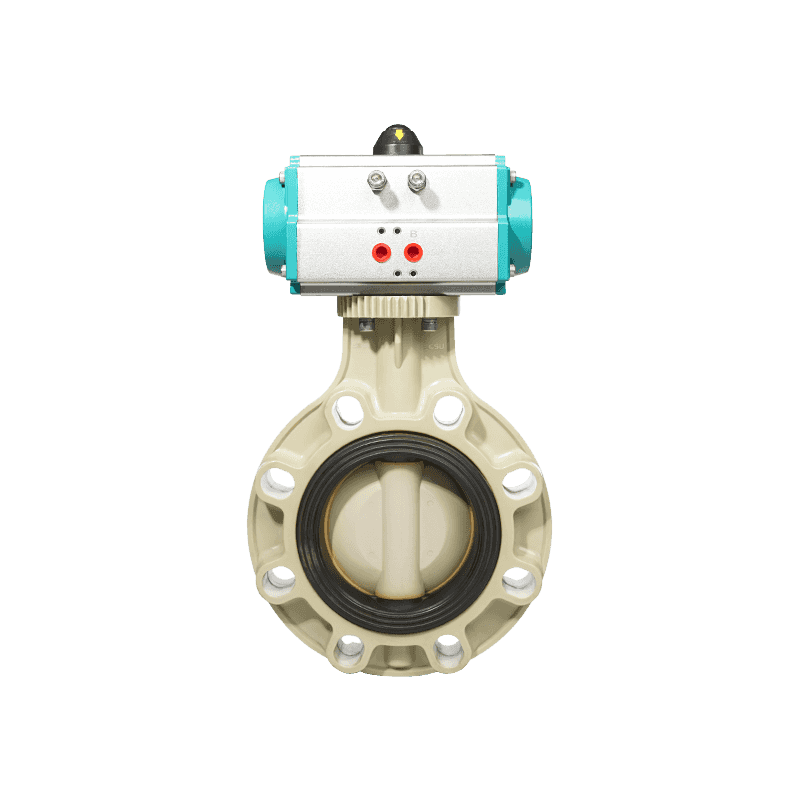
It is suitable for regulating flow, pressure, and temperature in industrial aut...
View More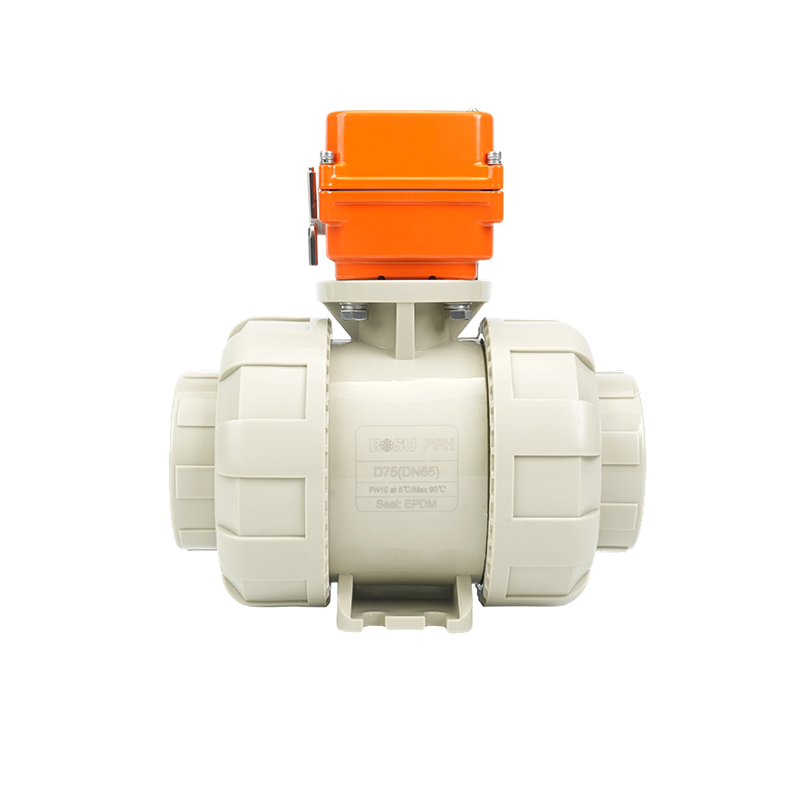
Product Features: Powered by electricity and actuated by an electric actuator, ...
View More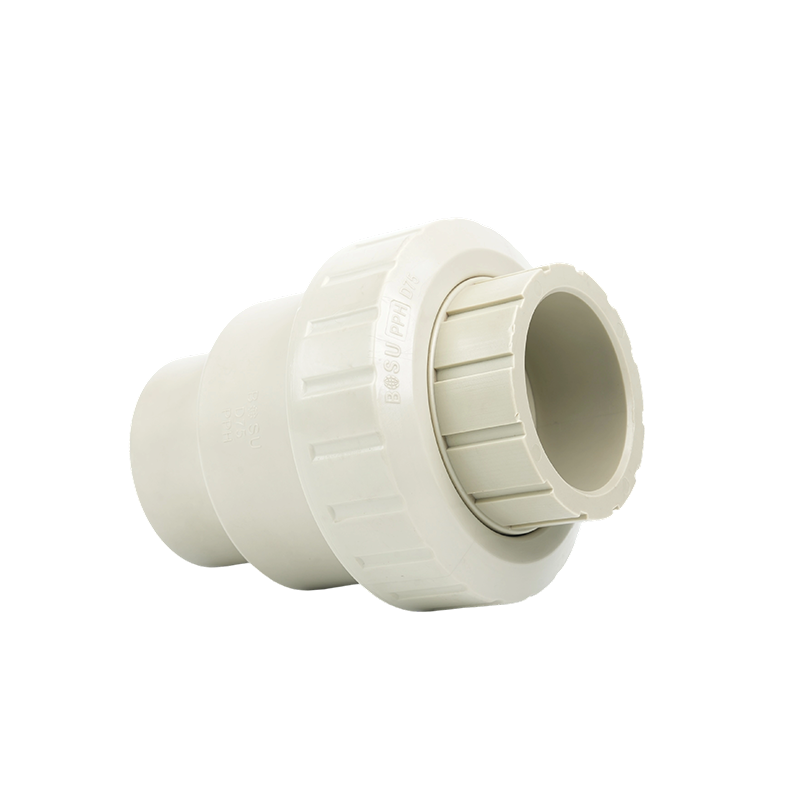
This valve features a compact structure, an aesthetically pleasing design, excel...
View More
Products
Company Information
Address: No. 55 Haichuan Road, High-Tech Zone, Dongtai City, Jiangsu Province, China
Mobile: +86 137 7009 5258
Tel: +86-515-85479999
Email: [email protected]
We'd love to hear from you!
