English
 中文简体
中文简体
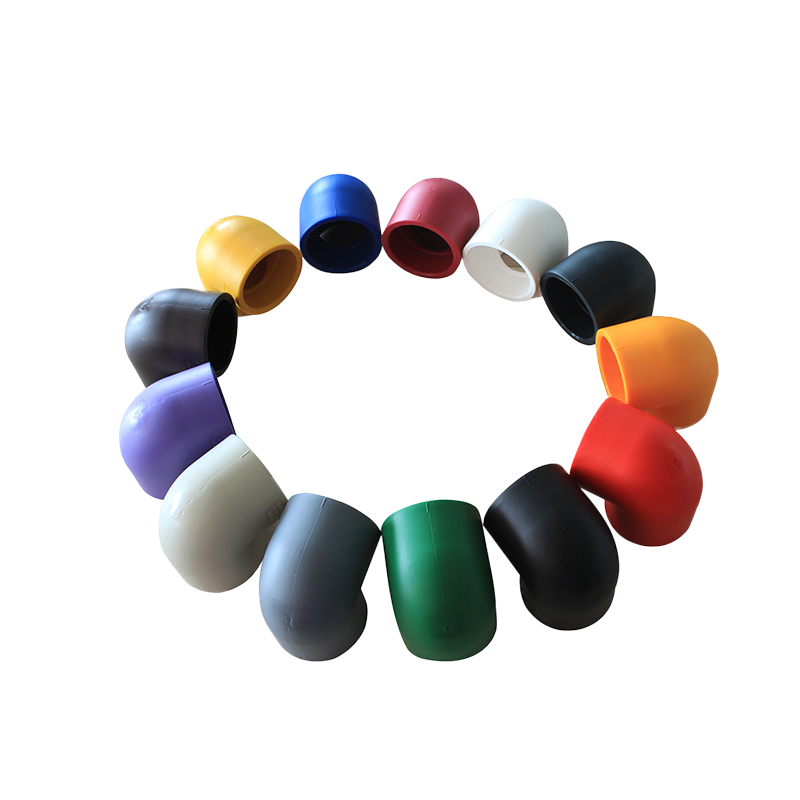
β--PPH Plain End Thermo-fusion Socket Pipe Fittings 1.6MPa
Used in piping systems requiring plain end connections. Specifications: DN15(D20...
View MoreContent
Plastic pipe fitting series are irreplaceable fundamental components in modern pipeline systems. In building water supply and drainage, gas transmission, and electrical conduit applications, pipe fittings made from PE, PP, PVC, PVDF, and other polymer materials have gradually replaced traditional metal fittings to become the industry standard configuration, thanks to their lightweight nature (density only 1/8 to 1/4 that of steel), corrosion resistance (capable of withstanding media in the pH 1-14 range), and construction convenience (hot-melt or adhesive connections improving efficiency by over 50%). When selecting fittings, priority should be given to matching material types based on media characteristics, pressure ratings (typically 1.0-2.5MPa), and temperature ranges (-40°C to +150°C), rather than simply comparing costs.
| Material | Max Temperature | Typical Pressure Rating | Chemical Resistance | Application Scenarios |
|---|---|---|---|---|
| PVC | 60°C | 1.0-1.6MPa | Excellent (acids, alkalis, salts) | Drainage, wire protection |
| PE (Polyethylene) | 80°C | 0.6-1.0MPa | Good (non-oxidizing acids) | Gas, municipal water supply |
| PP (Polypropylene) | 95°C | 1.0-2.5MPa | Superior (organic solvents) | Chemical fluids, hot water pipes |
| PVDF | 150°C | 1.6-2.5MPa | Outstanding (strongly corrosive media) | Semiconductor, photovoltaic processes |
Determining the pressure, temperature, and chemical resistance of plastic pipe fitting series requires combining three sources of evidence: Material Data Sheets (TDS) for yield strength and Long-Term Hydrostatic Strength (LTHS), actual testing certifications (such as ISO 4427 requiring 1000-hour hydrostatic tests at 1.5 times the rated pressure), and industry certification marks (CE, UL, ISO9001, etc.). For example, PE-RT materials have a temperature range of -40°C to +95°C, while PVDF shows a mass loss rate below 0.1% after 30 days of immersion in concentrated sulfuric acid (98%). These data points directly determine fitting reliability under specific operating conditions.
In hot and cold water distribution, PP-R tees, elbows, and flanges dominate the market. Their hot-melt connections achieve molecular-level fusion at 260°C±10°C, with joint strength approaching that of the base material. Sewage and rainwater systems commonly use PVC or HDPE fittings, with HDPE double-wall corrugated pipe accessories offering a service life exceeding 50 years in municipal drainage applications. For sanitary fixture connections, quick-connect flange caps are recommended, reducing installation time by 30%-40%.
Urban gas pipeline networks demand the highest safety standards. PE100-grade fittings in SDR11 (Standard Dimension Ratio) specifications can withstand working pressures of 0.4MPa, with excellent resistance to slow crack growth (SCG tests exceeding 500 hours). In industrial gas applications, metal-lined plastic composite fittings combine the pressure resistance of metal with the corrosion resistance of plastic, achieving cleanliness levels of Class 1000 in semiconductor high-purity gas lines.
In cable protection applications, flame-retardant PVC fittings must comply with IEC 61386 and GB/T 20041 standards, with an oxygen index of 32% or higher. Plastic elbows and tees used at cable tray turns allow bending radii controlled within 6-10 times the cable outer diameter, preventing signal attenuation. In fire scenarios, compliant flame-retardant plastic fittings can maintain structural integrity for over 30 minutes at 750°C, providing critical time for evacuation.
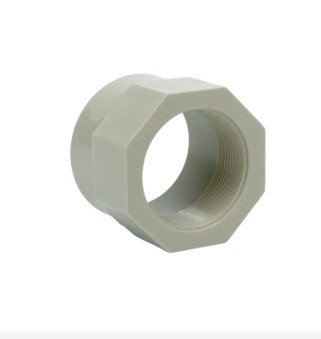
Plastic pipe fitting series can be classified into five functional categories, each playing a specific role in pipeline systems:
The connection method for plastic pipe fitting series directly impacts system sealing integrity and lifespan. Hot-melt connections (for PE, PP) require heating plate temperatures controlled within ±5°C of the material melting point. For example, PP-R fusion temperature is 260°C, with fusion depth reaching 1.2-1.5 times the pipe wall thickness. Adhesive connections (for PVC) require uniform glue application on both pipe and fitting socket, with insertion completed within 15-30 seconds and a curing time of no less than 24 hours before pressure testing. Electrofusion connections use built-in resistance wire heating and are suitable for large diameters (DN>110mm) or space-constrained conditions.
Pressure testing is mandatory after installation. According to GB/T 10002 standards, hydrostatic test pressure should be 1.5 times the design pressure, with a holding time of no less than 30 minutes and pressure drop not exceeding 0.05MPa. Pneumatic test pressure is 1.15 times the design pressure, with foaming agent applied to all joints for leak detection. For gas pipelines, 100% non-destructive testing (ultrasonic or X-ray) is also required to ensure fusion surfaces are free of bubbles, inclusions, and other defects.
Plastic pipe fitting series may face three typical problems during long-term use: thermal aging (manifested as surface chalking and strength degradation), chemical stress cracking (occurring in surfactant or grease environments), and mechanical damage (caused by external impact or ground settlement). For thermal aging, adding UV stabilizers and antioxidants can extend PP fitting service life in outdoor environments from 5 years to over 20 years. Chemical stress cracking can be avoided by selecting HDPE materials with higher Environmental Stress Crack Resistance (ESCR) grades, such as PE100-RC, which offers 3-5 times better slow crack growth resistance than standard PE80.
Routine maintenance should establish an inspection schedule focusing on support spacing (plastic pipes typically require support spacing at 60%-70% of that for metal pipes), compensator expansion status, and valve operational flexibility. For buried pipelines, ground settlement monitoring and anti-corrosion layer integrity testing are recommended every 3-5 years to detect and address potential issues promptly.
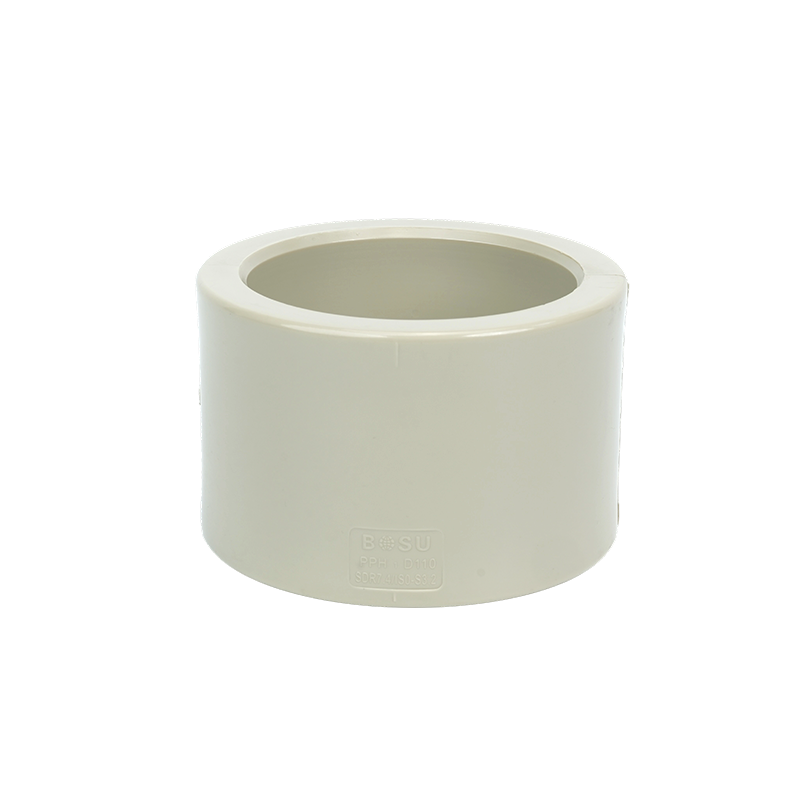
Used in piping systems requiring plain end connections. Specifications: DN15(D20...
View More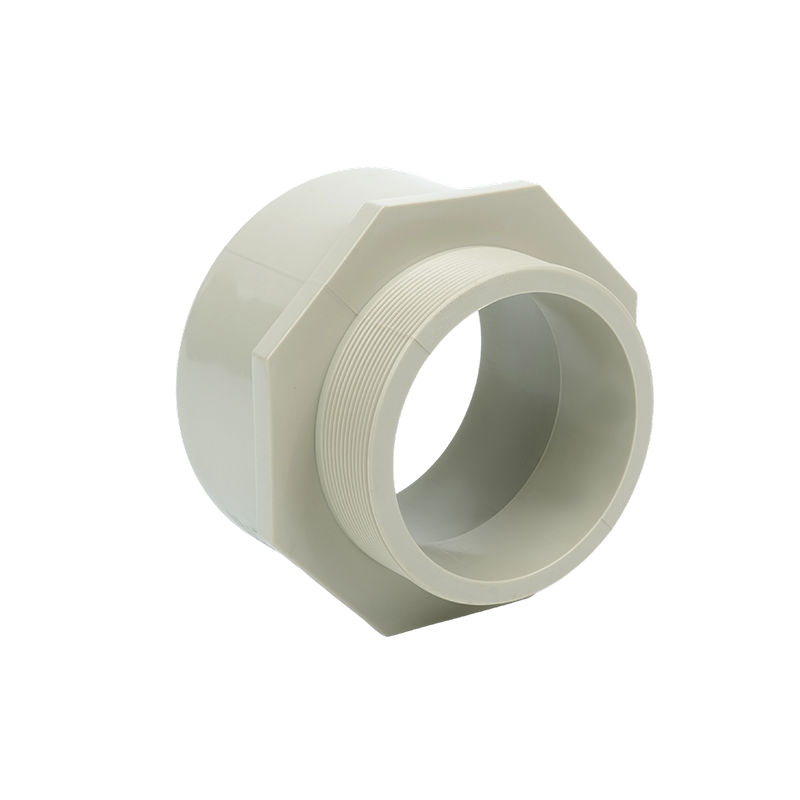
1. Easy operation, reliable connection, high pressure resistance, good sealing, ...
View More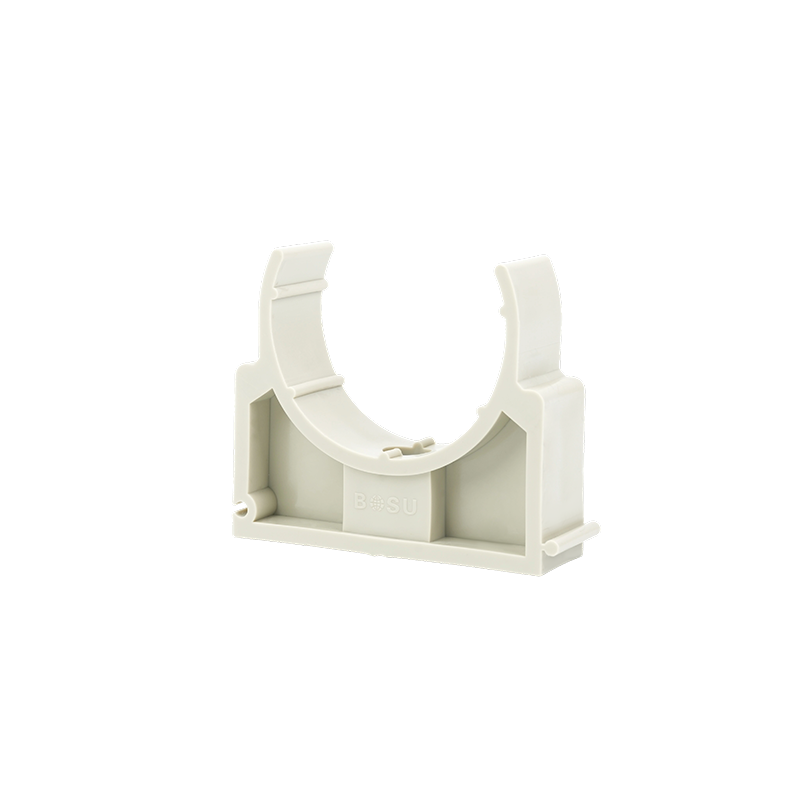
Product Specifications: DN15 (D20), DN20 (D25), DN25 (D32), DN32 (D40), DN40 (D5...
View More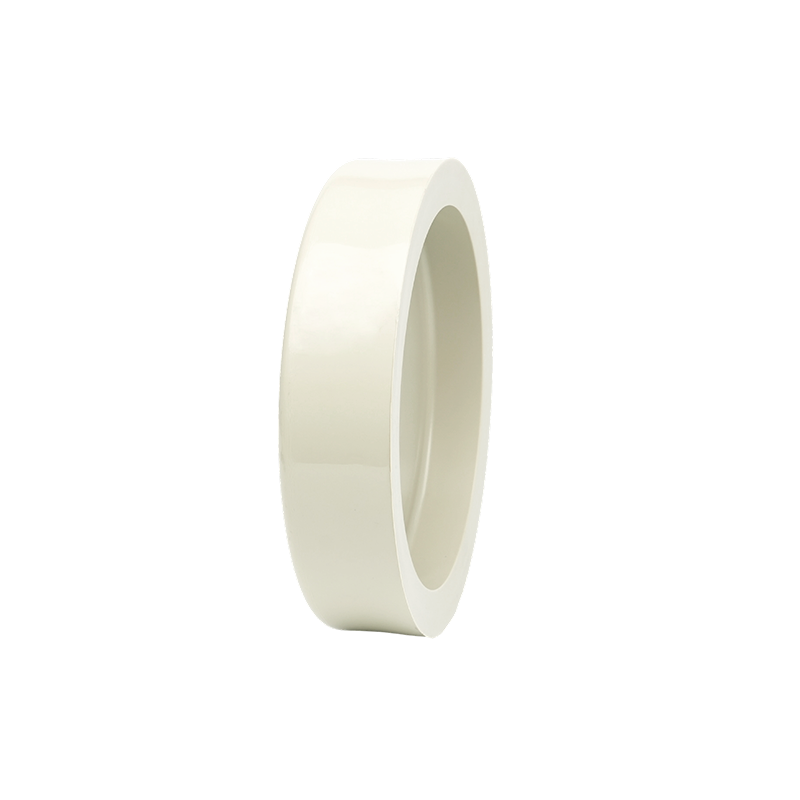
1. In addition to its basic closure function, the pipe cap can also be used for ...
View More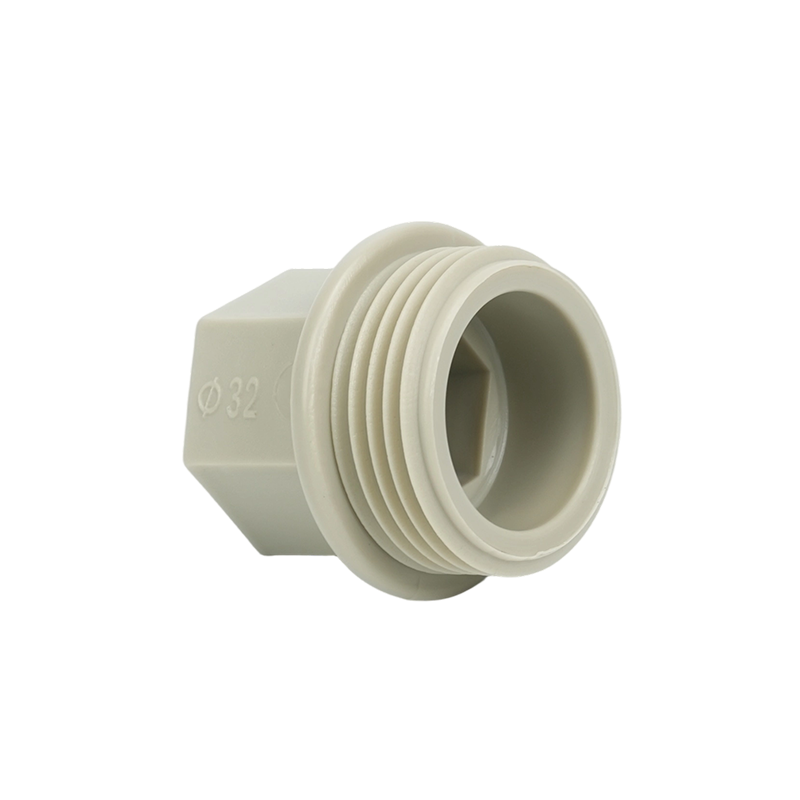
1. Durable, anti-corrosion, light weight, function as a closed pipeline, easy in...
View More
Products
Company Information
Address: No. 55 Haichuan Road, High-Tech Zone, Dongtai City, Jiangsu Province, China
Mobile: +86 137 7009 5258
Tel: +86-515-85479999
Email: [email protected]
We'd love to hear from you!