 English
 中文简体
中文简体
β-- PPH Swing Check Valve
Product Features: The pressure drop from the inlet to the outlet is very low. T...
View MoreContent
A check valve is a valve designed to allow media to flow in only one direction while automatically preventing backflow. It does not require manual operation and opens or closes based on fluid pressure. It is widely used in water supply systems, industrial pipelines, pump stations, and chemical transfer systems.
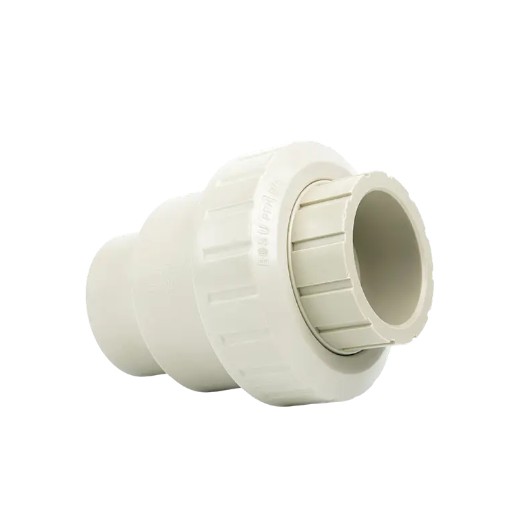
When liquid, gas, or steam flows in the intended direction, inlet pressure pushes the disc or flap open, allowing media to pass through the pipeline. The more stable the flow, the smoother the valve remains in the open position.
When equipment stops or pressure drops and reverse flow occurs, the valve closes quickly through gravity, spring force, or back pressure. This prevents contamination, backflow, and equipment damage.
This is the most important purpose of a check valve. For example, when a pump stops, water in the pipeline may flow backward into the pump if no check valve is installed.
In pump and compressor systems, check valves help reduce impeller reverse rotation, mechanical shock, and abnormal vibration. In some systems, failure rates can be reduced by more than 20%.
Quick-closing check valves help reduce pressure surges and sudden impact loads that may damage pipes, fittings, and joints.
| Type | Features | Typical Use |
|---|---|---|
| Lift Check Valve | Good sealing, vertical disc movement | Clean media, small pipelines |
| Swing Check Valve | Low flow resistance, wide opening angle | Water supply, large pipelines |
| Dual Plate Check Valve | Compact design, fast closing | Limited installation space |
| Spring Check Valve | Fast response, automatic reset | Pump outlets, frequent start-stop systems |
Water, wastewater, corrosive liquids, steam, and gas require different body materials and sealing structures. Always match the valve to the media properties.
Horizontal pipelines often use swing or lift check valves, while vertical pipelines are better suited for spring-loaded or guided designs.
Larger pipe sizes and higher system pressure require stronger valve bodies and better sealing performance. Selection should match actual operating conditions.
Although simple in structure, check valves play a critical role in pipeline systems. By automatically preventing backflow, protecting equipment, and stabilizing operation, they improve safety and efficiency. Choosing the right type, material, and installation method can significantly reduce maintenance risks and extend equipment life.
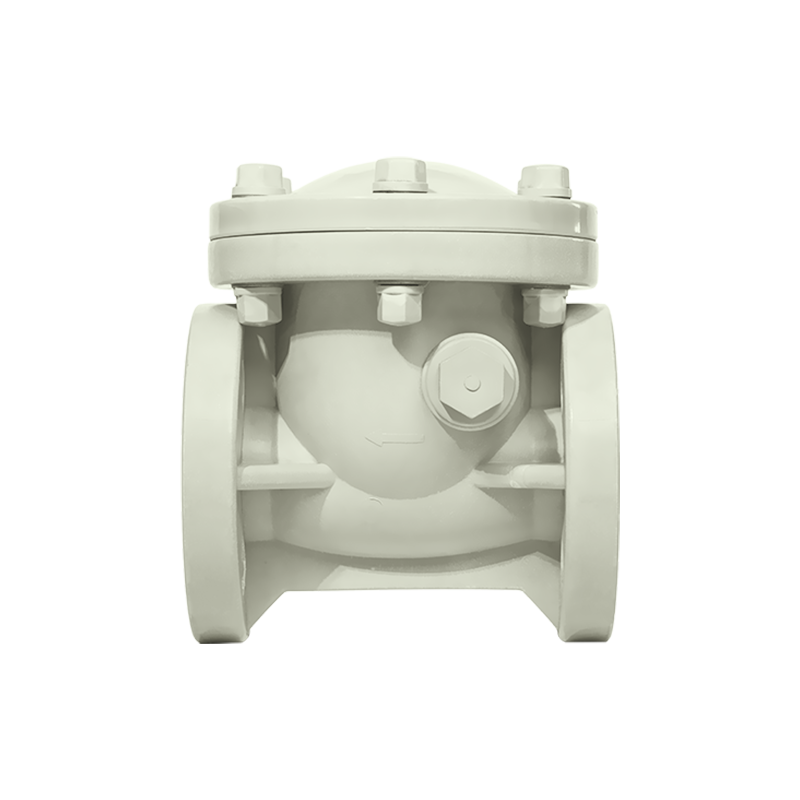
Product Features: The pressure drop from the inlet to the outlet is very low. T...
View More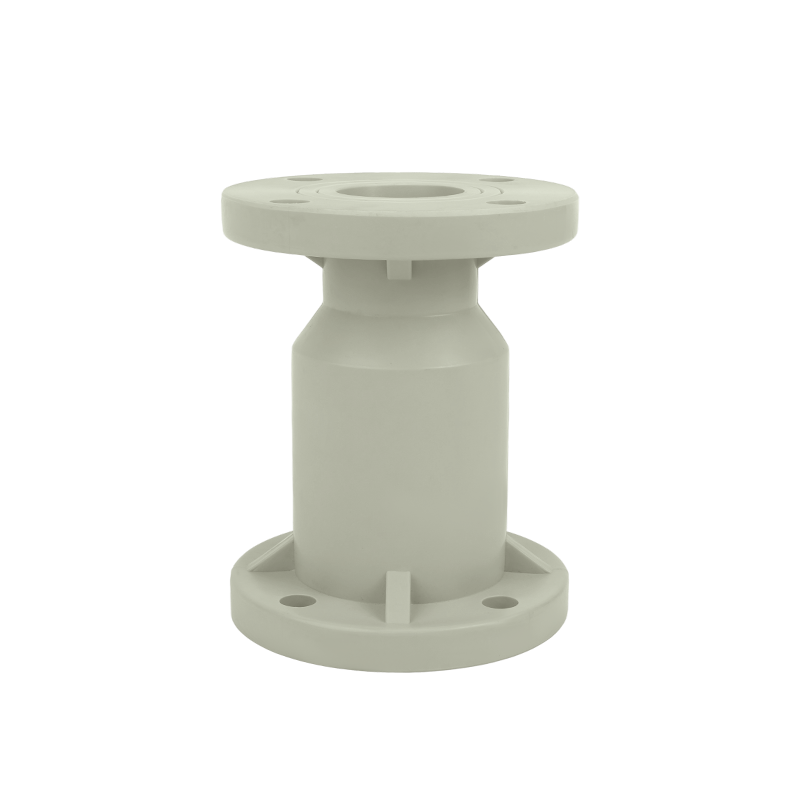
Flange check valve refers to a valve that automatically opens and closes the val...
View More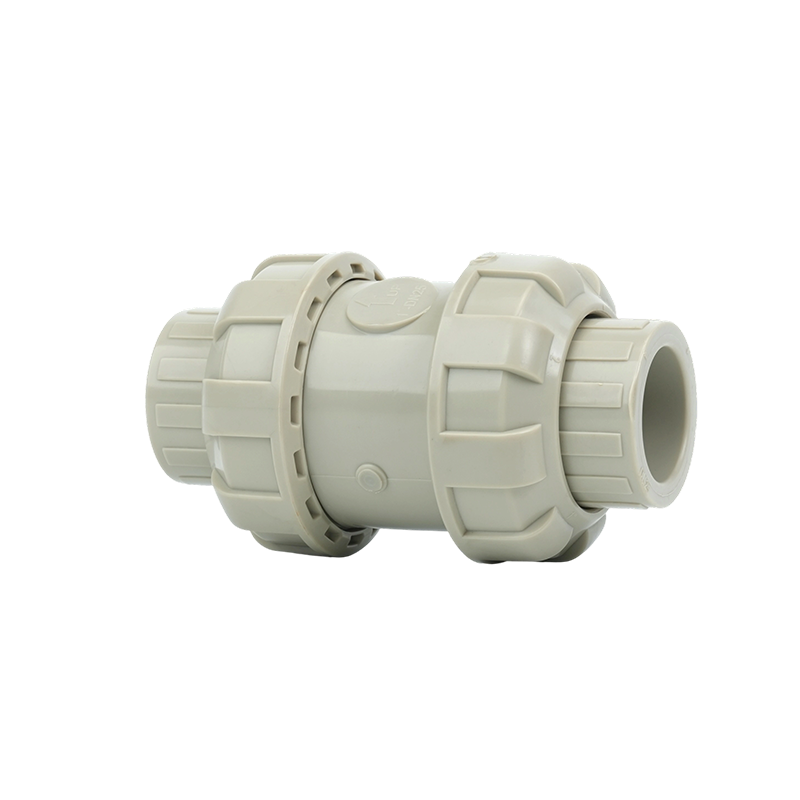
This valve features a simple structure and high cost-effectiveness, with low fl...
View More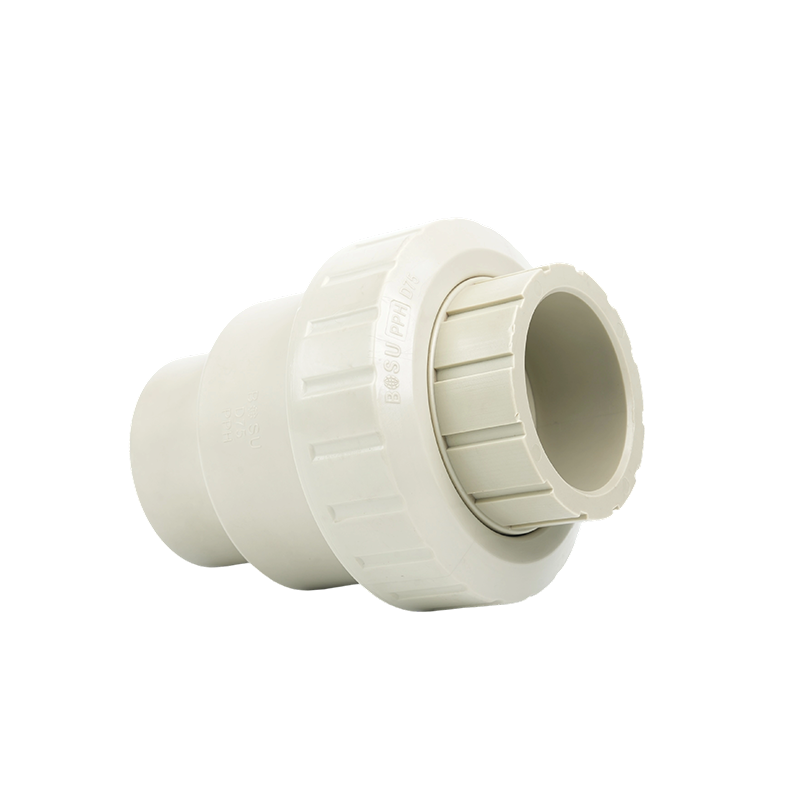
This valve features a compact structure, an aesthetically pleasing design, excel...
View More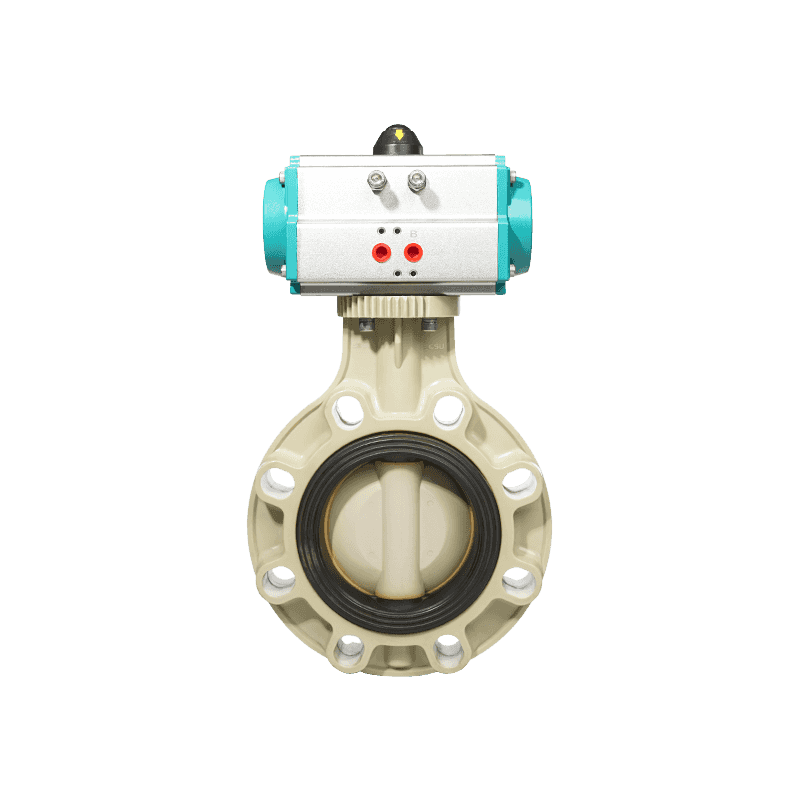
It is suitable for regulating flow, pressure, and temperature in industrial aut...
View More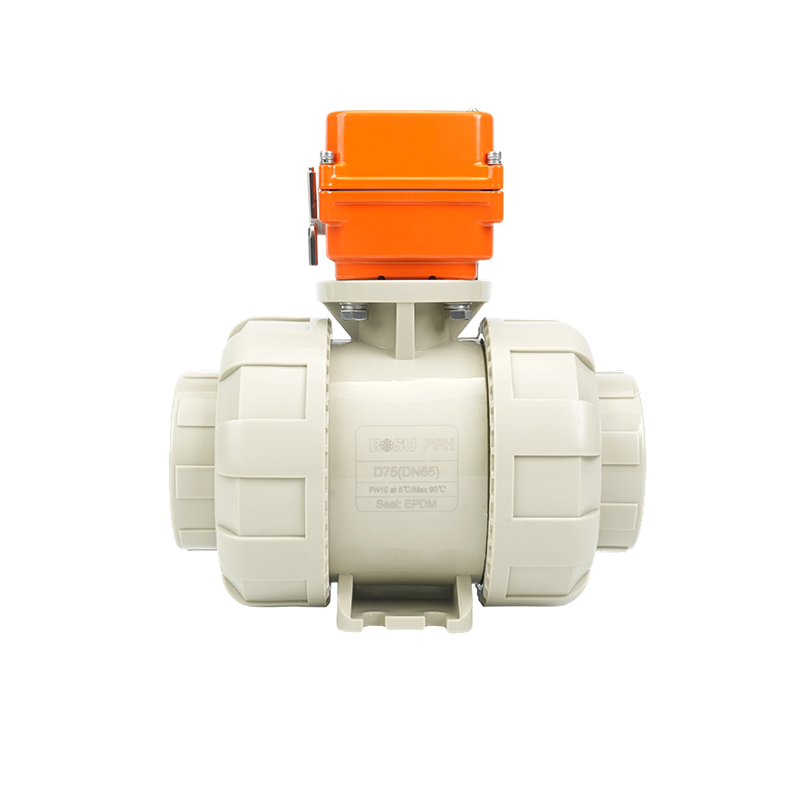
Product Features: Powered by electricity and actuated by an electric actuator, ...
View More
Products
Company Information
Address: No. 55 Haichuan Road, High-Tech Zone, Dongtai City, Jiangsu Province, China
Mobile: +86 137 7009 5258
Tel: +86-515-85479999
Email: [email protected]
We'd love to hear from you!
