English
 中文简体
中文简体
PPN Pipes 1.0MPa
Product Specifications: DN15 (D20), DN20 (D25), DN25 (D32), DN32 (D40), DN40 (D5...
View MoreContent
PPN pipes (Polypropylene Random Copolymer pipes) primarily function as high-performance conduits for transporting hot and cold water, chemicals, and compressed air in residential, commercial, and industrial systems. Their molecular structure delivers exceptional thermal resistance up to 95°C for long-term operation and 110°C for short-term exposure, making them superior to conventional PVC alternatives.
The random copolymer structure of PPN provides 50-year service life expectancy under standard operating conditions. Unlike metal pipes, PPN eliminates electrochemical corrosion, reducing maintenance costs by approximately 60-70% over the system lifecycle.
PPN pipes dominate modern home installations, handling potable water distribution with zero toxicity and no heavy metal leaching. Their smooth inner surface (roughness coefficient of 0.007 mm) reduces pressure loss and prevents scale buildup, maintaining flow efficiency for decades.
Industrial facilities utilize PPN for chemical transport, compressed air systems, and HVAC applications. The material withstands pH ranges from 1 to 14, accommodating aggressive chemical environments where metal pipes would corrode within months.
Underfloor heating and radiator connections benefit from PPN's thermal expansion coefficient of 0.15 mm/m·K, which is significantly lower than standard PP-H pipes. This dimensional stability prevents joint stress and leakage in temperature-cycling environments.
PPN pipes outperform competing materials across critical performance metrics. The following comparison illustrates key differentiators:
| Property | PPN Pipes | PVC Pipes | Metal Pipes |
|---|---|---|---|
| Max Operating Temp | 95°C | 60°C | Variable |
| Service Life | 50 years | 25-30 years | 20-40 years |
| Corrosion Resistance | Excellent | Good | Poor |
| Installation Weight | 0.9 kg/m (DN25) | 1.2 kg/m | 3.5+ kg/m |
PPN pipes utilize heat fusion joining, creating monolithic, leak-free systems with joint strength exceeding 90% of base material tensile strength. This eliminates mechanical joint failures common in threaded or glued systems.
Available diameters range from 20mm to 160mm, accommodating flow rates from 0.5 L/s to 120 L/s. The material's flexibility allows bending radii of 8× pipe diameter, reducing fitting requirements by 30-40% compared to rigid piping systems.
Standard PPN pipes operate at PN10 (1.0 MPa), PN16 (1.6 MPa), and PN20 (2.0 MPa) pressure classes. At 20°C, PN20 pipes withstand 20 bar continuous pressure, derating linearly to 10 bar at 60°C.
Yes. PPN meets NSF/ANSI 61 and WRAS certifications for potable water. The material does not support bacterial growth and maintains water quality without taste or odor contamination.
For every 10°C temperature increase, PPN expands 1.5mm per meter. Expansion loops or flexible joints every 15-20 meters accommodate this movement without system stress.
PPN (Polypropylene Random Copolymer Type 3) and PPR refer to the same material class. Type 3 random copolymer contains 3-7% ethylene randomly distributed in the polypropylene chain, optimizing impact strength and transparency compared to homopolymer alternatives.
PPN pipes reduce total installation costs by 25-35% compared to copper systems through:
Energy consumption during PPN production is 70% lower than metal pipe manufacturing, contributing to LEED certification points in green building projects.
Match PPN specifications to functional requirements using these criteria:
| Application | Recommended SDR | Pressure Class | Key Function |
|---|---|---|---|
| Cold Water Supply | SDR 11 | PN10 | Cost efficiency |
| Hot Water (70°C) | SDR 7.4 | PN16 | Thermal resistance |
| Heating Systems | SDR 6 | PN20 | High pressure/temp |
| Industrial Chemicals | SDR 11 | PN16 | Chemical inertness |
SDR (Standard Dimension Ratio) indicates wall thickness relative to diameter—lower SDR values provide higher pressure resistance but at increased material cost.
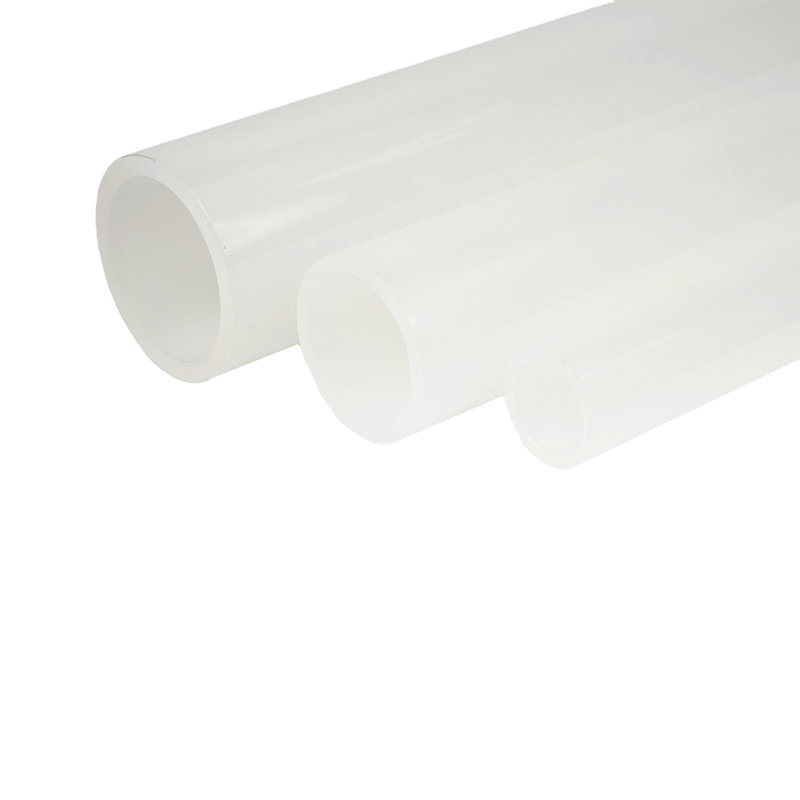
Product Specifications: DN15 (D20), DN20 (D25), DN25 (D32), DN32 (D40), DN40 (D5...
View More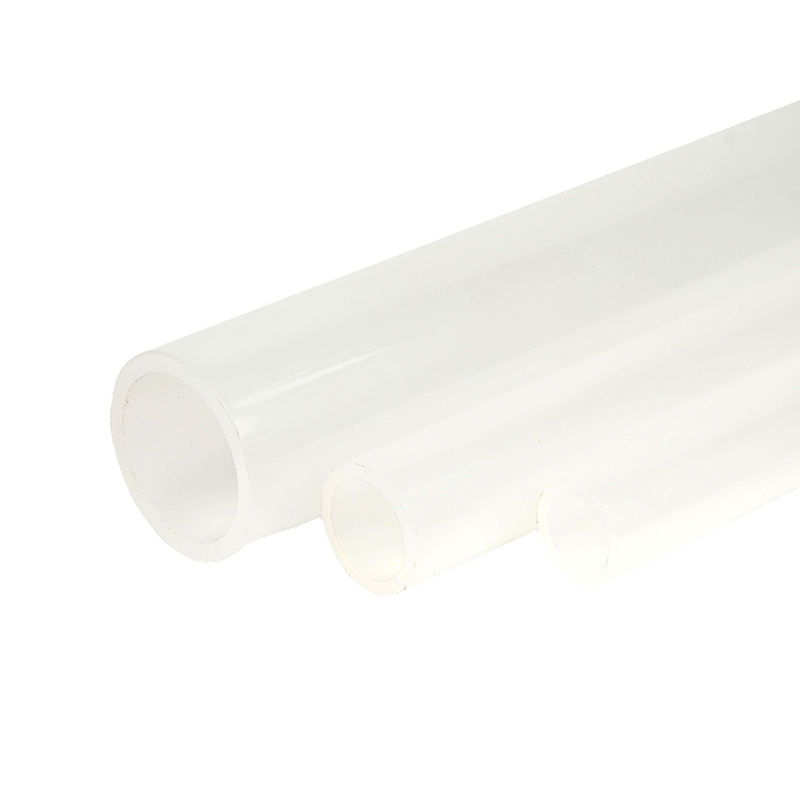
Product Specifications: DN65 (D75), DN80 (D90), DN100 (D110), DN100 (D125), DN15...
View More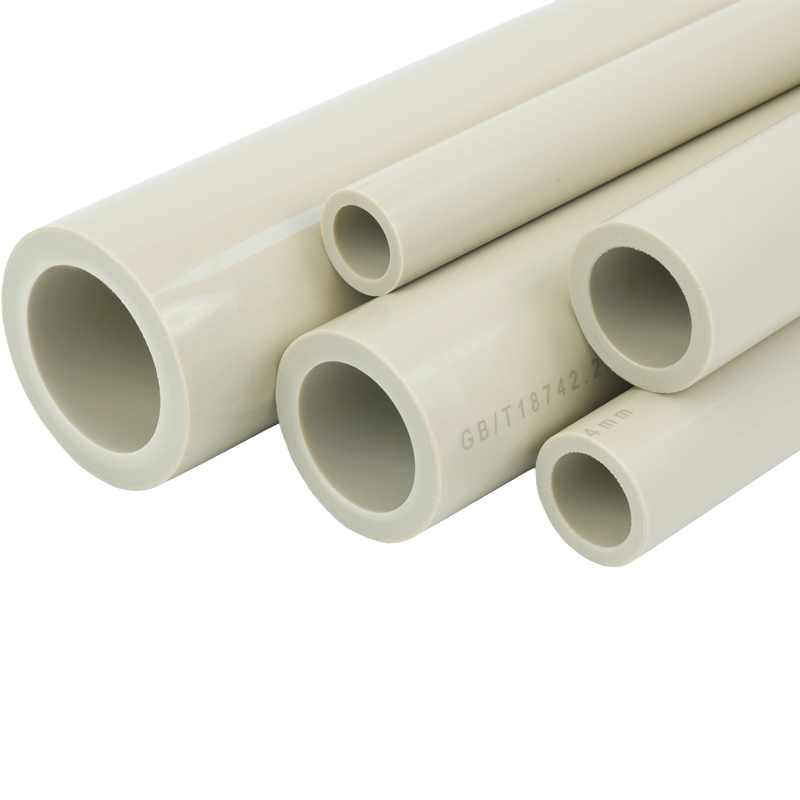
Product Specifications: DN15 (D20), DN20 (D25), DN25 (D32), DN32 (D40), DN40 (D5...
View More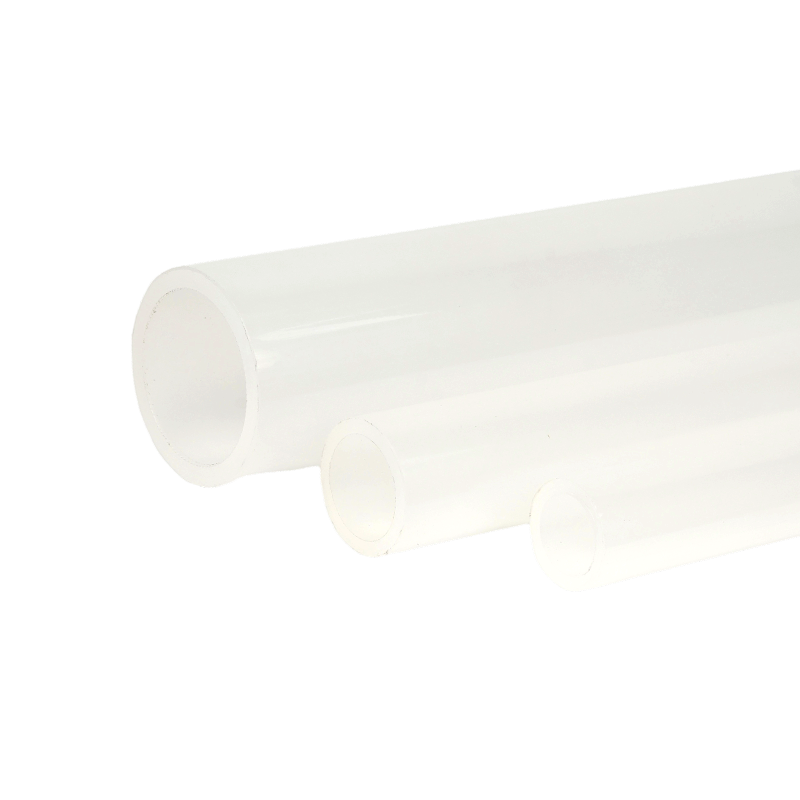
Product Specifications: DN15 (D20), DN20 (D25), DN25 (D32), DN32 (D40), DN40 (D5...
View More
Product Specifications: DN15 (D20), DN20 (D25), DN25 (D32), DN32 (D40), DN40 (D5...
View More
Products
Company Information
Address: No. 55 Haichuan Road, High-Tech Zone, Dongtai City, Jiangsu Province, China
Mobile: +86 137 7009 5258
Tel: +86-515-85479999
Email: [email protected]
We'd love to hear from you!