 English
 中文简体
中文简体
Pipe Cap Extended-Socket Butt Weld Pipe Fitting
1. In addition to its basic closure function, the pipe cap can also be used for ...
View MoreContent
To use plastic pipe fittings successfully, you must match the fitting type to the pipe material (e.g., PVC, PEX, CPVC, or PP), prepare the pipe end cleanly, and follow the specific joining method: solvent cement welding for rigid pipes (PVC/CPVC), crimp or expansion rings for PEX, or threaded seals for transition fittings. The most common failure point is not the fitting itself but incorrect assembly—over 85% of leaks occur due to improper surface preparation or cure time violation (Plastics Pipe Institute, 2023).
| Material | 1/2" Fitting | 1" Fitting | Max Temp (°F) |
|---|---|---|---|
| PVC | 600 psi | 450 psi | 140°F |
| CPVC | 600 psi | 450 psi | 200°F |
| PEX (crimp) | 160 psi | 130 psi | 200°F |
| PP (Polypropylene) | 230 psi | 180 psi | 180°F |
Key rule: Exceeding the maximum temperature for just 30 minutes reduces PVC fitting burst pressure by over 50%. Always derate working pressure by 0.5% per °F above 80°F.
Yes, as long as they conform to the same standard (ASTM D2466 for PVC, ASTM F1960 for PEX). However, mixing brands of solvent cement and primer is not recommended – a 2022 field study found a 22% higher failure rate when mixing cement brands due to incompatible solvent blends.
Plastic threads are not self-sealing like metal NPT threads. You must use PTFE tape (minimum 3 wraps) or pipe dope specifically rated for plastics. Over-tightening is the #2 cause: tighten only 1-2 turns past hand-tight – additional torque cracks the female fitting 78% of the time (Plastics Pipe Institute, 2021).
Unprotected PVC/CPVC fittings have a UV life of only 2-3 years before surface chalking and impact strength loss of 60%. Use UV-resistant paint or cover with insulation. PEX and PP have better UV resistance (5-7 years) but still require burial or shielding for long-term applications.
According to long-term hydrostatic data from the Plastics Pipe Institute: PVC fittings last 50+ years at 73°F and 50% of rated pressure. CPVC lasts 40+ years at 180°F. PEX expansion fittings show no degradation after 25 years of thermal cycling. The limiting factor is always chemical exposure or UV, not material creep.
Final takeaway: Correct usage of plastic pipe fittings is 90% preparation and material matching. A fitting never fails by itself – it is always the system around it. Always follow the manufacturer’s cure schedule and pressure derating factors for a leak-free lifetime.
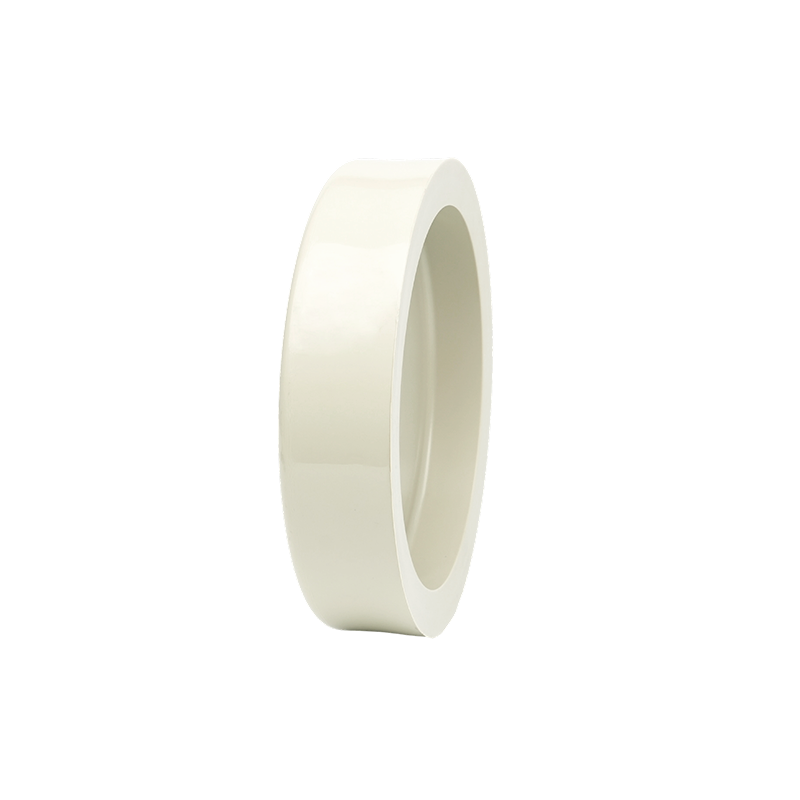
1. In addition to its basic closure function, the pipe cap can also be used for ...
View More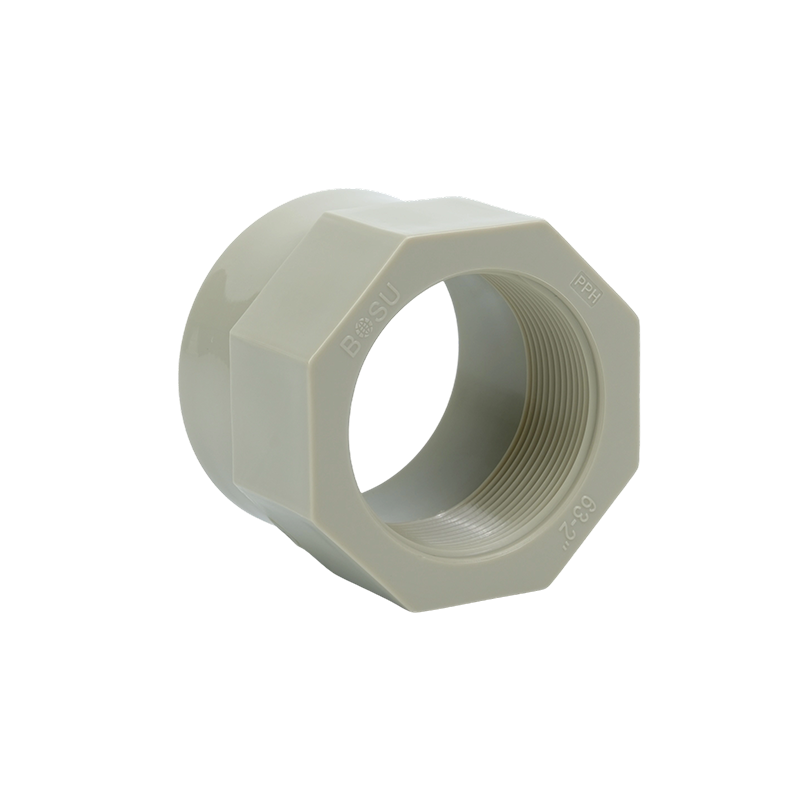
1. Fast and reliable installation, convenient and time-saving; smooth inner and ...
View More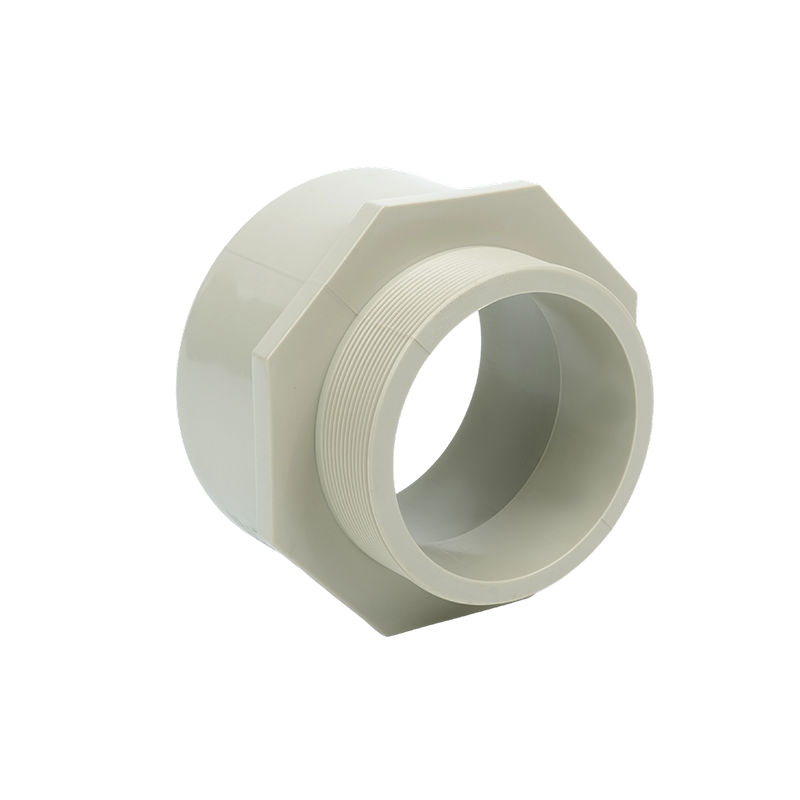
1. Easy operation, reliable connection, high pressure resistance, good sealing, ...
View More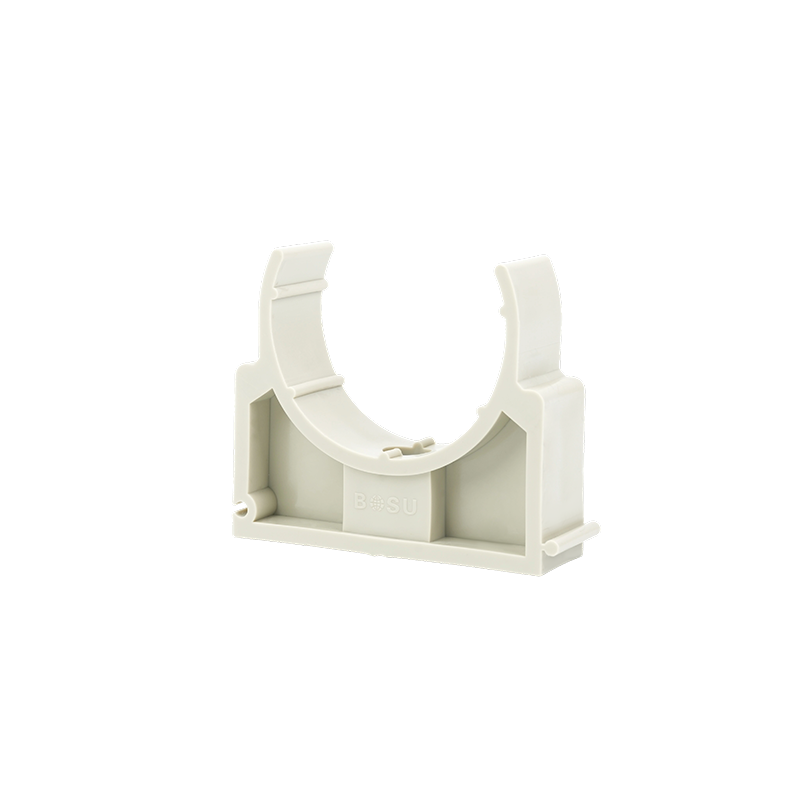
Product Specifications: DN15 (D20), DN20 (D25), DN25 (D32), DN32 (D40), DN40 (D5...
View More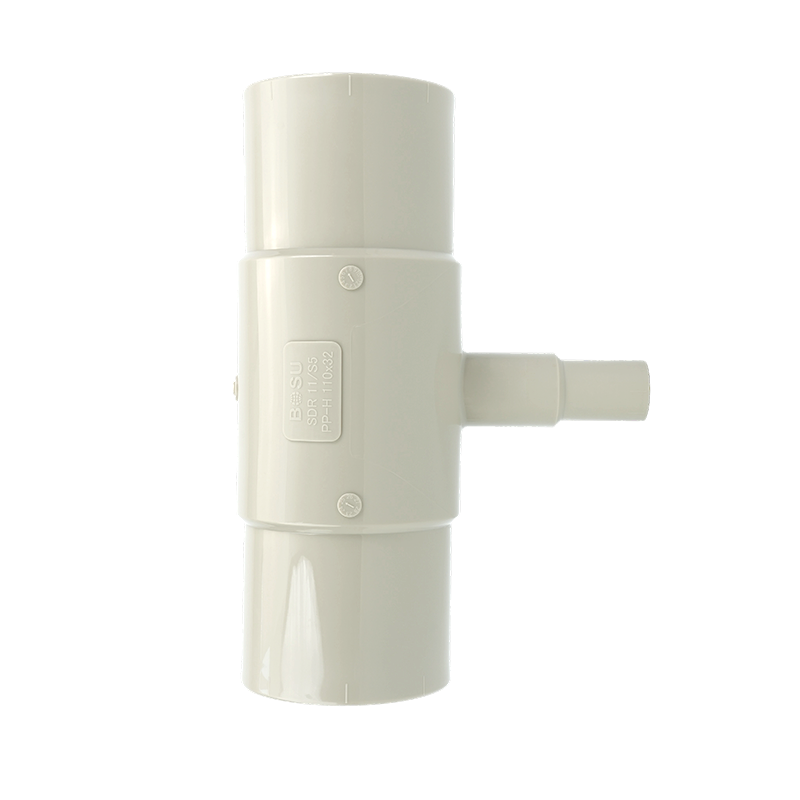
1. Designed for pipe extension, these fittings feature two identical ports and o...
View More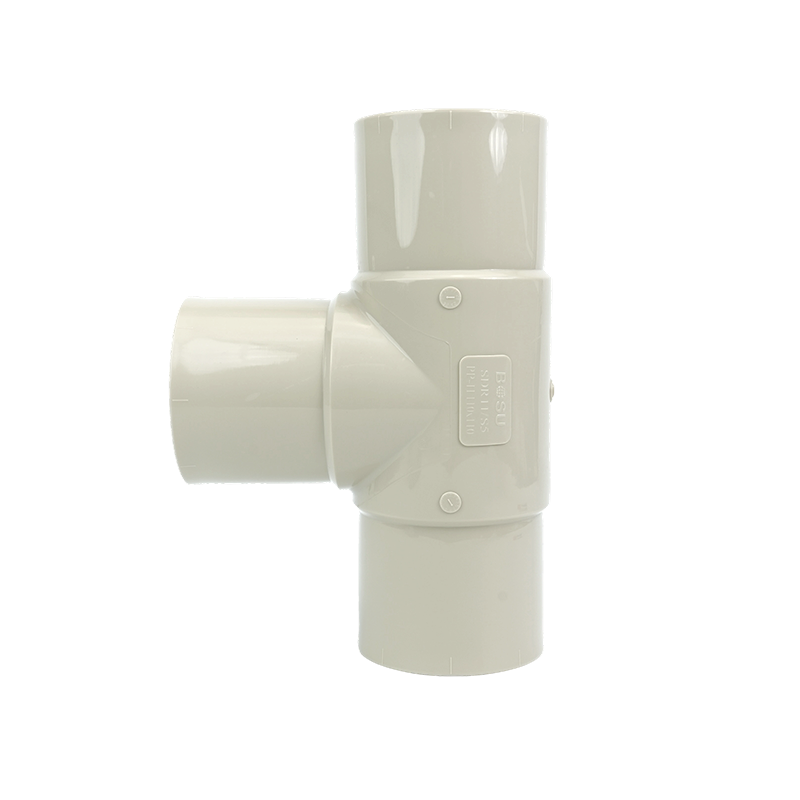
1. It features an elongated, streamlined profile with smooth internal and extern...
View More
Products
Company Information
Address: No. 55 Haichuan Road, High-Tech Zone, Dongtai City, Jiangsu Province, China
Mobile: +86 137 7009 5258
Tel: +86-515-85479999
Email: [email protected]
We'd love to hear from you!
