 English
 中文简体
Pipe Cap Extended-Socket Butt Weld Pipe Fitting
1. In addition to its basic closure function, the pipe cap can also be used for ...
View MoreContent
Two-inch Schedule 40 elbows arrive on site, the crew cuts a spool to the catalog's center-to-end figure, and the joint still weeps on test. Nothing was mislabeled. The elbow matched ASTM D2466 and the pipe matched ASTM D1785, but the pipe pulled from the rack was Schedule 80 stock, the fitting socket was deeper than the installer expected, and the cement joint ended up with roughly half the bond length anyone had planned for.
That is the practical trap behind PVC pipe fitting dimensions schedule 40: the schedule number describes wall thickness. It says nothing about socket bore, socket depth, body lay length or thread form. Separate those four values and sizing stops being a guess and becomes a check you can document on the requisition.
Schedule 40 is a wall-thickness series. The outside diameter of a PVC pressure pipe is locked to the nominal size by the IPS (iron pipe size) system, so 1-inch Schedule 40 and 1-inch Schedule 80 pipe both measure 33.4 mm across the outside. Only the wall changes, and with it the inside diameter, the pressure rating and the weight per metre.
That single fact explains most ordering errors. A 2-inch fitting is not sized to a 50 mm bore; it is sized to a 60.3 mm outside diameter, which leaves about a 52.5 mm bore in the pipe. The "2 inch" is a name, not a measurement.
| Nominal size (IPS) | Outside diameter | SCH 40 wall | Inside diameter | Typical socket depth |
|---|---|---|---|---|
| 1/2 in | 21.3 mm | 2.77 mm | 15.8 mm | 19 mm |
| 3/4 in | 26.7 mm | 2.87 mm | 20.9 mm | 21 mm |
| 1 in | 33.4 mm | 3.38 mm | 26.6 mm | 22 mm |
| 1 1/2 in | 48.3 mm | 3.68 mm | 40.9 mm | 29 mm |
| 2 in | 60.3 mm | 3.91 mm | 52.5 mm | 32 mm |
| 3 in | 88.9 mm | 5.49 mm | 77.9 mm | 45 mm |
| 4 in | 114.3 mm | 6.02 mm | 102.3 mm | 51 mm |
| 6 in | 168.3 mm | 7.11 mm | 154.1 mm | 64 mm |
Because both schedules use the same outside diameter, a Schedule 40 pipe will slide into a Schedule 80 socket and the reverse. That physical fit is exactly what makes mixing risky: the deeper Schedule 80 socket leaves part of a Schedule 40 insertion unbonded, the assembly rating drops to the weaker component, and the marking on a mixed spool no longer tells an inspector what the line is good for.
The working rule is simple. Segregate by schedule in the storeroom and on the spool drawing. If a line needs a higher rating, move the pipe and the fittings together, not just the pipe.
Tapered threads are cut into the wall, not added to it. Schedule 40 PVC threaded fittings use straight NPSC internal threads that mate with tapered NPT pipe threads, and the wall left under the thread root is thinner than the nominal wall. That is why threaded PVC systems are normally derated and why threaded fittings are moulded with a reinforced shoulder.
Two dimensions deserve attention here: thread engagement, typically seven to eight full turns on the smaller sizes, and thread depth in the fitting. If the pipe bottoms out before the threads take hold, the joint is being held by sealant rather than by thread. On lines with vibration or thermal cycling, a flanged or socket-fusion break is the sturdier choice.
Flange dimensions are a separate family, and the near-misses are the expensive ones. A 2-inch Class 150 flange carries four bolts on a 120.7 mm bolt circle with a 152.4 mm outside diameter; a DN 50 PN 16 flange carries four bolts on a 125 mm circle at 165 mm outside diameter. Both are sold for 2-inch pipe and neither will bolt to the other. Quote the drilling standard, the pressure class and the gasket face on every requisition, and check bolt hole diameter as well as bolt circle, because 18 mm and 19 mm holes are easy to confuse and unpleasant to correct on site.
Where an equipment nozzle needs some give, the connector is ordered against the mating flange's drilling rather than the pipe's nominal size.
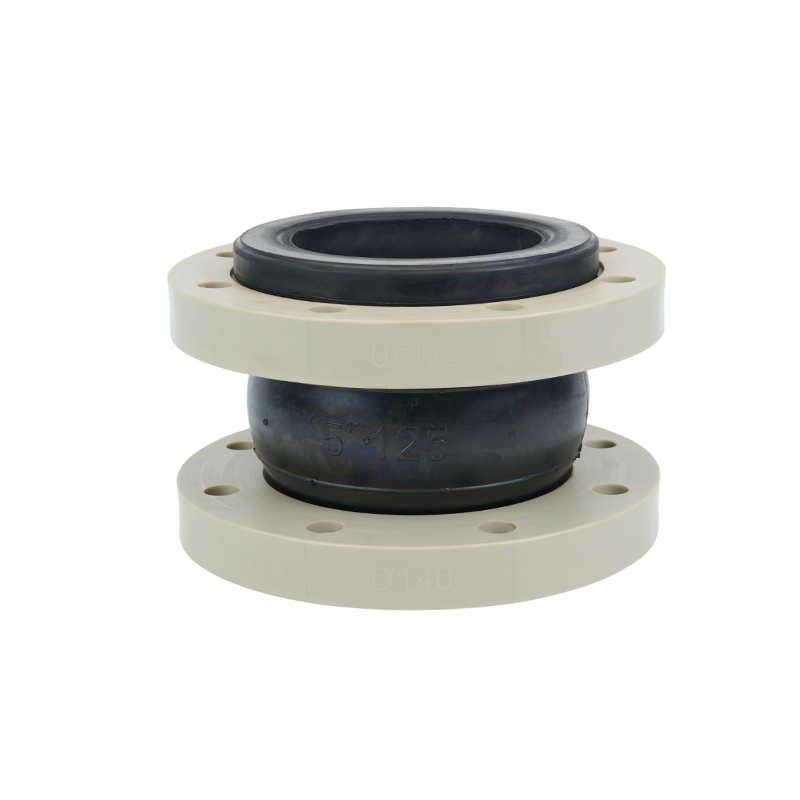 β-PPH Concentric Flanged Flexible ConnectorFor equipment nozzle connections needing some give, this β-PPH flanged flexible connector is ordered to the mating flange drilling.View Product →
Fittings redirect, reduce, isolate and support a line, and each of those jobs adds its own dimension to verify; a short read on the main functions of plastic pipe fittings is a useful reminder of how many check points sit behind a single elbow.
In non-PVC thermoplastics the labels change but the logic does not. A metric PPH, PPN or PVDF system fixes the outside diameter per nominal size and lets the pressure class, whether 1.0 MPa, 1.6 MPa or 6 MPa, set the wall. A 1.6 MPa fitting and a 1.0 MPa fitting for the same nominal diameter therefore have different wall sections and different fusion depths, and placing both on one spool quietly resets that spool's rating to the weaker part.
For hot chemical service, fusion depth is the number worth printing on the welding sheet, and keeping one pressure class through a spool keeps one procedure on the bench.
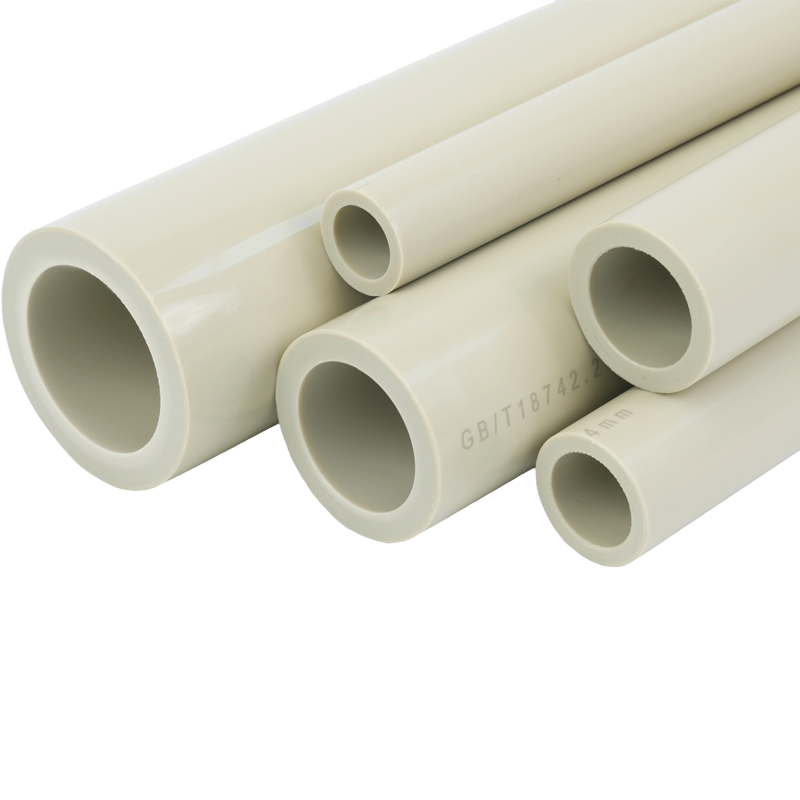 1.6 MPa β-PPH Pipes for Hot Chemical Serviceβ-PPH pipe rated for 1.6 MPa long-term service, with SDR-based wall thickness selection and corrosion and high-temperature resistance for chemical and industrial lines.View Product →
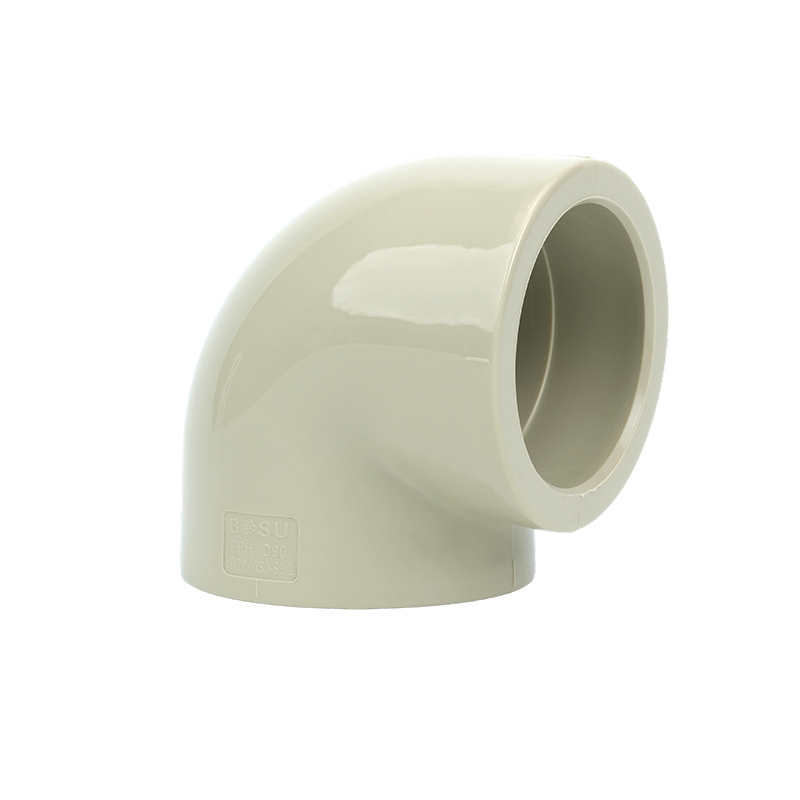 β-PPH 90 Degree Elbow Socket Fusion FittingA 1.6 MPa β-PPH socket-fusion elbow for 90-degree pipeline changes and branch lines, available in DN15 to DN100 sizes.View Product →
No. Schedule 40 is a wall-thickness class applied to IPS outside diameters, so a 1 1/2-inch Schedule 40 pipe measures 48.3 mm outside while a metric DN 40 pipe is built to a different outside diameter series. The two are not interchangeable at the joint.
They will physically fit because the outside diameters match, but socket depth and pressure class differ, so the assembly rating is not the rating printed on either component. For pressure service, keep pipe and fittings in the same schedule unless the fitting manufacturer confirms the combination in writing.
Fully to the socket bottom. Mark the insertion depth first, then drive the pipe home and hold it until the cement grabs, so the cement bead fills the chamfer instead of the joint gap.
No. EN and ISO metric PVC series use their own outside diameters, which is why a 50 mm metric fitting will not accept a 2-inch IPS pipe at 60.3 mm. Check which series the drawing actually specifies before ordering either part.
Write the outside diameter, socket depth, wall, thread form and flange drilling onto the requisition, and the schedule number becomes what it was always meant to be: one line of the specification rather than the whole of it. If a spool mixes materials or pressure classes, say so on the drawing and let the supplier confirm the rating in writing.
Send us your line list and we will check the dimensions against the mating parts before anything is cut; start with a quick enquiry and include the standard, size and pressure class for each item.
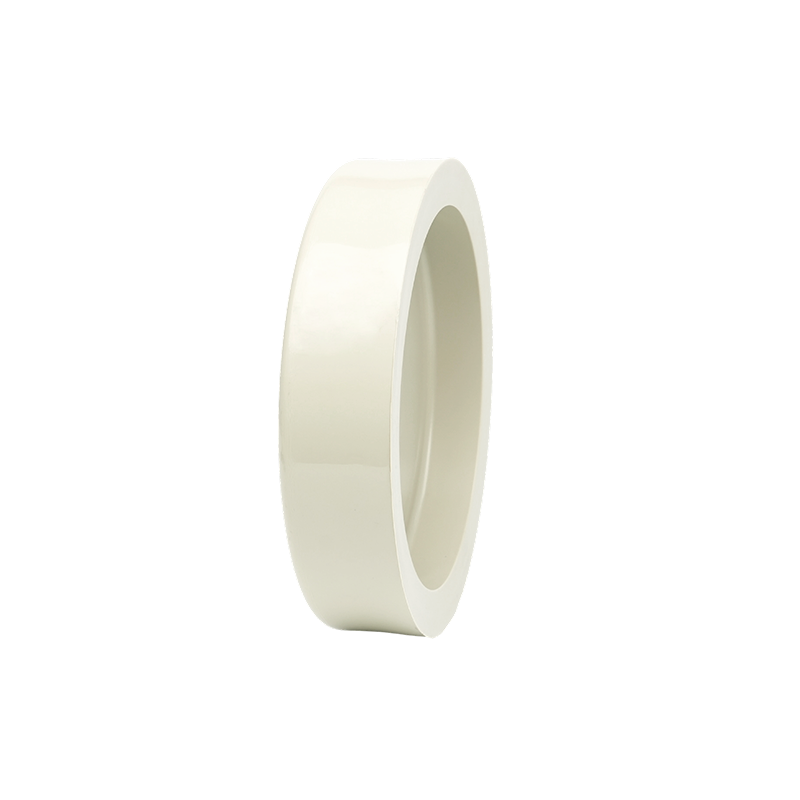
1. In addition to its basic closure function, the pipe cap can also be used for ...
View More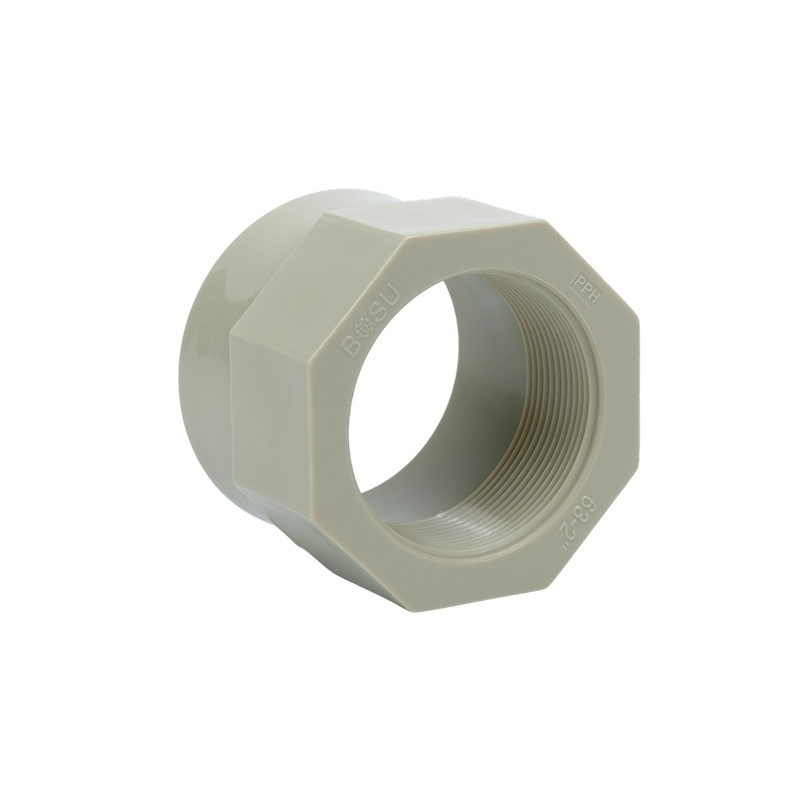
1. Fast and reliable installation, convenient and time-saving; smooth inner and ...
View More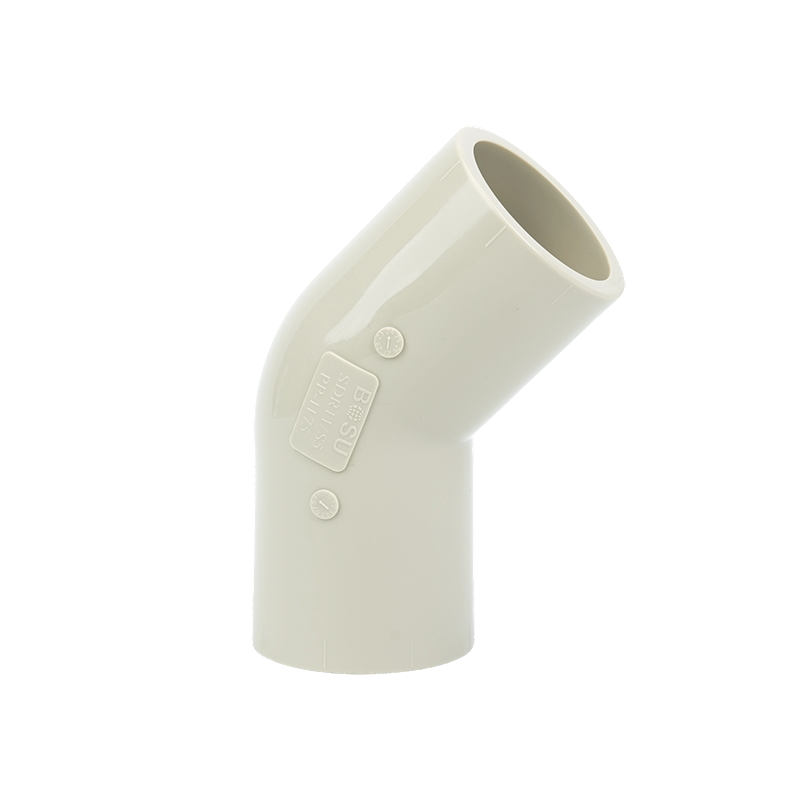
1. The stress is perfectly dispersed and the flow is smoother. 2. Due to the spe...
View More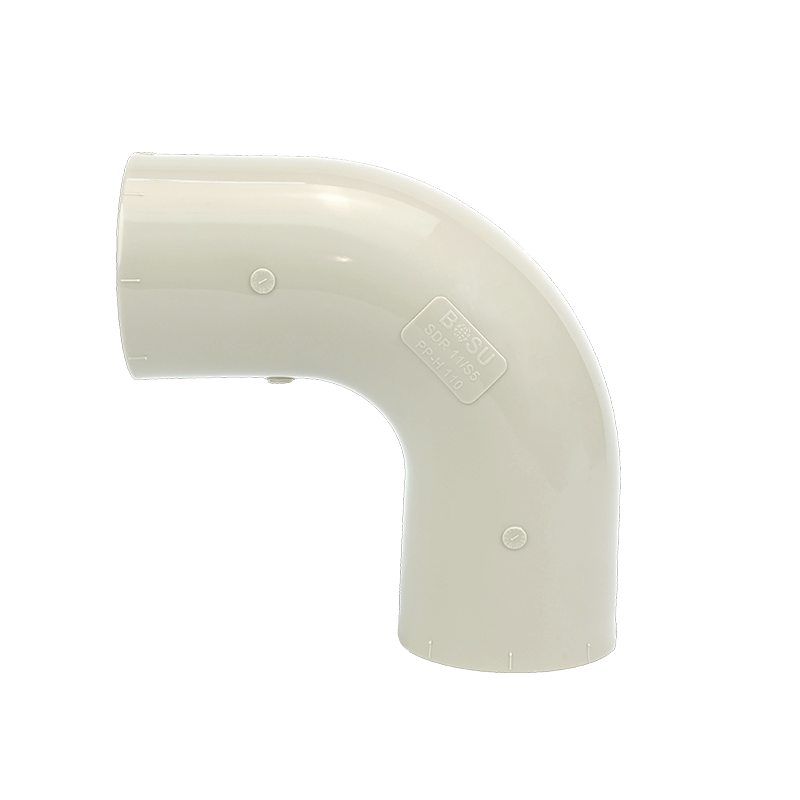
1. The water hammer action is reduced, with greater flow, more pressure, and fas...
View More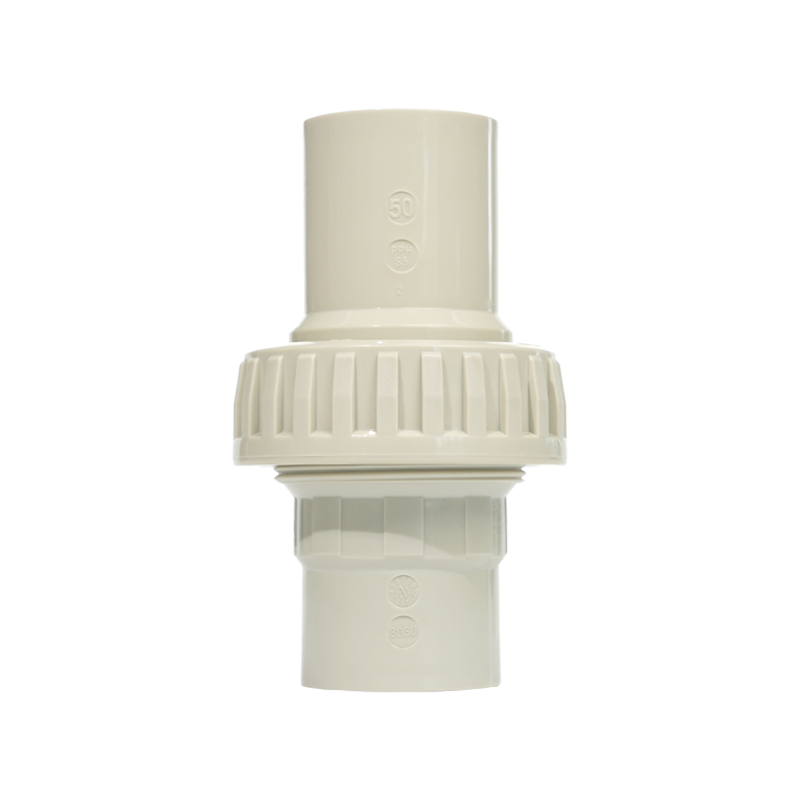
This union is used to connect pipes into a pipeline system. Product Specificatio...
View More
1. It features an elongated, streamlined profile with smooth internal and extern...
View More
Products
Company Information
Address: No. 55 Haichuan Road, High-Tech Zone, Dongtai City, Jiangsu Province, China
Mobile: +86 137 7009 5258
Tel: +86-515-85479999
Email: [email protected]
We'd love to hear from you!
