Content
A 3/4-inch female hose thread coupling may look like an ordinary pipe thread, but it is not. When the maintenance engineer at a chemical dosing station told us that his PPH line kept weeping at the hose connection, the cause was quick to identify: someone had threaded an FHT swivel onto an NPT nipple. The pitch did not match, and there was no washer in the joint. The repair took five minutes, but the same mistake repeats in plant utility rooms every week. Knowing what FHT threads are, and what they are not, is the first step toward leak-free connections in plastic piping systems.
FHT stands for female hose thread. It is the female version of the United States garden hose thread, commonly called GHT. This is the standard used on garden hoses, washing machine supply lines, irrigation accessories, and a wide range of water-handling equipment. In industrial plants, FHT appears on hose ends, filter housings, chemical drum pumps, dosing skids, and two-in-one adapter fittings.
The most common size is 3/4 inch with a pitch of 11.5 threads per inch. The thread form is straight, or parallel, rather than tapered like NPT. A straight thread cannot seal by wedging into the female port the way a tapered thread does. Instead, FHT connections depend on a flat elastomer washer or gasket that is compressed between the two faces when the coupling nut is tightened.
You will often see adapter fittings described as FHT with a 1/2-inch male pipe thread on one end and a 3/4-inch female hose thread on the other. These adapters exist precisely because hose threads and pipe threads are different standards. They are a bridge between two worlds, not a substitute for either one.
The confusion starts because FHT, NPT, and BSP all come in a 3/4-inch nominal size, and to the naked eye they look almost identical. The major diameters are close. The pitch is not. A 3/4-inch NPT thread has 14 threads per inch; a 3/4-inch BSP thread also has 14 threads per inch; a 3/4-inch FHT thread has only 11.5 threads per inch. That difference is enough to make them incompatible.
| Thread standard | Full name | Form | Sealing method | 3/4-inch pitch | Typical use |
|---|---|---|---|---|---|
| FHT / GHT | Female Hose Thread / Garden Hose Thread | Parallel | Elastomer washer or gasket | 11.5 TPI | Hoses, washdown, irrigation, appliance lines |
| NPT | National Pipe Thread | Tapered | Thread-to-thread wedge with tape or sealant | 14 TPI | Process piping, compressed air, plastic fittings |
| BSP | British Standard Pipe | Parallel (BSPP) or tapered (BSPT) | Sealant or bonded washer | 14 TPI | European and Asian valves and equipment |
Because NPT and BSP 3/4-inch threads share the same pitch, an NPT male can start into a BSP female and may even feel like a fit. FHT sits completely outside that family. Forcing an FHT coupling onto an NPT or BSP male cross-threads the fitting, damages plastic threads, and creates a leak path that tape alone cannot fix.
Nominal major diameters of 3/4-inch FHT, NPT, and BSP threads in inches.
There is another trap. A 3/4-inch FHT nut may spin freely onto a 3/4-inch NPT male for a turn or two and then stop. An operator may read that resistance as a seal and continue tightening. With plastic fittings, over-tightening does not create a seal; it creates stress cracks that show up weeks later as a slow drip.
FHT is fundamentally a hose standard, so it appears at the boundary between a flexible hose and a fixed line: washdown stations, cooling water drops, reverse osmosis feed connections, solar thermal flushing ports, aquarium saltwater loops, chemical dosing skids, and neutralization tanks. These are exactly the applications where plastic pipe is specified for corrosion resistance, clean handling, and long service life.
In most of these locations, the fixed side of the connection is a plastic line joined by socket fusion, butt fusion, or flanges, while the hose side carries an FHT swivel nut. The correct transition is a purpose-made adapter that brings the hose standard into the pipe standard used by the rest of the line. Buying a threaded plastic fitting without first confirming which thread standard the equipment expects is one of the most common procurement mistakes in plant maintenance.
The practical rule for any threaded connection is simple: identify both sides before you order or assemble, and match the sealing method to the thread form.
Different pitch means the threads will never align. If the parts do not engage smoothly by hand within the first two turns, stop and check the standard markings on both components.
FHT seals by compression of an elastomer washer. PTFE tape on a parallel thread can help fill minor voids, but it is not a substitute for a new, correctly sized washer.
Threaded plastic fittings are typically rated to the same pressure class as the pipe, commonly 1.0 MPa or 1.6 MPa. Threads reduce the effective wall thickness at the joint, so choose a fitting rated for the line pressure, not a random fitting from the spare parts bin.
A threaded connection is selected when someone needs to take the line apart for pump maintenance, filter changes, or hose replacement. That is exactly why the thread standard matters: the joint must be re-made many times without galling, cross-threading, or losing the washer.
Illustrative distribution of joint methods in a typical chemical utility piping loop. Threaded connections are a minority of joints, but they handle most of the disassembly.
Once the thread standard is settled, the next decision is material and geometry. For β-PPH lines, PPH external-thread straight fittings and PPH internal-thread straight fittings provide a clean transition from a fused PPH pipe end to a stud or socket port. The same manufacturing series covers elbows, tees, crosses, reducing fittings, flanged adapters, and blind flanges, so an entire branch can stay in one material and one pressure class.
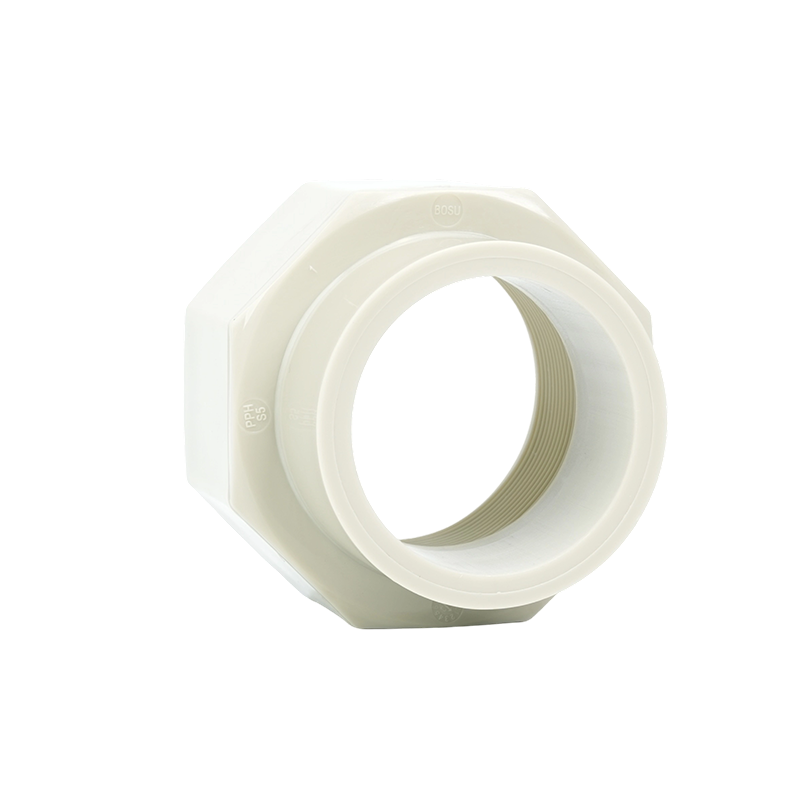 β-PPH Internal Thread Straight Short Butt-Weld Fitting Manufacturer, Supplier - As China β-PPH Internal Thread Straight Short Butt-Weld Fitting manufacturer and supplier, Jiangsu Leiting Precision New Material offers ...View Product →
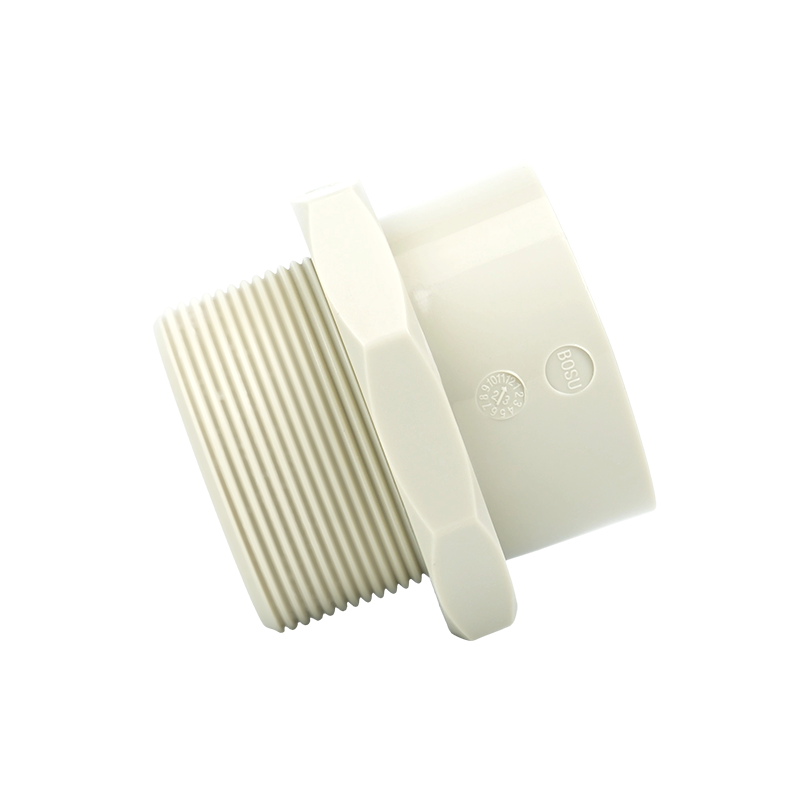 β-PPH External Thread Straight Short Butt-Weld Fitting Manufacturer, Supplier - As China β-PPH External Thread Straight Short Butt-Weld Fitting manufacturer and supplier, Jiangsu Leiting Precision New Material offers ...View Product →
For higher-temperature or high-purity services, PVDF and PPN versions are available with matching socket fusion or short butt weld joint ends. When selecting, check whether the threads are molded or machined. Molded threads preserve the polymer molecular orientation and avoid the notch effect of a machined cut, which matters when the line experiences cyclic pressure or thermal expansion.
Also confirm the gasket material. EPDM suits water and many acids; FPM resists oils, fuels, and higher temperatures; PTFE-lined gaskets add chemical inertness. A gasket that is chemically incompatible with the process fluid is a common and easily overlooked cause of premature weeping at threaded plastic joints.
No. They share a nominal size but differ in pitch (11.5 TPI versus 14 TPI), in form (parallel versus tapered), and in sealing method (washer versus thread-to-thread contact). They are not interchangeable.
Only if the pipe ends in a compatible threaded fitting or adapter. A plain PPH pipe end has no thread form, so you need a fitting that combines a fused joint on one side and the correct female or male hose thread on the other.
Functionally none. GHT is the common name for the United States garden hose thread; FHT specifies the female version of the same standard. Both use the same 3/4-inch, 11.5 TPI, parallel thread form.
Tape can lubricate the threads and fill small gaps, but the primary sealing mechanism of FHT is the elastomer washer. Replace a worn washer first, and treat tape as a secondary aid rather than the main seal.
FHT threads are a small but notorious detail in plant piping. Once you know the three characteristics that define them, the parallel form, the 11.5 TPI pitch, and the washer-based seal, most connection failures can be diagnosed in minutes instead of after a weekend of weeping leaks. For threaded plastic fittings, the same discipline applies: match the standard, match the pressure class, and choose a fitting that keeps the material continuous across the joint. If you are planning a new line or retrofitting an existing one, contact our engineering team with your thread type and line size, and we will help you select the right PPH, PPN, or PVDF fittings for the application.
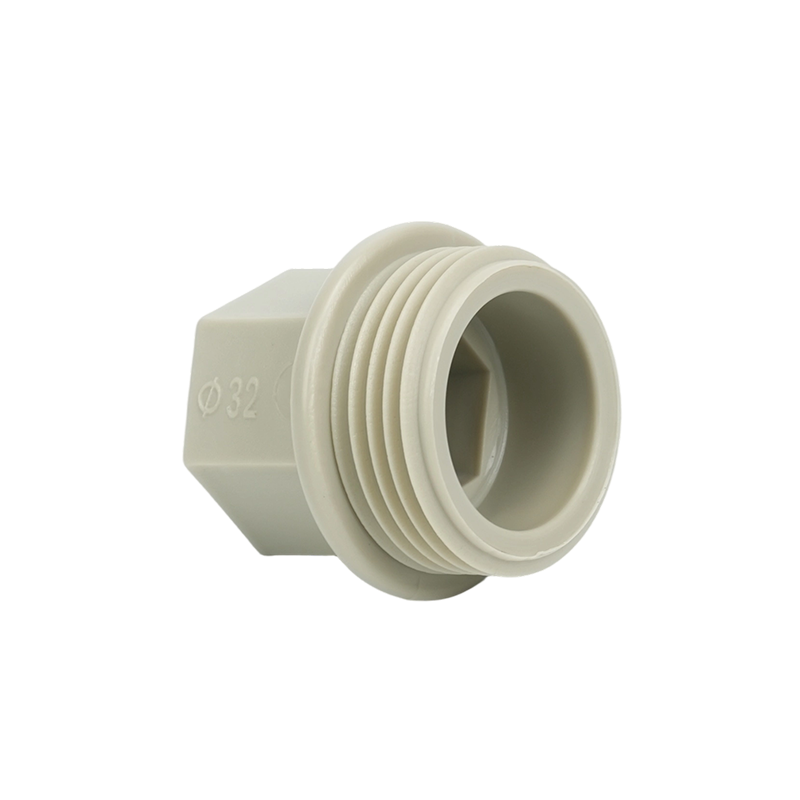
1. Durable, anti-corrosion, light weight, function as a closed pipeline, easy in...
View More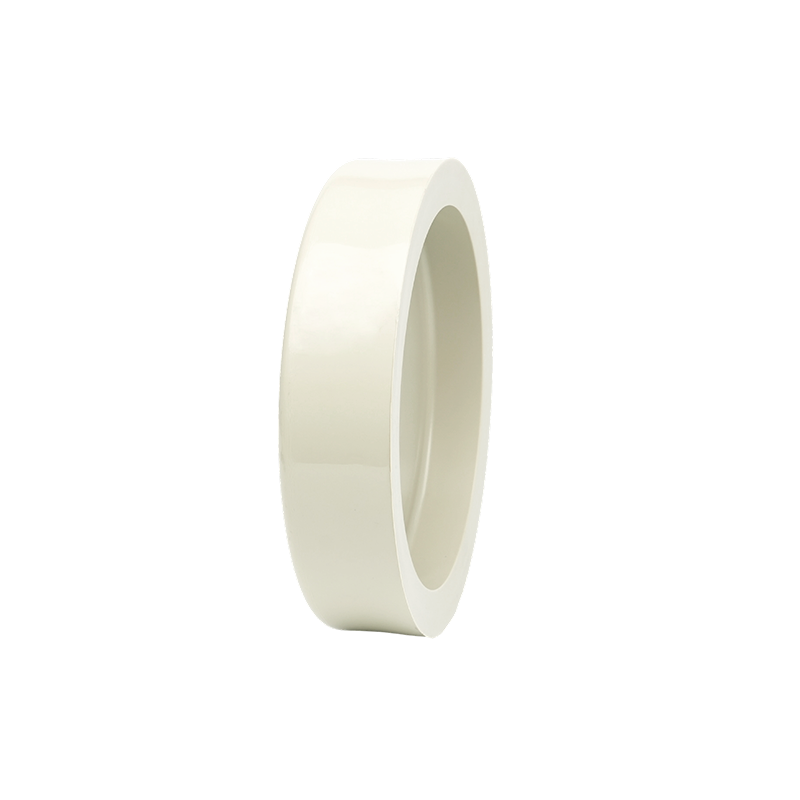
1. In addition to its basic closure function, the pipe cap can also be used for ...
View More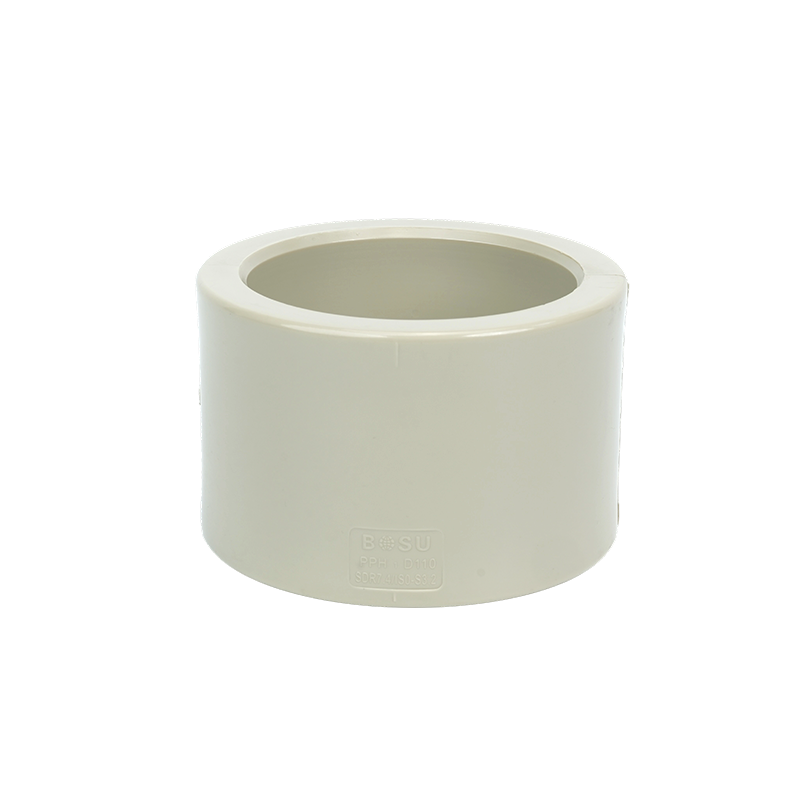
Used in piping systems requiring plain end connections. Specifications: DN15(D20...
View More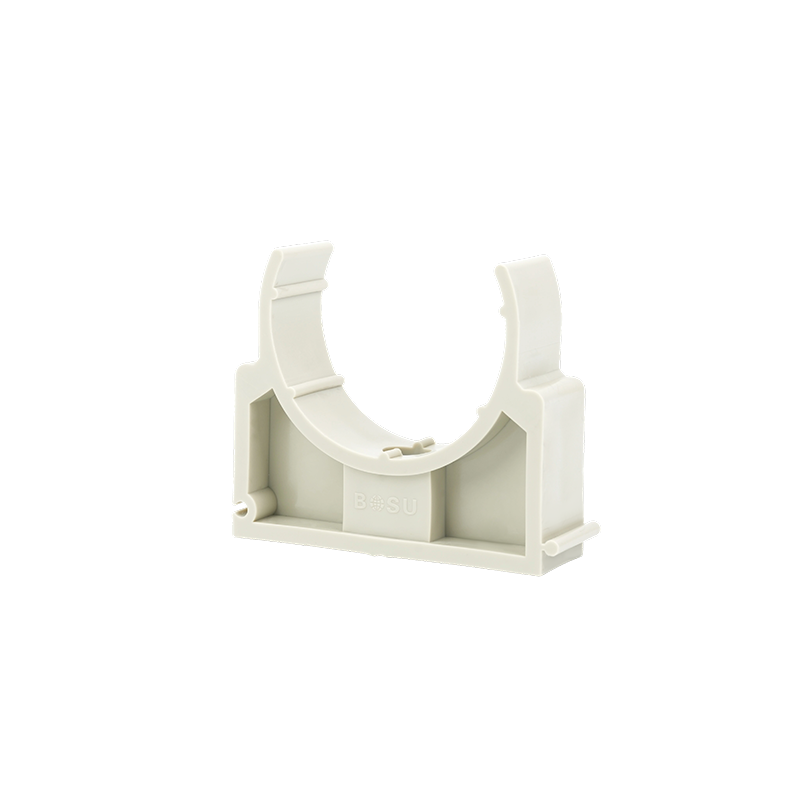
Product Specifications: DN15 (D20), DN20 (D25), DN25 (D32), DN32 (D40), DN40 (D5...
View More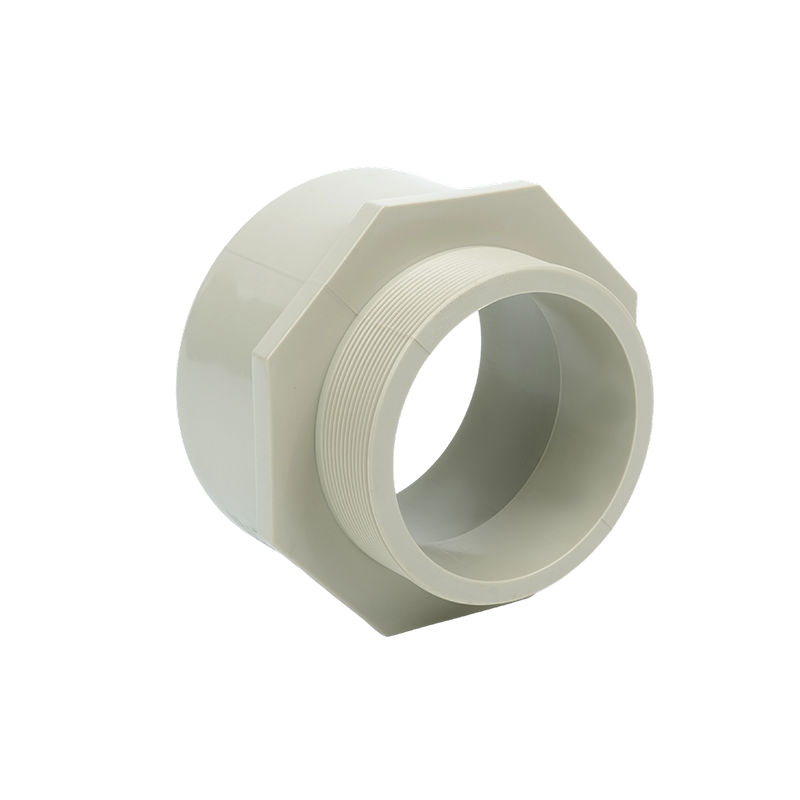
1. Easy operation, reliable connection, high pressure resistance, good sealing, ...
View More
Products
Company Information
Address: No. 55 Haichuan Road, High-Tech Zone, Dongtai City, Jiangsu Province, China
Mobile: +86 137 7009 5258
Tel: +86-515-85479999
Email: [email protected]
We'd love to hear from you!

 English
 中文简体
中文简体