 English
 中文简体
中文简体
β--PPH Tee Hot Melt Socket Fittings 1.6MPa
1. It is a type of pipeline fitting, used where the main pipeline needs to branc...
View MoreContent
A plating-line engineer described the problem neatly: the main distribution header runs along the wall, and four spray drops need feeding from the same spot, two to the left and two to the right, at identical elevation. You can build that node from two tees and a coupling, doubling the welds and the leak points, or you can do it with one fitting: a 4 way tee, also sold as an equal cross or four-way fitting, a plus-shaped branch fitting whose four same-size openings let two lines cross and branch at a single fused joint.
For buyers in PPH, PPN and PVDF piping, the short answer is this: a properly specified equal cross cuts joint count, saves installation time and keeps branch flow symmetrical, but it also concentrates four welds, and four potential mistakes, in one node. Match the material, pressure class and welding method correctly, and it is the neatest branch solution available. Here is how to do exactly that.
A 4 way tee is a cross-shaped fitting with four outlets: a straight-through run axis plus a second pair of branches at 90 degrees. When all four openings share the same diameter it is an equal cross; if one or more branches are smaller, it becomes a reducing cross. In plant vocabulary the terms cross tee, four-way fitting and equal cross all describe the same body.
Functionally, it is a tee with a second branch. A standard tee gives you one takeoff from a main; the cross gives you two opposing takeoffs at the same node, which matters wherever flow must split symmetrically or where two services need to cross without stacking fittings vertically. Specify one when you need:
Branch fittings sit inside the wider logic of conveying, connecting and controlling media; our overview of the main functions of plastic pipe fittings covers that bigger picture.
A cross can always be replaced by tees on paper. At purchase and installation stage, the trade-offs look like this:
| Point of comparison | Standard equal tee | 4 way tee (equal cross) |
|---|---|---|
| Openings | Three: run plus one 90° branch | Four: run plus two opposing 90° branches |
| Fused joints per node | Three | Four |
| Feeding two opposing branches | Two tees plus a coupling or spool piece | One fitting, one weld sequence |
| Leak points at the node | More joints to monitor | Fewer joints in one compact body |
| Natural role | Simple single takeoffs | Manifolds, crossings and symmetric splitting |
The working rule from installation practice: choose the cross when both branches carry real duty. If the second outlet is only a future maybe, fit a tee and keep it simple, or take the cross and close the spare outlet with a socket-fusion pipe cap of the same material and class.
Material selection decides both chemical compatibility and budget. The three thermoplastics behind this fitting program behave very differently in service:
Seals belong in the same decision: union-style connections in these series are offered with EPDM or FPM elastomers, so name the seal together with the body material rather than as an afterthought. For general chemical plant and water treatment duty, the default choice is a PPH equal cross from the socket-fusion 1.6 MPa series:
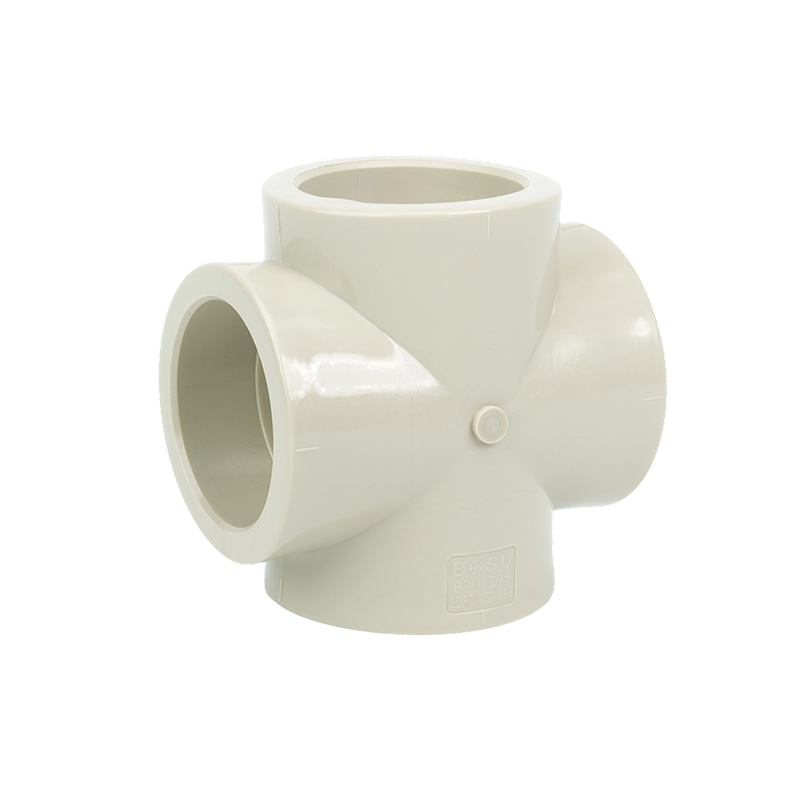 β-PPH Equal Cross Socket Fusion Fitting 1.6 MPaFor general chemical plant and water treatment duty, this PPH equal cross from the 1.6 MPa socket-fusion series is the default choice. EPDM or FPM seal options on union connections let you specify the elastomer together with the body material.View Product →
Step up to PVDF when the line carries oxidizing media, runs hot or demands purity, and confirm the series rating against your actual process conditions.
Pressure classes are quoted for water at 20 °C. Fitting series in this program are listed at 1.0 MPa and 1.6 MPa, while the pipe catalog extends to higher classes in PPN and PVDF. Remember that a system is only as strong as its weakest component: if the pipe is rated 1.6 MPa and the cross 1.0 MPa, the node sets the ceiling.
Temperature then reduces capacity. As a planning figure, PP-H systems deliver roughly 60 percent of nominal pressure at 60 °C and about half at 80 °C; exact factors depend on resin grade and standard, so treat the curve below as indicative and confirm final values against supplier tables.
Two habits prevent most surprises here: buy pipes, fittings and valves as one matched system rather than mixing series with different rating logic, and get the pressure-temperature table in writing before signing off any line that runs hot.
A cross is joined like any fitting in the series: hot-melt socket fusion on small and mid diameters, or the short and extended socket butt-weld styles that certain series are dimensioned for, with flanged adapters and unions reserved for points that need serviceability. Four welds converging on one node raise the stakes, so sequence the work:
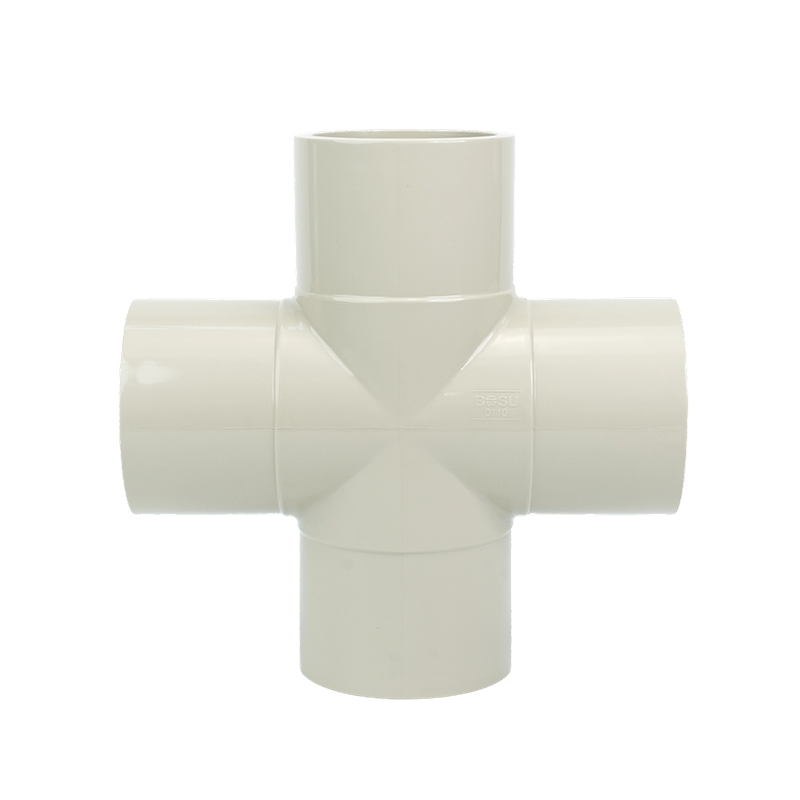 β-PPH Equal Cross Short Butt-Weld FittingJoined by short or extended socket butt-weld styles, this cross brings four welds together at one node. Careful sequencing of the work and attention to the fitting's higher stiffness help manage thermal movement and support placement.View Product →
Watch stiffness, too: the node is more rigid than the pipe around it, so allow for thermal movement in the legs and place supports close to the fitting instead of hanging headers or valves off a branch outlet.
An equal cross keeps all four openings at the run diameter and the flow arithmetic simple. A reducing cross shrinks one branch pair inside the same body, sparing you a separate reducer welded into a tee, which is convenient when small takeoffs feed dosing points or instruments from a larger main. Size branches for velocity, not just convenience: too small throttles the takeoff, too large adds cost and dead volume.
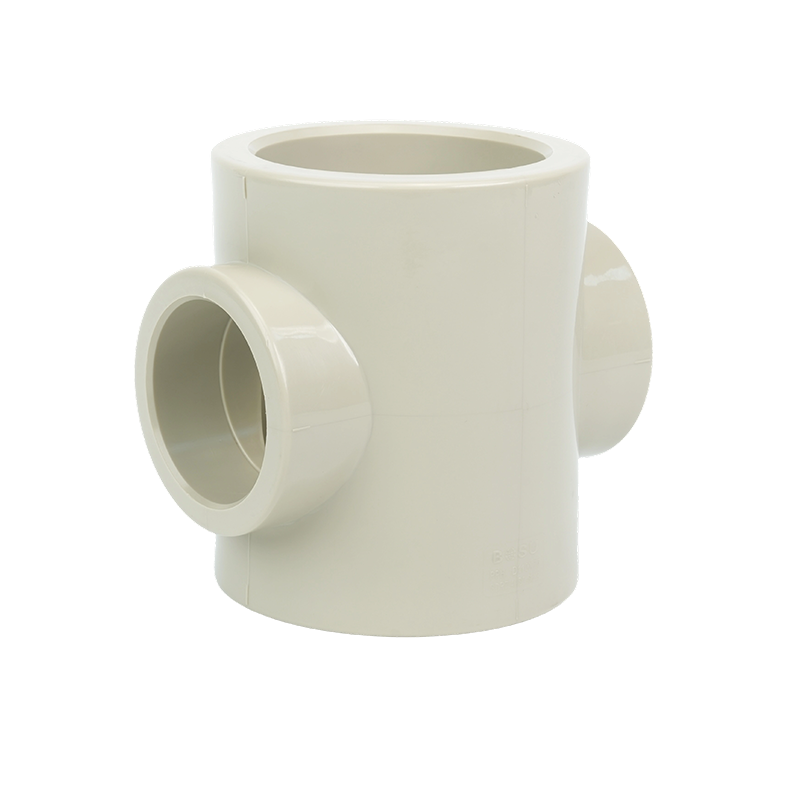 β-PPH Reducing Cross Socket Fusion Fitting 1.6 MPaThis reducing cross shrinks one branch pair within a single body, avoiding a separate reducer welded into a tee. It suits small takeoffs feeding dosing points or instruments from a larger main, with branch sizes chosen for velocity.View Product →
Combinations not covered by standard reducing crosses are solved at the workbench: an equal cross plus a reducing straight covers the rest, and both are stock catalog items.
The common thread is corrosion-free service: plastics carry aggressive or salt-laden media without lining failures or rust at the node, and they keep the fluid free of metallic contamination in purity-critical duty.
Yes. Cross, four-way fitting, cross tee and 4 way tee all describe the same plus-shaped body. Equal means all four openings share one diameter; reducing means one or more branches are smaller.
Yes. A socket-fusion pipe cap in the same material and pressure class closes a spare branch cleanly, which is a common way to build in a future takeoff.
Series ratings run at 1.0 MPa and 1.6 MPa for water at 20 °C, falling as temperature rises. Always size the node from the lowest-rated component in the run and apply temperature derating.
For seawater and aquaculture duty, β-PPH offers the best balance of cost and resistance. For deionized or ultrapure water, and for hot aggressive chemistry, specify PVDF.
One manufacturer keeps the whole node matched: since 2008 the production base in Dongtai, Jiangsu has produced raw material compounds, β-PPH, PPN and PVDF pipes and fittings, and the valves to go with them, with pressure classes and welding styles coordinated across the range. Send a line sketch or simply the diameters and pressure class you need, and the team will confirm the right equal or reducing cross for your system through the contact page.
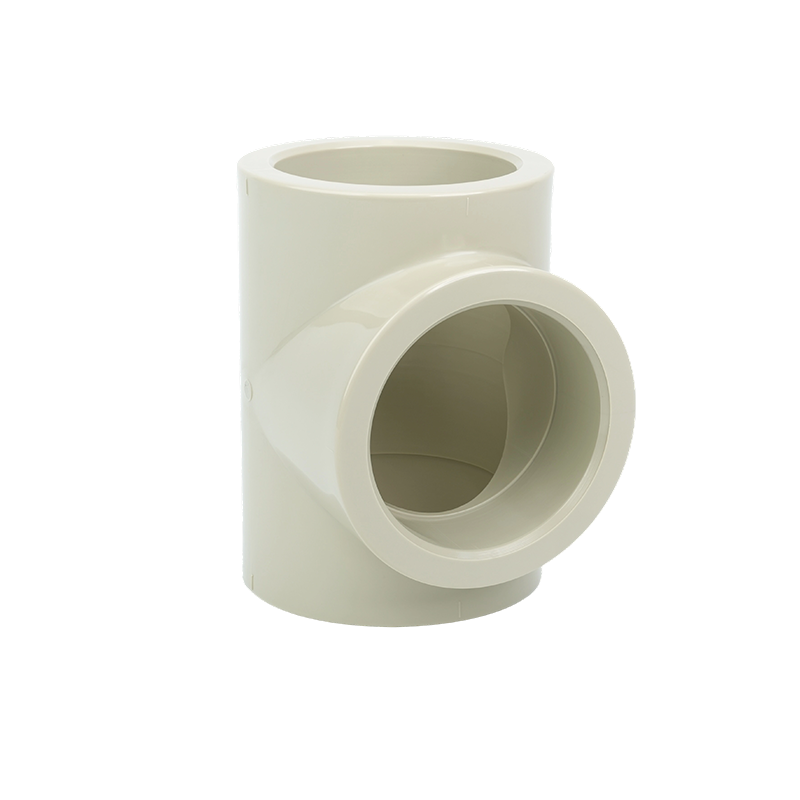
1. It is a type of pipeline fitting, used where the main pipeline needs to branc...
View More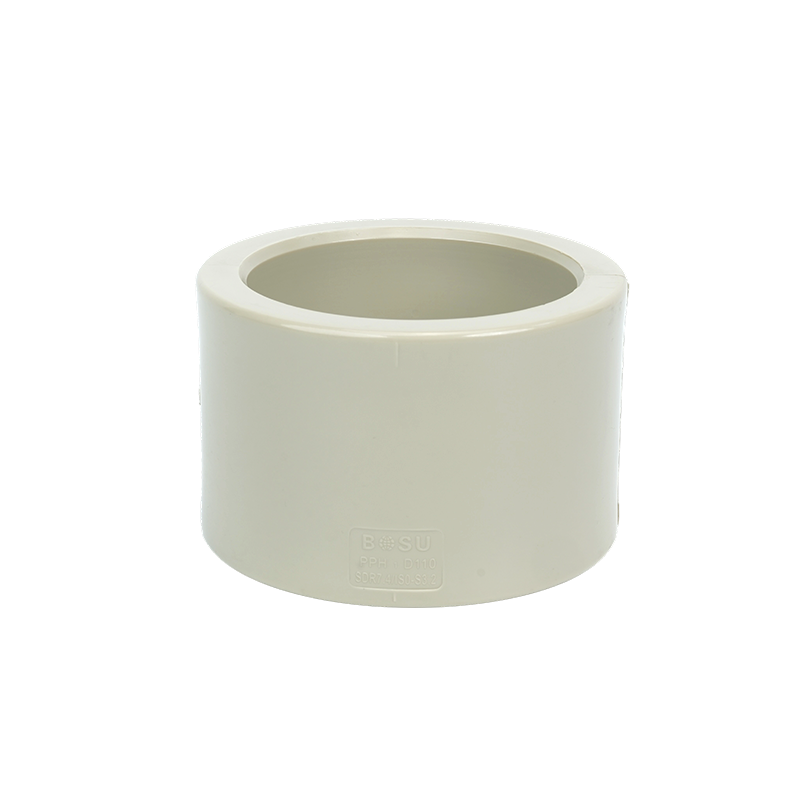
Used in piping systems requiring plain end connections. Specifications: DN15(D20...
View More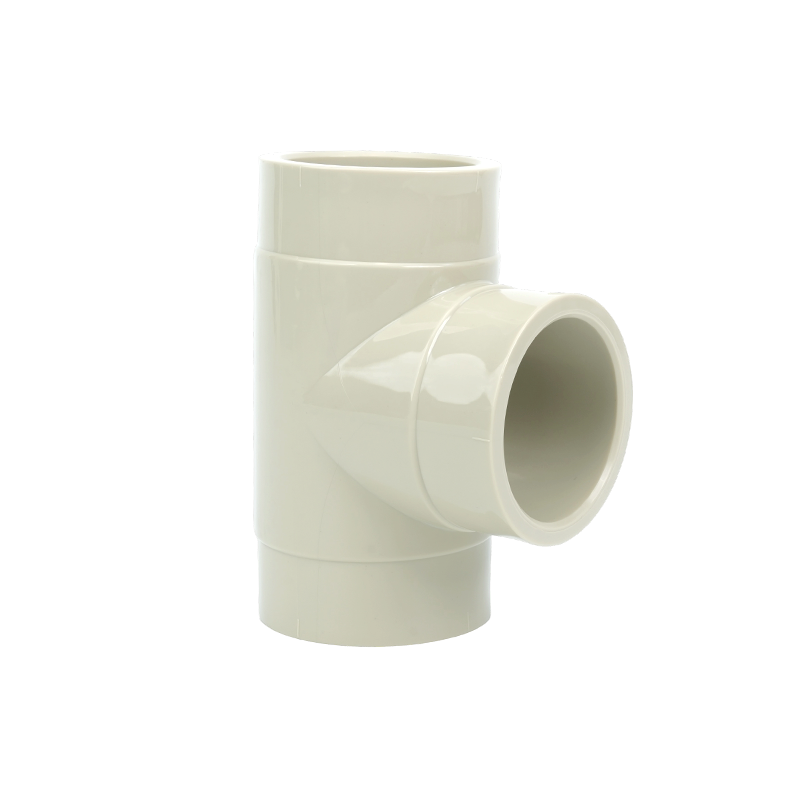
1. Excellent construction and significant high impact strength. 2. Light weight ...
View More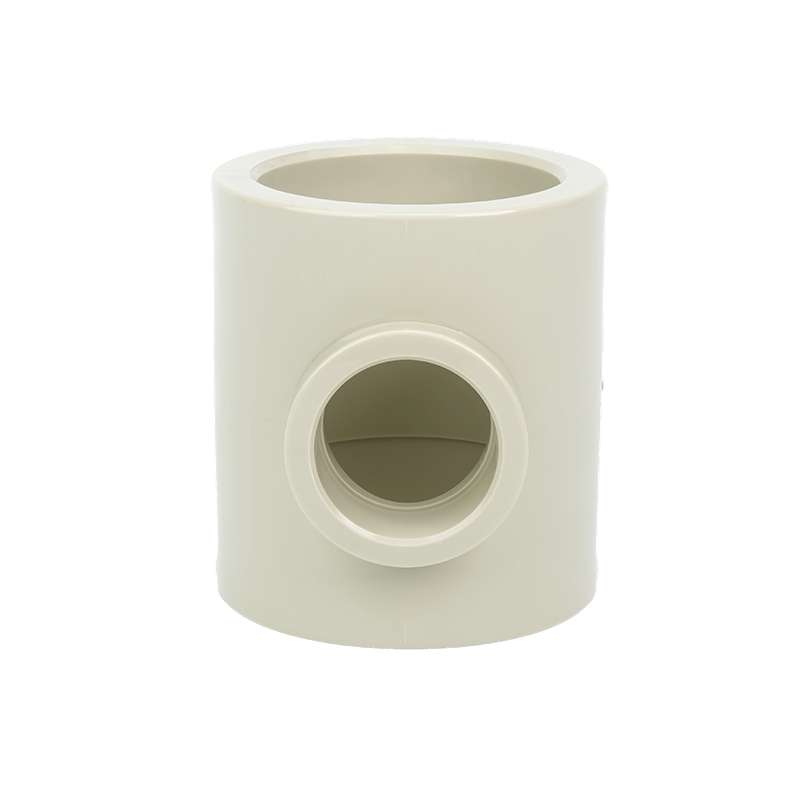
1.This fitting is used to create a branch line from a main pipeline, allowing f...
View More
1. Used to connect four pipes of the same diameter intersecting perpendicularly....
View More
1.Used to connect four pipes of different diameters intersecting perpendicularl...
View More
Products
Company Information
Address: No. 55 Haichuan Road, High-Tech Zone, Dongtai City, Jiangsu Province, China
Mobile: +86 137 7009 5258
Tel: +86-515-85479999
Email: [email protected]
We'd love to hear from you!
