English
 中文简体
中文简体
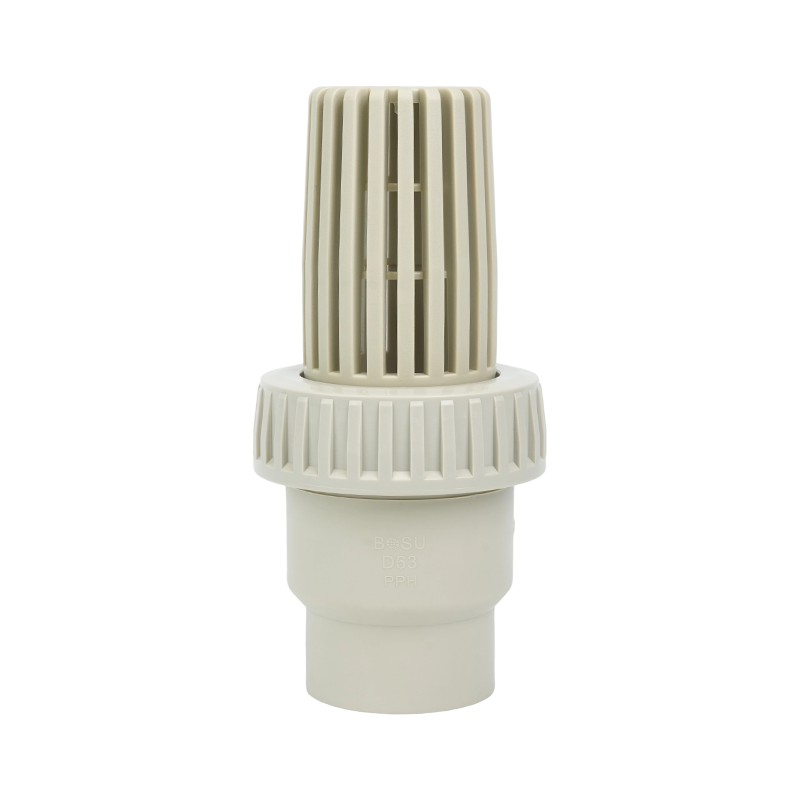
β--PPH Union Type Foot Valve
Product Features: Goodwater-sealing performance Lightweight material Goodcorros...
View MoreContent
Stainless steel, cast iron, and plastic foot valves each win on a different metric: stainless steel delivers the longest service life in corrosive or high-temperature media, cast iron offers the toughest body at the lowest cost for general water and oil lines, and plastic valves built from PVC, PP, or PVDF are the lightest, cheapest to install, and the most chemically inert option for sanitary, food-grade, or light industrial Piping products. There is no single "best" material — the right choice depends on the pressure, temperature, and chemical profile of the fluid you are pumping.
Stainless steel foot valves are the default choice when a suction line carries acids, alkalis, seawater, or fluids that regularly exceed 200°C. The alloy resists pitting and crevice corrosion far better than carbon-based materials, and a properly finished stainless body can stay in service for decades without replacement. Manufacturers refine the internal sealing geometry to reduce leakage at the seat, which matters most in high-pressure Valve Systems where even a small backflow gap can cause repeated re-priming of the pump.
The trade-off is weight and cost. A stainless steel foot valve can weigh three to four times more than an equivalent plastic unit, and the raw material price is consistently higher. For projects where temperature or chemical exposure is moderate, that premium is difficult to justify.
Cast iron remains popular for general-purpose water supply, irrigation, and oil suction lines operating at normal temperatures and medium pressure. The thick-walled body resists mechanical impact and vibration, which makes cast iron a practical choice for pump stations where the valve sits at the bottom of a well or sump and is rarely inspected. Coating the casting with a chemical-resistant layer extends its working life further, closing some of the corrosion-resistance gap with stainless steel while keeping the unit cost well below it.
Cast iron is heavier than plastic and, without a protective coating, more vulnerable to rust in acidic or saline water. It suits municipal and agricultural systems better than pharmaceutical or high-purity process lines.
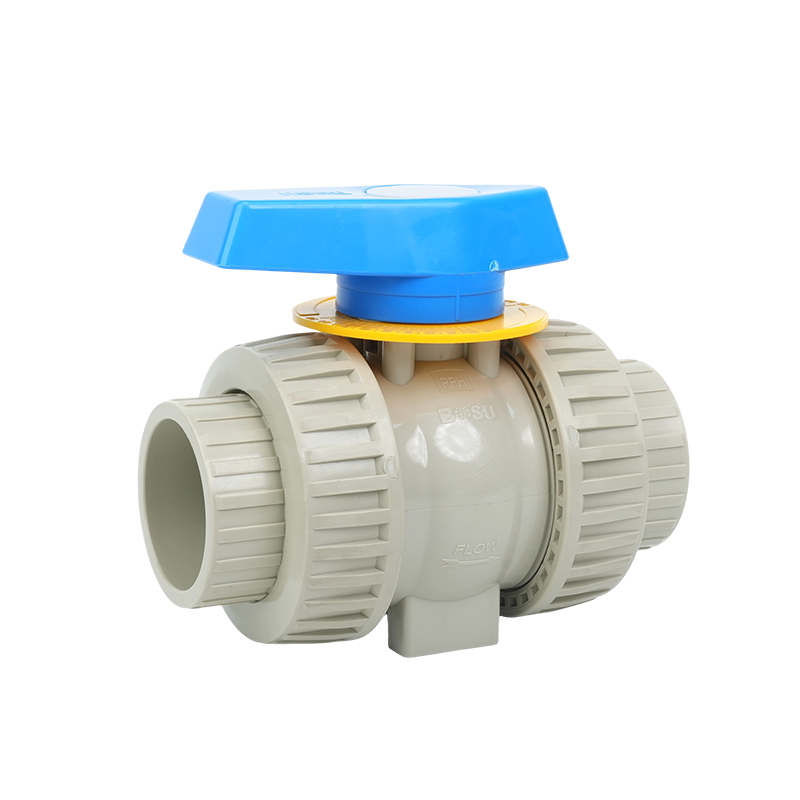
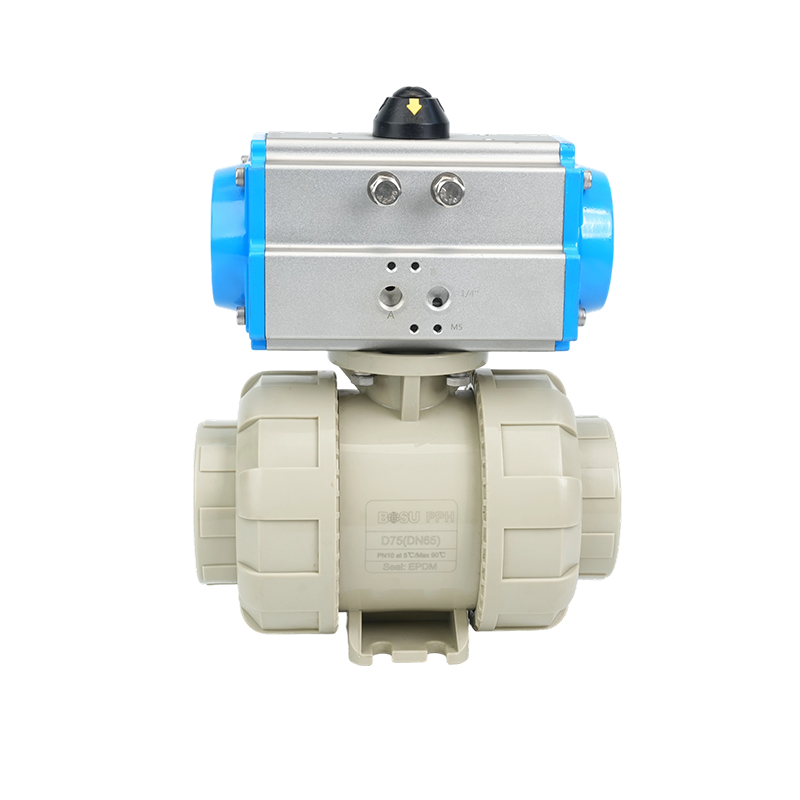
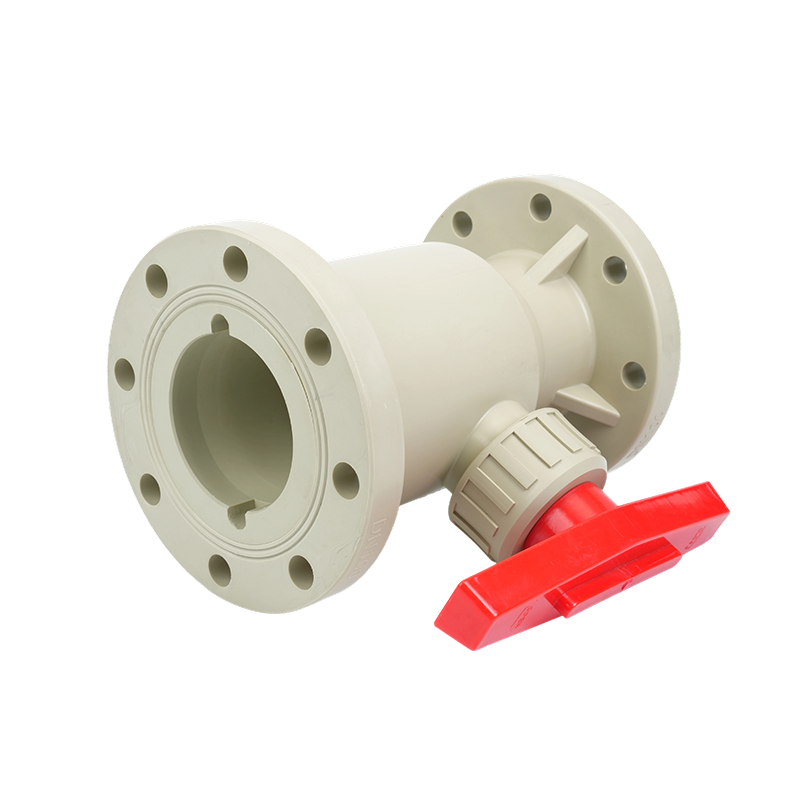
Plastic foot valves molded from PVC, polypropylene (PP), or PVDF dominate where corrosion resistance, hygiene, and installation speed matter more than raw mechanical strength. PVDF in particular tolerates strong acids, strong alkalis, and most organic solvents, which is why it appears throughout photovoltaic cleaning loops, semiconductor fluid lines, and pharmaceutical water systems. β-PPH and PPN compounds extend that resistance to a wider temperature window — typically -20°C to 120°C — while keeping the valve body roughly one-third the weight of a metal equivalent.
A smooth, dead-leg-free internal surface is another reason plastic valves are favored in sanitary applications: there are fewer pockets where bacteria or residue can accumulate, which simplifies cleaning validation in food and drug manufacturing. The main limitation is pressure and temperature ceiling — most plastic Plastic Valve assemblies are rated for moderate conditions and are not the right fit for steam lines or very high-pressure transfer.
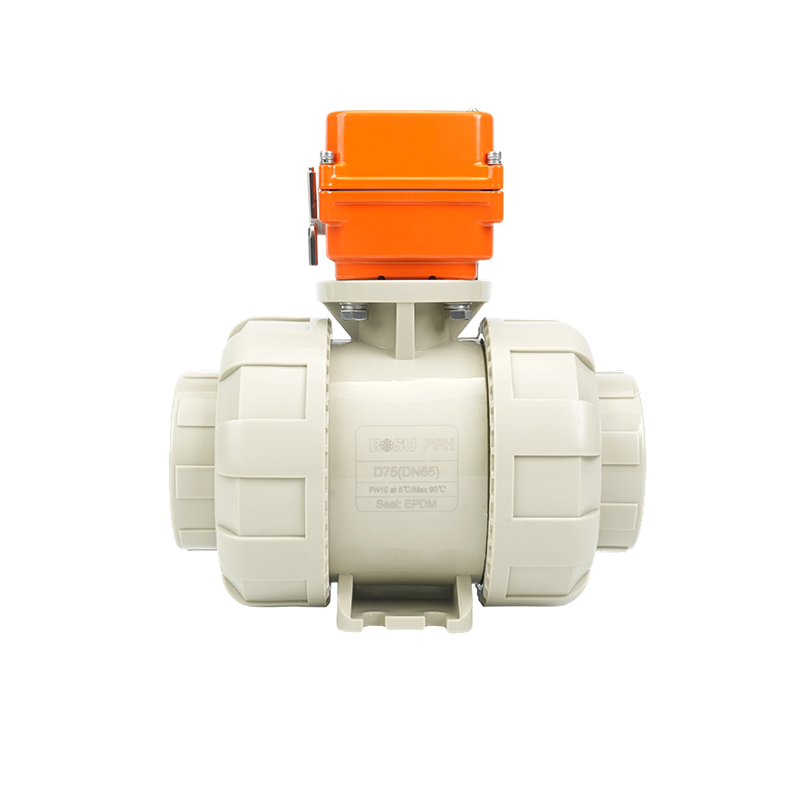
Beyond foot valves, the same β-PPH, PPN, and PVDF material platform is used across a full family of plastic valve systems, giving engineers a single corrosion-resistant standard for an entire pipeline.
| Material | Corrosion Resistance | Max Temperature | Relative Weight | Best Fit |
|---|---|---|---|---|
| Stainless Steel | Excellent | Up to 300°C | Heavy | Acid, alkali, seawater, high-pressure lines |
| Cast Iron | Moderate (better with coating) | Up to 120°C | Heavy | Municipal water, irrigation, general oil suction |
| PVDF Plastic | Excellent against acids and solvents | Up to 140°C | Light | Semiconductor, photovoltaic, pharmaceutical fluids |
| β-PPH / PVC Plastic | Good | Up to 120°C | Light | Water treatment, food-grade, general industrial Piping products |
The shift toward plastic across photovoltaic, semiconductor, and biochemical industries comes down to total cost of ownership rather than upfront price alone. A plastic foot valve installs faster because it weighs less and needs no special lifting equipment, it eliminates the risk of metal ions contaminating high-purity fluid, and the molded surface finish reduces the particle release that can foul sensitive downstream processes. Recent industry data also shows that, within pressure ratings below 1.0 MPa and temperatures under 95°C, plastic valves typically weigh only 30 to 40 percent of an equivalent metal unit, which translates directly into lower freight, simpler supports, and faster on-site handling for large Plastic Piping networks.
Start with the medium: if the suction fluid is corrosive, sanitary, or chemically aggressive, plastic — especially PVDF — should be the first option evaluated. If the line runs hot water, steam-adjacent fluids, or operates under sustained high pressure, stainless steel is the safer long-term investment despite the higher upfront cost. Cast iron remains a sound middle ground for ordinary water wells, irrigation systems, and oil suction lines where budget matters more than chemical resistance. Matching the foot valve material to the actual operating envelope — rather than defaulting to whichever option is cheapest or most familiar — is what keeps Valve Systems running without unplanned downtime.

Product Features: Goodwater-sealing performance Lightweight material Goodcorros...
View More
1. Product Features: Personalized handle indication function, install LOGO, medi...
View More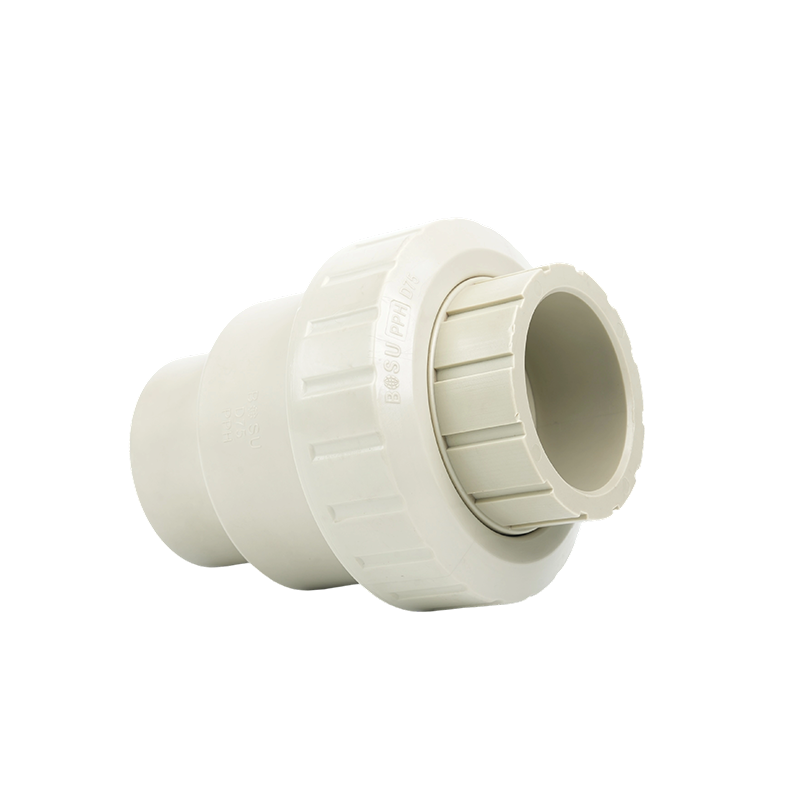
This valve features a compact structure, an aesthetically pleasing design, excel...
View More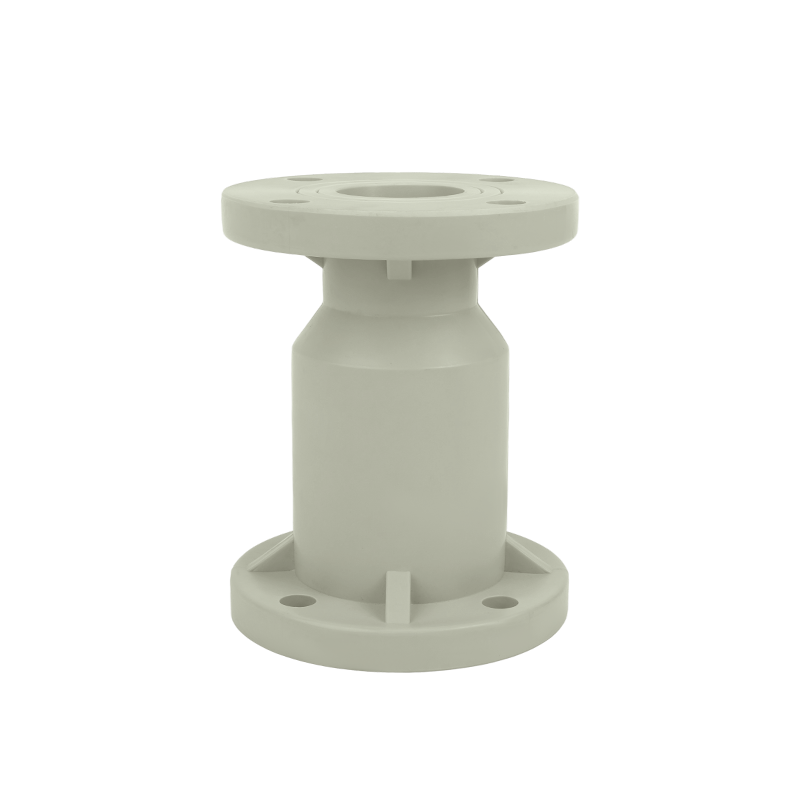
Flange check valve refers to a valve that automatically opens and closes the val...
View More
Products
Company Information
Address: No. 55 Haichuan Road, High-Tech Zone, Dongtai City, Jiangsu Province, China
Mobile: +86 137 7009 5258
Tel: +86-515-85479999
Email: [email protected]
We'd love to hear from you!