 English
 中文简体
中文简体
β--PPH Single and Double Type Pneumatic Flanged Ball Valve
The pneumatic actuator operates at a very high speed, which significantly reduc...
View MoreContent
Reliable β-PPH Fittings installation comes down to four non-negotiable steps: clean and square-cut pipe ends, correct hot-melt welding temperature (210°C–230°C), an 8–12 second pressure-holding phase, and a full airtightness check before the line goes into service. Skipping any one of these steps is the most common cause of weld failure in plastic piping systems, so treat this sequence as the baseline for every joint you make.
Every successful fusion joint starts before the heating tool ever touches the pipe. Oil, dust, moisture, and surface rust create a barrier that prevents the polymer from bonding evenly, and this is the single most overlooked step in field installations of Piping products made from β-PPH. A wipe with a lint-free cloth and an approved solvent is usually enough to remove surface contaminants, but the pipe end itself needs more than a wipe.
Pipe ends must be cut square using a dedicated cutting tool rather than a hand saw. A perpendicular, burr-free face allows the two melted surfaces to interlock evenly across the entire circumference. An angled or ragged cut concentrates stress on one side of the joint, and that uneven contact is where micro-leaks tend to start months later under pressure cycling.
Clean both the pipe outer surface and the fitting socket before fusion. Any residue reduces the effective bonding area.
Use a purpose-built pipe cutter. A perpendicular face is what gives the joint its interlocking strength.
Check alignment and depth of insertion before applying heat, since correction after fusion begins is not possible.
For β-PPH Fittings, two joining methods are available: hot-melt welding, also called electrofusion or thermofusion, and adhesive bonding. Hot-melt welding is the dominant method across chemical, semiconductor, and water treatment installations because it produces a homogeneous, leak-free joint where the pipe and fitting materials fuse into a single continuous wall rather than being held together by a separate bonding agent. Adhesive bonding still has a place in low-pressure repair work or where a heat source is not practical, but it is generally treated as a secondary option rather than a primary connection method for pressurized Plastic Piping systems.
This preference matters because the long-term reliability of a valve system or fitting joint typically depends on the fusion quality more than the raw material spec sheet. A correctly executed hot-melt weld on standard-grade β-PPH will often outperform a poorly executed weld on a premium-grade material.
Hot-melt welding is a process with a narrow acceptable window. Deviating from the following ranges is the most frequent root cause when a fitting fails a pressure test.
| Heating Temperature | 210°C – 230°C |
| Pressure Holding Time | 8 – 12 seconds after heating |
| Cooling Period | At least 30 seconds, natural cooling only |
| Long-Term Working Temperature | -20°C to +100°C |
| Short-Term Maximum Temperature | 110°C |
Temperatures below 210°C leave the polymer under-softened, so the two surfaces never truly fuse and instead sit against each other like a poorly glued seam. Temperatures above 230°C risk thermal degradation, which weakens the polymer chain structure and shortens the service life of the joint even if it looks acceptable on the surface. Forcing the cooling process with water or compressed air is a common shortcut that introduces internal stress, which can show up later as a hairline crack under load.
These are examples of the socket fusion fittings used in the installation methods described above, each engineered for consistent hot-melt performance across common piping layouts.
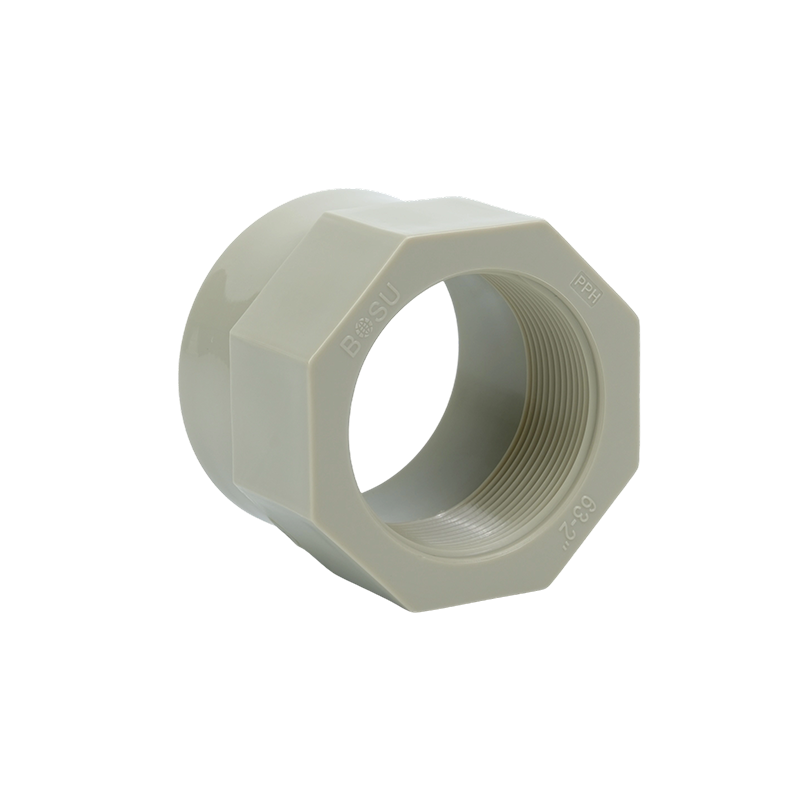
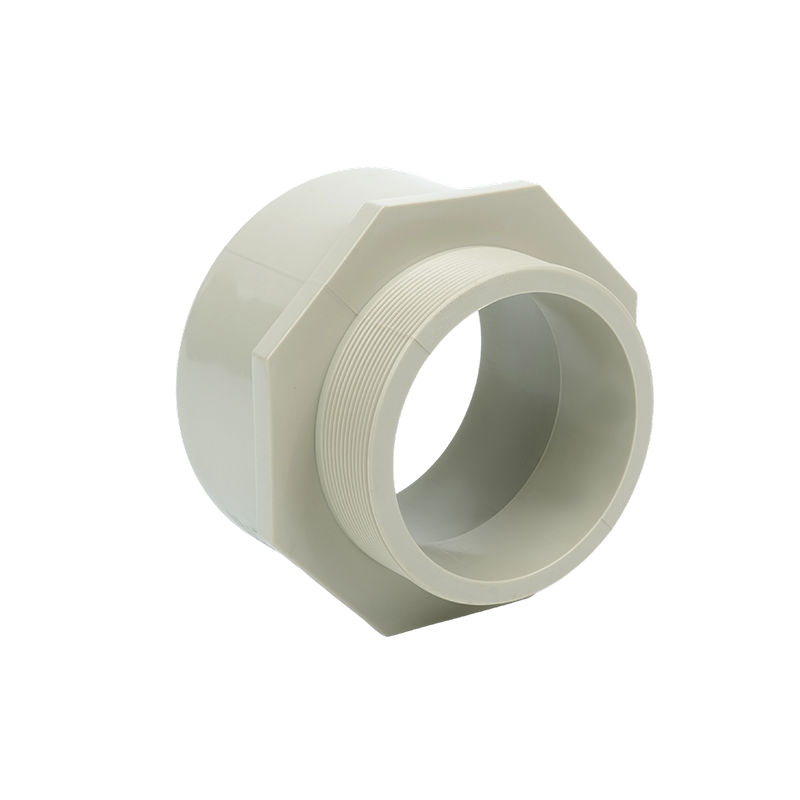
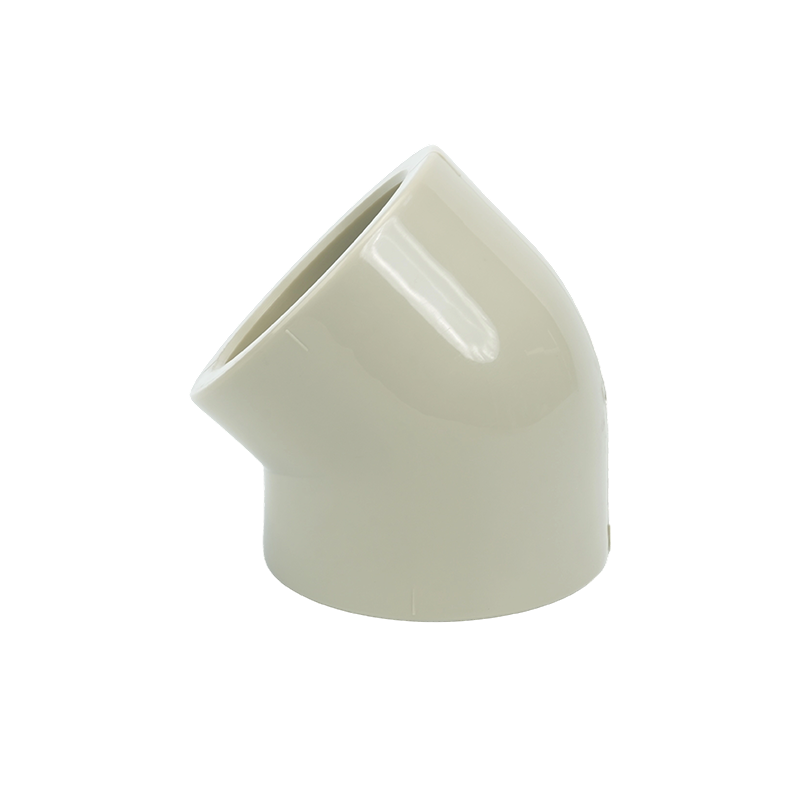
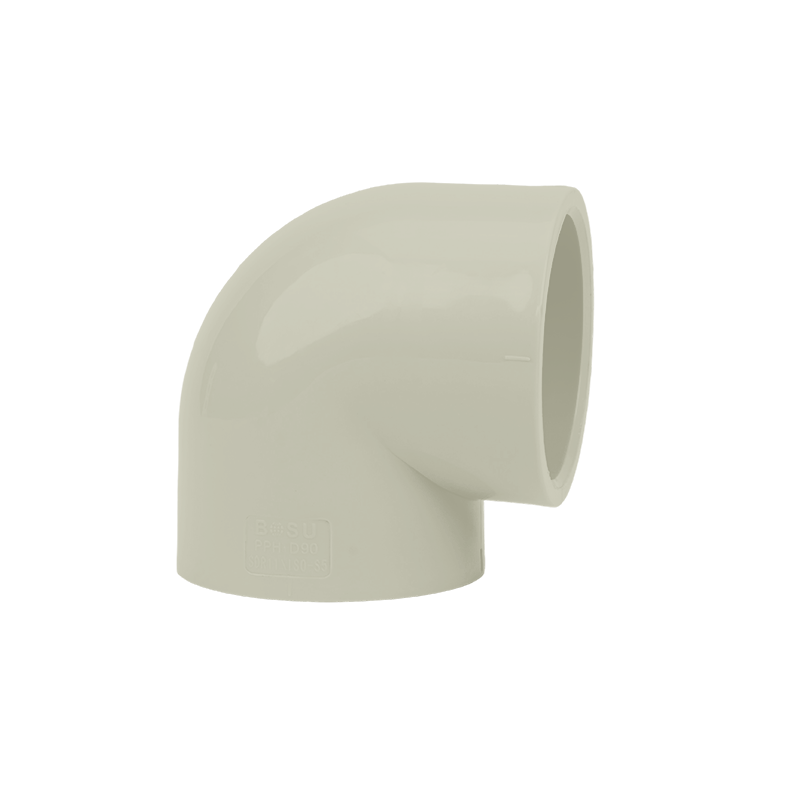
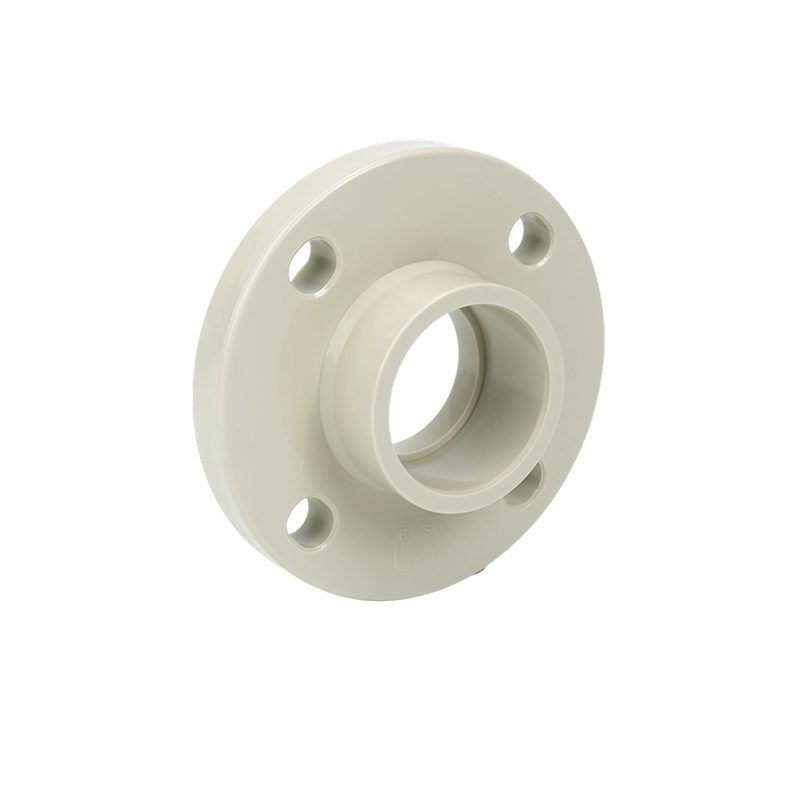
A weld that looks fine on the outside can still fail internally, which is why inspection is treated as a mandatory step rather than an optional one for any Valve Systems or fitting network carrying pressurized or corrosive media.
Installation quality only matters if the fitting was correctly specified in the first place. Three variables drive the selection process for β-PPH Fittings: media corrosivity, working pressure combined with temperature, and the physical dimensions of the pipe run.
For strong acids and alkalis, thicker-wall fittings or corrosion-resistant modified β-PPH grades are the safer choice, since aggressive media accelerate wall thinning over time. For neutral or mildly corrosive media such as pure water or steam, standard wall thickness fittings are generally adequate and more cost-effective.
Temperature has a direct effect on how much pressure a fitting can safely handle. At 60°C, the maximum working pressure of a β-PPH fitting drops to roughly half of its nominal pressure rating, so a fitting rated for a cold-water line cannot simply be reused on a heated line without recalculating its actual pressure capacity. As a general design rule, the design pressure should be set at around 1.25 times the highest expected working pressure, with a temperature correction factor applied on top of that.
| Corrosive Media (Acids/Alkalis) | Thicker wall or modified β-PPH grade |
| Neutral Media (Water/Steam) | Standard wall thickness |
| High Pressure / Low Temperature | PN16 or above |
| Normal Temperature and Pressure | PN10 – PN12 |
The joining method itself changes how strict the wall-thickness tolerance needs to be. Hot-melt welding is relatively forgiving on wall thickness variation as long as the weld itself is executed correctly, since the fused zone becomes a monolithic structure. Flange connections are less forgiving: they require tighter wall-thickness control and must be matched to a compatible flange thickness and bolt specification, because the seal relies on mechanical compression rather than material fusion. When a project mixes both connection types across the same Plastic Valve or fitting network, it is worth confirming that every transition point has been engineered for that specific junction rather than assuming a universal fit.
Reliable β-PPH installations are less about any single advanced technique and more about consistency: the same cutting standard, the same temperature range, the same holding time, and the same inspection routine on every joint. Field teams that document these parameters per joint tend to catch process drift early, long before a weld actually fails under pressure. For larger installations spanning multiple Piping products and fitting types, standardizing this checklist across crews is usually the difference between a system that performs for decades and one that requires repeated maintenance in its first year.
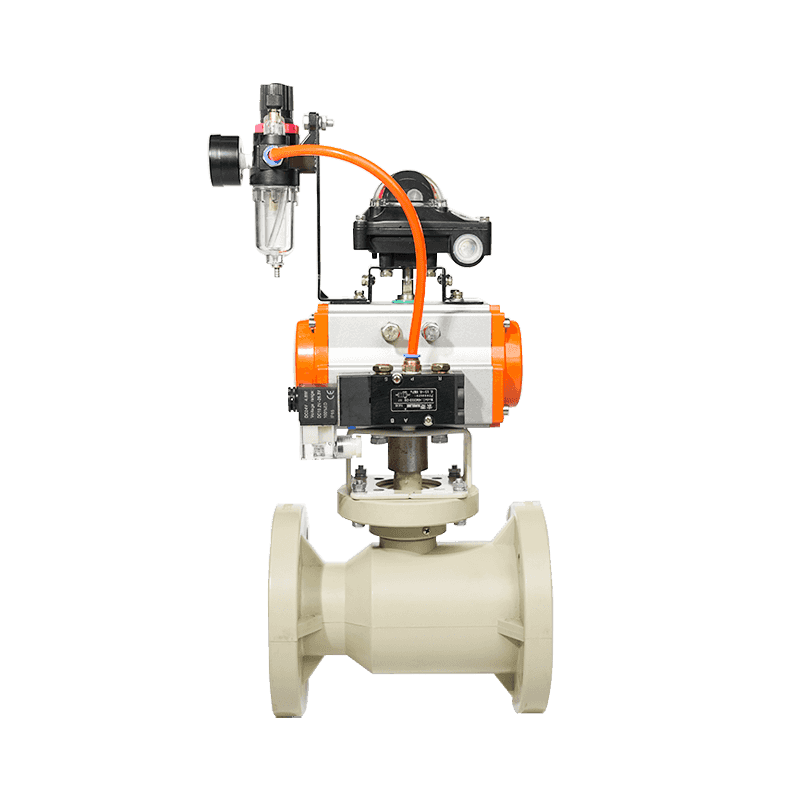
The pneumatic actuator operates at a very high speed, which significantly reduc...
View More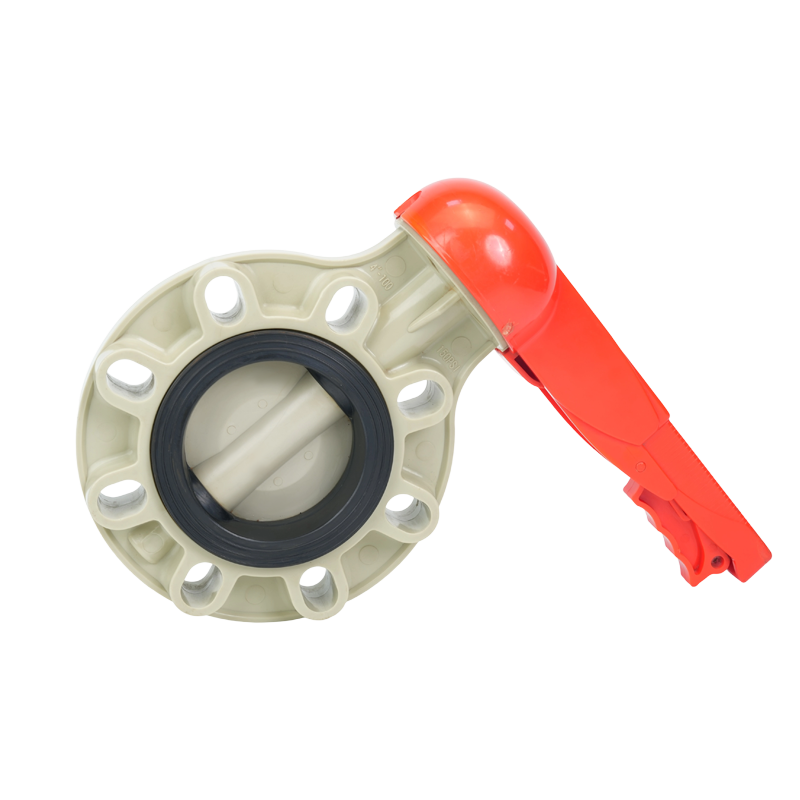
Easy to open and close, low fluid resistance, and simple structure. When fully ...
View More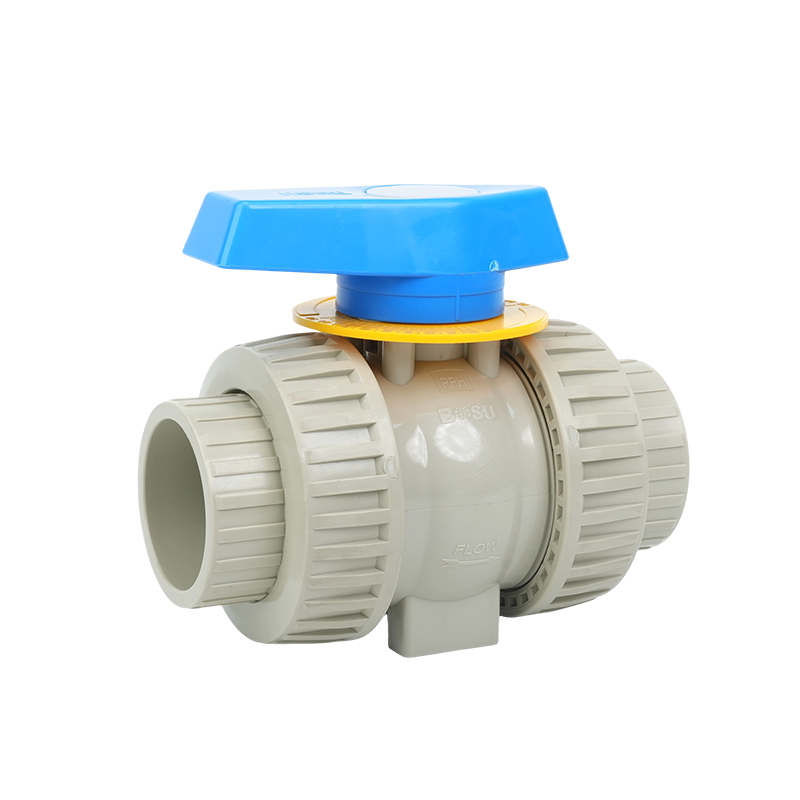
1. Product Features: Personalized handle indication function, install LOGO, medi...
View More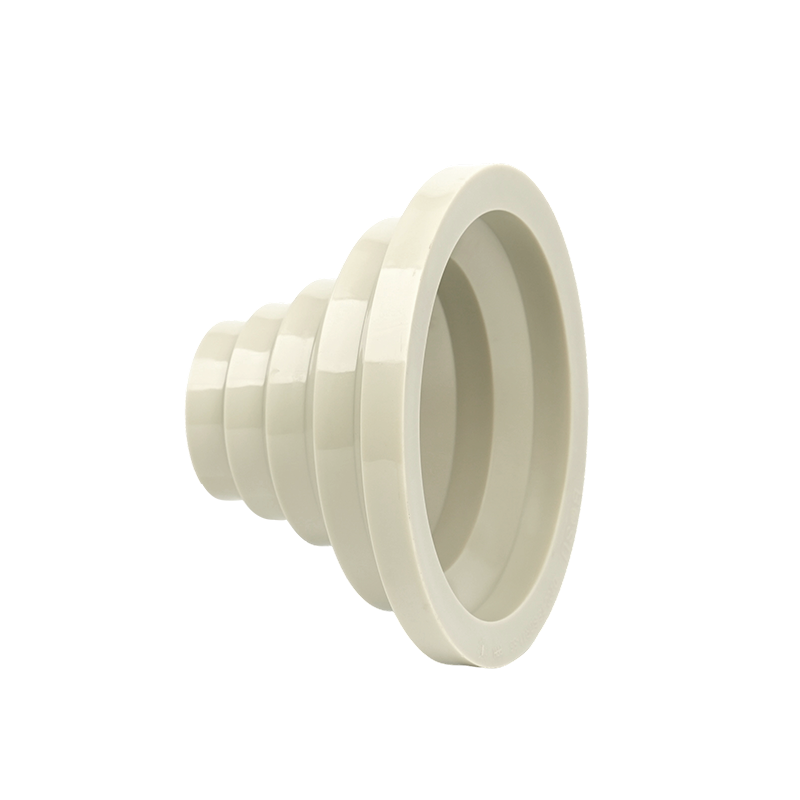
1. The β-PPH barbed head is a type of concentric reducer characterized by its sh...
View More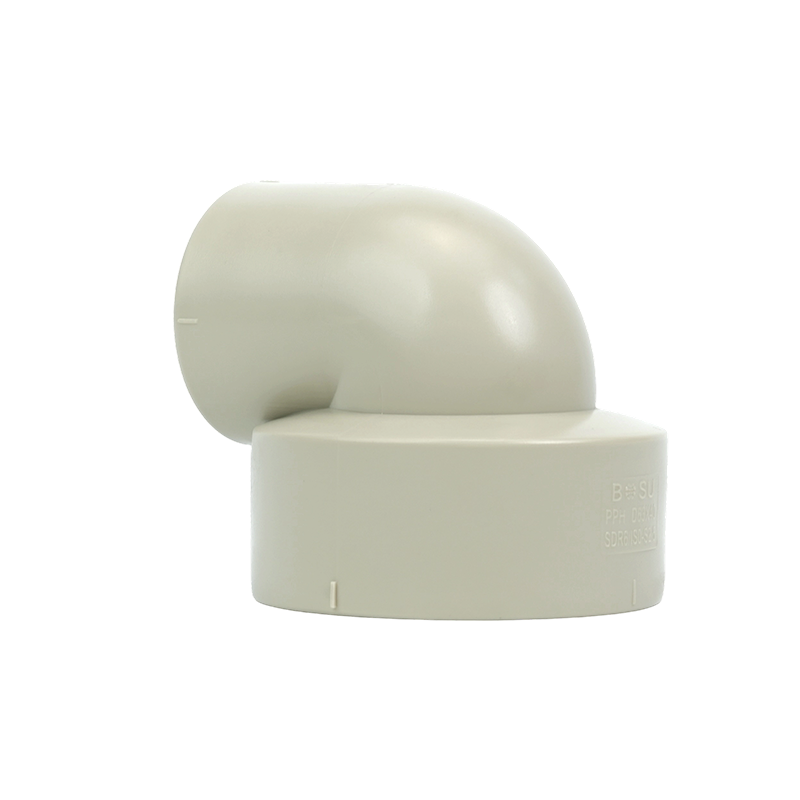
1. This fitting is used to connect two pipes of different diameters, achieving a...
View More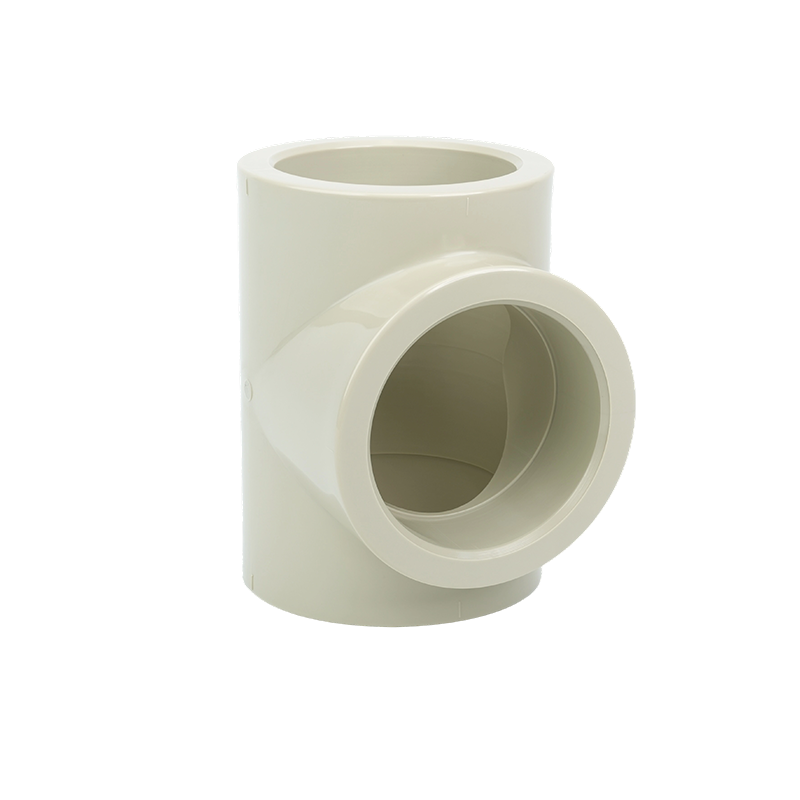
1. It is a type of pipeline fitting, used where the main pipeline needs to branc...
View More
Products
Company Information
Address: No. 55 Haichuan Road, High-Tech Zone, Dongtai City, Jiangsu Province, China
Mobile: +86 137 7009 5258
Tel: +86-515-85479999
Email: [email protected]
We'd love to hear from you!
